









Dernière mise à jour le 04/09/2025 par Usine de solénoïdes
The automotive industry is undergoing a technological renaissance, driven by the demand for smarter, safer, and more efficient vehicles. Among the unsung heroes of this transformation are électroaimants—devices that convert electrical energy into mechanical force with unmatched precision. In automatic transmissions and braking systems, electromagnets play a pivotal role in enabling seamless gear shifts, adaptive torque distribution, and fail-safe braking performance.
As a professional electromagnet manufacturer, we delve into the science, applications, and innovations of electromagnets in these critical automotive systems. This blog explores how electromagnetic technology is redefining vehicle dynamics, safety, and sustainability.

1. electromagnets and Electromagnetic Control in Automotive Systems
1.1 How Electromagnets Work
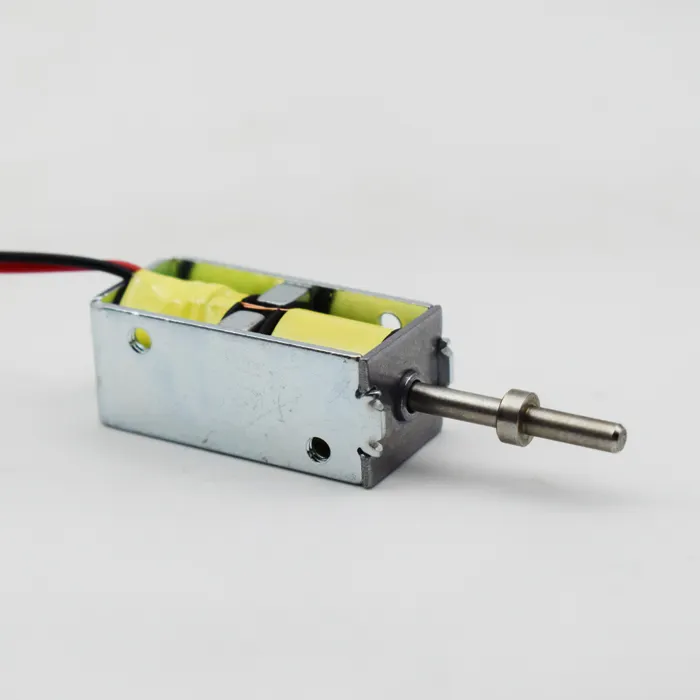
électroaimants generate a magnetic field when an electric current flows through a coil of wire. This field attracts or repels ferromagnetic components, such as iron or steel, creating mechanical motion. By modulating the current, engineers can precisely control the timing, force, and duration of this motion—a capability that is indispensable in modern automotive systems.
1.2 Key Components in Automotive Applications
- Solenoids: Compact electromagnetic actuators used to control hydraulic valves, clutches, or brakes.
- Coils and Cores: Designed to withstand high temperatures, vibrations, and electromagnetic interference (EMI).
- Control Units: Integrated with sensors and algorithms to optimize electromagnetic responses in real time.
2. Electromagnets in Automatic Transmissions
2.1 The Evolution of Automatic Transmissions
Traditional automatic transmissions relied on hydraulic pressure and mechanical linkages for gear shifts. Modern systems, however, leverage electromagnetic solenoids to enable faster, smoother, and more efficient gear changes.
2.2 Role of Electromagnets in Transmission Control
- Shift Solenoids: Electromagnetic valves regulate hydraulic pressure to engage or disengage clutches and bands, facilitating gear shifts.
- Torque Converter Lockup Clutches: Electromagnets lock the torque converter to improve fuel efficiency at cruising speeds.
- Adaptive Control: Sensors monitor driving conditions (e.g., throttle position, vehicle speed) and adjust solenoid operation for optimal performance.
Étude de cas : A leading automaker reduced shift times by 30% and improved fuel economy by 8% by integrating high-response electromagnetic solenoids in its 10-speed automatic transmission.
2.3 Dual-Clutch Transmissions (DCTs)
In DCTs, electromagnets pre-select gears using two independent clutches. This eliminates torque interruption during shifts, delivering a sportier driving experience. Electromagnetic actuators ensure millisecond-level precision in clutch engagement.
2.4 Continuously Variable Transmissions (CVTs)
Electromagnetic systems adjust pulley widths in real time, optimizing the transmission ratio for engine efficiency. This technology is particularly effective in hybrid vehicles, where seamless power delivery is critical.
3. Electromagnets in Braking Systems
3.1 From Hydraulic to Electromechanical Braking
Traditional braking systems rely on hydraulic pressure generated by the driver’s pedal force. Modern systems, however, incorporate electromagnetic actuators to enhance safety, responsiveness, and energy recovery.
3.2 Electromagnetic Braking Technologies
- Anti-lock Braking Systems (ABS): Electromagnetic valves modulate brake pressure to prevent wheel lockup during emergency stops. By rapidly pulsating the brakes, ABS maintains traction and steering control.
- Electronic Stability Control (ESC): Electromagnets adjust braking force to individual wheels, counteracting skids or loss of control.
- Electric Parking Brakes (EPB): Replacing manual handbrakes, electromagnetic actuators engage and disengage rear brakes with a button press.
Étude de cas : A luxury car brand achieved a 20% reduction in stopping distance by using electromagnetic brake-by-wire technology, which eliminates hydraulic lag.
3.3 Regenerative Braking in Electric Vehicles (EVs)
In EVs, electromagnets are integral to regenerative braking systems. When the driver decelerates, the electric motor acts as a generator, converting kinetic energy into electrical energy. Electromagnetic controls manage the transition between regenerative and friction braking, maximizing energy recovery without compromising safety.
3.4 Fail-Safe Braking Systems
Electromagnetic systems include redundancy features, such as backup power supplies and self-diagnostic algorithms, to ensure braking functionality even during electrical failures.
4. Défis techniques et solutions des électroaimants
4.1 High-Temperature Environments
Défi: Prolonged exposure to engine heat degrades coil insulation and magnetic performance.
Solution: High-temperature-resistant materials (e.g., Class H insulation, ceramic coatings) and active cooling systems.
4.2 Vibration and Mechanical Stress
Défi: Automotive vibrations can loosen components or cause coil fatigue.
Solution: Ruggedized designs with shock-absorbing mounts and reinforced solder joints.
4.3 Electromagnetic Interference (EMI)
Défi: EMI from motors or high-voltage systems disrupts solenoid operation.
Solution: Shielded cables, ferrite cores, and optimized grounding schemes.
4.4 Energy Efficiency
Défi: Continuous power draw in solenoids increases battery load.
Solution: Latching electromagnets that maintain position without power and energy-recovery circuits.


5. Innovations Driving electromagnets
5.1 Integrated Electromechanical Systems
Next-generation vehicles are moving toward fully electrified powertrains, where electromagnetic actuators control transmissions, brakes, and steering. This integration reduces weight, simplifies wiring, and enhances responsiveness.
5.2 AI-Optimized Control Algorithms
Machine learning algorithms analyze driving patterns, road conditions, and vehicle diagnostics to optimize electromagnetic responses. For example, AI can predict gear shifts in automatic transmissions or pre-load braking pressure in anticipation of a stop.
5.3 Smart Materials and Miniaturization
- Shape-Memory Alloys (SMAs): Combined with electromagnets, SMAs enable self-adjusting components that adapt to wear or temperature changes.
- Micro-Electromechanical Systems (MEMS): Miniaturized electromagnetic actuators for compact, high-precision braking modules.
5.4 Sustainability in Manufacturing
Recyclable materials and energy-efficient production processes reduce the environmental footprint of electromagnetic components. For instance, copper coils are being replaced with aluminum in some applications to lower costs and weight.
6. Selecting the Right Electromagnetic Solutions
6.1 Key Considerations for Automotive Applications
- Durability: Resistance to heat, vibration, and corrosion.
- Response Time: Critical for ABS and transmission shift solenoids.
- Power Efficiency: Minimize energy draw to preserve battery life in EVs.
- Certifications: Compliance with automotive standards like ISO/TS 16949 and AEC-Q200.
6.2 Customization for OEM Needs
As a manufacturer, we offer tailored electromagnetic solutions, including:
- High-Speed Solenoids: For dual-clutch transmissions and performance vehicles.
- Waterproof Actuators: For off-road and electric parking brake systems.
- Low-EMI Designs: For hybrid and electric vehicles with sensitive electronics.
Electromagnets—The Driving Force of Automotive Innovation
électroaimants have become the backbone of modern automatic transmissions and braking systems, enabling unprecedented levels of precision, safety, and efficiency. From the millisecond gear shifts in high-performance cars to the life-saving responsiveness of ABS, electromagnetic technology is at the heart of automotive advancement.
As the industry transitions toward electrification and autonomous driving, the role of electromagnets will only expand. Innovations in AI, materials science, and energy efficiency will further enhance their capabilities, making vehicles smarter, greener, and safer.
For automotive manufacturers and suppliers, partnering with an experienced electromagnet manufacturer is essential to staying ahead in this competitive landscape. By leveraging cutting-edge electromagnetic solutions, the automotive industry can continue to push the boundaries of what’s possible—one precise, reliable actuation at a time.
À propos de l'usine d'électroaimants SF
Shengfeng Electromagnet Co., Ltd., fondée en 2015, est située dans le parc industriel de Xiansha, bénéficiant d'un cadre agréable et d'une excellente desserte. L'entreprise s'étend sur 16 000 mètres carrés et dispose d'usines de production modernes, d'équipements de pointe et d'une équipe technique hautement qualifiée. Depuis sa création, elle s'est toujours attachée à sa philosophie d'entreprise axée sur l'innovation, la qualité et le service, en se concentrant sur la recherche, le développement et la production de… électroaimants, en promouvant constamment les mises à jour de produits et les progrès technologiques, et en fournissant aux clients des produits et services de la meilleure qualité.
Pourquoi choisir un électroaimant SF ?
HAUTE QUALITÉ :En tant que premier fabricant d'électroaimants à solénoïde en Chine, notre équipe de contrôle qualité veille à ce que chaque produit que vous recevez soit d'une qualité irréprochable. Nous disposons d'équipements professionnels pour les tests de qualité.
CONCEPTION DU PRODUIT :Notre service d'échantillonnage maîtrise l'ensemble du processus de concrétisation de vos plans. Nous optimisons également la conception de vos produits en nous appuyant sur nos années d'expérience. Faites-nous part de vos avis.
DÉLAI DE LIVRAISON STABLE :En tant que fabricant et fournisseur d'électroaimants de premier plan, nous disposons d'une capacité de production suffisante ; les commandes importantes ne nous effraient pas et nous sommes en mesure de les livrer dans les délais.
MEILLEUR PRIX :Nous sommes une usine d'origine spécialisée dans les électroaimants et le meilleur fabricant de solénoïdes en Chine ; c'est pourquoi nous pouvons proposer des produits de haute qualité au meilleur prix.
GESTION PRÉCISE :Rien ne peut être accompli sans une gestion rigoureuse. Nous sommes une entreprise dotée d'un système de gestion complet.
SERVICE 7-24 :As the best solenoid manufacturer, 24-7 immediate response: We’ll receive your feedback to make us a better supplier. Contact Shany +86 18902611680
FAQ sur les électroaimants
Nous sommes un leader chinois électro-aimant Notre usine de fabrication est située à Dongguan. Nous serions ravis de vous accueillir !
Nous sommes spécialisés dans la conception et la production de produits de haute qualité. électro-aimant,électrovanne,tel que solénoïde rotatif, solénoïdes bistables, solénoïdes de verrouillage, solénoïdes à cadre ouvert, solénoïdes tubulaires, solénoïde auto-maintenu
Bien entendu, nous fournissons généralement des échantillons gratuits ; vous n’avez qu’à prendre en charge les frais de port. Pour les échantillons d’électroaimants sur mesure, veuillez nous communiquer vos exigences afin que nous puissions vous indiquer le coût de l’échantillon.
• La production d'un échantillon prend environ 7 jours.
Oui, nous proposons des services de conception gratuits, incluant la conception structurelle et la conception graphique simple.
Bien sûr. Nous pouvons fabriquer n'importe quel électroaimant selon votre conception. Nous proposons désormais un service ODM de solénoïdes pour les petites séries (de 100 à 500 pièces), avec la possibilité d'y apposer votre logo.
En fonction de la quantité commandée et des détails de production, cela prendra environ 15 à 20 jours.
Toujours un échantillon de préproduction avant la production en série ; toujours une inspection finale avant l'expédition
• Puissance, consommation, dimensions, matériau, quantité, destination de livraison, etc.
• Vous pouvez aussi simplement nous faire part de vos besoins et nous vous recommanderons des produits.
• Par mer, par air ou par transport express.
• Si vous avez votre propre transitaire en Chine, il s'agit du prix départ usine ou FOB.
•CFR ou CIF, etc., si vous avez besoin que nous expédiions en votre nom.
• Le DDP et le DDU peuvent également être utilisés.
• Plus de choix, nous prendrons en compte vos choix.
Le prix est déterminé par la quantité, le matériau, le procédé de fabrication, la taille et d'autres facteurs. De plus, grâce à notre croissance continue, nous proposons des tarifs compétitifs.
Grâce à l'innovation technologique, les prix de certains de nos produits sont extrêmement compétitifs ; veuillez nous contacter pour obtenir un devis.