









Zuletzt aktualisiert am 04.09.2025 von Magnetspulenfabrik
The automotive industry is undergoing a technological renaissance, driven by the demand for smarter, safer, and more efficient vehicles. Among the unsung heroes of this transformation are Elektromagnete—devices that convert electrical energy into mechanical force with unmatched precision. In automatic transmissions and braking systems, electromagnets play a pivotal role in enabling seamless gear shifts, adaptive torque distribution, and fail-safe braking performance.
As a professional electromagnet manufacturer, we delve into the science, applications, and innovations of electromagnets in these critical automotive systems. This blog explores how electromagnetic technology is redefining vehicle dynamics, safety, and sustainability.

1. electromagnets and Electromagnetic Control in Automotive Systems
1.1 How Electromagnets Work
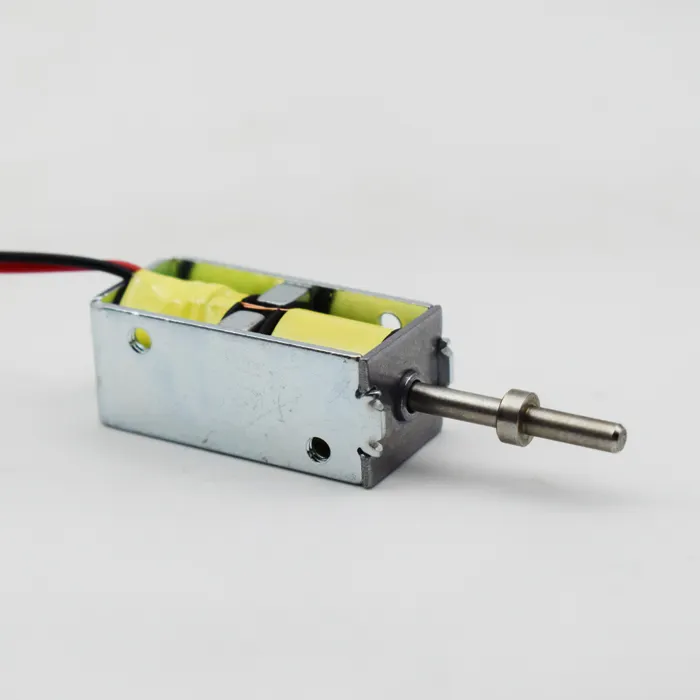
Elektromagnete generate a magnetic field when an electric current flows through a coil of wire. This field attracts or repels ferromagnetic components, such as iron or steel, creating mechanical motion. By modulating the current, engineers can precisely control the timing, force, and duration of this motion—a capability that is indispensable in modern automotive systems.
1.2 Key Components in Automotive Applications
- Solenoids: Compact electromagnetic actuators used to control hydraulic valves, clutches, or brakes.
- Coils and Cores: Designed to withstand high temperatures, vibrations, and electromagnetic interference (EMI).
- Control Units: Integrated with sensors and algorithms to optimize electromagnetic responses in real time.
2. Electromagnets in Automatic Transmissions
2.1 The Evolution of Automatic Transmissions
Traditional automatic transmissions relied on hydraulic pressure and mechanical linkages for gear shifts. Modern systems, however, leverage electromagnetic solenoids to enable faster, smoother, and more efficient gear changes.
2.2 Role of Electromagnets in Transmission Control
- Shift Solenoids: Electromagnetic valves regulate hydraulic pressure to engage or disengage clutches and bands, facilitating gear shifts.
- Torque Converter Lockup Clutches: Electromagnets lock the torque converter to improve fuel efficiency at cruising speeds.
- Adaptive Control: Sensors monitor driving conditions (e.g., throttle position, vehicle speed) and adjust solenoid operation for optimal performance.
Case Study: A leading automaker reduced shift times by 30% and improved fuel economy by 8% by integrating high-response electromagnetic solenoids in its 10-speed automatic transmission.
2.3 Dual-Clutch Transmissions (DCTs)
In DCTs, electromagnets pre-select gears using two independent clutches. This eliminates torque interruption during shifts, delivering a sportier driving experience. Electromagnetic actuators ensure millisecond-level precision in clutch engagement.
2.4 Continuously Variable Transmissions (CVTs)
Electromagnetic systems adjust pulley widths in real time, optimizing the transmission ratio for engine efficiency. This technology is particularly effective in hybrid vehicles, where seamless power delivery is critical.
3. Electromagnets in Braking Systems
3.1 From Hydraulic to Electromechanical Braking
Traditional braking systems rely on hydraulic pressure generated by the driver’s pedal force. Modern systems, however, incorporate electromagnetic actuators to enhance safety, responsiveness, and energy recovery.
3.2 Electromagnetic Braking Technologies
- Anti-lock Braking Systems (ABS): Electromagnetic valves modulate brake pressure to prevent wheel lockup during emergency stops. By rapidly pulsating the brakes, ABS maintains traction and steering control.
- Electronic Stability Control (ESC): Electromagnets adjust braking force to individual wheels, counteracting skids or loss of control.
- Electric Parking Brakes (EPB): Replacing manual handbrakes, electromagnetic actuators engage and disengage rear brakes with a button press.
Case Study: A luxury car brand achieved a 20% reduction in stopping distance by using electromagnetic brake-by-wire technology, which eliminates hydraulic lag.
3.3 Regenerative Braking in Electric Vehicles (EVs)
In EVs, electromagnets are integral to regenerative braking systems. When the driver decelerates, the electric motor acts as a generator, converting kinetic energy into electrical energy. Electromagnetic controls manage the transition between regenerative and friction braking, maximizing energy recovery without compromising safety.
3.4 Fail-Safe Braking Systems
Electromagnetic systems include redundancy features, such as backup power supplies and self-diagnostic algorithms, to ensure braking functionality even during electrical failures.
4. Technical Challenges and Solutions of electromagnets
4.1 High-Temperature Environments
Challenge: Prolonged exposure to engine heat degrades coil insulation and magnetic performance.
Solution: High-temperature-resistant materials (e.g., Class H insulation, ceramic coatings) and active cooling systems.
4.2 Vibration and Mechanical Stress
Challenge: Automotive vibrations can loosen components or cause coil fatigue.
Solution: Ruggedized designs with shock-absorbing mounts and reinforced solder joints.
4.3 Electromagnetic Interference (EMI)
Challenge: EMI from motors or high-voltage systems disrupts solenoid operation.
Solution: Shielded cables, ferrite cores, and optimized grounding schemes.
4.4 Energy Efficiency
Challenge: Continuous power draw in solenoids increases battery load.
Solution: Latching electromagnets that maintain position without power and energy-recovery circuits.
- Bewertet mit 0 von 5
- Bewertet mit 0 von 5


5. Innovations Driving electromagnets
5.1 Integrated Electromechanical Systems
Next-generation vehicles are moving toward fully electrified powertrains, where electromagnetic actuators control transmissions, brakes, and steering. This integration reduces weight, simplifies wiring, and enhances responsiveness.
5.2 AI-Optimized Control Algorithms
Machine learning algorithms analyze driving patterns, road conditions, and vehicle diagnostics to optimize electromagnetic responses. For example, AI can predict gear shifts in automatic transmissions or pre-load braking pressure in anticipation of a stop.
5.3 Smart Materials and Miniaturization
- Shape-Memory Alloys (SMAs): Combined with electromagnets, SMAs enable self-adjusting components that adapt to wear or temperature changes.
- Micro-Electromechanical Systems (MEMS): Miniaturized electromagnetic actuators for compact, high-precision braking modules.
5.4 Sustainability in Manufacturing
Recyclable materials and energy-efficient production processes reduce the environmental footprint of electromagnetic components. For instance, copper coils are being replaced with aluminum in some applications to lower costs and weight.
6. Selecting the Right Electromagnetic Solutions
6.1 Key Considerations for Automotive Applications
- Durability: Resistance to heat, vibration, and corrosion.
- Response Time: Critical for ABS and transmission shift solenoids.
- Power Efficiency: Minimize energy draw to preserve battery life in EVs.
- Certifications: Compliance with automotive standards like ISO/TS 16949 and AEC-Q200.
6.2 Customization for OEM Needs
As a manufacturer, we offer tailored electromagnetic solutions, including:
- High-Speed Solenoids: For dual-clutch transmissions and performance vehicles.
- Waterproof Actuators: For off-road and electric parking brake systems.
- Low-EMI Designs: For hybrid and electric vehicles with sensitive electronics.
Electromagnets—The Driving Force of Automotive Innovation
Elektromagnete have become the backbone of modern automatic transmissions and braking systems, enabling unprecedented levels of precision, safety, and efficiency. From the millisecond gear shifts in high-performance cars to the life-saving responsiveness of ABS, electromagnetic technology is at the heart of automotive advancement.
As the industry transitions toward electrification and autonomous driving, the role of electromagnets will only expand. Innovations in AI, materials science, and energy efficiency will further enhance their capabilities, making vehicles smarter, greener, and safer.
For automotive manufacturers and suppliers, partnering with an experienced electromagnet manufacturer is essential to staying ahead in this competitive landscape. By leveraging cutting-edge electromagnetic solutions, the automotive industry can continue to push the boundaries of what’s possible—one precise, reliable actuation at a time.
Über die SF-Elektromagnetfabrik
Shengfeng Electromagnet Co., Ltd. wurde 2015 gegründet und befindet sich im Industriepark Xiansha, der durch seine landschaftliche Schönheit und die hervorragende Verkehrsanbindung besticht. Das Unternehmen erstreckt sich über eine Fläche von 16.000 Quadratmetern und verfügt über moderne Produktionsanlagen, fortschrittliche Fertigungstechnik und ein hochqualifiziertes technisches Team. Seit unserer Gründung verfolgen wir konsequent die Unternehmensphilosophie “Innovation, Qualität und Service” und konzentrieren uns auf Forschung, Entwicklung und Produktion. Elektromagnete, Wir fördern ständig Produktverbesserungen und technologischen Fortschritt und bieten unseren Kunden Produkte und Dienstleistungen von höchster Qualität.
Warum sollte man sich für einen SF-Elektromagneten entscheiden?
HOHE QUALITÄT:Als führender Hersteller von Elektromagneten in China stellt unser Qualitätssicherungsteam sicher, dass jedes einzelne Produkt, das Sie erhalten, von höchster Qualität ist. Wir verfügen über professionelle Prüfgeräte für die Qualitätskontrolle.
PRODUKTDESIGN:Unsere Musterabteilung deckt den gesamten Prozess von der Zeichnung bis zur Realisierung ab. Zudem optimieren wir Ihr Produktdesign auf der Grundlage unserer langjährigen Erfahrung. Teilen Sie uns Ihre Meinung mit.
STABILE LIEFERZEIT:Als führender Hersteller und Lieferant von Elektromagneten verfügen wir über ausreichende Fertigungskapazitäten; auch Großaufträge stellen für uns kein Problem dar – wir liefern Ihre Bestellung pünktlich.
BESTER PREIS:Wir sind ein direkt produzierendes Werk für Elektromagnete und der führende Hersteller von Solenoiden in China; deshalb können wir hochwertige Produkte zu besten Preisen anbieten.
PRÄZISES MANAGEMENT:Ohne eine präzise Steuerung lässt sich nichts erreichen. Wir sind ein Unternehmen mit einem umfassenden Managementsystem.
24-Stunden-Service:As the best solenoid manufacturer, 24-7 immediate response: We’ll receive your feedback to make us a better supplier. Contact Shany +86 18902611680
Häufig gestellte Fragen zu Elektromagneten
Wir sind ein chinesisches Top-Unternehmen Elektromagnet Der Hersteller und unser Werk befinden sich in Dongguan. Besuchen Sie uns gerne!
Wir sind spezialisiert auf die Entwicklung und Produktion von hochwertigen Produkten. Elektromagnet,Magnetventil,wie zum Beispiel Drehmagnet, bistabile Magnetspulen, Verriegelungsmagnete, offene Rahmenmagnete, Rohrmagnete, selbsthaltender Magnet
• Selbstverständlich stellen wir Ihnen in der Regel kostenlose Muster zur Verfügung; Sie müssen lediglich die Versandkosten übernehmen. Für kundenspezifische Elektromagnetmuster senden Sie uns bitte Ihre Anforderungen, damit wir die Musterkosten prüfen können.
• Die Anfertigung von Mustern dauert etwa 7 Tage.
Ja, wir bieten kostenlose Designleistungen, Strukturplanung und einfache Grafikgestaltung an.
Selbstverständlich. Wir können jeden Elektromagneten nach Ihren Vorgaben fertigen. Neu im Angebot ist die ODM-Solenoidproduktion für Kleinserien von 100 bis 500 Stück. Auch hier können Sie Ihr eigenes Logo verwenden.
Je nach Bestellmenge und Produktionsdetails dauert es etwa 15 bis 20 Tage.
Vor der Serienproduktion wird stets ein Vorserienmuster gefertigt; vor dem Versand erfolgt stets eine Endkontrolle.
• Leistung, Verwendungszweck, Größe, Material, Menge, Lieferort usw.
• Sie können uns auch einfach Ihre Anforderungen mitteilen, und wir werden Ihnen Produkte empfehlen.
• Auf dem Seeweg, auf dem Luftweg oder per Express.
• Wenn Sie einen eigenen Spediteur in China haben, gilt der Preis ab Werk (FOB).
•CFR oder CIF usw., falls Sie den Versand durch uns in Ihrem Namen wünschen.
• DDP und DDU können ebenfalls verwendet werden.
• Mehr Auswahlmöglichkeiten, wir werden Ihre Wünsche berücksichtigen.
Der Preis richtet sich nach Menge, Material, Verarbeitungsmethode, Größe und weiteren Faktoren. Darüber hinaus trägt unsere kontinuierliche
Aufgrund technologischer Innovationen sind die Preise einiger unserer Produkte äußerst wettbewerbsfähig. Bitte kontaktieren Sie uns für ein Angebot.