









Última actualización: 4 de septiembre de 2025 Fábrica de solenoides
The automotive industry is undergoing a technological renaissance, driven by the demand for smarter, safer, and more efficient vehicles. Among the unsung heroes of this transformation are electroimanes—devices that convert electrical energy into mechanical force with unmatched precision. In automatic transmissions and braking systems, electromagnets play a pivotal role in enabling seamless gear shifts, adaptive torque distribution, and fail-safe braking performance.
As a professional electromagnet manufacturer, we delve into the science, applications, and innovations of electromagnets in these critical automotive systems. This blog explores how electromagnetic technology is redefining vehicle dynamics, safety, and sustainability.

1. electromagnets and Electromagnetic Control in Automotive Systems
1.1 How Electromagnets Work
Electroimanes generate a magnetic field when an electric current flows through a coil of wire. This field attracts or repels ferromagnetic components, such as iron or steel, creating mechanical motion. By modulating the current, engineers can precisely control the timing, force, and duration of this motion—a capability that is indispensable in modern automotive systems.
1.2 Key Components in Automotive Applications
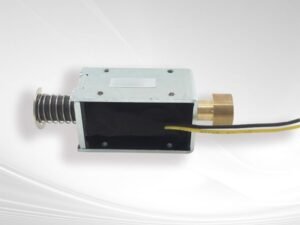
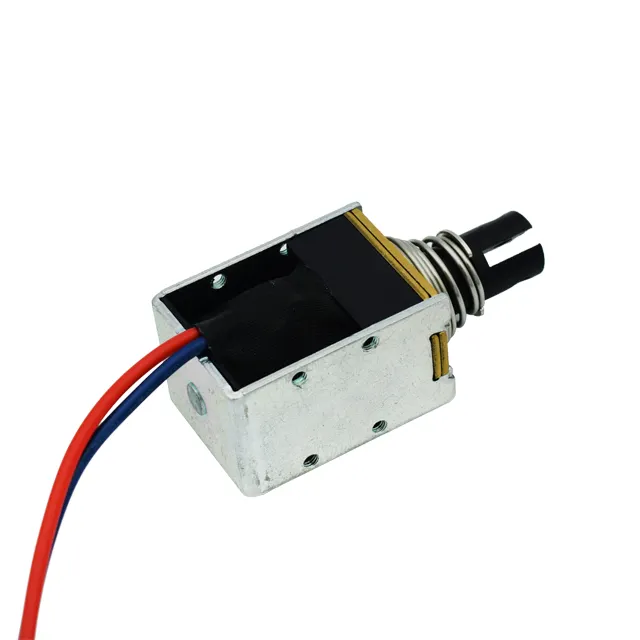
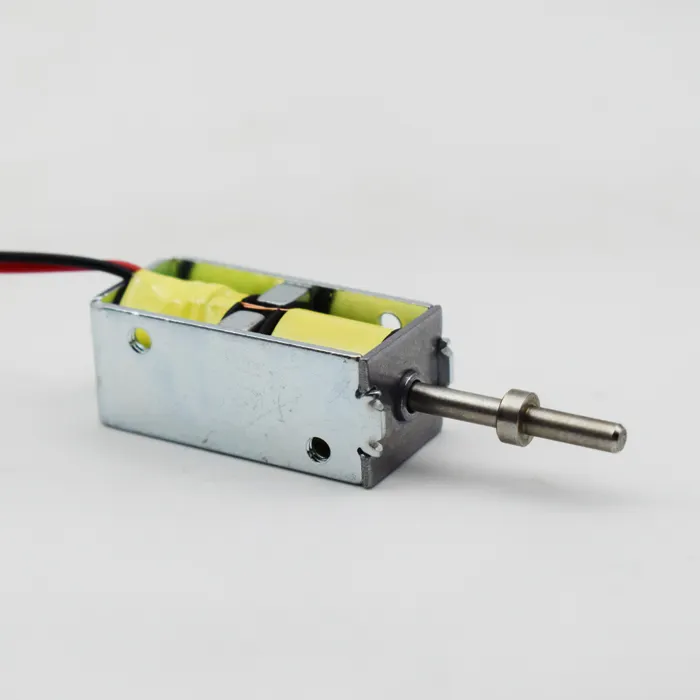
- Solenoids: Compact electromagnetic actuators used to control hydraulic valves, clutches, or brakes.
- Coils and Cores: Designed to withstand high temperatures, vibrations, and electromagnetic interference (EMI).
- Control Units: Integrated with sensors and algorithms to optimize electromagnetic responses in real time.
2. Electromagnets in Automatic Transmissions
2.1 The Evolution of Automatic Transmissions
Traditional automatic transmissions relied on hydraulic pressure and mechanical linkages for gear shifts. Modern systems, however, leverage electromagnetic solenoids to enable faster, smoother, and more efficient gear changes.
2.2 Role of Electromagnets in Transmission Control
- Shift Solenoids: Electromagnetic valves regulate hydraulic pressure to engage or disengage clutches and bands, facilitating gear shifts.
- Torque Converter Lockup Clutches: Electromagnets lock the torque converter to improve fuel efficiency at cruising speeds.
- Adaptive Control: Sensors monitor driving conditions (e.g., throttle position, vehicle speed) and adjust solenoid operation for optimal performance.
Case Study: A leading automaker reduced shift times by 30% and improved fuel economy by 8% by integrating high-response electromagnetic solenoids in its 10-speed automatic transmission.
2.3 Dual-Clutch Transmissions (DCTs)
In DCTs, electromagnets pre-select gears using two independent clutches. This eliminates torque interruption during shifts, delivering a sportier driving experience. Electromagnetic actuators ensure millisecond-level precision in clutch engagement.
2.4 Continuously Variable Transmissions (CVTs)
Electromagnetic systems adjust pulley widths in real time, optimizing the transmission ratio for engine efficiency. This technology is particularly effective in hybrid vehicles, where seamless power delivery is critical.
3. Electromagnets in Braking Systems
3.1 From Hydraulic to Electromechanical Braking
Traditional braking systems rely on hydraulic pressure generated by the driver’s pedal force. Modern systems, however, incorporate electromagnetic actuators to enhance safety, responsiveness, and energy recovery.
3.2 Electromagnetic Braking Technologies
- Anti-lock Braking Systems (ABS): Electromagnetic valves modulate brake pressure to prevent wheel lockup during emergency stops. By rapidly pulsating the brakes, ABS maintains traction and steering control.
- Electronic Stability Control (ESC): Electromagnets adjust braking force to individual wheels, counteracting skids or loss of control.
- Electric Parking Brakes (EPB): Replacing manual handbrakes, electromagnetic actuators engage and disengage rear brakes with a button press.
Case Study: A luxury car brand achieved a 20% reduction in stopping distance by using electromagnetic brake-by-wire technology, which eliminates hydraulic lag.
3.3 Regenerative Braking in Electric Vehicles (EVs)
In EVs, electromagnets are integral to regenerative braking systems. When the driver decelerates, the electric motor acts as a generator, converting kinetic energy into electrical energy. Electromagnetic controls manage the transition between regenerative and friction braking, maximizing energy recovery without compromising safety.
3.4 Fail-Safe Braking Systems
Electromagnetic systems include redundancy features, such as backup power supplies and self-diagnostic algorithms, to ensure braking functionality even during electrical failures.
4. Technical Challenges and Solutions of electromagnets
4.1 High-Temperature Environments
Challenge: Prolonged exposure to engine heat degrades coil insulation and magnetic performance.
Solution: High-temperature-resistant materials (e.g., Class H insulation, ceramic coatings) and active cooling systems.
4.2 Vibration and Mechanical Stress
Challenge: Automotive vibrations can loosen components or cause coil fatigue.
Solution: Ruggedized designs with shock-absorbing mounts and reinforced solder joints.
4.3 Electromagnetic Interference (EMI)
Challenge: EMI from motors or high-voltage systems disrupts solenoid operation.
Solution: Shielded cables, ferrite cores, and optimized grounding schemes.
4.4 Energy Efficiency
Challenge: Continuous power draw in solenoids increases battery load.
Solution: Latching electromagnets that maintain position without power and energy-recovery circuits.
- Valorado en 0 de 5


5. Innovations Driving electromagnets
5.1 Integrated Electromechanical Systems
Next-generation vehicles are moving toward fully electrified powertrains, where electromagnetic actuators control transmissions, brakes, and steering. This integration reduces weight, simplifies wiring, and enhances responsiveness.
5.2 AI-Optimized Control Algorithms
Machine learning algorithms analyze driving patterns, road conditions, and vehicle diagnostics to optimize electromagnetic responses. For example, AI can predict gear shifts in automatic transmissions or pre-load braking pressure in anticipation of a stop.
5.3 Smart Materials and Miniaturization
- Shape-Memory Alloys (SMAs): Combined with electromagnets, SMAs enable self-adjusting components that adapt to wear or temperature changes.
- Micro-Electromechanical Systems (MEMS): Miniaturized electromagnetic actuators for compact, high-precision braking modules.
5.4 Sustainability in Manufacturing
Recyclable materials and energy-efficient production processes reduce the environmental footprint of electromagnetic components. For instance, copper coils are being replaced with aluminum in some applications to lower costs and weight.
6. Selecting the Right Electromagnetic Solutions
6.1 Key Considerations for Automotive Applications
- Durabilidad: Resistance to heat, vibration, and corrosion.
- Response Time: Critical for ABS and transmission shift solenoids.
- Power Efficiency: Minimize energy draw to preserve battery life in EVs.
- Certifications: Compliance with automotive standards like ISO/TS 16949 and AEC-Q200.
6.2 Customization for OEM Needs
As a manufacturer, we offer tailored electromagnetic solutions, including:
- High-Speed Solenoids: For dual-clutch transmissions and performance vehicles.
- Waterproof Actuators: For off-road and electric parking brake systems.
- Low-EMI Designs: For hybrid and electric vehicles with sensitive electronics.
Electromagnets—The Driving Force of Automotive Innovation
Electroimanes have become the backbone of modern automatic transmissions and braking systems, enabling unprecedented levels of precision, safety, and efficiency. From the millisecond gear shifts in high-performance cars to the life-saving responsiveness of ABS, electromagnetic technology is at the heart of automotive advancement.
As the industry transitions toward electrification and autonomous driving, the role of electromagnets will only expand. Innovations in AI, materials science, and energy efficiency will further enhance their capabilities, making vehicles smarter, greener, and safer.
For automotive manufacturers and suppliers, partnering with an experienced electromagnet manufacturer is essential to staying ahead in this competitive landscape. By leveraging cutting-edge electromagnetic solutions, the automotive industry can continue to push the boundaries of what’s possible—one precise, reliable actuation at a time.
Acerca de la fábrica de electroimanes de San Francisco
Shengfeng Electromagnet Co., Ltd. se estableció en 2015 y está ubicada en el Parque Industrial de Xiansha con un hermoso paisaje y transporte conveniente. La empresa cubre un área de 16000 metros cuadrados y tiene modernas plantas de producción, equipos de producción avanzados y un equipo técnico de alta calidad. Desde su establecimiento, siempre nos hemos adherido a la filosofía corporativa de “innovación, calidad y servicio”, enfocándonos en la investigación y el desarrollo y la producción de electroimanes, promoviendo constantemente las mejoras de los productos y el progreso tecnológico, y ofreciendo a los clientes productos y servicios de la mejor calidad.
¿Por qué elegir un electroimán SF?
CALIDAD SUPERIOR:Como el mejor fabricante de electroimanes de solenoide en China, nuestro equipo de control de calidad garantiza que cada producto que usted reciba sea de la mejor calidad. Contamos con equipos profesionales para pruebas de calidad.
DISEÑO DE PRODUCTO:Nuestro departamento de muestras cuenta con un proceso integral para convertir los diseños en realidad. Asimismo, optimizamos el diseño de su producto gracias a nuestra amplia experiencia. Cuéntenos qué le parece.
PLAZO DE ENTREGA ESTABLE:Como el mejor fabricante y proveedor de electroimanes, contamos con una capacidad de producción suficiente; los grandes pedidos no nos superan, ya que podemos entregarlos a tiempo.
MEJOR PRECIO:Somos una fábrica de origen de electroimanes y el mejor fabricante de solenoides de China; por eso podemos ofrecer productos de alta calidad al mejor precio.
GESTIÓN PRECISA:Nada se puede lograr si no implementamos una gestión precisa. Somos una empresa que cuenta con un sistema de gestión integral.
SERVICIO 24/7:As the best solenoid manufacturer, 24-7 immediate response: We’ll receive your feedback to make us a better supplier. Contact Shany +86 18902611680
Preguntas frecuentes sobre electroimanes
Somos una empresa china de primera categoría. electroimán Somos fabricantes y nuestra fábrica está ubicada en Dongguan. ¡Le invitamos a visitar nuestra fábrica!
Nos especializamos en el diseño y producción de alta calidad. electroimán,válvula solenoide,como solenoide rotativo, solenoides biestables, solenoides de enclavamiento, solenoides de bastidor abierto, solenoides tubulares, solenoide autoajustable
Por supuesto, normalmente proporcionamos muestras gratuitas y usted solo debe cubrir el flete. Para muestras de electroimanes personalizadas, envíenos sus requisitos para que podamos calcular el costo de la muestra.
• La producción de muestras tarda aproximadamente 7 días.
Sí, ofrecemos servicios de diseño gratuitos, diseño estructural y diseño gráfico sencillo.
Claro. Podemos fabricar cualquier electroimán con su diseño. Ahora ofrecemos un servicio de solenoides ODM para pedidos pequeños, de 100 a 500 unidades, y puede incluir su propio logotipo.
Dependiendo de la cantidad del pedido y los detalles de producción, tardará entre 15 y 20 días aproximadamente.
Siempre una muestra de preproducción antes de la producción en masa; siempre una inspección final antes del envío.
• Potencia, uso, tamaño, material, cantidad, destino de envío, etc.
• También puede simplemente indicarnos sus necesidades y le recomendaremos productos.
• Por mar, por aire o por mensajería urgente.
• Si tiene su propio agente de transporte en China, el precio es el precio de fábrica o FOB.
•CFR o CIF, etc., si necesita que realicemos el envío en su nombre.
• También se pueden utilizar DDP y DDU.
• Cuantas más opciones tenga, más tendremos en cuenta sus preferencias.
• El precio se determina por la cantidad, el material, el método de procesamiento, el tamaño y otros factores. Además, debido a nuestra continua
Gracias a la innovación tecnológica, los precios de algunos de nuestros productos son extremadamente competitivos. Póngase en contacto con nosotros para solicitar un presupuesto.