









Cập nhật lần cuối vào ngày 04/09/2025 bởi Nhà máy Solenoid
The automotive industry is undergoing a technological renaissance, driven by the demand for smarter, safer, and more efficient vehicles. Among the unsung heroes of this transformation are nam châm điện—devices that convert electrical energy into mechanical force with unmatched precision. In automatic transmissions and braking systems, electromagnets play a pivotal role in enabling seamless gear shifts, adaptive torque distribution, and fail-safe braking performance.
As a professional electromagnet manufacturer, we delve into the science, applications, and innovations of electromagnets in these critical automotive systems. This blog explores how electromagnetic technology is redefining vehicle dynamics, safety, and sustainability.

1. electromagnets and Electromagnetic Control in Automotive Systems
1.1 How Electromagnets Work
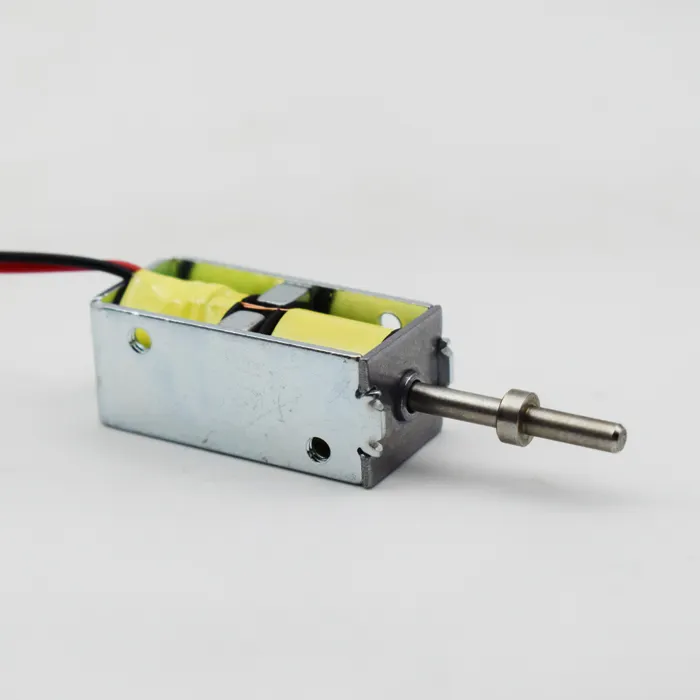
Nam châm điện generate a magnetic field when an electric current flows through a coil of wire. This field attracts or repels ferromagnetic components, such as iron or steel, creating mechanical motion. By modulating the current, engineers can precisely control the timing, force, and duration of this motion—a capability that is indispensable in modern automotive systems.
1.2 Key Components in Automotive Applications
- Solenoids: Compact electromagnetic actuators used to control hydraulic valves, clutches, or brakes.
- Coils and Cores: Designed to withstand high temperatures, vibrations, and electromagnetic interference (EMI).
- Control Units: Integrated with sensors and algorithms to optimize electromagnetic responses in real time.
2. Electromagnets in Automatic Transmissions
2.1 The Evolution of Automatic Transmissions
Traditional automatic transmissions relied on hydraulic pressure and mechanical linkages for gear shifts. Modern systems, however, leverage electromagnetic solenoids to enable faster, smoother, and more efficient gear changes.
2.2 Role of Electromagnets in Transmission Control
- Shift Solenoids: Electromagnetic valves regulate hydraulic pressure to engage or disengage clutches and bands, facilitating gear shifts.
- Torque Converter Lockup Clutches: Electromagnets lock the torque converter to improve fuel efficiency at cruising speeds.
- Adaptive Control: Sensors monitor driving conditions (e.g., throttle position, vehicle speed) and adjust solenoid operation for optimal performance.
Case Study: A leading automaker reduced shift times by 30% and improved fuel economy by 8% by integrating high-response electromagnetic solenoids in its 10-speed automatic transmission.
2.3 Dual-Clutch Transmissions (DCTs)
In DCTs, electromagnets pre-select gears using two independent clutches. This eliminates torque interruption during shifts, delivering a sportier driving experience. Electromagnetic actuators ensure millisecond-level precision in clutch engagement.
2.4 Continuously Variable Transmissions (CVTs)
Electromagnetic systems adjust pulley widths in real time, optimizing the transmission ratio for engine efficiency. This technology is particularly effective in hybrid vehicles, where seamless power delivery is critical.
3. Electromagnets in Braking Systems
3.1 From Hydraulic to Electromechanical Braking
Traditional braking systems rely on hydraulic pressure generated by the driver’s pedal force. Modern systems, however, incorporate electromagnetic actuators to enhance safety, responsiveness, and energy recovery.
3.2 Electromagnetic Braking Technologies
- Anti-lock Braking Systems (ABS): Electromagnetic valves modulate brake pressure to prevent wheel lockup during emergency stops. By rapidly pulsating the brakes, ABS maintains traction and steering control.
- Electronic Stability Control (ESC): Electromagnets adjust braking force to individual wheels, counteracting skids or loss of control.
- Electric Parking Brakes (EPB): Replacing manual handbrakes, electromagnetic actuators engage and disengage rear brakes with a button press.
Case Study: A luxury car brand achieved a 20% reduction in stopping distance by using electromagnetic brake-by-wire technology, which eliminates hydraulic lag.
3.3 Regenerative Braking in Electric Vehicles (EVs)
In EVs, electromagnets are integral to regenerative braking systems. When the driver decelerates, the electric motor acts as a generator, converting kinetic energy into electrical energy. Electromagnetic controls manage the transition between regenerative and friction braking, maximizing energy recovery without compromising safety.
3.4 Fail-Safe Braking Systems
Electromagnetic systems include redundancy features, such as backup power supplies and self-diagnostic algorithms, to ensure braking functionality even during electrical failures.
4. Technical Challenges and Solutions of electromagnets
4.1 High-Temperature Environments
Challenge: Prolonged exposure to engine heat degrades coil insulation and magnetic performance.
Solution: High-temperature-resistant materials (e.g., Class H insulation, ceramic coatings) and active cooling systems.
4.2 Vibration and Mechanical Stress
Challenge: Automotive vibrations can loosen components or cause coil fatigue.
Solution: Ruggedized designs with shock-absorbing mounts and reinforced solder joints.
4.3 Electromagnetic Interference (EMI)
Challenge: EMI from motors or high-voltage systems disrupts solenoid operation.
Solution: Shielded cables, ferrite cores, and optimized grounding schemes.
4.4 Energy Efficiency
Challenge: Continuous power draw in solenoids increases battery load.
Solution: Latching electromagnets that maintain position without power and energy-recovery circuits.
- Được xếp hạng 0 5 sao
- Được xếp hạng 0 5 sao
- Được xếp hạng 0 5 sao
- Được xếp hạng 0 5 sao


5. Innovations Driving electromagnets
5.1 Integrated Electromechanical Systems
Next-generation vehicles are moving toward fully electrified powertrains, where electromagnetic actuators control transmissions, brakes, and steering. This integration reduces weight, simplifies wiring, and enhances responsiveness.
5.2 AI-Optimized Control Algorithms
Machine learning algorithms analyze driving patterns, road conditions, and vehicle diagnostics to optimize electromagnetic responses. For example, AI can predict gear shifts in automatic transmissions or pre-load braking pressure in anticipation of a stop.
5.3 Smart Materials and Miniaturization
- Shape-Memory Alloys (SMAs): Combined with electromagnets, SMAs enable self-adjusting components that adapt to wear or temperature changes.
- Micro-Electromechanical Systems (MEMS): Miniaturized electromagnetic actuators for compact, high-precision braking modules.
5.4 Sustainability in Manufacturing
Recyclable materials and energy-efficient production processes reduce the environmental footprint of electromagnetic components. For instance, copper coils are being replaced with aluminum in some applications to lower costs and weight.
6. Selecting the Right Electromagnetic Solutions
6.1 Key Considerations for Automotive Applications
- Durability: Resistance to heat, vibration, and corrosion.
- Response Time: Critical for ABS and transmission shift solenoids.
- Power Efficiency: Minimize energy draw to preserve battery life in EVs.
- Certifications: Compliance with automotive standards like ISO/TS 16949 and AEC-Q200.
6.2 Customization for OEM Needs
As a manufacturer, we offer tailored electromagnetic solutions, including:
- High-Speed Solenoids: For dual-clutch transmissions and performance vehicles.
- Waterproof Actuators: For off-road and electric parking brake systems.
- Low-EMI Designs: For hybrid and electric vehicles with sensitive electronics.
Electromagnets—The Driving Force of Automotive Innovation
Nam châm điện have become the backbone of modern automatic transmissions and braking systems, enabling unprecedented levels of precision, safety, and efficiency. From the millisecond gear shifts in high-performance cars to the life-saving responsiveness of ABS, electromagnetic technology is at the heart of automotive advancement.
As the industry transitions toward electrification and autonomous driving, the role of electromagnets will only expand. Innovations in AI, materials science, and energy efficiency will further enhance their capabilities, making vehicles smarter, greener, and safer.
For automotive manufacturers and suppliers, partnering with an experienced electromagnet manufacturer is essential to staying ahead in this competitive landscape. By leveraging cutting-edge electromagnetic solutions, the automotive industry can continue to push the boundaries of what’s possible—one precise, reliable actuation at a time.
Giới thiệu về nhà máy sản xuất nam châm điện SF
Công ty TNHH Nam châm điện Shengfeng được thành lập năm 2015, tọa lạc tại Khu công nghiệp Tây Sa với cảnh quan đẹp và giao thông thuận tiện. Công ty có diện tích 16.000 mét vuông, sở hữu nhà máy sản xuất hiện đại, thiết bị sản xuất tiên tiến và đội ngũ kỹ thuật chất lượng cao. Từ khi thành lập, chúng tôi luôn tuân thủ triết lý doanh nghiệp “đổi mới, chất lượng và dịch vụ”, tập trung vào nghiên cứu và phát triển cũng như sản xuất các sản phẩm chất lượng cao. nam châm điện, Không ngừng thúc đẩy việc nâng cấp sản phẩm và tiến bộ công nghệ, đồng thời cung cấp cho khách hàng những sản phẩm và dịch vụ chất lượng tốt nhất.
Tại sao nên chọn nam châm điện SF?
CHẤT LƯỢNG CAO CẤP:Là nhà sản xuất nam châm điện solenoid hàng đầu tại Trung Quốc, đội ngũ kiểm soát chất lượng (QC) của chúng tôi cam kết đảm bảo mọi sản phẩm bạn nhận được đều đạt chất lượng tốt nhất. Chúng tôi sở hữu các thiết bị kiểm tra chất lượng chuyên dụng.
THIẾT KẾ SẢN PHẨM:Bộ phận làm mẫu của chúng tôi sở hữu quy trình hoàn chỉnh để hiện thực hóa các bản vẽ. Chúng tôi cũng sẽ cải tiến thiết kế sản phẩm của bạn dựa trên kinh nghiệm làm việc lâu năm. Hãy chia sẻ ý kiến của bạn với chúng tôi.
THỜI GIAN GIAO HÀNG ỔN ĐỊNH:Là nhà sản xuất và cung cấp nam châm điện hàng đầu, chúng tôi sở hữu năng lực sản xuất mạnh mẽ; ngay cả với những đơn hàng lớn, chúng tôi vẫn đảm bảo giao hàng đúng tiến độ cho quý khách.
GIÁ TỐT NHẤT:Chúng tôi là nhà máy sản xuất trực tiếp nam châm điện và là nhà sản xuất solenoid hàng đầu tại Trung Quốc; chính vì vậy, chúng tôi có thể cung cấp các sản phẩm chất lượng cao với mức giá tốt nhất.
QUẢN LÝ CHÍNH XÁC:Chúng ta sẽ không thể đạt được kết quả gì nếu không thực hiện công tác quản lý chặt chẽ. Chúng tôi là công ty sở hữu hệ thống quản lý toàn diện.
PHỤC VỤ 24/7:As the best solenoid manufacturer, 24-7 immediate response: We’ll receive your feedback to make us a better supplier. Contact Shany +86 18902611680
Câu hỏi thường gặp về nam châm điện
Chúng tôi là một công ty hàng đầu của Trung Quốc. nam châm điện Nhà sản xuất của chúng tôi đặt tại Đông Quan. Rất hân hạnh được đón tiếp quý khách đến thăm nhà máy!
Chúng tôi chuyên thiết kế và sản xuất các sản phẩm chất lượng cao. nam châm điện,van điện từ,chẳng hạn như nam châm điện quay, nam châm điện lưỡng ổn định, nam châm điện chốt, van điện từ khung hở, nam châm điện hình ống, van điện từ tự giữ
•Tất nhiên, thông thường chúng tôi sẽ cung cấp mẫu miễn phí, và bạn chỉ cần thanh toán phí vận chuyển. Đối với các mẫu nam châm điện tùy chỉnh, vui lòng gửi yêu cầu của bạn cho chúng tôi để kiểm tra chi phí mẫu.
• Quá trình sản xuất mẫu mất khoảng 7 ngày.
Vâng, chúng tôi cung cấp dịch vụ thiết kế miễn phí, thiết kế kết cấu và thiết kế đồ họa đơn giản.
Chắc chắn rồi. Chúng tôi có thể sản xuất bất kỳ loại nam châm điện nào theo thiết kế của bạn. Hiện tại, chúng tôi đang mở dịch vụ ODM cho nam châm điện từ số lượng nhỏ từ 100 đến 500 chiếc, nhưng bạn vẫn có thể sử dụng logo riêng của mình.
Tùy thuộc vào số lượng đặt hàng và chi tiết sản xuất, thời gian giao hàng sẽ vào khoảng 15 đến 20 ngày.
Luôn có mẫu thử trước khi sản xuất hàng loạt; Luôn kiểm tra cuối cùng trước khi giao hàng.
• Công suất, mục đích sử dụng, kích thước, chất liệu, số lượng, địa điểm giao hàng, v.v.
• Bạn cũng có thể cho chúng tôi biết yêu cầu của bạn và chúng tôi sẽ đề xuất sản phẩm phù hợp.
• Bằng đường biển, đường hàng không hoặc chuyển phát nhanh.
• Nếu bạn có đại lý giao nhận vận tải riêng tại Trung Quốc, đó là giá xuất xưởng hoặc giá FOB.
•CFR hoặc CIF, v.v., nếu bạn cần chúng tôi vận chuyển thay mặt bạn.
• DDP và DDU cũng có thể được sử dụng.
• Chúng tôi sẽ xem xét các lựa chọn của bạn nếu bạn có thêm nhiều sự lựa chọn khác.
• Giá cả được xác định bởi số lượng, chất liệu, phương pháp gia công, kích thước và các yếu tố khác. Ngoài ra, do sự phát triển liên tục của chúng tôi, giá cả được nâng cao.
Nhờ đổi mới công nghệ, giá cả một số sản phẩm của chúng tôi cực kỳ cạnh tranh, vui lòng liên hệ với chúng tôi để được báo giá.