









Zuletzt aktualisiert am 04.09.2025 von Magnetspulenfabrik
The automotive industry has undergone a paradigm shift over the past few decades, driven by stringent emission regulations, demand for fuel efficiency, and the pursuit of superior engine performance. At the core of this transformation lies the fuel injection system—a critical component responsible for delivering the precise amount of fuel into an engine’s combustion chamber. While mechanical and hydraulic systems dominated early designs, Elektromagnete have become indispensable in modern fuel injection technologies. Their ability to enable ultra-precise, rapid, and adaptive control has revolutionized engine performance, emissions, and reliability.
As a leading electromagnet manufacturer, we explore the pivotal role of electromagnets in fuel injection systems, their technical underpinnings, and how they are shaping the future of automotive engineering.
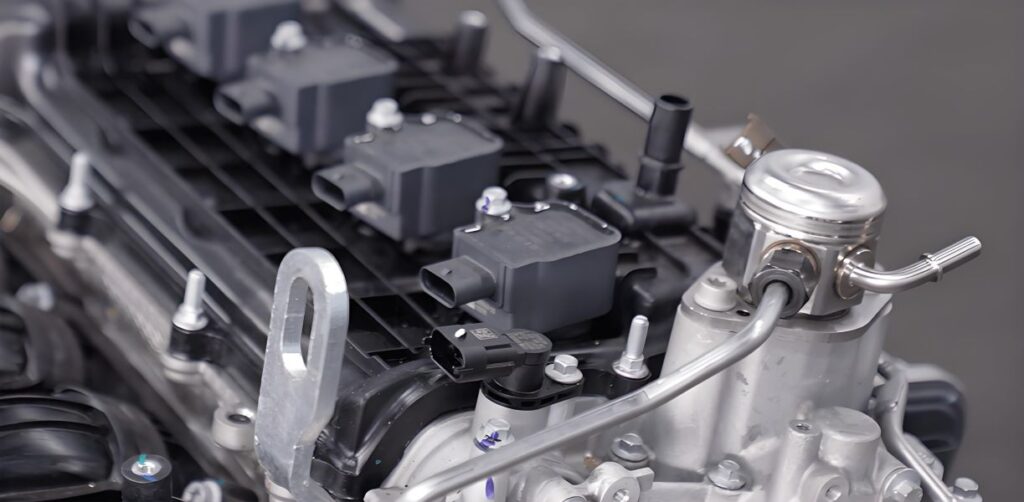
1. electromagnet and Electromagnetic Fuel Injection
1.1 How Electromagnets Power Fuel Injectors
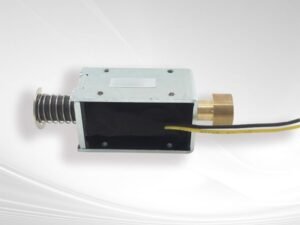
Elektromagnete are the driving force behind electronically controlled fuel injectors. When an electric current flows through a coil wrapped around a ferromagnetic core, it generates a magnetic field. This field pulls a plunger or armature, which opens the injector nozzle to spray fuel into the combustion chamber. De-energizing the coil collapses the magnetic field, allowing a spring or hydraulic pressure to close the nozzle. This process occurs in milliseconds, enabling precise control over fuel delivery timing, duration, and quantity.
1.2 Key Components of an Electromagnetic Fuel Injector
- Coil: The electromagnet’s core, typically made of copper wire, generates the magnetic force.
- Armature/Plunger: Moves under magnetic force to open the injector.
- Nozzle: Atomizes fuel into a fine spray for efficient combustion.
- Spring: Returns the plunger to its closed position when de-energized.
- Control Unit: Sends electrical pulses to the coil to regulate injection timing and duration.
1.3 Types of Electromagnetic Fuel Injection Systems
- Gasoline Direct Injection (GDI): High-pressure injectors spray fuel directly into the combustion chamber.
- Common Rail Diesel Injection: Uses electromagnets to control high-pressure fuel delivery in diesel engines.
- Port Fuel Injection (PFI): Injects fuel into the intake port, controlled by electromagnetic valves.
2. Advantages of Electromagnetic Fuel Injection
2.1 Unmatched Precision in Fuel Delivery
Electromagnetic injectors can adjust fuel delivery in real time, with injection durations as short as 1 millisecond. This precision ensures optimal air-fuel ratios under varying engine loads, improving combustion efficiency and reducing emissions.
2.2 Faster Response Times
Elektromagnete activate and deactivate in milliseconds, enabling multiple injection events per combustion cycle (e.g., pilot, main, and post injections in diesel engines). This reduces noise, improves cold starts, and minimizes unburned hydrocarbons.
2.3 Adaptability to Engine Conditions
Modern engine control units (ECUs) use data from sensors (e.g., oxygen, throttle position, crankshaft speed) to dynamically adjust injector timing. Electromagnets enable this flexibility, ensuring optimal performance across RPM ranges, temperatures, and driving conditions.
2.4 Reduced Emissions and Improved Fuel Economy
Precise fuel metering minimizes over-fueling, a key contributor to CO2 and particulate emissions. For example, GDI systems reduce fuel consumption by up to 15% compared to traditional carburetors.
2.5 Durability in Harsh Environments
Electromagnetic injectors withstand extreme temperatures, vibrations, and fuel pressures (up to 3,000 bar in diesel systems). Advanced materials like stainless steel, nickel alloys, and high-temperature resins ensure long-term reliability.
3. electromagnets Applications in Modern Engines
3.1 Gasoline Direct Injection (GDI)
GDI systems use Elektromagnete to deliver fuel directly into the combustion chamber at high pressures. This technology enhances power output, reduces knock propensity, and improves thermal efficiency.
Case Study: A leading automotive brand achieved a 10% increase in torque and a 7% reduction in fuel consumption by adopting electromagnetic GDI injectors in its turbocharged engines.
3.2 Common Rail Diesel Injection
In diesel engines, common rail systems rely on electromagnets to control injectors fed by a high-pressure fuel reservoir. This allows for multiple injections per cycle, reducing NOx and particulate emissions while enhancing power delivery.
Example: Heavy-duty trucks using electromagnetic common rail systems meet Euro 6 and EPA Tier 4 emission standards without compromising performance.
3.3 Hybrid and Plug-in Hybrid Vehicles
Electromagnetic injectors play a dual role in hybrid engines: optimizing combustion during ICE operation and enabling seamless transitions between electric and combustion modes.
3.4 High-Performance and Racing Engines
In motorsports, electromagnetic injectors provide the rapid response and precise control needed for engines operating at 10,000+ RPM. Tuners adjust injection maps to maximize power output under race conditions.
- Bewertet mit 0 von 5
- Bewertet mit 0 von 5
- Bewertet mit 0 von 5
- Bewertet mit 0 von 5

4. Technical Challenges and Solutions of electromagnets
4.1 High-Pressure Tolerance
Challenge: Diesel common rail systems operate at pressures exceeding 2,500 bar, risking injector wear or leakage.
Solution: Use hardened materials (e.g., tungsten carbide nozzles) and precision machining to maintain seal integrity.
4.2 Temperature Extremes
Challenge: Prolonged exposure to combustion heat degrades coil insulation and magnetic properties.
Solution: High-temperature epoxy coatings and advanced cooling designs (e.g., fuel-cooled injectors) protect critical components.
4.3 Wear and Clogging
Challenge: Fuel contaminants or deposits can clog injector nozzles, disrupting spray patterns.
Solution: Incorporate self-cleaning cycles, ultra-fine fuel filters, and detergent additives in fuels.
4.4 Electromagnetic Interference (EMI)
Challenge: High-frequency operation generates EMI, disrupting onboard electronics.
Solution: Shield coils with ferrite cores and optimize ECU grounding and shielding.
5. electromagnets Innovations Driving the Future
5.1 Piezoelectric vs. Electromagnetic Injectors
While piezoelectric injectors offer faster response times, electromagnets remain dominant due to their cost-effectiveness and durability. Hybrid designs combine piezoelectric crystals with electromagnetic actuators for enhanced performance.
5.2 AI-Optimized Injection Strategies
Machine learning algorithms analyze real-time engine data to predict optimal injection timings, adapting to driving styles, fuel quality, and environmental conditions.
Example: An AI-driven ECU reduces fuel consumption by 5% in urban driving by optimizing injection pulses during stop-and-go traffic.
5.3 Hydrogen Fuel Injection
As the automotive industry shifts toward hydrogen combustion engines, electromagnets are being adapted to handle hydrogen’s low viscosity and high diffusivity. Specialized injectors prevent leakage and ensure precise metering of hydrogen fuel.
5.4 Additive Manufacturing
3D-printed injectors with complex internal geometries improve fuel atomization and reduce weight. Electromagnetic coils are integrated into these designs using conductive printing materials.
5.5 Smart Diagnostics and Predictive Maintenance
Embedded sensors monitor injector health, detecting issues like coil degradation or nozzle clogging. Data is relayed to drivers or service centers for proactive maintenance.
6. Choosing the Right Electromagnetic Fuel Injector
6.1 Wichtigste Auswahlkriterien
- Fuel Type: Gasoline, diesel, hydrogen, or alternative fuels.
- Pressure Rating: Match injector capability to engine requirements.
- Response Time: Critical for high-RPM or hybrid applications.
- Environmental Compliance: Ensure adherence to emission standards (e.g., Euro 7, CARB).
6.2 Customization for Engine Demands
As a manufacturer, we offer tailored solutions, including:
- High-Frequency Injectors: For racing or hybrid engines requiring ultra-fast cycling.
- Low-Heat Designs: For turbocharged engines with elevated under-hood temperatures.
- Corrosion-Resistant Coatings: For compatibility with ethanol-blended or hydrogen fuels.
Electromagnets—Powering the Future of Fuel Injection
Electromagnetic fuel injection systems represent the pinnacle of precision engineering, enabling automakers to meet the dual challenges of emission reduction and performance enhancement. From daily commuters to high-octane racing engines, electromagnets ensure that every drop of fuel is utilized efficiently, cleanly, and powerfully.
As the automotive industry pivots toward electrification and alternative fuels, Elektromagnete will continue to play a vital role in hybrid systems and hydrogen combustion engines. For manufacturers seeking to innovate, partnering with an experienced electromagnet provider is key to unlocking next-generation fuel injection technologies.
By embracing advancements in materials, AI, and additive manufacturing, the future of electromagnetic fuel injection promises even greater efficiency, sustainability, and adaptability—driving us toward a cleaner, high-performance automotive era.
Über die SF-Elektromagnetfabrik
Shengfeng Electromagnet Co., Ltd. wurde 2015 gegründet und befindet sich im Industriepark Xiansha, der durch seine landschaftliche Schönheit und die hervorragende Verkehrsanbindung besticht. Das Unternehmen erstreckt sich über eine Fläche von 16.000 Quadratmetern und verfügt über moderne Produktionsanlagen, fortschrittliche Fertigungstechnik und ein hochqualifiziertes technisches Team. Seit unserer Gründung verfolgen wir konsequent die Unternehmensphilosophie “Innovation, Qualität und Service” und konzentrieren uns auf Forschung, Entwicklung und Produktion. Elektromagnete, Wir fördern ständig Produktverbesserungen und technologischen Fortschritt und bieten unseren Kunden Produkte und Dienstleistungen von höchster Qualität.
Warum sollte man sich für einen SF-Elektromagneten entscheiden?
HOHE QUALITÄT:Als führender Hersteller von Elektromagneten in China stellt unser Qualitätssicherungsteam sicher, dass jedes einzelne Produkt, das Sie erhalten, von höchster Qualität ist. Wir verfügen über professionelle Prüfgeräte für die Qualitätskontrolle.
PRODUKTDESIGN:Unsere Musterabteilung deckt den gesamten Prozess von der Zeichnung bis zur Realisierung ab. Zudem optimieren wir Ihr Produktdesign auf der Grundlage unserer langjährigen Erfahrung. Teilen Sie uns Ihre Meinung mit.
STABILE LIEFERZEIT:Als führender Hersteller und Lieferant von Elektromagneten verfügen wir über ausreichende Fertigungskapazitäten; auch Großaufträge stellen für uns kein Problem dar – wir liefern Ihre Bestellung pünktlich.
BESTER PREIS:Wir sind ein direkt produzierendes Werk für Elektromagnete und der führende Hersteller von Solenoiden in China; deshalb können wir hochwertige Produkte zu besten Preisen anbieten.
PRÄZISES MANAGEMENT:Ohne eine präzise Steuerung lässt sich nichts erreichen. Wir sind ein Unternehmen mit einem umfassenden Managementsystem.
24-Stunden-Service:As the best solenoid manufacturer, 24-7 immediate response: We’ll receive your feedback to make us a better supplier. Contact us +86 189 0261 1680
Häufig gestellte Fragen zu Elektromagneten
Wir sind ein chinesisches Top-Unternehmen Elektromagnet Der Hersteller und unser Werk befinden sich in Dongguan. Besuchen Sie uns gerne!
Wir sind spezialisiert auf die Entwicklung und Produktion von hochwertigen Produkten. Elektromagnet,Magnetventil,wie zum Beispiel Drehmagnet, bistabile Magnetspulen, Verriegelungsmagnete, offene Rahmenmagnete, Rohrmagnete, selbsthaltender Magnet
• Selbstverständlich stellen wir Ihnen in der Regel kostenlose Muster zur Verfügung; Sie müssen lediglich die Versandkosten übernehmen. Für kundenspezifische Elektromagnetmuster senden Sie uns bitte Ihre Anforderungen, damit wir die Musterkosten prüfen können.
• Die Anfertigung von Mustern dauert etwa 7 Tage.
Ja, wir bieten kostenlose Designleistungen, Strukturplanung und einfache Grafikgestaltung an.
Selbstverständlich. Wir können jeden Elektromagneten nach Ihren Vorgaben fertigen. Neu im Angebot ist die ODM-Solenoidproduktion für Kleinserien von 100 bis 500 Stück. Auch hier können Sie Ihr eigenes Logo verwenden.
Je nach Bestellmenge und Produktionsdetails dauert es etwa 15 bis 20 Tage.
Vor der Serienproduktion wird stets ein Vorserienmuster gefertigt; vor dem Versand erfolgt stets eine Endkontrolle.
• Leistung, Verwendungszweck, Größe, Material, Menge, Lieferort usw.
• Sie können uns auch einfach Ihre Anforderungen mitteilen, und wir werden Ihnen Produkte empfehlen.
• Auf dem Seeweg, auf dem Luftweg oder per Express.
• Wenn Sie einen eigenen Spediteur in China haben, gilt der Preis ab Werk (FOB).
•CFR oder CIF usw., falls Sie den Versand durch uns in Ihrem Namen wünschen.
• DDP und DDU können ebenfalls verwendet werden.
• Mehr Auswahlmöglichkeiten, wir werden Ihre Wünsche berücksichtigen.
Der Preis richtet sich nach Menge, Material, Verarbeitungsmethode, Größe und weiteren Faktoren. Darüber hinaus trägt unsere kontinuierliche
Aufgrund technologischer Innovationen sind die Preise einiger unserer Produkte äußerst wettbewerbsfähig. Bitte kontaktieren Sie uns für ein Angebot.