









Son güncelleme tarihi: 2025-09-04. SolenoidFactory
The automotive industry has undergone a paradigm shift over the past few decades, driven by stringent emission regulations, demand for fuel efficiency, and the pursuit of superior engine performance. At the core of this transformation lies the fuel injection system—a critical component responsible for delivering the precise amount of fuel into an engine’s combustion chamber. While mechanical and hydraulic systems dominated early designs, elektromıknatıslar have become indispensable in modern fuel injection technologies. Their ability to enable ultra-precise, rapid, and adaptive control has revolutionized engine performance, emissions, and reliability.
As a leading electromagnet manufacturer, we explore the pivotal role of electromagnets in fuel injection systems, their technical underpinnings, and how they are shaping the future of automotive engineering.
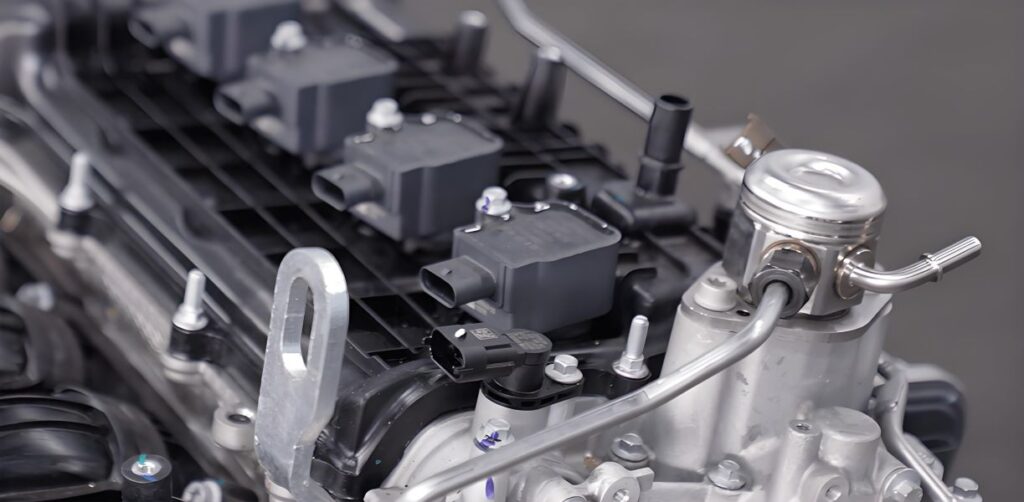
1. electromagnet and Electromagnetic Fuel Injection
1.1 How Electromagnets Power Fuel Injectors
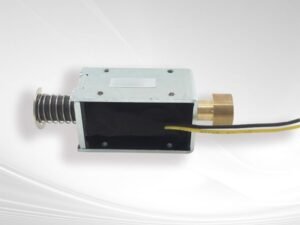
Elektromıknatıslar are the driving force behind electronically controlled fuel injectors. When an electric current flows through a coil wrapped around a ferromagnetic core, it generates a magnetic field. This field pulls a plunger or armature, which opens the injector nozzle to spray fuel into the combustion chamber. De-energizing the coil collapses the magnetic field, allowing a spring or hydraulic pressure to close the nozzle. This process occurs in milliseconds, enabling precise control over fuel delivery timing, duration, and quantity.
1.2 Key Components of an Electromagnetic Fuel Injector
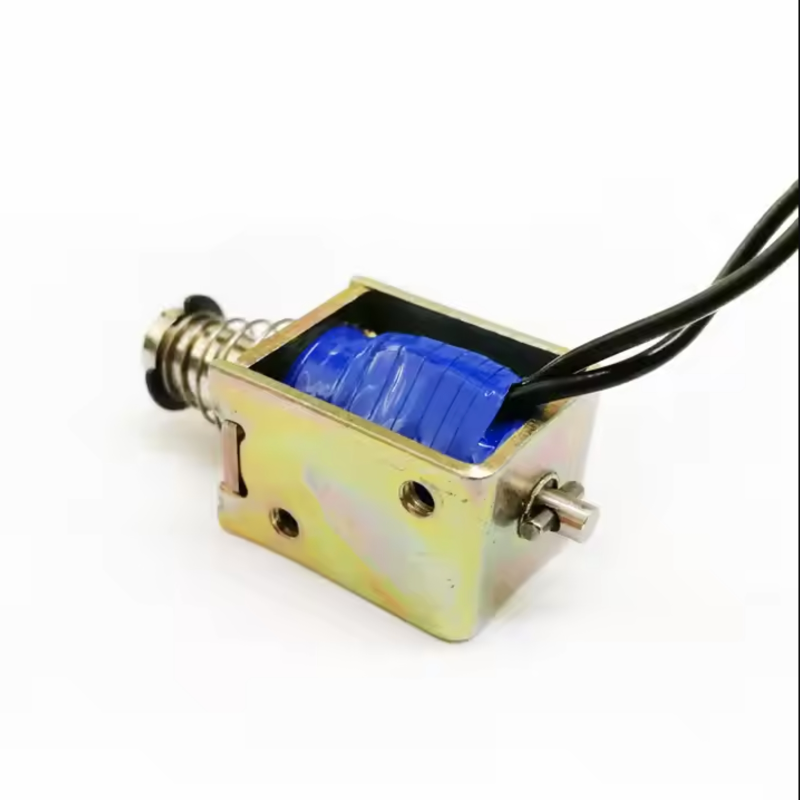
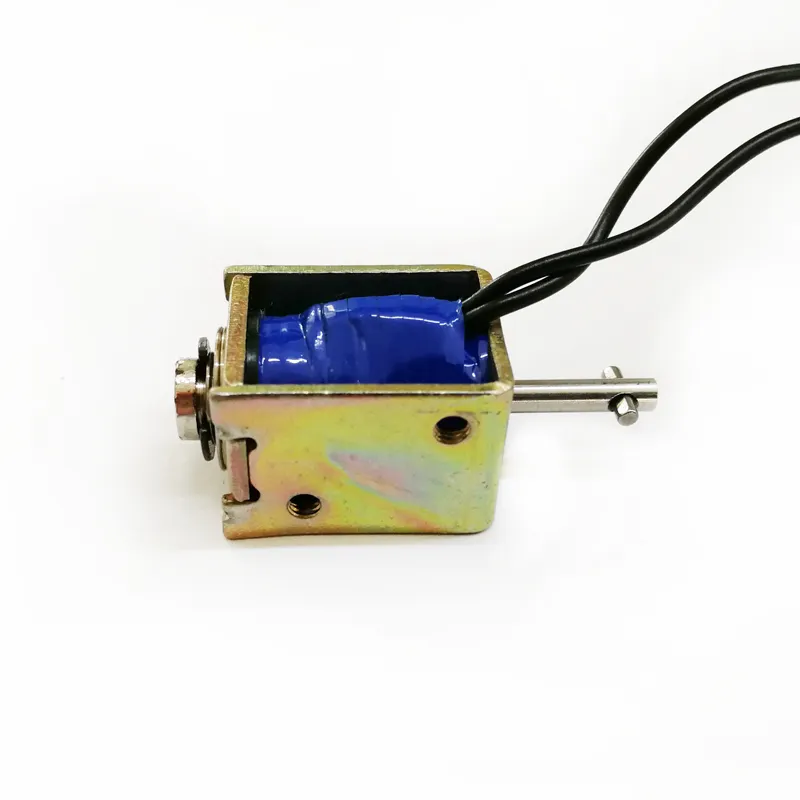
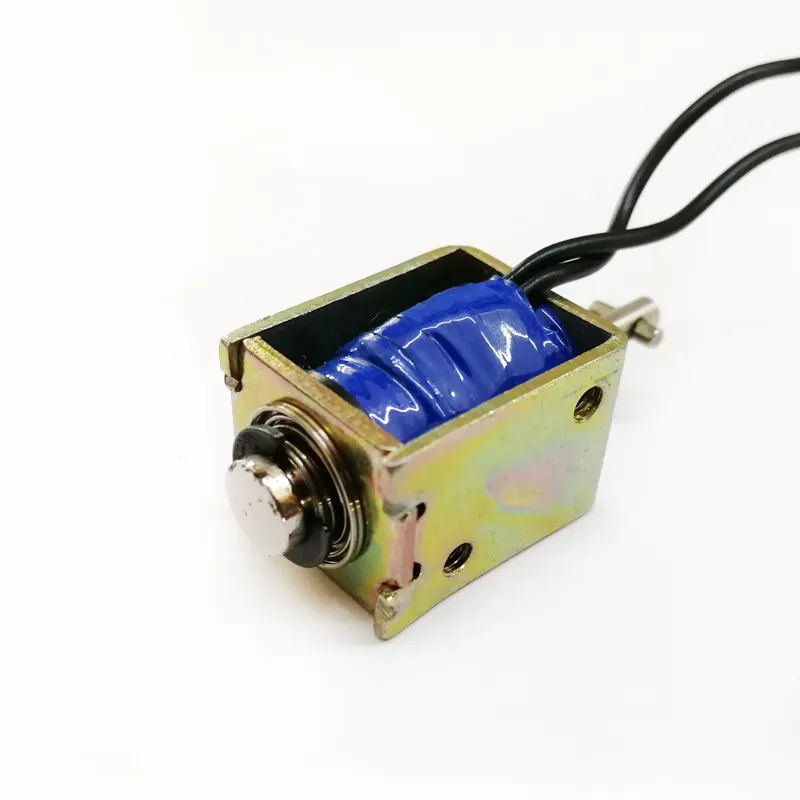
- Coil: The electromagnet’s core, typically made of copper wire, generates the magnetic force.
- Armature/Plunger: Moves under magnetic force to open the injector.
- Nozzle: Atomizes fuel into a fine spray for efficient combustion.
- Spring: Returns the plunger to its closed position when de-energized.
- Control Unit: Sends electrical pulses to the coil to regulate injection timing and duration.
1.3 Types of Electromagnetic Fuel Injection Systems
- Gasoline Direct Injection (GDI): High-pressure injectors spray fuel directly into the combustion chamber.
- Common Rail Diesel Injection: Uses electromagnets to control high-pressure fuel delivery in diesel engines.
- Port Fuel Injection (PFI): Injects fuel into the intake port, controlled by electromagnetic valves.
2. Advantages of Electromagnetic Fuel Injection
2.1 Unmatched Precision in Fuel Delivery
Electromagnetic injectors can adjust fuel delivery in real time, with injection durations as short as 1 millisecond. This precision ensures optimal air-fuel ratios under varying engine loads, improving combustion efficiency and reducing emissions.
2.2 Faster Response Times
Elektromıknatıslar activate and deactivate in milliseconds, enabling multiple injection events per combustion cycle (e.g., pilot, main, and post injections in diesel engines). This reduces noise, improves cold starts, and minimizes unburned hydrocarbons.
2.3 Adaptability to Engine Conditions
Modern engine control units (ECUs) use data from sensors (e.g., oxygen, throttle position, crankshaft speed) to dynamically adjust injector timing. Electromagnets enable this flexibility, ensuring optimal performance across RPM ranges, temperatures, and driving conditions.
2.4 Reduced Emissions and Improved Fuel Economy
Precise fuel metering minimizes over-fueling, a key contributor to CO2 and particulate emissions. For example, GDI systems reduce fuel consumption by up to 15% compared to traditional carburetors.
2.5 Durability in Harsh Environments
Electromagnetic injectors withstand extreme temperatures, vibrations, and fuel pressures (up to 3,000 bar in diesel systems). Advanced materials like stainless steel, nickel alloys, and high-temperature resins ensure long-term reliability.
3. electromagnets Applications in Modern Engines
3.1 Gasoline Direct Injection (GDI)
GDI systems use elektromıknatıslar to deliver fuel directly into the combustion chamber at high pressures. This technology enhances power output, reduces knock propensity, and improves thermal efficiency.
Case Study: A leading automotive brand achieved a 10% increase in torque and a 7% reduction in fuel consumption by adopting electromagnetic GDI injectors in its turbocharged engines.
3.2 Common Rail Diesel Injection
In diesel engines, common rail systems rely on electromagnets to control injectors fed by a high-pressure fuel reservoir. This allows for multiple injections per cycle, reducing NOx and particulate emissions while enhancing power delivery.
Example: Heavy-duty trucks using electromagnetic common rail systems meet Euro 6 and EPA Tier 4 emission standards without compromising performance.
3.3 Hybrid and Plug-in Hybrid Vehicles
Electromagnetic injectors play a dual role in hybrid engines: optimizing combustion during ICE operation and enabling seamless transitions between electric and combustion modes.
3.4 High-Performance and Racing Engines
In motorsports, electromagnetic injectors provide the rapid response and precise control needed for engines operating at 10,000+ RPM. Tuners adjust injection maps to maximize power output under race conditions.
- 5 üzerinden 0 oy aldı
- 5 üzerinden 0 oy aldı
- 5 üzerinden 0 oy aldı
- 5 üzerinden 0 oy aldı

4. Technical Challenges and Solutions of electromagnets
4.1 High-Pressure Tolerance
Challenge: Diesel common rail systems operate at pressures exceeding 2,500 bar, risking injector wear or leakage.
Solution: Use hardened materials (e.g., tungsten carbide nozzles) and precision machining to maintain seal integrity.
4.2 Temperature Extremes
Challenge: Prolonged exposure to combustion heat degrades coil insulation and magnetic properties.
Solution: High-temperature epoxy coatings and advanced cooling designs (e.g., fuel-cooled injectors) protect critical components.
4.3 Wear and Clogging
Challenge: Fuel contaminants or deposits can clog injector nozzles, disrupting spray patterns.
Solution: Incorporate self-cleaning cycles, ultra-fine fuel filters, and detergent additives in fuels.
4.4 Electromagnetic Interference (EMI)
Challenge: High-frequency operation generates EMI, disrupting onboard electronics.
Solution: Shield coils with ferrite cores and optimize ECU grounding and shielding.
5. electromagnets Innovations Driving the Future
5.1 Piezoelectric vs. Electromagnetic Injectors
While piezoelectric injectors offer faster response times, electromagnets remain dominant due to their cost-effectiveness and durability. Hybrid designs combine piezoelectric crystals with electromagnetic actuators for enhanced performance.
5.2 AI-Optimized Injection Strategies
Machine learning algorithms analyze real-time engine data to predict optimal injection timings, adapting to driving styles, fuel quality, and environmental conditions.
Example: An AI-driven ECU reduces fuel consumption by 5% in urban driving by optimizing injection pulses during stop-and-go traffic.
5.3 Hydrogen Fuel Injection
As the automotive industry shifts toward hydrogen combustion engines, electromagnets are being adapted to handle hydrogen’s low viscosity and high diffusivity. Specialized injectors prevent leakage and ensure precise metering of hydrogen fuel.
5.4 Additive Manufacturing
3D-printed injectors with complex internal geometries improve fuel atomization and reduce weight. Electromagnetic coils are integrated into these designs using conductive printing materials.
5.5 Smart Diagnostics and Predictive Maintenance
Embedded sensors monitor injector health, detecting issues like coil degradation or nozzle clogging. Data is relayed to drivers or service centers for proactive maintenance.
6. Choosing the Right Electromagnetic Fuel Injector
6.1 Key Selection Criteria
- Fuel Type: Gasoline, diesel, hydrogen, or alternative fuels.
- Pressure Rating: Match injector capability to engine requirements.
- Response Time: Critical for high-RPM or hybrid applications.
- Environmental Compliance: Ensure adherence to emission standards (e.g., Euro 7, CARB).
6.2 Customization for Engine Demands
As a manufacturer, we offer tailored solutions, including:
- High-Frequency Injectors: For racing or hybrid engines requiring ultra-fast cycling.
- Low-Heat Designs: For turbocharged engines with elevated under-hood temperatures.
- Corrosion-Resistant Coatings: For compatibility with ethanol-blended or hydrogen fuels.
Electromagnets—Powering the Future of Fuel Injection
Electromagnetic fuel injection systems represent the pinnacle of precision engineering, enabling automakers to meet the dual challenges of emission reduction and performance enhancement. From daily commuters to high-octane racing engines, electromagnets ensure that every drop of fuel is utilized efficiently, cleanly, and powerfully.
As the automotive industry pivots toward electrification and alternative fuels, elektromıknatıslar will continue to play a vital role in hybrid systems and hydrogen combustion engines. For manufacturers seeking to innovate, partnering with an experienced electromagnet provider is key to unlocking next-generation fuel injection technologies.
By embracing advancements in materials, AI, and additive manufacturing, the future of electromagnetic fuel injection promises even greater efficiency, sustainability, and adaptability—driving us toward a cleaner, high-performance automotive era.
SF elektromıknatıs fabrikası hakkında
Shengfeng Elektromanyetik Şirketi, 2015 yılında kurulmuş olup, güzel manzarası ve elverişli ulaşım olanaklarıyla Xiansha Sanayi Parkı'nda yer almaktadır. Şirket, 16.000 metrekarelik bir alanı kapsamakta olup, modern üretim tesislerine, gelişmiş üretim ekipmanlarına ve yüksek kaliteli bir teknik ekibe sahiptir. Kuruluşundan bu yana, "yenilik, kalite ve hizmet" kurumsal felsefesine her zaman bağlı kalarak, araştırma ve geliştirme ile üretime odaklanmıştır. elektromıknatıslar, Sürekli olarak ürün geliştirmelerini ve teknolojik ilerlemeyi teşvik ederek, müşterilere en kaliteli ürün ve hizmetleri sunmak.
SF elektromıknatısını neden seçmelisiniz?
ÜST DÜZEY KALİTE:Çin'in en iyi solenoid elektromıknatıs üreticisi olarak, kalite kontrol ekibimiz teslim aldığınız her bir ürünün en yüksek kalitede olmasını garanti eder. Profesyonel kalite test cihazlarına sahibiz.
ÜRÜN TASARIMI:Numune departmanımız, teknik çizimleri gerçeğe dönüştürme sürecini uçtan uca yürütmektedir. Ayrıca, yıllara dayanan deneyimimizden yola çıkarak ürün tasarımınızı geliştiriyoruz. Düşüncelerinizi bizimle paylaşın.
İSTİKRARLI TESLİMAT SÜRESİ:En iyi elektromıknatıs üreticisi ve tedarikçisi olarak yeterli üretim kapasitesine sahibiz; büyük siparişler bizi zorlamaz, siparişinizi yine de zamanında teslim edebiliriz.
EN İYİ FİYAT:Biz bir elektromıknatıs üretim fabrikası ve Çin'in en iyi solenoid üreticisiyiz; işte bu sayede en iyi fiyatlarla yüksek kaliteli ürünler sunabiliyoruz.
HASSAS YÖNETİM:Hassas bir yönetim uygulamadığımız sürece hiçbir şey başarılamaz. Biz, eksiksiz bir yönetim sistemine sahip bir şirketiz.
7/24 HİZMET:As the best solenoid manufacturer, 24-7 immediate response: We’ll receive your feedback to make us a better supplier. Contact us +86 189 0261 1680
Elektromıknatısla ilgili Sıkça Sorulan Sorular
Biz Çin'in önde gelen şirketlerinden biriyiz. elektromıknatıs Üreticiyiz ve fabrikamız Dongguan'da bulunmaktadır. Fabrikamızı ziyaret etmenizi bekliyoruz!
Yüksek kaliteli tasarım ve üretim konusunda uzmanlaşmış bir firmayız. elektromıknatıs,selenoid valf,örneğin döner solenoid, çift kararlı solenoidler, kilitleme solenoidleri, açık çerçeveli solenoidler, borulu solenoidler, kendinden tutucu solenoid
•Elbette, genellikle ücretsiz numuneler sağlıyoruz ve sadece kargo ücretini karşılamanız gerekiyor. Özel elektromıknatıs numuneleri için lütfen numune maliyetini kontrol edebilmemiz için gereksinimlerinizi bize gönderin.
• Numune üretimi yaklaşık 7 gün sürer.
Evet, ücretsiz tasarım hizmetleri, yapısal tasarım ve basit grafik tasarım hizmetleri sunuyoruz.
Elbette. İstediğiniz herhangi bir elektromıknatısı tasarımınıza göre üretebiliriz. Şu anda 100 ila 500 adetlik küçük miktarlar için ODM solenoid üretimi yapıyoruz, ancak yine de kendi logonuzu kullanabilirsiniz.
Sipariş miktarına ve üretim detaylarına bağlı olarak, yaklaşık 15 ila 20 gün sürecektir.
Seri üretimden önce mutlaka ön üretim numunesi alınır; sevkiyat öncesinde mutlaka son kontrol yapılır.
• Güç, kullanım, boyut, malzeme, miktar, sevkiyat adresi vb.
• Ayrıca ihtiyaçlarınızı bize bildirmeniz de yeterli; biz de size ürünler önereceğiz.
• Deniz yoluyla, hava yoluyla veya ekspres kargo ile.
• Eğer Çin'de kendi nakliye firmanız varsa, fiyat fabrika çıkış fiyatı veya FOB fiyatıdır.
•CFR veya CIF vb., sizin adınıza sevkiyat yapmamızı istiyorsanız.
• DDP ve DDU da kullanılabilir.
• Daha fazla seçenek, tercihlerinizi değerlendireceğiz.
• Fiyat, miktar, malzeme, işleme yöntemi, boyut ve diğer faktörlere bağlı olarak belirlenir. Ayrıca, sürekli gelişimimiz nedeniyle...
Teknolojik yenilikler sayesinde bazı ürünlerimizin fiyatları son derece rekabetçidir, fiyat teklifi almak için lütfen bizimle iletişime geçin.