









Cập nhật lần cuối vào ngày 04/09/2025 bởi Nhà máy Solenoid
The automotive industry has undergone a paradigm shift over the past few decades, driven by stringent emission regulations, demand for fuel efficiency, and the pursuit of superior engine performance. At the core of this transformation lies the fuel injection system—a critical component responsible for delivering the precise amount of fuel into an engine’s combustion chamber. While mechanical and hydraulic systems dominated early designs, nam châm điện have become indispensable in modern fuel injection technologies. Their ability to enable ultra-precise, rapid, and adaptive control has revolutionized engine performance, emissions, and reliability.
As a leading electromagnet manufacturer, we explore the pivotal role of electromagnets in fuel injection systems, their technical underpinnings, and how they are shaping the future of automotive engineering.
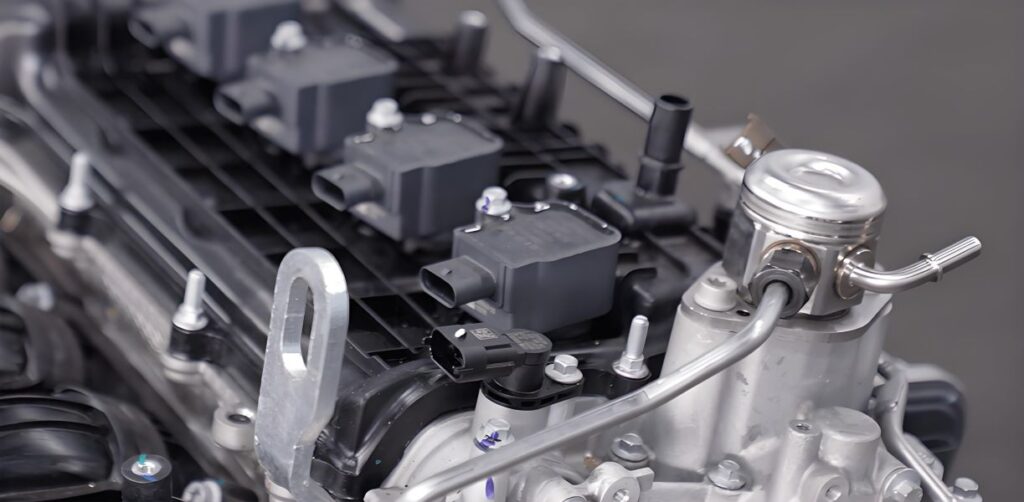
1. electromagnet and Electromagnetic Fuel Injection
1.1 How Electromagnets Power Fuel Injectors
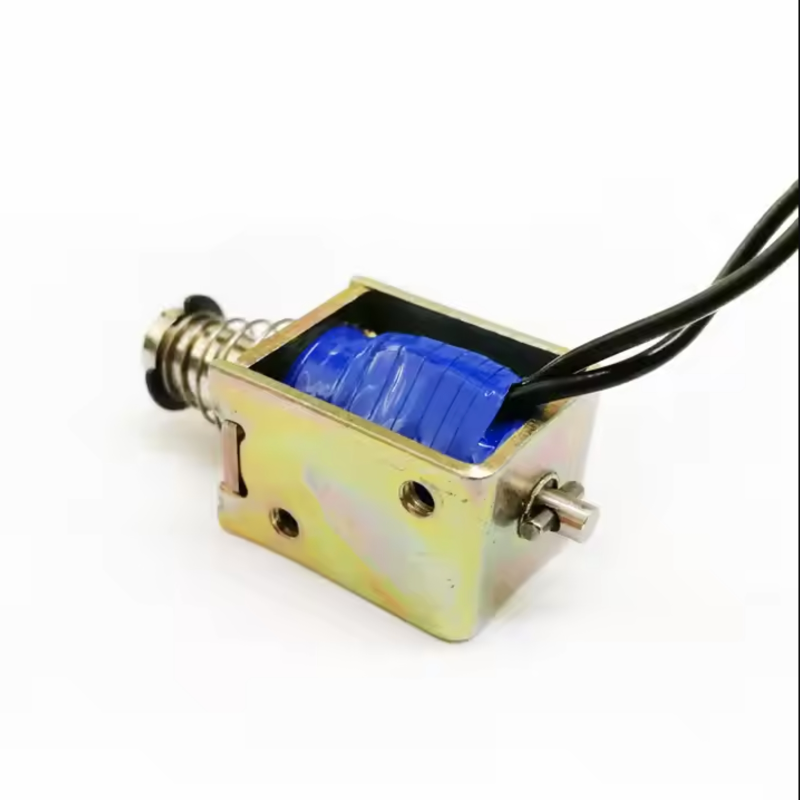
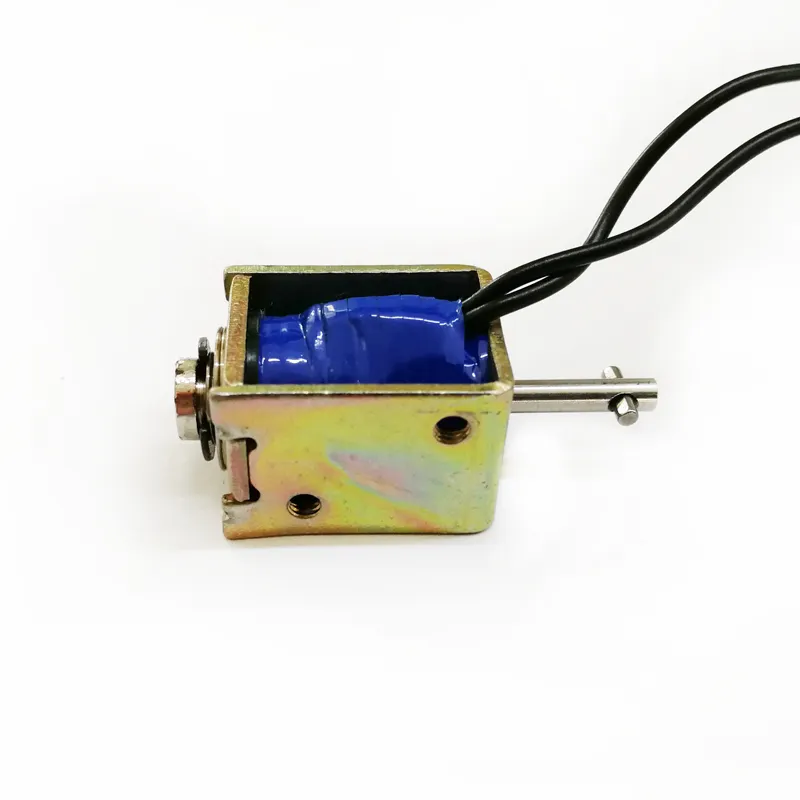
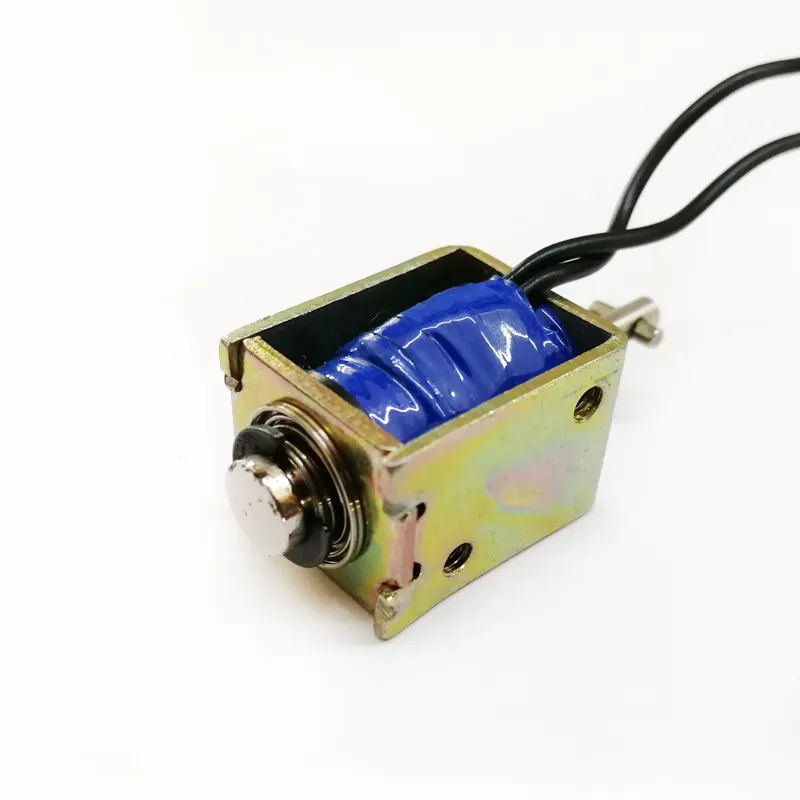
Nam châm điện are the driving force behind electronically controlled fuel injectors. When an electric current flows through a coil wrapped around a ferromagnetic core, it generates a magnetic field. This field pulls a plunger or armature, which opens the injector nozzle to spray fuel into the combustion chamber. De-energizing the coil collapses the magnetic field, allowing a spring or hydraulic pressure to close the nozzle. This process occurs in milliseconds, enabling precise control over fuel delivery timing, duration, and quantity.
1.2 Key Components of an Electromagnetic Fuel Injector
- Coil: The electromagnet’s core, typically made of copper wire, generates the magnetic force.
- Armature/Plunger: Moves under magnetic force to open the injector.
- Nozzle: Atomizes fuel into a fine spray for efficient combustion.
- Spring: Returns the plunger to its closed position when de-energized.
- Control Unit: Sends electrical pulses to the coil to regulate injection timing and duration.
1.3 Types of Electromagnetic Fuel Injection Systems
- Gasoline Direct Injection (GDI): High-pressure injectors spray fuel directly into the combustion chamber.
- Common Rail Diesel Injection: Uses electromagnets to control high-pressure fuel delivery in diesel engines.
- Port Fuel Injection (PFI): Injects fuel into the intake port, controlled by electromagnetic valves.
2. Advantages of Electromagnetic Fuel Injection
2.1 Unmatched Precision in Fuel Delivery
Electromagnetic injectors can adjust fuel delivery in real time, with injection durations as short as 1 millisecond. This precision ensures optimal air-fuel ratios under varying engine loads, improving combustion efficiency and reducing emissions.
2.2 Faster Response Times
Nam châm điện activate and deactivate in milliseconds, enabling multiple injection events per combustion cycle (e.g., pilot, main, and post injections in diesel engines). This reduces noise, improves cold starts, and minimizes unburned hydrocarbons.
2.3 Adaptability to Engine Conditions
Modern engine control units (ECUs) use data from sensors (e.g., oxygen, throttle position, crankshaft speed) to dynamically adjust injector timing. Electromagnets enable this flexibility, ensuring optimal performance across RPM ranges, temperatures, and driving conditions.
2.4 Reduced Emissions and Improved Fuel Economy
Precise fuel metering minimizes over-fueling, a key contributor to CO2 and particulate emissions. For example, GDI systems reduce fuel consumption by up to 15% compared to traditional carburetors.
2.5 Durability in Harsh Environments
Electromagnetic injectors withstand extreme temperatures, vibrations, and fuel pressures (up to 3,000 bar in diesel systems). Advanced materials like stainless steel, nickel alloys, and high-temperature resins ensure long-term reliability.
3. electromagnets Applications in Modern Engines
3.1 Gasoline Direct Injection (GDI)
GDI systems use nam châm điện to deliver fuel directly into the combustion chamber at high pressures. This technology enhances power output, reduces knock propensity, and improves thermal efficiency.
Case Study: A leading automotive brand achieved a 10% increase in torque and a 7% reduction in fuel consumption by adopting electromagnetic GDI injectors in its turbocharged engines.
3.2 Common Rail Diesel Injection
In diesel engines, common rail systems rely on electromagnets to control injectors fed by a high-pressure fuel reservoir. This allows for multiple injections per cycle, reducing NOx and particulate emissions while enhancing power delivery.
Example: Heavy-duty trucks using electromagnetic common rail systems meet Euro 6 and EPA Tier 4 emission standards without compromising performance.
3.3 Hybrid and Plug-in Hybrid Vehicles
Electromagnetic injectors play a dual role in hybrid engines: optimizing combustion during ICE operation and enabling seamless transitions between electric and combustion modes.
3.4 High-Performance and Racing Engines
In motorsports, electromagnetic injectors provide the rapid response and precise control needed for engines operating at 10,000+ RPM. Tuners adjust injection maps to maximize power output under race conditions.
- Được xếp hạng 0 5 sao
- Được xếp hạng 0 5 sao
- Được xếp hạng 0 5 sao
- Được xếp hạng 0 5 sao

4. Technical Challenges and Solutions of electromagnets
4.1 High-Pressure Tolerance
Challenge: Diesel common rail systems operate at pressures exceeding 2,500 bar, risking injector wear or leakage.
Solution: Use hardened materials (e.g., tungsten carbide nozzles) and precision machining to maintain seal integrity.
4.2 Temperature Extremes
Challenge: Prolonged exposure to combustion heat degrades coil insulation and magnetic properties.
Solution: High-temperature epoxy coatings and advanced cooling designs (e.g., fuel-cooled injectors) protect critical components.
4.3 Wear and Clogging
Challenge: Fuel contaminants or deposits can clog injector nozzles, disrupting spray patterns.
Solution: Incorporate self-cleaning cycles, ultra-fine fuel filters, and detergent additives in fuels.
4.4 Electromagnetic Interference (EMI)
Challenge: High-frequency operation generates EMI, disrupting onboard electronics.
Solution: Shield coils with ferrite cores and optimize ECU grounding and shielding.
5. electromagnets Innovations Driving the Future
5.1 Piezoelectric vs. Electromagnetic Injectors
While piezoelectric injectors offer faster response times, electromagnets remain dominant due to their cost-effectiveness and durability. Hybrid designs combine piezoelectric crystals with electromagnetic actuators for enhanced performance.
5.2 AI-Optimized Injection Strategies
Machine learning algorithms analyze real-time engine data to predict optimal injection timings, adapting to driving styles, fuel quality, and environmental conditions.
Example: An AI-driven ECU reduces fuel consumption by 5% in urban driving by optimizing injection pulses during stop-and-go traffic.
5.3 Hydrogen Fuel Injection
As the automotive industry shifts toward hydrogen combustion engines, electromagnets are being adapted to handle hydrogen’s low viscosity and high diffusivity. Specialized injectors prevent leakage and ensure precise metering of hydrogen fuel.
5.4 Additive Manufacturing
3D-printed injectors with complex internal geometries improve fuel atomization and reduce weight. Electromagnetic coils are integrated into these designs using conductive printing materials.
5.5 Smart Diagnostics and Predictive Maintenance
Embedded sensors monitor injector health, detecting issues like coil degradation or nozzle clogging. Data is relayed to drivers or service centers for proactive maintenance.
6. Choosing the Right Electromagnetic Fuel Injector
6.1 Key Selection Criteria
- Fuel Type: Gasoline, diesel, hydrogen, or alternative fuels.
- Pressure Rating: Match injector capability to engine requirements.
- Response Time: Critical for high-RPM or hybrid applications.
- Environmental Compliance: Ensure adherence to emission standards (e.g., Euro 7, CARB).
6.2 Customization for Engine Demands
As a manufacturer, we offer tailored solutions, including:
- High-Frequency Injectors: For racing or hybrid engines requiring ultra-fast cycling.
- Low-Heat Designs: For turbocharged engines with elevated under-hood temperatures.
- Corrosion-Resistant Coatings: For compatibility with ethanol-blended or hydrogen fuels.
Electromagnets—Powering the Future of Fuel Injection
Electromagnetic fuel injection systems represent the pinnacle of precision engineering, enabling automakers to meet the dual challenges of emission reduction and performance enhancement. From daily commuters to high-octane racing engines, electromagnets ensure that every drop of fuel is utilized efficiently, cleanly, and powerfully.
As the automotive industry pivots toward electrification and alternative fuels, nam châm điện will continue to play a vital role in hybrid systems and hydrogen combustion engines. For manufacturers seeking to innovate, partnering with an experienced electromagnet provider is key to unlocking next-generation fuel injection technologies.
By embracing advancements in materials, AI, and additive manufacturing, the future of electromagnetic fuel injection promises even greater efficiency, sustainability, and adaptability—driving us toward a cleaner, high-performance automotive era.
Giới thiệu về nhà máy sản xuất nam châm điện SF
Công ty TNHH Nam châm điện Shengfeng được thành lập năm 2015, tọa lạc tại Khu công nghiệp Tây Sa với cảnh quan đẹp và giao thông thuận tiện. Công ty có diện tích 16.000 mét vuông, sở hữu nhà máy sản xuất hiện đại, thiết bị sản xuất tiên tiến và đội ngũ kỹ thuật chất lượng cao. Từ khi thành lập, chúng tôi luôn tuân thủ triết lý doanh nghiệp “đổi mới, chất lượng và dịch vụ”, tập trung vào nghiên cứu và phát triển cũng như sản xuất các sản phẩm chất lượng cao. nam châm điện, Không ngừng thúc đẩy việc nâng cấp sản phẩm và tiến bộ công nghệ, đồng thời cung cấp cho khách hàng những sản phẩm và dịch vụ chất lượng tốt nhất.
Tại sao nên chọn nam châm điện SF?
CHẤT LƯỢNG CAO CẤP:Là nhà sản xuất nam châm điện solenoid hàng đầu tại Trung Quốc, đội ngũ kiểm soát chất lượng (QC) của chúng tôi cam kết đảm bảo mọi sản phẩm bạn nhận được đều đạt chất lượng tốt nhất. Chúng tôi sở hữu các thiết bị kiểm tra chất lượng chuyên dụng.
THIẾT KẾ SẢN PHẨM:Bộ phận làm mẫu của chúng tôi sở hữu quy trình hoàn chỉnh để hiện thực hóa các bản vẽ. Chúng tôi cũng sẽ cải tiến thiết kế sản phẩm của bạn dựa trên kinh nghiệm làm việc lâu năm. Hãy chia sẻ ý kiến của bạn với chúng tôi.
THỜI GIAN GIAO HÀNG ỔN ĐỊNH:Là nhà sản xuất và cung cấp nam châm điện hàng đầu, chúng tôi sở hữu năng lực sản xuất mạnh mẽ; ngay cả với những đơn hàng lớn, chúng tôi vẫn đảm bảo giao hàng đúng tiến độ cho quý khách.
GIÁ TỐT NHẤT:Chúng tôi là nhà máy sản xuất trực tiếp nam châm điện và là nhà sản xuất solenoid hàng đầu tại Trung Quốc; chính vì vậy, chúng tôi có thể cung cấp các sản phẩm chất lượng cao với mức giá tốt nhất.
QUẢN LÝ CHÍNH XÁC:Chúng ta sẽ không thể đạt được kết quả gì nếu không thực hiện công tác quản lý chặt chẽ. Chúng tôi là công ty sở hữu hệ thống quản lý toàn diện.
PHỤC VỤ 24/7:As the best solenoid manufacturer, 24-7 immediate response: We’ll receive your feedback to make us a better supplier. Contact us +86 189 0261 1680
Câu hỏi thường gặp về nam châm điện
Chúng tôi là một công ty hàng đầu của Trung Quốc. nam châm điện Nhà sản xuất của chúng tôi đặt tại Đông Quan. Rất hân hạnh được đón tiếp quý khách đến thăm nhà máy!
Chúng tôi chuyên thiết kế và sản xuất các sản phẩm chất lượng cao. nam châm điện,van điện từ,chẳng hạn như nam châm điện quay, nam châm điện lưỡng ổn định, nam châm điện chốt, van điện từ khung hở, nam châm điện hình ống, van điện từ tự giữ
•Tất nhiên, thông thường chúng tôi sẽ cung cấp mẫu miễn phí, và bạn chỉ cần thanh toán phí vận chuyển. Đối với các mẫu nam châm điện tùy chỉnh, vui lòng gửi yêu cầu của bạn cho chúng tôi để kiểm tra chi phí mẫu.
• Quá trình sản xuất mẫu mất khoảng 7 ngày.
Vâng, chúng tôi cung cấp dịch vụ thiết kế miễn phí, thiết kế kết cấu và thiết kế đồ họa đơn giản.
Chắc chắn rồi. Chúng tôi có thể sản xuất bất kỳ loại nam châm điện nào theo thiết kế của bạn. Hiện tại, chúng tôi đang mở dịch vụ ODM cho nam châm điện từ số lượng nhỏ từ 100 đến 500 chiếc, nhưng bạn vẫn có thể sử dụng logo riêng của mình.
Tùy thuộc vào số lượng đặt hàng và chi tiết sản xuất, thời gian giao hàng sẽ vào khoảng 15 đến 20 ngày.
Luôn có mẫu thử trước khi sản xuất hàng loạt; Luôn kiểm tra cuối cùng trước khi giao hàng.
• Công suất, mục đích sử dụng, kích thước, chất liệu, số lượng, địa điểm giao hàng, v.v.
• Bạn cũng có thể cho chúng tôi biết yêu cầu của bạn và chúng tôi sẽ đề xuất sản phẩm phù hợp.
• Bằng đường biển, đường hàng không hoặc chuyển phát nhanh.
• Nếu bạn có đại lý giao nhận vận tải riêng tại Trung Quốc, đó là giá xuất xưởng hoặc giá FOB.
•CFR hoặc CIF, v.v., nếu bạn cần chúng tôi vận chuyển thay mặt bạn.
• DDP và DDU cũng có thể được sử dụng.
• Chúng tôi sẽ xem xét các lựa chọn của bạn nếu bạn có thêm nhiều sự lựa chọn khác.
• Giá cả được xác định bởi số lượng, chất liệu, phương pháp gia công, kích thước và các yếu tố khác. Ngoài ra, do sự phát triển liên tục của chúng tôi, giá cả được nâng cao.
Nhờ đổi mới công nghệ, giá cả một số sản phẩm của chúng tôi cực kỳ cạnh tranh, vui lòng liên hệ với chúng tôi để được báo giá.