









Last Updated on 2025-09-04 by SolenoidFactory
The automotive industry has undergone a paradigm shift over the past few decades, driven by stringent emission regulations, demand for fuel efficiency, and the pursuit of superior engine performance. At the core of this transformation lies the fuel injection system—a critical component responsible for delivering the precise amount of fuel into an engine’s combustion chamber. While mechanical and hydraulic systems dominated early designs, электромагниты have become indispensable in modern fuel injection technologies. Their ability to enable ultra-precise, rapid, and adaptive control has revolutionized engine performance, emissions, and reliability.
As a leading electromagnet manufacturer, we explore the pivotal role of electromagnets in fuel injection systems, their technical underpinnings, and how they are shaping the future of automotive engineering.
1. electromagnet and Electromagnetic Fuel Injection
1.1 How Electromagnets Power Fuel Injectors
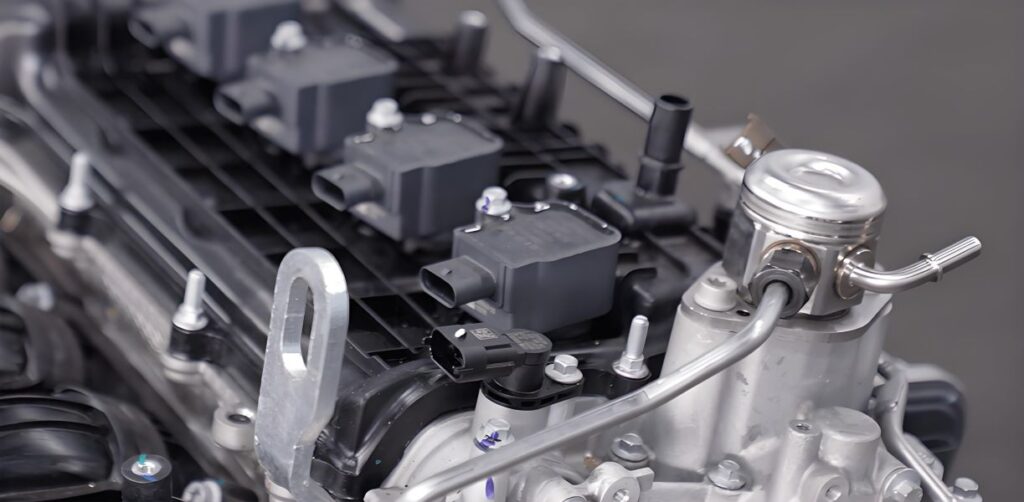
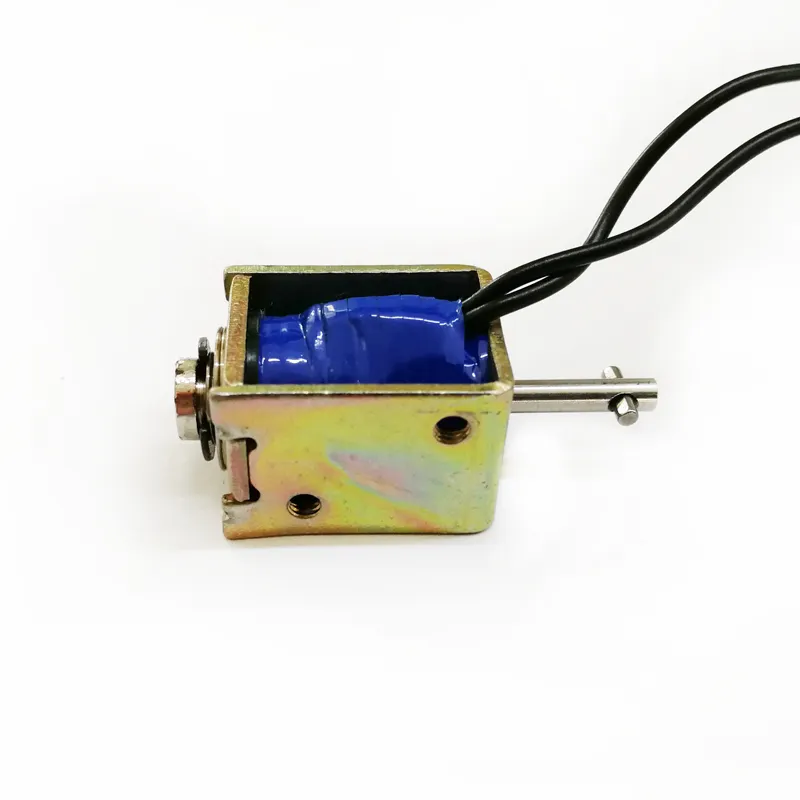
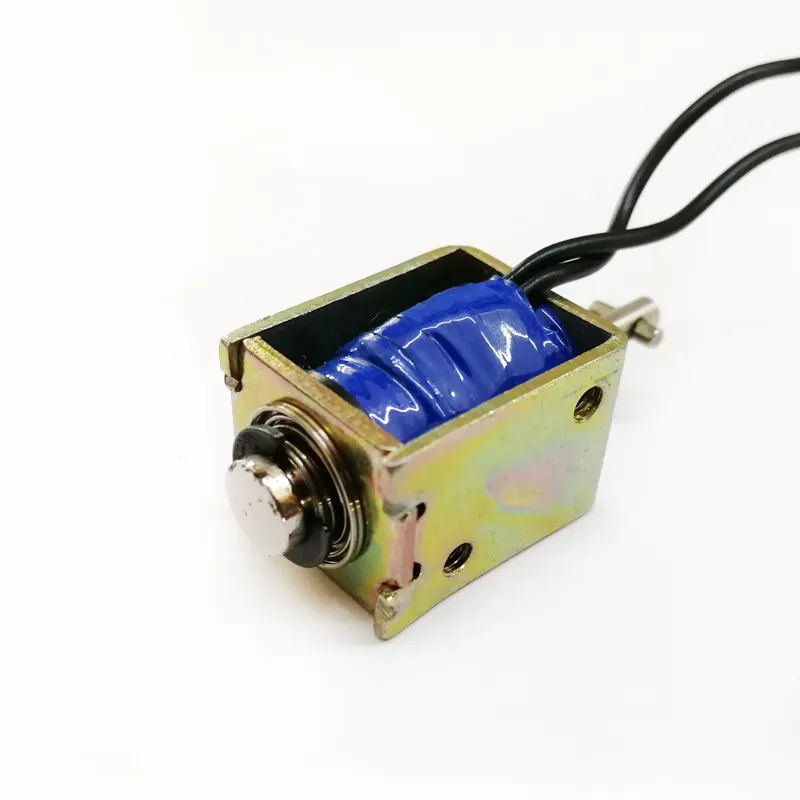
Электромагниты are the driving force behind electronically controlled fuel injectors. When an electric current flows through a coil wrapped around a ferromagnetic core, it generates a magnetic field. This field pulls a plunger or armature, which opens the injector nozzle to spray fuel into the combustion chamber. De-energizing the coil collapses the magnetic field, allowing a spring or hydraulic pressure to close the nozzle. This process occurs in milliseconds, enabling precise control over fuel delivery timing, duration, and quantity.
1.2 Key Components of an Electromagnetic Fuel Injector
- Катушка: The electromagnet’s core, typically made of copper wire, generates the magnetic force.
- Armature/Plunger: Moves under magnetic force to open the injector.
- Nozzle: Atomizes fuel into a fine spray for efficient combustion.
- Spring: Returns the plunger to its closed position when de-energized.
- Control Unit: Sends electrical pulses to the coil to regulate injection timing and duration.
1.3 Types of Electromagnetic Fuel Injection Systems
- Gasoline Direct Injection (GDI): High-pressure injectors spray fuel directly into the combustion chamber.
- Common Rail Diesel Injection: Uses electromagnets to control high-pressure fuel delivery in diesel engines.
- Port Fuel Injection (PFI): Injects fuel into the intake port, controlled by electromagnetic valves.
2. Advantages of Electromagnetic Fuel Injection
2.1 Unmatched Precision in Fuel Delivery
Electromagnetic injectors can adjust fuel delivery in real time, with injection durations as short as 1 millisecond. This precision ensures optimal air-fuel ratios under varying engine loads, improving combustion efficiency and reducing emissions.
2.2 Faster Response Times
Электромагниты activate and deactivate in milliseconds, enabling multiple injection events per combustion cycle (e.g., pilot, main, and post injections in diesel engines). This reduces noise, improves cold starts, and minimizes unburned hydrocarbons.
2.3 Adaptability to Engine Conditions
Modern engine control units (ECUs) use data from sensors (e.g., oxygen, throttle position, crankshaft speed) to dynamically adjust injector timing. Electromagnets enable this flexibility, ensuring optimal performance across RPM ranges, temperatures, and driving conditions.
2.4 Reduced Emissions and Improved Fuel Economy
Precise fuel metering minimizes over-fueling, a key contributor to CO2 and particulate emissions. For example, GDI systems reduce fuel consumption by up to 15% compared to traditional carburetors.
2.5 Durability in Harsh Environments
Electromagnetic injectors withstand extreme temperatures, vibrations, and fuel pressures (up to 3,000 bar in diesel systems). Advanced materials like stainless steel, nickel alloys, and high-temperature resins ensure long-term reliability.
3. electromagnets Applications in Modern Engines
3.1 Gasoline Direct Injection (GDI)
GDI systems use электромагниты to deliver fuel directly into the combustion chamber at high pressures. This technology enhances power output, reduces knock propensity, and improves thermal efficiency.
Case Study: A leading automotive brand achieved a 10% increase in torque and a 7% reduction in fuel consumption by adopting electromagnetic GDI injectors in its turbocharged engines.
3.2 Common Rail Diesel Injection
In diesel engines, common rail systems rely on electromagnets to control injectors fed by a high-pressure fuel reservoir. This allows for multiple injections per cycle, reducing NOx and particulate emissions while enhancing power delivery.
Example: Heavy-duty trucks using electromagnetic common rail systems meet Euro 6 and EPA Tier 4 emission standards without compromising performance.
3.3 Hybrid and Plug-in Hybrid Vehicles
Electromagnetic injectors play a dual role in hybrid engines: optimizing combustion during ICE operation and enabling seamless transitions between electric and combustion modes.
3.4 High-Performance and Racing Engines
In motorsports, electromagnetic injectors provide the rapid response and precise control needed for engines operating at 10,000+ RPM. Tuners adjust injection maps to maximize power output under race conditions.
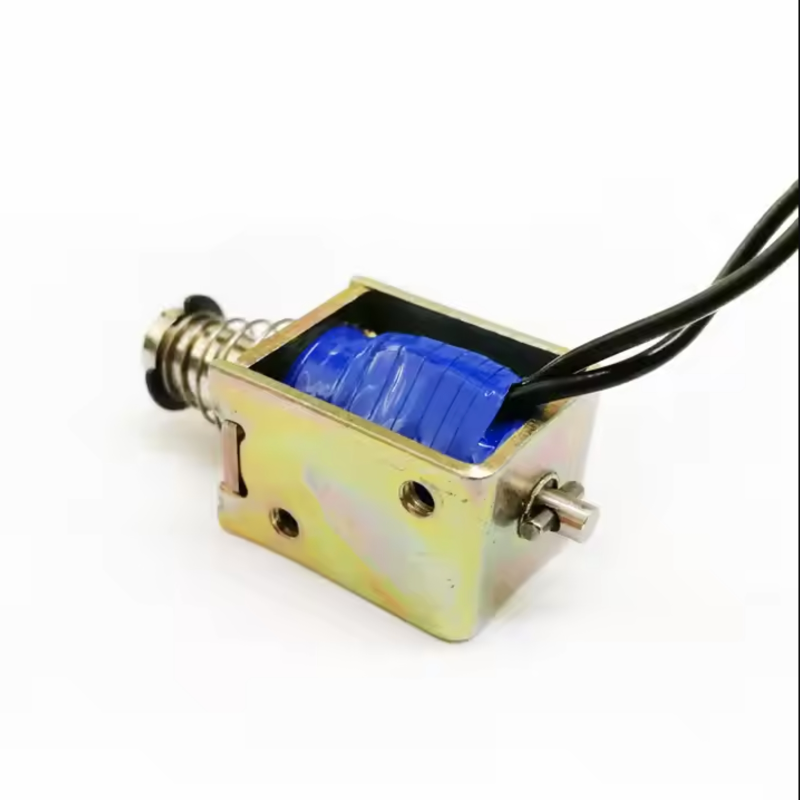

4. Technical Challenges and Solutions of electromagnets
4.1 High-Pressure Tolerance
Challenge: Diesel common rail systems operate at pressures exceeding 2,500 bar, risking injector wear or leakage.
Solution: Use hardened materials (e.g., tungsten carbide nozzles) and precision machining to maintain seal integrity.
4.2 Temperature Extremes
Challenge: Prolonged exposure to combustion heat degrades coil insulation and magnetic properties.
Solution: High-temperature epoxy coatings and advanced cooling designs (e.g., fuel-cooled injectors) protect critical components.
4.3 Wear and Clogging
Challenge: Fuel contaminants or deposits can clog injector nozzles, disrupting spray patterns.
Solution: Incorporate self-cleaning cycles, ultra-fine fuel filters, and detergent additives in fuels.
4.4 Electromagnetic Interference (EMI)
Challenge: High-frequency operation generates EMI, disrupting onboard electronics.
Solution: Shield coils with ferrite cores and optimize ECU grounding and shielding.
5. electromagnets Innovations Driving the Future
5.1 Piezoelectric vs. Electromagnetic Injectors
While piezoelectric injectors offer faster response times, electromagnets remain dominant due to their cost-effectiveness and durability. Hybrid designs combine piezoelectric crystals with electromagnetic actuators for enhanced performance.
5.2 AI-Optimized Injection Strategies
Machine learning algorithms analyze real-time engine data to predict optimal injection timings, adapting to driving styles, fuel quality, and environmental conditions.
Example: An AI-driven ECU reduces fuel consumption by 5% in urban driving by optimizing injection pulses during stop-and-go traffic.
5.3 Hydrogen Fuel Injection
As the automotive industry shifts toward hydrogen combustion engines, electromagnets are being adapted to handle hydrogen’s low viscosity and high diffusivity. Specialized injectors prevent leakage and ensure precise metering of hydrogen fuel.
5.4 Additive Manufacturing
3D-printed injectors with complex internal geometries improve fuel atomization and reduce weight. Electromagnetic coils are integrated into these designs using conductive printing materials.
5.5 Smart Diagnostics and Predictive Maintenance
Embedded sensors monitor injector health, detecting issues like coil degradation or nozzle clogging. Data is relayed to drivers or service centers for proactive maintenance.
6. Choosing the Right Electromagnetic Fuel Injector
6.1 Key Selection Criteria
- Fuel Type: Gasoline, diesel, hydrogen, or alternative fuels.
- Pressure Rating: Match injector capability to engine requirements.
- Response Time: Critical for high-RPM or hybrid applications.
- Environmental Compliance: Ensure adherence to emission standards (e.g., Euro 7, CARB).
6.2 Customization for Engine Demands
As a manufacturer, we offer tailored solutions, including:
- High-Frequency Injectors: For racing or hybrid engines requiring ultra-fast cycling.
- Low-Heat Designs: For turbocharged engines with elevated under-hood temperatures.
- Corrosion-Resistant Coatings: For compatibility with ethanol-blended or hydrogen fuels.
Electromagnets—Powering the Future of Fuel Injection
Electromagnetic fuel injection systems represent the pinnacle of precision engineering, enabling automakers to meet the dual challenges of emission reduction and performance enhancement. From daily commuters to high-octane racing engines, electromagnets ensure that every drop of fuel is utilized efficiently, cleanly, and powerfully.
As the automotive industry pivots toward electrification and alternative fuels, электромагниты will continue to play a vital role in hybrid systems and hydrogen combustion engines. For manufacturers seeking to innovate, partnering with an experienced electromagnet provider is key to unlocking next-generation fuel injection technologies.
By embracing advancements in materials, AI, and additive manufacturing, the future of electromagnetic fuel injection promises even greater efficiency, sustainability, and adaptability—driving us toward a cleaner, high-performance automotive era.
О заводе электромагнитов SF
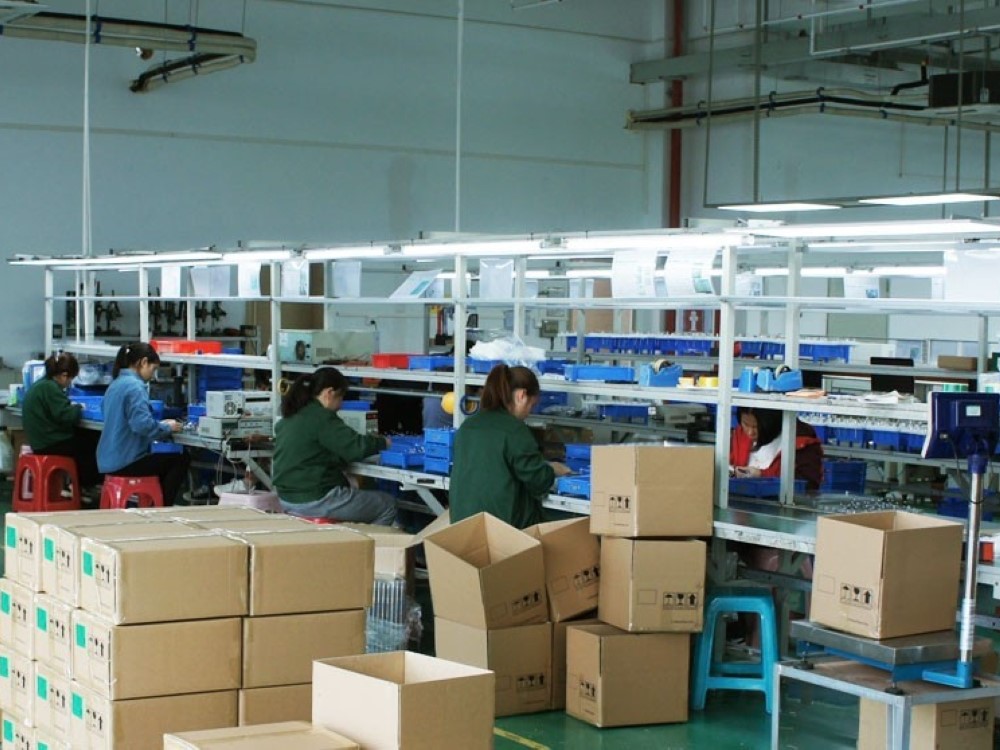
Компания Shengfeng Electromagnet Co., Ltd. была основана в 2015 году и расположена в индустриальном парке Сяньша, отличающемся живописными пейзажами и удобной транспортной доступностью. Компания занимает площадь 16 000 квадратных метров и располагает современными производственными цехами, передовым оборудованием и высококвалифицированной технической командой. С момента основания мы неизменно придерживаемся корпоративной философии “инновации, качество и сервис”, уделяя особое внимание исследованиям, разработкам и производству. электромагниты, постоянно продвигая модернизацию продукции и технологический прогресс, а также предоставляя клиентам продукцию и услуги высочайшего качества.
Почему стоит выбрать электромагнит SF?
ВЫСОКОЕ КАЧЕСТВО:Являясь ведущим китайским производителем электромагнитов соленоидного типа, мы гарантируем высочайшее качество каждого изделия, которое вы получаете; для этого наша служба контроля качества использует профессиональное испытательное оборудование.
ДИЗАЙН ПРОДУКТА:Наш отдел по изготовлению образцов обеспечивает полный цикл воплощения чертежей в готовые изделия. Мы также совершенствуем конструкцию вашего продукта, опираясь на наш многолетний опыт работы. Поделитесь с нами своим мнением.
СТАБИЛЬНЫЕ СРОКИ ДОСТАВКИ:Являясь ведущим производителем и поставщиком электромагнитов, мы обладаем достаточными производственными мощностями: крупные заказы не станут для нас проблемой, и мы гарантированно выполним их в срок.
ЛУЧШАЯ ЦЕНА:Мы являемся заводом-производителем электромагнитов и лучшим изготовителем соленоидов в Китае, поэтому можем предложить высококачественную продукцию по самым выгодным ценам.
ТОЧНОЕ УПРАВЛЕНИЕ:Ничего невозможно достичь без точного управления. Мы — компания с полноценной системой управления.
Круглосуточное обслуживание: 7 дней в неделюAs the best solenoid manufacturer, 24-7 immediate response: We’ll receive your feedback to make us a better supplier. Contact us +86 189 0261 1680
Часто задаваемые вопросы об электромагнитах
Мы — ведущая китайская компания. электромагнит Мы являемся производителем, и наш завод расположен в Дунгуане. Приглашаем вас посетить наш завод!
Мы специализируемся на проектировании и производстве высококачественной продукции. электромагнит,электромагнитный клапан,такой как вращающийся соленоид, бистабильные соленоиды, запорные соленоиды, соленоиды открытой рамы, трубчатые соленоиды, самоудерживающий соленоид
• Разумеется, обычно мы предоставляем бесплатные образцы, и вам нужно оплатить только доставку. Для заказа образцов электромагнитов по индивидуальному заказу, пожалуйста, пришлите нам ваши требования для уточнения стоимости образцов.
• Изготовление образца занимает около 7 дней.
Да, мы предоставляем бесплатные услуги по проектированию, разработке конструкций и простому графическому дизайну.
Конечно. Мы можем изготовить любой электромагнит по вашему дизайну. Сейчас мы предлагаем ODM-производство соленоидов для небольших партий от 100 до 500 штук, но вы все равно можете разместить на них свой логотип.
В зависимости от объема заказа и особенностей производства, срок выполнения составит от 15 до 20 дней.
Перед массовым производством всегда предоставляется предсерийный образец; перед отгрузкой всегда проводится окончательная проверка.
• Мощность, тип использования, размер, материал, количество, место доставки и т. д.
• Вы также можете просто сообщить нам свои требования, и мы порекомендуем вам подходящие товары.
• Морским, воздушным или экспресс-транспортом.
• Если у вас есть собственный экспедитор в Китае, то используется цена «франко-завод» или FOB.
• Условия поставки: CFR или CIF и т.д., если вам необходимо, чтобы мы осуществили доставку от вашего имени.
• Также можно использовать DDP и DDU.
• Если у вас больше вариантов, мы рассмотрим ваши предложения.
• Цена определяется количеством, материалом, методом обработки, размером и другими факторами. Кроме того, в связи с нашим постоянным
Благодаря технологическим инновациям, цены на некоторые наши товары чрезвычайно конкурентоспособны. Для получения ценового предложения, пожалуйста, свяжитесь с нами.