









Ultimo aggiornamento il 04/09/2025 da Fabbrica di Solenoidi
The automotive industry has undergone a paradigm shift over the past few decades, driven by stringent emission regulations, demand for fuel efficiency, and the pursuit of superior engine performance. At the core of this transformation lies the fuel injection system—a critical component responsible for delivering the precise amount of fuel into an engine’s combustion chamber. While mechanical and hydraulic systems dominated early designs, elettromagneti have become indispensable in modern fuel injection technologies. Their ability to enable ultra-precise, rapid, and adaptive control has revolutionized engine performance, emissions, and reliability.
As a leading electromagnet manufacturer, we explore the pivotal role of electromagnets in fuel injection systems, their technical underpinnings, and how they are shaping the future of automotive engineering.
1. electromagnet and Electromagnetic Fuel Injection
1.1 How Electromagnets Power Fuel Injectors
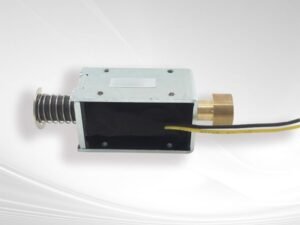
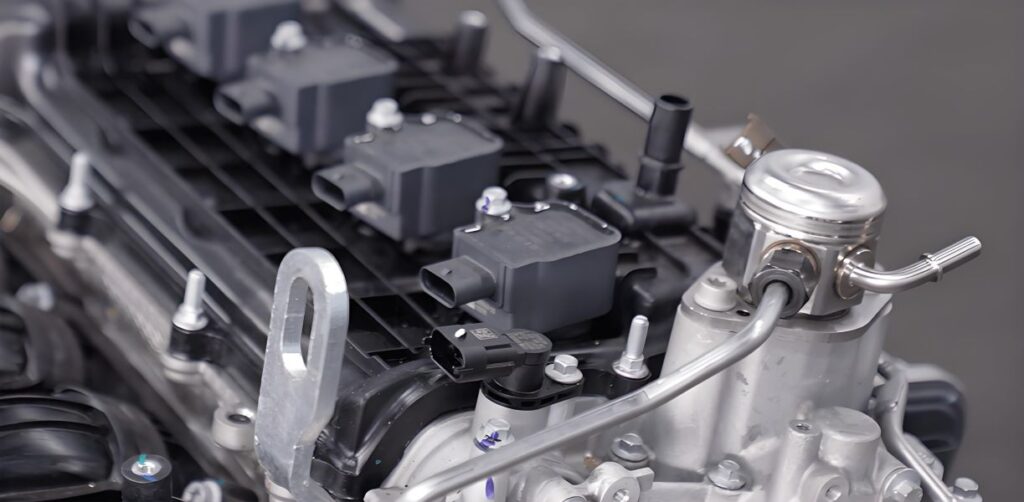
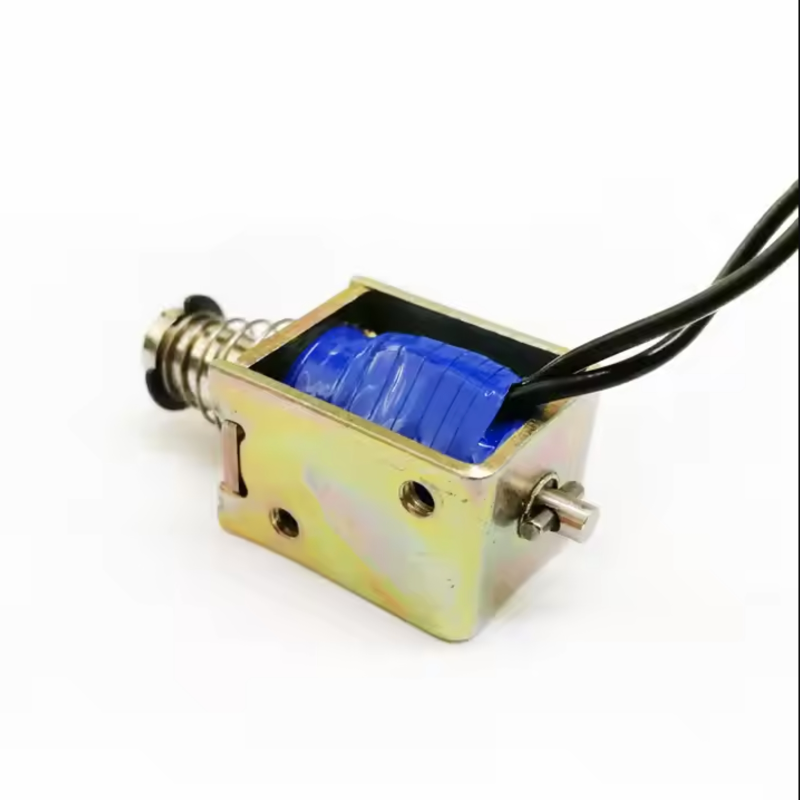
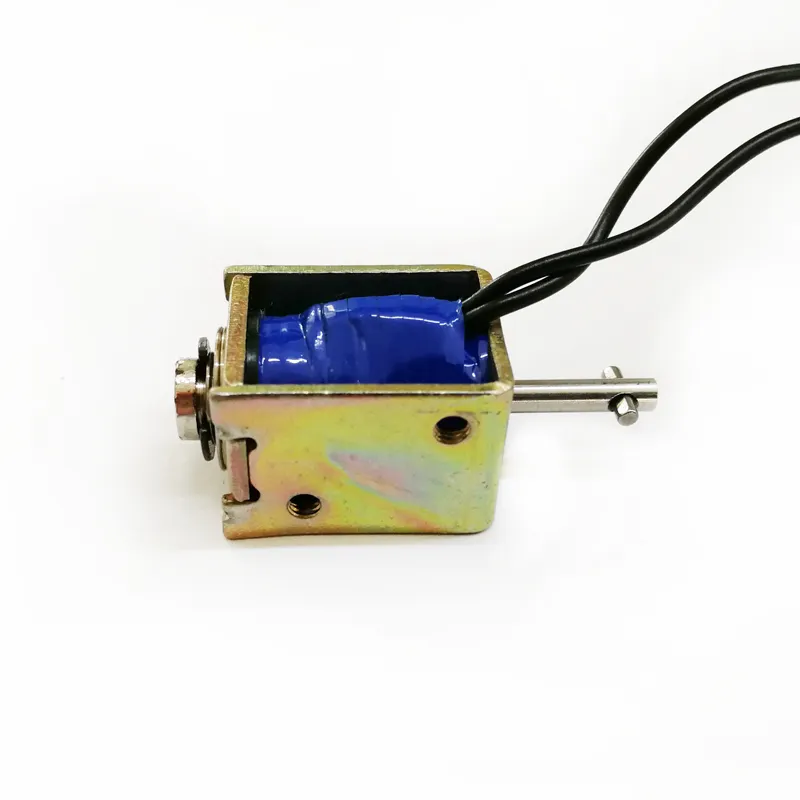
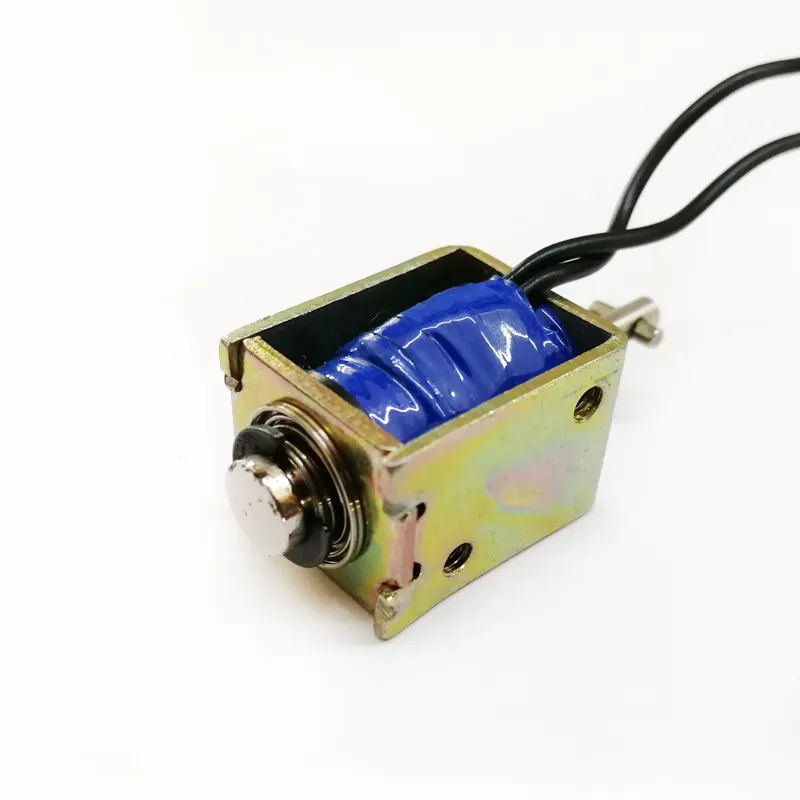
Elettromagneti are the driving force behind electronically controlled fuel injectors. When an electric current flows through a coil wrapped around a ferromagnetic core, it generates a magnetic field. This field pulls a plunger or armature, which opens the injector nozzle to spray fuel into the combustion chamber. De-energizing the coil collapses the magnetic field, allowing a spring or hydraulic pressure to close the nozzle. This process occurs in milliseconds, enabling precise control over fuel delivery timing, duration, and quantity.
1.2 Key Components of an Electromagnetic Fuel Injector
- Coil: The electromagnet’s core, typically made of copper wire, generates the magnetic force.
- Armature/Plunger: Moves under magnetic force to open the injector.
- Nozzle: Atomizes fuel into a fine spray for efficient combustion.
- Spring: Returns the plunger to its closed position when de-energized.
- Control Unit: Sends electrical pulses to the coil to regulate injection timing and duration.
1.3 Types of Electromagnetic Fuel Injection Systems
- Gasoline Direct Injection (GDI): High-pressure injectors spray fuel directly into the combustion chamber.
- Common Rail Diesel Injection: Uses electromagnets to control high-pressure fuel delivery in diesel engines.
- Port Fuel Injection (PFI): Injects fuel into the intake port, controlled by electromagnetic valves.
2. Advantages of Electromagnetic Fuel Injection
2.1 Unmatched Precision in Fuel Delivery
Electromagnetic injectors can adjust fuel delivery in real time, with injection durations as short as 1 millisecond. This precision ensures optimal air-fuel ratios under varying engine loads, improving combustion efficiency and reducing emissions.
2.2 Faster Response Times
Elettromagneti activate and deactivate in milliseconds, enabling multiple injection events per combustion cycle (e.g., pilot, main, and post injections in diesel engines). This reduces noise, improves cold starts, and minimizes unburned hydrocarbons.
2.3 Adaptability to Engine Conditions
Modern engine control units (ECUs) use data from sensors (e.g., oxygen, throttle position, crankshaft speed) to dynamically adjust injector timing. Electromagnets enable this flexibility, ensuring optimal performance across RPM ranges, temperatures, and driving conditions.
2.4 Reduced Emissions and Improved Fuel Economy
Precise fuel metering minimizes over-fueling, a key contributor to CO2 and particulate emissions. For example, GDI systems reduce fuel consumption by up to 15% compared to traditional carburetors.
2.5 Durability in Harsh Environments
Electromagnetic injectors withstand extreme temperatures, vibrations, and fuel pressures (up to 3,000 bar in diesel systems). Advanced materials like stainless steel, nickel alloys, and high-temperature resins ensure long-term reliability.
3. electromagnets Applications in Modern Engines
3.1 Gasoline Direct Injection (GDI)
GDI systems use elettromagneti to deliver fuel directly into the combustion chamber at high pressures. This technology enhances power output, reduces knock propensity, and improves thermal efficiency.
Case Study: A leading automotive brand achieved a 10% increase in torque and a 7% reduction in fuel consumption by adopting electromagnetic GDI injectors in its turbocharged engines.
3.2 Common Rail Diesel Injection
In diesel engines, common rail systems rely on electromagnets to control injectors fed by a high-pressure fuel reservoir. This allows for multiple injections per cycle, reducing NOx and particulate emissions while enhancing power delivery.
Example: Heavy-duty trucks using electromagnetic common rail systems meet Euro 6 and EPA Tier 4 emission standards without compromising performance.
3.3 Hybrid and Plug-in Hybrid Vehicles
Electromagnetic injectors play a dual role in hybrid engines: optimizing combustion during ICE operation and enabling seamless transitions between electric and combustion modes.
3.4 High-Performance and Racing Engines
In motorsports, electromagnetic injectors provide the rapid response and precise control needed for engines operating at 10,000+ RPM. Tuners adjust injection maps to maximize power output under race conditions.

4. Technical Challenges and Solutions of electromagnets
4.1 High-Pressure Tolerance
Challenge: Diesel common rail systems operate at pressures exceeding 2,500 bar, risking injector wear or leakage.
Solution: Use hardened materials (e.g., tungsten carbide nozzles) and precision machining to maintain seal integrity.
4.2 Temperature Extremes
Challenge: Prolonged exposure to combustion heat degrades coil insulation and magnetic properties.
Solution: High-temperature epoxy coatings and advanced cooling designs (e.g., fuel-cooled injectors) protect critical components.
4.3 Wear and Clogging
Challenge: Fuel contaminants or deposits can clog injector nozzles, disrupting spray patterns.
Solution: Incorporate self-cleaning cycles, ultra-fine fuel filters, and detergent additives in fuels.
4.4 Electromagnetic Interference (EMI)
Challenge: High-frequency operation generates EMI, disrupting onboard electronics.
Solution: Shield coils with ferrite cores and optimize ECU grounding and shielding.
5. electromagnets Innovations Driving the Future
5.1 Piezoelectric vs. Electromagnetic Injectors
While piezoelectric injectors offer faster response times, electromagnets remain dominant due to their cost-effectiveness and durability. Hybrid designs combine piezoelectric crystals with electromagnetic actuators for enhanced performance.
5.2 AI-Optimized Injection Strategies
Machine learning algorithms analyze real-time engine data to predict optimal injection timings, adapting to driving styles, fuel quality, and environmental conditions.
Example: An AI-driven ECU reduces fuel consumption by 5% in urban driving by optimizing injection pulses during stop-and-go traffic.
5.3 Hydrogen Fuel Injection
As the automotive industry shifts toward hydrogen combustion engines, electromagnets are being adapted to handle hydrogen’s low viscosity and high diffusivity. Specialized injectors prevent leakage and ensure precise metering of hydrogen fuel.
5.4 Additive Manufacturing
3D-printed injectors with complex internal geometries improve fuel atomization and reduce weight. Electromagnetic coils are integrated into these designs using conductive printing materials.
5.5 Smart Diagnostics and Predictive Maintenance
Embedded sensors monitor injector health, detecting issues like coil degradation or nozzle clogging. Data is relayed to drivers or service centers for proactive maintenance.
6. Choosing the Right Electromagnetic Fuel Injector
6.1 Key Selection Criteria
- Fuel Type: Gasoline, diesel, hydrogen, or alternative fuels.
- Pressure Rating: Match injector capability to engine requirements.
- Response Time: Critical for high-RPM or hybrid applications.
- Environmental Compliance: Ensure adherence to emission standards (e.g., Euro 7, CARB).
6.2 Customization for Engine Demands
As a manufacturer, we offer tailored solutions, including:
- High-Frequency Injectors: For racing or hybrid engines requiring ultra-fast cycling.
- Low-Heat Designs: For turbocharged engines with elevated under-hood temperatures.
- Corrosion-Resistant Coatings: For compatibility with ethanol-blended or hydrogen fuels.
Electromagnets—Powering the Future of Fuel Injection
Electromagnetic fuel injection systems represent the pinnacle of precision engineering, enabling automakers to meet the dual challenges of emission reduction and performance enhancement. From daily commuters to high-octane racing engines, electromagnets ensure that every drop of fuel is utilized efficiently, cleanly, and powerfully.
As the automotive industry pivots toward electrification and alternative fuels, elettromagneti will continue to play a vital role in hybrid systems and hydrogen combustion engines. For manufacturers seeking to innovate, partnering with an experienced electromagnet provider is key to unlocking next-generation fuel injection technologies.
By embracing advancements in materials, AI, and additive manufacturing, the future of electromagnetic fuel injection promises even greater efficiency, sustainability, and adaptability—driving us toward a cleaner, high-performance automotive era.
Informazioni sulla fabbrica di elettromagneti SF
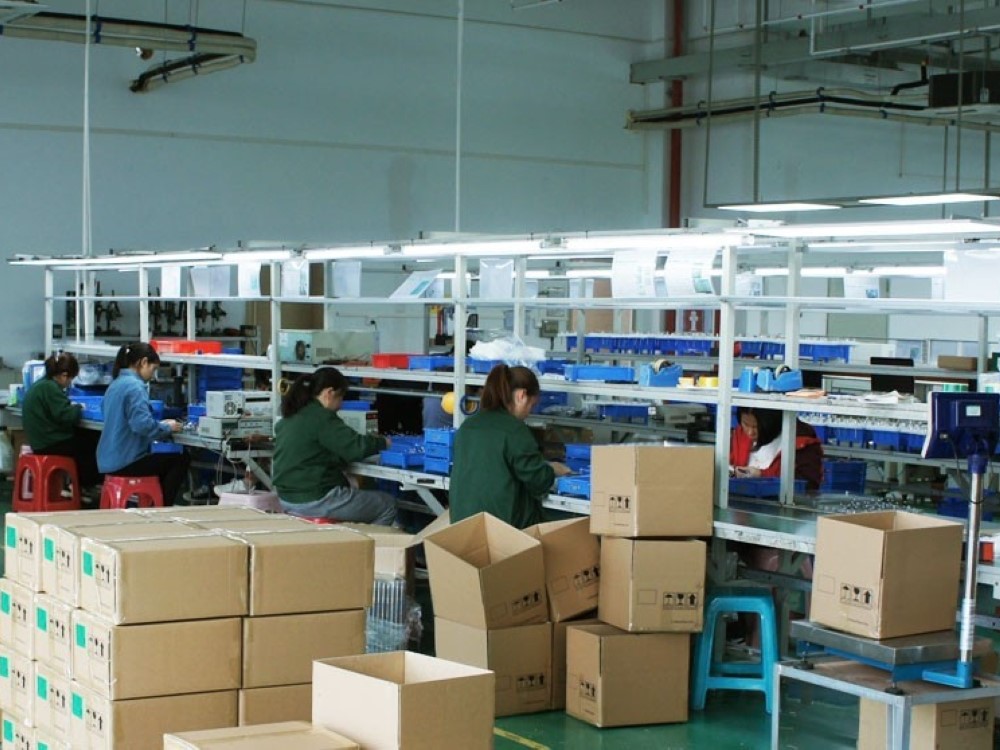
Shengfeng Electromagnet Co., Ltd. è stata fondata nel 2015 e si trova nel Parco Industriale di Xiansha, in una splendida zona con comodi collegamenti di trasporto. L'azienda si estende su una superficie di 16.000 metri quadrati e dispone di moderni impianti di produzione, attrezzature di produzione all'avanguardia e un team tecnico altamente qualificato. Fin dalla sua fondazione, l'azienda ha sempre aderito alla filosofia aziendale di "innovazione, qualità e servizio", concentrandosi sulla ricerca, lo sviluppo e la produzione di elettromagneti, promuovendo costantemente l'aggiornamento dei prodotti e il progresso tecnologico, e fornendo ai clienti prodotti e servizi della migliore qualità.
Perché scegliere un elettromagnete SF
QUALITÀ DI ALTA GAMMA:In qualità di miglior produttore di elettromagneti a solenoide in Cina, il nostro team di controllo qualità garantisce che ogni singolo prodotto ricevuto sia della massima qualità. Disponiamo di attrezzature professionali per i test di qualità.
PROGETTAZIONE DEL PRODOTTO:Il nostro reparto campionatura gestisce l'intero processo di trasformazione dei disegni in realtà. Inoltre, grazie alla nostra pluriennale esperienza, ottimizziamo il design del vostro prodotto. Fateci sapere cosa ne pensate.
TEMPI DI CONSEGNA STABILI:In qualità di produttore e fornitore leader di elettromagneti, disponiamo di una capacità produttiva adeguata: anche di fronte a grandi ordini siamo in grado di garantire consegne puntuali.
MIGLIOR PREZZO:Siamo produttori diretti di elettromagneti e il miglior produttore di solenoidi in Cina; ecco perché possiamo offrire prodotti di alta qualità al miglior prezzo.
GESTIONE PRECISA:Non si può ottenere nulla senza una gestione precisa. Siamo un'azienda dotata di un sistema di gestione completo.
SERVIZIO 24 7 GIORNI SU 24:As the best solenoid manufacturer, 24-7 immediate response: We’ll receive your feedback to make us a better supplier. Contact us +86 189 0261 1680
Domande frequenti sull'elettromagnete
Siamo un top cinese elettromagnete Siamo produttori e la nostra fabbrica si trova a Dongguan. Benvenuti a visitare la nostra fabbrica!
Siamo specializzati nella progettazione e produzione di alta qualità elettromagnete,elettrovalvola,ad esempio elettrovalvola rotante, solenoidi bistabili, solenoidi di bloccaggio, solenoidi a telaio aperto, solenoidi tubolari, solenoide autobloccante
•Naturalmente, di solito forniamo campioni gratuiti e dovrete coprire solo le spese di spedizione. Per campioni di elettromagneti personalizzati, vi preghiamo di inviarci le vostre richieste per verificare il costo del campione.
• La produzione del campione richiede circa 7 giorni.
Sì, offriamo servizi di progettazione gratuiti, tra cui progettazione strutturale e grafica semplice.
Certamente. Possiamo realizzare qualsiasi elettromagnete con il vostro design. Ora offriamo un servizio ODM per solenoidi, ideale per piccole quantità da 100 a 500 pezzi, con la possibilità di personalizzare il prodotto con il vostro logo.
A seconda della quantità dell'ordine e dei dettagli di produzione, ci vorranno circa dai 15 ai 20 giorni.
Sempre un campione di pre-produzione prima della produzione di massa; sempre un'ispezione finale prima della spedizione.
• Potenza, utilizzo, dimensioni, materiale, quantità, destinazione di spedizione, ecc.
• Puoi anche semplicemente comunicarci le tue esigenze e ti consiglieremo i prodotti più adatti.
• Via mare, via aerea o tramite corriere espresso.
• Se disponete di un vostro spedizioniere in Cina, il prezzo è quello franco fabbrica o FOB.
•CFR o CIF, ecc., se avete bisogno che spediamo per vostro conto.
• È possibile utilizzare anche DDP e DDU.
• Più opzioni, prenderemo in considerazione le vostre scelte.
• Il prezzo è determinato dalla quantità, dal materiale, dal metodo di lavorazione, dalle dimensioni e da altri fattori. Inoltre, a causa del nostro continuo
Grazie all'innovazione tecnologica, i prezzi di alcuni dei nostri prodotti sono estremamente competitivi. Contattateci per un preventivo.