









آخر تحديث بتاريخ 2025-09-04 بواسطة مصنع الملف اللولبي
المغناطيسات الكهربائية are indispensable in industries ranging from automotive manufacturing to renewable energy. However, like all electromechanical devices, they are prone to specific issues that can affect performance, safety, and longevity. As a professional electromagnet manufacturer, we’ve compiled this comprehensive guide to help users identify, troubleshoot, and prevent the most common electromagnet problems. With real-world case studies and actionable solutions, this blog equips you to maximize uptime and optimize operations.s leo.
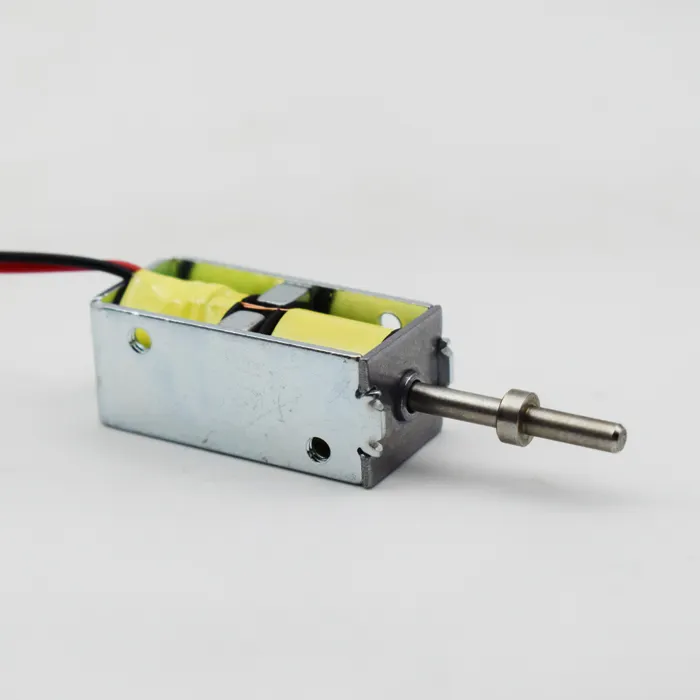
1. electromagnet problems--Overheating: The Silent Killer of Electromagnet
1.1 Causes of Overheating
- Excessive Duty Cycle: Continuous operation beyond rated ON/OFF times.
- High Ambient Temperatures: Poor ventilation or hot environments.
- Voltage Fluctuations: Overvoltage increases current, accelerating heat buildup.
دراسة حالة 1:
A factory’s conveyor system electromagnets overheated after 12 hours of non-stop use. Thermal imaging revealed coil temperatures reaching 120°C—50% above the 80°C limit.
1.2 Solutions
- Install Cooling Systems: Add fans, heat sinks, or liquid cooling jackets.
- Use PWM Controllers: Reduce hold current after activation (e.g., from 100% to 30%).
- Upgrade Insulation: Switch to Class H (180°C-rated) insulation materials.
نتيجة: The factory reduced coil temperatures to 75°C by adding fans and implementing a 60% duty cycle.
2. electromagnet problems--Coil Burnout: From Sparks to System Failures
2.1 Causes of Coil Burnout
- Insulation Breakdown: Due to moisture, chemical exposure, or aging.
- Short Circuits: Damaged wires or contaminants bridging terminals.
- Inrush Current Surges: Uncontrolled startup currents exceeding coil ratings.
دراسة حالة ٢:
A hospital elevator’s electromagnetic brake failed abruptly, trapping passengers. Diagnosis revealed a short circuit caused by corroded wiring in a humid shaft.
2.2 Solutions
- Regular Megohmmeter Tests: Check insulation resistance (>100MΩ).
- Surge Suppressors: Install inrush current limiters or NTC thermistors.
- Environmental Sealing: Use epoxy-encapsulated coils in damp areas.
نتيجة: Post-repair, the hospital adopted IP67-rated coils and quarterly insulation tests—no failures in 3 years.
3. electromagnet problems--Reduced Holding Force: When Electromagnets Lose Their Grip
3.1 Causes of Force Loss
- Air Gap Changes: Misalignment or worn armature plates.
- Demagnetization: Excessive heat or mechanical shock.
- Power Supply Issues: Undervoltage or unstable current.
دراسة حالة 3:
A robotic welding cell dropped components due to a 40% force reduction in its gripper electromagnets. Inspection found a 0.5mm air gap deviation from the ideal 0.2mm.
3.2 Solutions
- Laser Alignment Tools: Ensure air gaps within ±0.1mm.
- Armature Resurfacing: Machine worn plates to restore flatness.
- Current Stabilization: Use regulated power supplies with ±2% accuracy.
نتيجة: Realigning the gap and upgrading to a stabilized 24V DC supply restored full holding force.
4. electromagnet problems--Mechanical Wear and Tear: The Cost of Friction
4.1 Common Mechanical Failures
- Worn Bushings/Bearings: Leading to misalignment and noise.
- Fatigue in Springs: Reduced return force in latching systems.
- Corroded Fasteners: Compromising structural integrity.
دراسة حالة 4:
A steel mill’s electromagnetic crane dropped a 5-ton load due to a fractured mounting bracket. Root cause: stress corrosion cracking from acidic fumes.
4.2 Solutions
- Lubrication Schedules: Apply high-temperature grease every 500 cycles.
- Corrosion-Resistant Materials: Use stainless steel (A4-80) or titanium fasteners.
- Vibration Monitoring: Detect imbalance before catastrophic failure.
نتيجة: The mill switched to galvanized brackets and implemented biweekly lubrication—zero incidents in 18 months.

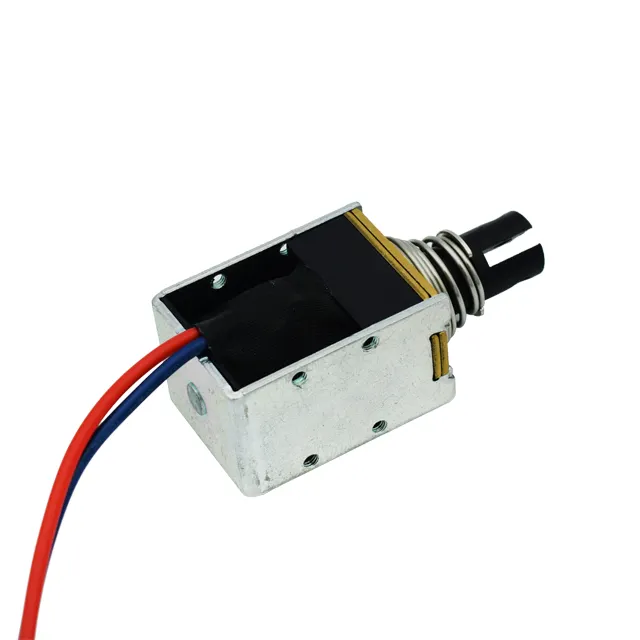

5. electromagnet problems--Electrical Noise and EMI: Disrupting Sensitive Systems
5.1 Causes of Electromagnetic Interference (EMI)
- Arcing Contacts: During rapid ON/OFF switching.
- Unshielded Cables: Acting as antennas for radiated noise.
- Poor Grounding: Creating ground loops.
دراسة حالة رقم 5:
A semiconductor fab’s MRI-compatible robot malfunctioned due to EMI from nearby electromagnets. Oscilloscope traces showed noise spikes disrupting control signals.
5.2 Solutions
- Ferrite Chokes: Install on power and signal cables.
- Twisted Pair Wiring: Reduces magnetic field coupling.
- Shielded Enclosures: Use mu-metal or conductive coatings.
نتيجة: Adding ferrite beads and shielded conduits eliminated EMI, restoring nanoscale positioning accuracy.
6. electromagnet problems--Armature Sticking: When Release Becomes a Problem
6.1 Causes of Sticking
- Residual Magnetism: Common in DC electromagnets.
- Contaminated Surfaces: Oil, grease, or debris on armatures.
- Weak Return Springs: Fatigue or incorrect sizing.
دراسة حالة 6:
A packaging machine’s electromagnet failed to release, causing jams. Residual magnetism of 0.3 Tesla was detected post-power-off.
6.2 Solutions
- Degaussing Circuits: Apply reverse polarity pulses to neutralize residual fields.
- Non-Stick Coatings: Use PTFE or ceramic coatings on armatures.
- Spring Upgrades: Replace with high-cycle-life springs (e.g., 1 million+ cycles).
نتيجة: Installing a degaussing module and coated armatures eliminated sticking.
7. electromagnet problems--Power Supply Issues: The Root of Many Problems
7.1 Common Power-Related Failures
- Voltage Drops: From undersized wiring or long cable runs.
- Ripple Current: Causing coil vibration and noise.
- Phase Imbalance: In 3-phase systems, leading to uneven forces.
Case Study 7:
A wind turbine’s pitch control electromagnet overheated due to 20% voltage drop in 100-meter cables.
7.2 Solutions
- Cable Sizing: Use 125% of rated current capacity (e.g., 10A load → 12.5A cable).
- Active Power Factor Correction (PFC): Reduce reactive power losses.
- Voltage Boosters: Compensate for line drops in long-distance applications.
نتيجة: Upgrading to 16 AWG cables and adding a 28V booster stabilized the system.
8. electromagnet problems--Corrosion and Environmental Damage
8.1 High-Risk Environments
- Marine/Saltwater Exposure: Accelerating galvanic corrosion.
- Chemical Plants: Acidic/alkaline fumes attacking metals.
- Food Processing: Moisture and organic residues.
Case Study 8:
A fish processing plant’s stainless steel electromagnets corroded within 6 months due to chlorine-based sanitizers.
8.2 Solutions
- Material Selection: Use titanium, Hastelloy, or nickel-plated components.
- Protective Coatings: Apply epoxy or DLC (Diamond-Like Carbon) layers.
- Routine Cleaning: Neutralize chemicals with pH-balanced cleaners.
نتيجة: Switching to titanium armatures and daily rinses extended lifespan to 5+ years.
9. Case Studies: Lessons from the Field
9.1 Case Study 9: Aerospace Actuator Failure
مشكلة: An aircraft’s landing gear electromagnet jammed at -50°C due to lubricant freezing.
حل:
- Low-Temperature Grease: Switched to perfluorinated polyether (PFPE) lubricant.
- Cold Testing: Validated performance at -65°C.
نتيجة: Zero failures in Arctic operations.
9.2 Case Study 10: Automotive Assembly Line Downtime
مشكلة: Robotic welders’ electromagnets failed weekly due to welding spatter.
حل:
- Install Protective Shields: Made of boron carbide-coated steel.
- Air Blast Cleaning: Removed spatter after each cycle.
نتيجة: Maintenance intervals extended from 7 to 90 days.
9.3 Case Study 11: Renewable Energy Storage
مشكلة: A battery recycling plant’s electromagnets lost 50% force due to rare-earth magnet demagnetization.
حل:
- Upgrade to AlNiCo Magnets: Higher Curie temperature (800°C vs. 310°C for NdFeB).
- Thermal Shields: Reduced operating temperatures by 100°C.
نتيجة: Demagnetization rate dropped to <1% per year.
10. Preventive Maintenance Checklist
10.1 Daily/Weekly Tasks
- Inspect for debris, corrosion, and loose connections.
- Measure coil temperature with an IR thermometer.
- Verify air gaps with feeler gauges.
10.2 Monthly/Quarterly Tasks
- Test insulation resistance (>100MΩ).
- Lubricate moving parts with approved grease.
- Degauss coils if residual magnetism exceeds 0.1 Tesla.
10.3 Annual Tasks
- Perform vibration analysis to detect mechanical wear.
- Replace consumables (springs, bushings, seals).
- Recalibrate control systems for voltage/current.
Proactive Solutions for Reliable Performance
Understanding and addressing common electromagnet problems is key to minimizing downtime and maximizing ROI. By combining regular maintenance, robust design choices, and lessons from real-world failures, users can ensure their systems operate safely and efficiently for years.
As your trusted electromagnet partner, we offer customized solutions tailored to your operational environment. From corrosion-resistant materials to advanced cooling systems, we’re here to help you conquer every challenge—one magnetic field at a time.
نبذة عن مصنع المغناطيسات الكهربائية SF
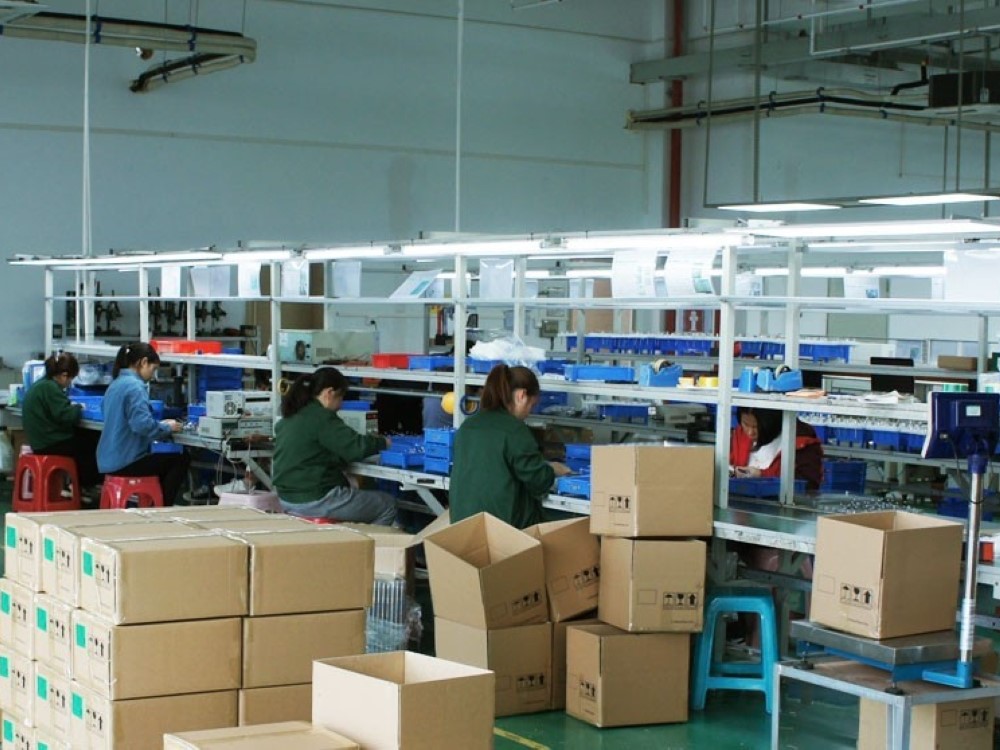
تأسست شركة شينغفنغ للإلكترومغناطيس المحدودة عام 2015، وتقع في مجمع شيانشا الصناعي ذي المناظر الخلابة والموقع المتميز بسهولة الوصول إليه. تمتد الشركة على مساحة 16000 متر مربع، وتضم مصانع إنتاج حديثة، ومعدات إنتاج متطورة، وفريقًا فنيًا عالي الكفاءة. منذ تأسيسها، التزمت الشركة بفلسفة "الابتكار والجودة والخدمة"، مع التركيز على البحث والتطوير والإنتاج. المغناطيسات الكهربائية, ، والترويج المستمر لتحديثات المنتجات والتقدم التكنولوجي، وتزويد العملاء بأفضل المنتجات والخدمات جودة.
لماذا تختار المغناطيس الكهربائي SF
جودة عالية:بصفتنا أفضل مصنّع للمغناطيسات الكهربائية ذات الملفات اللولبية في الصين، يضمن فريق مراقبة الجودة لدينا أن كل منتج تتلقاه يتمتع بأعلى جودة. لدينا أجهزة اختبار جودة احترافية.
تصميم المنتج:يمتلك قسم العينات لدينا عملية متكاملة لتحويل الرسومات إلى واقع ملموس، كما نعمل على تحسين تصميم منتجك استناداً إلى خبرتنا العملية الممتدة لسنوات. شاركنا رأيك.
وقت تسليم ثابت:بصفتنا الشركة الرائدة في تصنيع وتوريد المغناطيسات الكهربائية، فإننا نمتلك قدرة تصنيعية هائلة تتيح لنا تلبية الطلبيات الكبيرة بكفاءة تامة، مع ضمان التسليم في الموعد المحدد.
أفضل سعر:نحن المصنع المباشر والمصدر للمغناطيسات الكهربائية، ونُعد أفضل شركة مصنعة للملفات اللولبية (Solenoids) في الصين؛ ولهذا السبب يمكننا تقديم منتجات عالية الجودة بأفضل الأسعار.
إدارة دقيقة:لا يمكن تحقيق أي شيء ما لم نطبق إدارة دقيقة؛ فنحن شركة تمتلك نظاماً إدارياً متكاملاً.
خدمة على مدار الساعة طوال أيام الأسبوع:بصفتنا أفضل مصنّع للملفات اللولبية، نوفر استجابة فورية على مدار الساعة: سنستقبل ملاحظاتكم لنصبح موردًا أفضل. تواصلوا معنا واتساب +86 18902611680
الأسئلة الشائعة حول المغناطيس الكهربائي
نحن شركة صينية رائدة مغناطيس كهربائي يقع مصنعنا في دونغقوان. نرحب بزيارتكم لمصنعنا!
نحن متخصصون في تصميم وإنتاج منتجات عالية الجودة مغناطيس كهربائي,صمام الملف اللولبي,،مثل الملف اللولبي الدوار،, الملفات اللولبية ثنائية الاستقرار, ملفات لولبية للإغلاق, ملفات لولبية مفتوحة الإطار, الملفات اللولبية الأنبوبية, ملف لولبي ذاتي التثبيت
• عادةً ما نقدم عينات مجانية، وما عليك سوى تغطية تكاليف الشحن. أما بالنسبة لعينات المغناطيس الكهربائي المصممة حسب الطلب، فيرجى إرسال متطلباتك إلينا للتحقق من تكلفة العينة.
• يستغرق إنتاج العينة حوالي 7 أيام.
نعم، نحن نقدم خدمات تصميم مجانية، وتصميم هيكلي، وتصميم جرافيكي بسيط.
بالتأكيد. يمكننا تصنيع أي مغناطيس كهربائي بتصميمك. نقدم الآن خدمة تصنيع الملفات اللولبية حسب الطلب (ODM) بكميات صغيرة تتراوح من 100 إلى 500 قطعة، ولكن يمكنك إضافة شعارك الخاص.
اعتمادًا على كمية الطلب وتفاصيل الإنتاج، سيستغرق الأمر حوالي 15 إلى 20 يومًا.
يتم دائمًا إجراء عينة ما قبل الإنتاج قبل بدء الإنتاج بكميات كبيرة؛ ويتم دائمًا إجراء فحص نهائي قبل الشحن.
• الطاقة، والاستخدام، والحجم، والمادة، والكمية، ووجهة الشحن، إلخ.
• يمكنك أيضًا إخبارنا بمتطلباتك وسنوصي لك بالمنتجات المناسبة.
• عن طريق البحر أو الجو أو البريد السريع.
• إذا كان لديك وكيل شحن خاص بك في الصين، فسيكون السعر هو سعر المصنع أو سعر FOB.
•CFR أو CIF، إلخ، إذا كنت بحاجة إلينا للشحن نيابة عنك.
• يمكن استخدام DDP و DDU أيضًا.
• المزيد من الخيارات، سنأخذ خياراتك بعين الاعتبار.
• يتحدد السعر بناءً على الكمية والمادة وطريقة المعالجة والحجم وعوامل أخرى. بالإضافة إلى ذلك، وبفضل جهودنا المستمرة
بفضل الابتكار التكنولوجي، تتميز أسعار بعض منتجاتنا بتنافسيتها العالية، لذا يرجى الاتصال بنا للحصول على عرض أسعار.