









Cập nhật lần cuối vào ngày 04/09/2025 bởi Nhà máy Solenoid
Nam châm điện are indispensable in industries ranging from automotive manufacturing to renewable energy. However, like all electromechanical devices, they are prone to specific issues that can affect performance, safety, and longevity. As a professional nhà sản xuất nam châm điện, we’ve compiled this comprehensive guide to help users identify, troubleshoot, and prevent the most common electromagnet problems. With real-world case studies and actionable solutions, this blog equips you to maximize uptime and optimize operations.s leo.
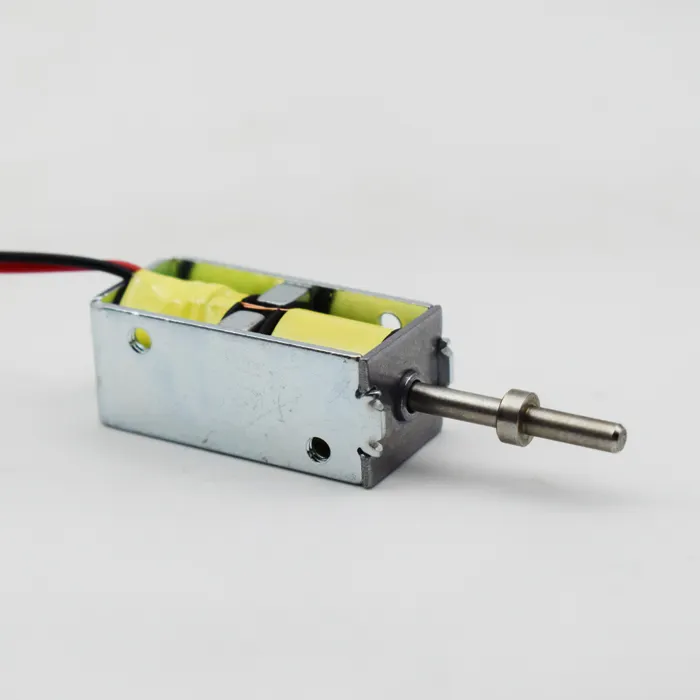
1. electromagnet problems--Overheating: The Silent Killer of Electromagnet
1.1 Causes of Overheating
- Excessive Duty Cycle: Continuous operation beyond rated ON/OFF times.
- High Ambient Temperatures: Poor ventilation or hot environments.
- Voltage Fluctuations: Overvoltage increases current, accelerating heat buildup.
Nghiên cứu trường hợp 1:
A factory’s conveyor system electromagnets overheated after 12 hours of non-stop use. Thermal imaging revealed coil temperatures reaching 120°C—50% above the 80°C limit.
1.2 Solutions
- Install Cooling Systems: Add fans, heat sinks, or liquid cooling jackets.
- Use PWM Controllers: Reduce hold current after activation (e.g., from 100% to 30%).
- Upgrade Insulation: Switch to Class H (180°C-rated) insulation materials.
Kết quả: The factory reduced coil temperatures to 75°C by adding fans and implementing a 60% duty cycle.
2. electromagnet problems--Coil Burnout: From Sparks to System Failures
2.1 Causes of Coil Burnout
- Insulation Breakdown: Due to moisture, chemical exposure, or aging.
- Short Circuits: Damaged wires or contaminants bridging terminals.
- Inrush Current Surges: Uncontrolled startup currents exceeding coil ratings.
Nghiên cứu trường hợp 2:
A hospital elevator’s electromagnetic brake failed abruptly, trapping passengers. Diagnosis revealed a short circuit caused by corroded wiring in a humid shaft.
2.2 Solutions
- Regular Megohmmeter Tests: Check insulation resistance (>100MΩ).
- Surge Suppressors: Install inrush current limiters or NTC thermistors.
- Environmental Sealing: Use epoxy-encapsulated coils in damp areas.
Kết quả: Post-repair, the hospital adopted IP67-rated coils and quarterly insulation tests—no failures in 3 years.
3. electromagnet problems--Reduced Holding Force: When Electromagnets Lose Their Grip
3.1 Causes of Force Loss
- Air Gap Changes: Misalignment or worn armature plates.
- Demagnetization: Excessive heat or mechanical shock.
- Power Supply Issues: Undervoltage or unstable current.
Nghiên cứu trường hợp 3:
A robotic welding cell dropped components due to a 40% force reduction in its gripper electromagnets. Inspection found a 0.5mm air gap deviation from the ideal 0.2mm.
3.2 Solutions
- Laser Alignment Tools: Ensure air gaps within ±0.1mm.
- Armature Resurfacing: Machine worn plates to restore flatness.
- Current Stabilization: Use regulated power supplies with ±2% accuracy.
Kết quả: Realigning the gap and upgrading to a stabilized 24V DC supply restored full holding force.
4. electromagnet problems--Mechanical Wear and Tear: The Cost of Friction
4.1 Common Mechanical Failures
- Worn Bushings/Bearings: Leading to misalignment and noise.
- Fatigue in Springs: Reduced return force in latching systems.
- Corroded Fasteners: Compromising structural integrity.
Nghiên cứu trường hợp 4:
A steel mill’s electromagnetic crane dropped a 5-ton load due to a fractured mounting bracket. Root cause: stress corrosion cracking from acidic fumes.
4.2 Solutions
- Lubrication Schedules: Apply high-temperature grease every 500 cycles.
- Corrosion-Resistant Materials: Use stainless steel (A4-80) or titanium fasteners.
- Vibration Monitoring: Detect imbalance before catastrophic failure.
Kết quả: The mill switched to galvanized brackets and implemented biweekly lubrication—zero incidents in 18 months.
- Được xếp hạng 0 5 sao
- Được xếp hạng 0 5 sao
- Được xếp hạng 0 5 sao
- Được xếp hạng 0 5 sao

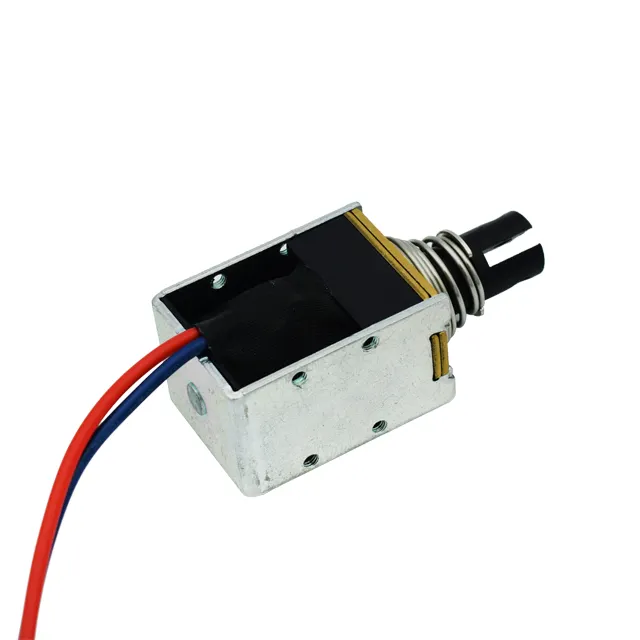

5. electromagnet problems--Electrical Noise and EMI: Disrupting Sensitive Systems
5.1 Causes of Electromagnetic Interference (EMI)
- Arcing Contacts: During rapid ON/OFF switching.
- Unshielded Cables: Acting as antennas for radiated noise.
- Poor Grounding: Creating ground loops.
Nghiên cứu trường hợp 5:
A semiconductor fab’s MRI-compatible robot malfunctioned due to EMI from nearby electromagnets. Oscilloscope traces showed noise spikes disrupting control signals.
5.2 Solutions
- Cuộn cảm Ferrite: Install on power and signal cables.
- Twisted Pair Wiring: Reduces magnetic field coupling.
- Vỏ bọc chống nhiễu: Use mu-metal or conductive coatings.
Kết quả: Adding ferrite beads and shielded conduits eliminated EMI, restoring nanoscale positioning accuracy.
6. electromagnet problems--Armature Sticking: When Release Becomes a Problem
6.1 Causes of Sticking
- Residual Magnetism: Common in DC electromagnets.
- Contaminated Surfaces: Oil, grease, or debris on armatures.
- Weak Return Springs: Fatigue or incorrect sizing.
Nghiên cứu trường hợp 6:
A packaging machine’s electromagnet failed to release, causing jams. Residual magnetism of 0.3 Tesla was detected post-power-off.
6.2 Solutions
- Degaussing Circuits: Apply reverse polarity pulses to neutralize residual fields.
- Non-Stick Coatings: Use PTFE or ceramic coatings on armatures.
- Spring Upgrades: Replace with high-cycle-life springs (e.g., 1 million+ cycles).
Kết quả: Installing a degaussing module and coated armatures eliminated sticking.
7. electromagnet problems--Power Supply Issues: The Root of Many Problems
7.1 Common Power-Related Failures
- Voltage Drops: From undersized wiring or long cable runs.
- Ripple Current: Causing coil vibration and noise.
- Phase Imbalance: In 3-phase systems, leading to uneven forces.
Nghiên cứu trường hợp 7:
A wind turbine’s pitch control electromagnet overheated due to 20% voltage drop in 100-meter cables.
7.2 Solutions
- Cable Sizing: Use 125% of rated current capacity (e.g., 10A load → 12.5A cable).
- Active Power Factor Correction (PFC): Reduce reactive power losses.
- Voltage Boosters: Compensate for line drops in long-distance applications.
Kết quả: Upgrading to 16 AWG cables and adding a 28V booster stabilized the system.
8. electromagnet problems--Corrosion and Environmental Damage
8.1 High-Risk Environments
- Marine/Saltwater Exposure: Accelerating galvanic corrosion.
- Chemical Plants: Acidic/alkaline fumes attacking metals.
- Food Processing: Moisture and organic residues.
Case Study 8:
A fish processing plant’s stainless steel electromagnets corroded within 6 months due to chlorine-based sanitizers.
8.2 Solutions
- Lựa chọn vật liệu: Use titanium, Hastelloy, or nickel-plated components.
- Protective Coatings: Apply epoxy or DLC (Diamond-Like Carbon) layers.
- Routine Cleaning: Neutralize chemicals with pH-balanced cleaners.
Kết quả: Switching to titanium armatures and daily rinses extended lifespan to 5+ years.
9. Case Studies: Lessons from the Field
9.1 Case Study 9: Aerospace Actuator Failure
Vấn đề: An aircraft’s landing gear electromagnet jammed at -50°C due to lubricant freezing.
Giải pháp:
- Low-Temperature Grease: Switched to perfluorinated polyether (PFPE) lubricant.
- Cold Testing: Validated performance at -65°C.
Kết quả: Zero failures in Arctic operations.
9.2 Case Study 10: Automotive Assembly Line Downtime
Vấn đề: Robotic welders’ electromagnets failed weekly due to welding spatter.
Giải pháp:
- Install Protective Shields: Made of boron carbide-coated steel.
- Air Blast Cleaning: Removed spatter after each cycle.
Kết quả: Maintenance intervals extended from 7 to 90 days.
9.3 Case Study 11: Renewable Energy Storage
Vấn đề: A battery recycling plant’s electromagnets lost 50% force due to rare-earth magnet demagnetization.
Giải pháp:
- Upgrade to AlNiCo Magnets: Higher Curie temperature (800°C vs. 310°C for NdFeB).
- Thermal Shields: Reduced operating temperatures by 100°C.
Kết quả: Demagnetization rate dropped to <1% per year.
10. Preventive Maintenance Checklist
10.1 Daily/Weekly Tasks
- Inspect for debris, corrosion, and loose connections.
- Measure coil temperature with an IR thermometer.
- Verify air gaps with feeler gauges.
10.2 Monthly/Quarterly Tasks
- Test insulation resistance (>100MΩ).
- Lubricate moving parts with approved grease.
- Degauss coils if residual magnetism exceeds 0.1 Tesla.
10.3 Annual Tasks
- Perform vibration analysis to detect mechanical wear.
- Replace consumables (springs, bushings, seals).
- Recalibrate control systems for voltage/current.
Proactive Solutions for Reliable Performance
Understanding and addressing common electromagnet problems is key to minimizing downtime and maximizing ROI. By combining regular maintenance, robust design choices, and lessons from real-world failures, users can ensure their systems operate safely and efficiently for years.
As your trusted electromagnet partner, we offer customized solutions tailored to your operational environment. From corrosion-resistant materials to advanced cooling systems, we’re here to help you conquer every challenge—one magnetic field at a time.
Giới thiệu về nhà máy sản xuất nam châm điện SF
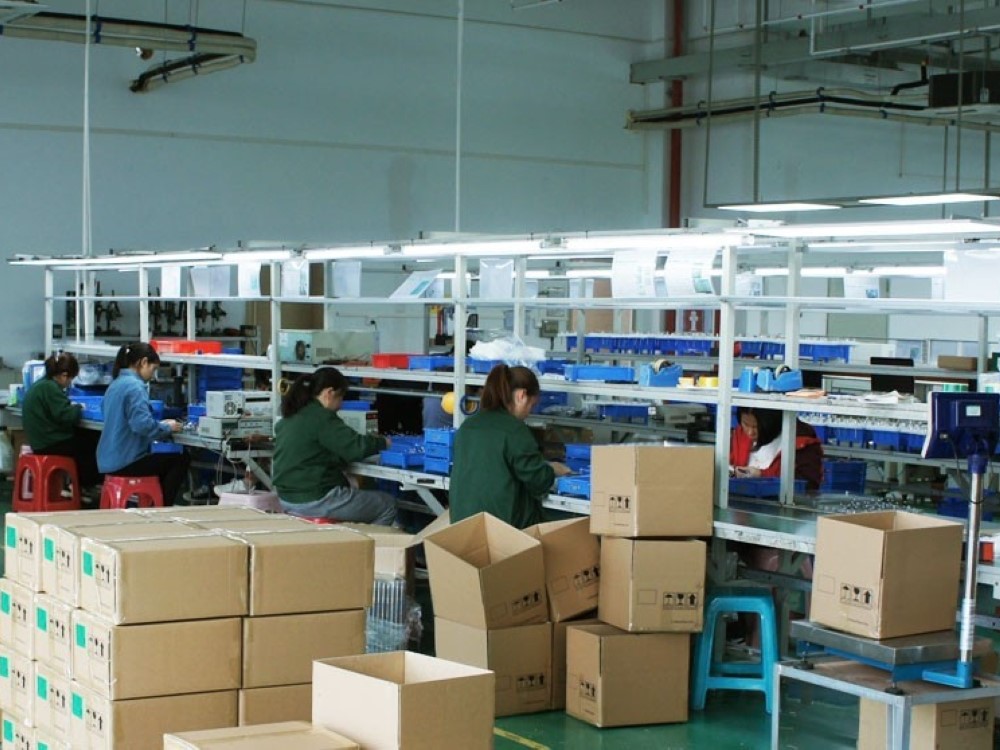
Công ty TNHH Nam châm điện Shengfeng được thành lập năm 2015, tọa lạc tại Khu công nghiệp Tây Sa với cảnh quan đẹp và giao thông thuận tiện. Công ty có diện tích 16.000 mét vuông, sở hữu nhà máy sản xuất hiện đại, thiết bị sản xuất tiên tiến và đội ngũ kỹ thuật chất lượng cao. Từ khi thành lập, chúng tôi luôn tuân thủ triết lý doanh nghiệp “đổi mới, chất lượng và dịch vụ”, tập trung vào nghiên cứu và phát triển cũng như sản xuất các sản phẩm chất lượng cao. nam châm điện, Không ngừng thúc đẩy việc nâng cấp sản phẩm và tiến bộ công nghệ, đồng thời cung cấp cho khách hàng những sản phẩm và dịch vụ chất lượng tốt nhất.
Tại sao nên chọn nam châm điện SF?
CHẤT LƯỢNG CAO CẤP:Là nhà sản xuất nam châm điện solenoid hàng đầu tại Trung Quốc, đội ngũ kiểm soát chất lượng (QC) của chúng tôi cam kết đảm bảo mọi sản phẩm bạn nhận được đều đạt chất lượng tốt nhất. Chúng tôi sở hữu các thiết bị kiểm tra chất lượng chuyên dụng.
THIẾT KẾ SẢN PHẨM:Bộ phận làm mẫu của chúng tôi sở hữu quy trình hoàn chỉnh để hiện thực hóa các bản vẽ. Chúng tôi cũng sẽ cải tiến thiết kế sản phẩm của bạn dựa trên kinh nghiệm làm việc lâu năm. Hãy chia sẻ ý kiến của bạn với chúng tôi.
THỜI GIAN GIAO HÀNG ỔN ĐỊNH:Là nhà sản xuất và cung cấp nam châm điện hàng đầu, chúng tôi sở hữu năng lực sản xuất mạnh mẽ; ngay cả với những đơn hàng lớn, chúng tôi vẫn đảm bảo giao hàng đúng tiến độ cho quý khách.
GIÁ TỐT NHẤT:Chúng tôi là nhà máy sản xuất trực tiếp nam châm điện và là nhà sản xuất solenoid hàng đầu tại Trung Quốc; chính vì vậy, chúng tôi có thể cung cấp các sản phẩm chất lượng cao với mức giá tốt nhất.
QUẢN LÝ CHÍNH XÁC:Chúng ta sẽ không thể đạt được kết quả gì nếu không thực hiện công tác quản lý chặt chẽ. Chúng tôi là công ty sở hữu hệ thống quản lý toàn diện.
PHỤC VỤ 24/7:Là nhà sản xuất van điện từ hàng đầu, chúng tôi cung cấp dịch vụ phản hồi nhanh chóng 24/7: Chúng tôi sẽ tiếp nhận phản hồi của bạn để cải thiện chất lượng dịch vụ và trở thành nhà cung cấp tốt hơn. Liên hệ WhatsApp +86 18902611680
Câu hỏi thường gặp về nam châm điện
Chúng tôi là một công ty hàng đầu của Trung Quốc. nam châm điện Nhà sản xuất của chúng tôi đặt tại Đông Quan. Rất hân hạnh được đón tiếp quý khách đến thăm nhà máy!
Chúng tôi chuyên thiết kế và sản xuất các sản phẩm chất lượng cao. nam châm điện,van điện từ,chẳng hạn như nam châm điện quay, nam châm điện lưỡng ổn định, nam châm điện chốt, van điện từ khung hở, nam châm điện hình ống, van điện từ tự giữ
•Tất nhiên, thông thường chúng tôi sẽ cung cấp mẫu miễn phí, và bạn chỉ cần thanh toán phí vận chuyển. Đối với các mẫu nam châm điện tùy chỉnh, vui lòng gửi yêu cầu của bạn cho chúng tôi để kiểm tra chi phí mẫu.
• Quá trình sản xuất mẫu mất khoảng 7 ngày.
Vâng, chúng tôi cung cấp dịch vụ thiết kế miễn phí, thiết kế kết cấu và thiết kế đồ họa đơn giản.
Chắc chắn rồi. Chúng tôi có thể sản xuất bất kỳ loại nam châm điện nào theo thiết kế của bạn. Hiện tại, chúng tôi đang mở dịch vụ ODM cho nam châm điện từ số lượng nhỏ từ 100 đến 500 chiếc, nhưng bạn vẫn có thể sử dụng logo riêng của mình.
Tùy thuộc vào số lượng đặt hàng và chi tiết sản xuất, thời gian giao hàng sẽ vào khoảng 15 đến 20 ngày.
Luôn có mẫu thử trước khi sản xuất hàng loạt; Luôn kiểm tra cuối cùng trước khi giao hàng.
• Công suất, mục đích sử dụng, kích thước, chất liệu, số lượng, địa điểm giao hàng, v.v.
• Bạn cũng có thể cho chúng tôi biết yêu cầu của bạn và chúng tôi sẽ đề xuất sản phẩm phù hợp.
• Bằng đường biển, đường hàng không hoặc chuyển phát nhanh.
• Nếu bạn có đại lý giao nhận vận tải riêng tại Trung Quốc, đó là giá xuất xưởng hoặc giá FOB.
•CFR hoặc CIF, v.v., nếu bạn cần chúng tôi vận chuyển thay mặt bạn.
• DDP và DDU cũng có thể được sử dụng.
• Chúng tôi sẽ xem xét các lựa chọn của bạn nếu bạn có thêm nhiều sự lựa chọn khác.
• Giá cả được xác định bởi số lượng, chất liệu, phương pháp gia công, kích thước và các yếu tố khác. Ngoài ra, do sự phát triển liên tục của chúng tôi, giá cả được nâng cao.
Nhờ đổi mới công nghệ, giá cả một số sản phẩm của chúng tôi cực kỳ cạnh tranh, vui lòng liên hệ với chúng tôi để được báo giá.