









Cập nhật lần cuối vào ngày 04/09/2025 bởi Nhà máy Solenoid
Electromagnets are critical components in industries ranging from automotive manufacturing to renewable energy systems. Over time, wear and tear, environmental factors, or operational stresses can lead to component failures. Knowing how to repair and replace nam châm điện parts is essential for minimizing downtime, reducing costs, and ensuring operational safety. This guide provides step-by-step instructions, industry best practices, and real-world case studies to empower users to perform effective repairs and replacements.
1. Safety First: Preparing for electromagnet parts Repairs
1.1 Pre-Repair Safety Protocols
- Ngắt nguồn điện hệ thống: Disconnect power and follow Lockout/Tagout (LOTO) procedures.
- Discharge Residual Energy: Use a grounding probe for capacitors or superconducting magnets.
- Wear Protective Gear: Insulated gloves, safety goggles, and flame-resistant clothing.
1.2 Tools and Materials
- Basic Tools: Multimeter, torque wrench, screwdrivers, and pliers.
- Specialized Tools: Coil winder, bearing puller, and megohmmeter.
- Replacement Parts: Coils, armatures, springs, and seals (always use OEM or manufacturer-approved parts).
2. Identifying Replaceable Parts and electromagnet Common Failures
2.1 Key Electromagnet Components
- Coils: Prone to insulation breakdown, open circuits, or overheating.
- Armatures/Cores: Susceptible to corrosion, scoring, or demagnetization.
- Springs: Fatigue or deformation due to cyclic loading.
- Mounting Hardware: Bolts, brackets, and bushings may loosen or corrode.
- Seals and Gaskets: Degrade in harsh environments (e.g., moisture, chemicals).
2.2 Common Failure Symptoms
- Coil Burnout: Charred insulation, open circuit (infinite resistance).
- Weak Magnetic Force: Demagnetized core or misaligned armature.
- Mechanical Jamming: Corroded slides or worn bearings.
3. Step-by-Step Repair and Replacement Procedures
3.1 Replacing a Faulty Coil
Triệu chứng: No activation, burnt smell, or visible insulation damage.
Steps:
- Disassemble the Electromagnet:
- Remove mounting bolts and carefully separate the core from the housing.
- Label wires to ensure correct reconnection.
- Extract the Damaged Coil:
- Use a coil winder or gentle prying tools to avoid damaging the bobbin.
- Install the New Coil:
- Wind the new coil tightly, matching the original turns and direction.
- Secure with epoxy or high-temperature tape.
- Test Continuity and Insulation:
- Verify resistance matches specs (e.g., 10Ω ±5%).
- Use a megohmmeter to ensure insulation resistance >100MΩ.
Nghiên cứu trường hợp 1:
A food processing plant’s conveyor electromagnet failed due to moisture ingress. Replacing the coil with an IP68-rated, epoxy-encapsulated version eliminated future failures.
3.2 Replacing a Worn Armature
Triệu chứng: Reduced holding force, visible pitting, or rust.
Steps:
- Remove the Armature:
- Detach retaining clips or bolts.
- Use a bearing puller if the armature is stuck.
- Clean the Core Surface:
- Polish with fine-grit sandpaper to remove rust or debris.
- Install the New Armature:
- Apply anti-corrosion grease to sliding surfaces.
- Align within 0.1mm tolerance using a dial indicator.
Nghiên cứu trường hợp 2:
A steel mill’s crane electromagnet dropped loads due to a corroded armature. Replacing it with a nickel-plated armature and weekly graphite lubrication restored 100% grip force.
3.3 Replacing Springs and Bushings
Triệu chứng: Slow release, chattering, or misalignment.
Steps:
- Remove Old Springs/Bushings:
- Compress the spring safely using a C-clamp.
- Press out worn bushings with an arbor press.
- Install New Components:
- Select springs with matching spring rate and preload.
- Press bushings into housing with alignment jigs.
- Lubricate:
- Apply high-temperature grease (e.g., lithium complex).
Nghiên cứu trường hợp 3:
A packaging machine’s electromagnet chattered due to a fatigued return spring. Installing a spring with 20% higher preload eliminated noise and improved cycle times.
3.4 Replacing Seals and Gaskets
Triệu chứng: Fluid ingress, corrosion, or loss of pressure.
Steps:
- Disassemble the Housing:
- Carefully peel off old gaskets without scratching surfaces.
- Clean Sealing Surfaces:
- Use isopropyl alcohol to remove residue.
- Install New Seals:
- Apply silicone sealant for static gaskets.
- Use Viton or PTFE seals for chemical resistance.
Nghiên cứu trường hợp 4:
A hydraulic valve’s electromagnet failed due to oil contamination. Replacing nitrile seals with PTFE versions extended service life by 300%.
4. Reassembly and Post-Repair Testing
4.1 Reassembly Best Practices
- Follow Torque Specs: Over-tightening bolts can warp components (e.g., 15 N·m for M8 bolts).
- Reconnect Wiring: Ensure correct polarity for DC coils.
- Verify Air Gaps: Use feeler gauges to maintain manufacturer-specified gaps.
4.2 Functional Testing
- Electrical Tests:
- Continuity: Confirm no open/short circuits.
- Insulation Resistance: >100MΩ at 500V DC.
- Mechanical Tests:
- Actuation Force: Use a load cell to verify holding force.
- Thời gian phản hồi: Measure engagement/disengagement speed with a strobe light.
- Environmental Tests:
- Thermal Cycling: Operate at min/max rated temperatures.
- Vibration Testing: Ensure no loosening at 5–500 Hz.
Nghiên cứu trường hợp 5:
After replacing a coil in a wind turbine’s pitch control system, technicians used a thermal camera to validate even heat distribution and a megohmmeter to confirm 150MΩ insulation resistance.
- Được xếp hạng 0 5 sao
- Được xếp hạng 0 5 sao
- Được xếp hạng 0 5 sao
- Được xếp hạng 0 5 sao

5. Industry-Specific electromagnet Repair Case Studies
5.1 Automotive Manufacturing: Solenoid Valve Repair
Vấn đề: A robotic paint shop’s solenoid valve leaked due to a worn plunger seal.
Giải pháp:
- Replaced the seal with Kalrez® (chemically resistant fluoropolymer).
- Upgraded to a dual-coil design for redundancy.
Kết quả: Zero leaks over 12 months, saving $50K annually in paint waste.
5.2 Healthcare: MRI Magnet Quench Repair
Vấn đề: A superconducting magnet quenched, damaging its cryogenic system.
Giải pháp:
- Replaced fractured Nb₃Sn coil sections.
- Installed a redundant quench detection circuit.
Kết quả: Magnet restored to 3 Tesla operation with enhanced safety protocols.
5.3 Renewable Energy: Wind Turbine Brake Repair
Vấn đề: A turbine’s electromagnetic brake overheated due to a cracked armature.
Giải pháp:
- Replaced the armature with a forged steel variant.
- Added active cooling fans.
Kết quả: Brake lifespan extended from 2 to 7 years.
6. Preventive Maintenance to Reduce Repairs
6.1 Scheduled Inspections
- Hàng tháng: Check bolt torque, electrical connections, and lubrication.
- Hàng năm: Perform full disassembly and component replacement if wear exceeds 10%.
6.2 Environmental Protection
- Enclosures: Use NEMA 4X cabinets for outdoor installations.
- Coatings: Apply ceramic or epoxy coatings to resist corrosion.
6.3 Training and Documentation
- Workshops: Train staff to recognize early failure signs (e.g., unusual noises, slower response).
- Nhật ký điện tử: Track part lifespans and failure modes using CMMS software.
7. When to Consult a electromagnet Professional
While many repairs can be done in-house, seek expert help for:
- Superconducting Magnets: Require cryogenic expertise and specialized tools.
- High-Voltage Systems: Risks of arc flashes or lethal shocks.
- Custom Components: Proprietary designs needing OEM tooling.
Nghiên cứu trường hợp 6:
A nuclear plant’s control rod electromagnet required proprietary cobalt-free alloys. The OEM performed the repair under radiological supervision, ensuring regulatory compliance.
Empowering Users with Repair Expertise
Learning how to repair and replace electromagnet parts is a vital skill for maintaining operational efficiency and safety. By following this guide—backed by real-world examples and best practices—users can tackle common issues confidently, reduce downtime, and extend equipment life.
As your trusted nam châm điện partner, we provide custom repair kits, technical support, and training programs to ensure your systems perform at their peak. Remember: Proactive maintenance and skilled repairs are the keys to unlocking decades of reliable service.
Giới thiệu về nhà máy sản xuất nam châm điện SF
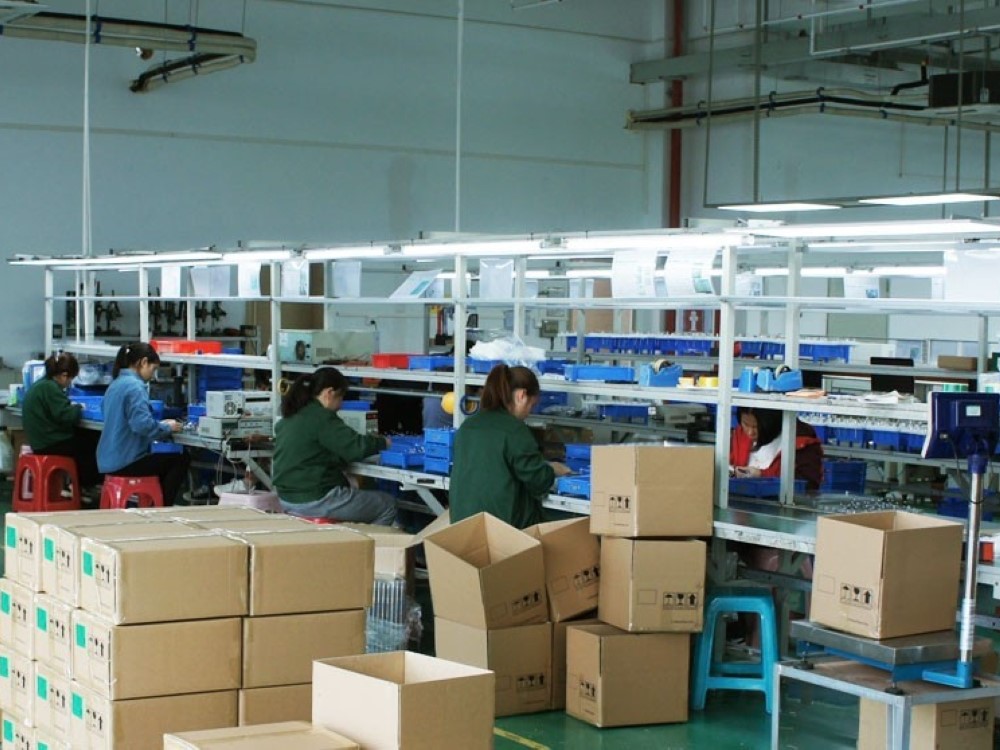
Công ty TNHH Nam châm điện Shengfeng được thành lập năm 2015, tọa lạc tại Khu công nghiệp Tây Sa với cảnh quan đẹp và giao thông thuận tiện. Công ty có diện tích 16.000 mét vuông, sở hữu nhà máy sản xuất hiện đại, thiết bị sản xuất tiên tiến và đội ngũ kỹ thuật chất lượng cao. Từ khi thành lập, chúng tôi luôn tuân thủ triết lý doanh nghiệp “đổi mới, chất lượng và dịch vụ”, tập trung vào nghiên cứu và phát triển cũng như sản xuất các sản phẩm chất lượng cao. nam châm điện, Không ngừng thúc đẩy việc nâng cấp sản phẩm và tiến bộ công nghệ, đồng thời cung cấp cho khách hàng những sản phẩm và dịch vụ chất lượng tốt nhất.
Tại sao nên chọn nam châm điện SF?
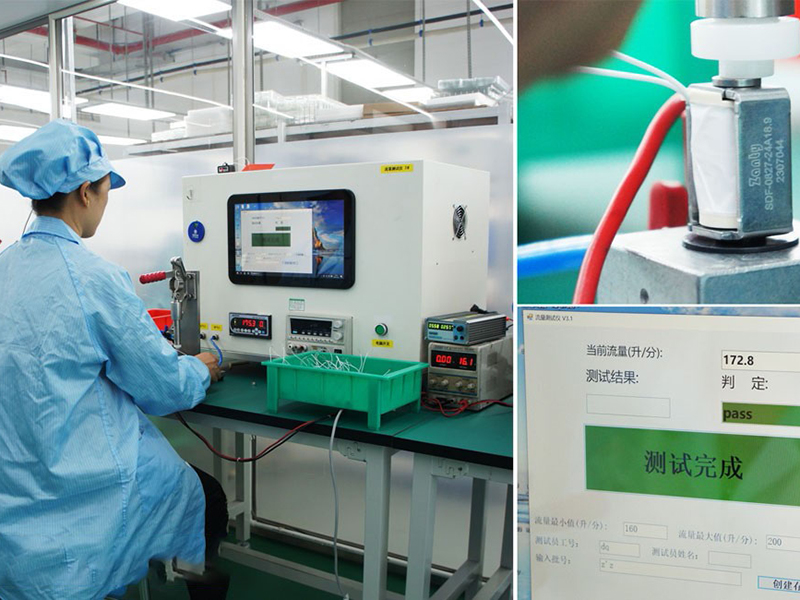
CHẤT LƯỢNG CAO CẤP:Là nhà sản xuất nam châm điện solenoid hàng đầu tại Trung Quốc, đội ngũ kiểm soát chất lượng (QC) của chúng tôi cam kết đảm bảo mọi sản phẩm bạn nhận được đều đạt chất lượng tốt nhất. Chúng tôi sở hữu các thiết bị kiểm tra chất lượng chuyên dụng.
THIẾT KẾ SẢN PHẨM:Bộ phận làm mẫu của chúng tôi sở hữu quy trình hoàn chỉnh để hiện thực hóa các bản vẽ. Chúng tôi cũng sẽ cải tiến thiết kế sản phẩm của bạn dựa trên kinh nghiệm làm việc lâu năm. Hãy chia sẻ ý kiến của bạn với chúng tôi.
THỜI GIAN GIAO HÀNG ỔN ĐỊNH:Là nhà sản xuất và cung cấp nam châm điện hàng đầu, chúng tôi sở hữu năng lực sản xuất mạnh mẽ; ngay cả với những đơn hàng lớn, chúng tôi vẫn đảm bảo giao hàng đúng tiến độ cho quý khách.
GIÁ TỐT NHẤT:Chúng tôi là nhà máy sản xuất trực tiếp nam châm điện và là nhà sản xuất solenoid hàng đầu tại Trung Quốc; chính vì vậy, chúng tôi có thể cung cấp các sản phẩm chất lượng cao với mức giá tốt nhất.
QUẢN LÝ CHÍNH XÁC:Chúng ta sẽ không thể đạt được kết quả gì nếu không thực hiện công tác quản lý chặt chẽ. Chúng tôi là công ty sở hữu hệ thống quản lý toàn diện.
PHỤC VỤ 24/7:Là nhà sản xuất van điện từ hàng đầu, chúng tôi cung cấp dịch vụ phản hồi nhanh chóng 24/7: Chúng tôi sẽ tiếp nhận phản hồi của bạn để cải thiện chất lượng dịch vụ và trở thành nhà cung cấp tốt hơn. Liên hệ WhatsApp +86 18902611680
Câu hỏi thường gặp về nam châm điện
Chúng tôi là một công ty hàng đầu của Trung Quốc. nam châm điện Nhà sản xuất của chúng tôi đặt tại Đông Quan. Rất hân hạnh được đón tiếp quý khách đến thăm nhà máy!
Chúng tôi chuyên thiết kế và sản xuất các sản phẩm chất lượng cao. nam châm điện,van điện từ,chẳng hạn như nam châm điện quay, nam châm điện lưỡng ổn định, nam châm điện chốt, van điện từ khung hở, nam châm điện hình ống, van điện từ tự giữ
•Tất nhiên, thông thường chúng tôi sẽ cung cấp mẫu miễn phí, và bạn chỉ cần thanh toán phí vận chuyển. Đối với các mẫu nam châm điện tùy chỉnh, vui lòng gửi yêu cầu của bạn cho chúng tôi để kiểm tra chi phí mẫu.
• Quá trình sản xuất mẫu mất khoảng 7 ngày.
Vâng, chúng tôi cung cấp dịch vụ thiết kế miễn phí, thiết kế kết cấu và thiết kế đồ họa đơn giản.
Chắc chắn rồi. Chúng tôi có thể sản xuất bất kỳ loại nam châm điện nào theo thiết kế của bạn. Hiện tại, chúng tôi đang mở dịch vụ ODM cho nam châm điện từ số lượng nhỏ từ 100 đến 500 chiếc, nhưng bạn vẫn có thể sử dụng logo riêng của mình.
Tùy thuộc vào số lượng đặt hàng và chi tiết sản xuất, thời gian giao hàng sẽ vào khoảng 15 đến 20 ngày.
Luôn có mẫu thử trước khi sản xuất hàng loạt; Luôn kiểm tra cuối cùng trước khi giao hàng.
• Công suất, mục đích sử dụng, kích thước, chất liệu, số lượng, địa điểm giao hàng, v.v.
• Bạn cũng có thể cho chúng tôi biết yêu cầu của bạn và chúng tôi sẽ đề xuất sản phẩm phù hợp.
• Bằng đường biển, đường hàng không hoặc chuyển phát nhanh.
• Nếu bạn có đại lý giao nhận vận tải riêng tại Trung Quốc, đó là giá xuất xưởng hoặc giá FOB.
•CFR hoặc CIF, v.v., nếu bạn cần chúng tôi vận chuyển thay mặt bạn.
• DDP và DDU cũng có thể được sử dụng.
• Chúng tôi sẽ xem xét các lựa chọn của bạn nếu bạn có thêm nhiều sự lựa chọn khác.
• Giá cả được xác định bởi số lượng, chất liệu, phương pháp gia công, kích thước và các yếu tố khác. Ngoài ra, do sự phát triển liên tục của chúng tôi, giá cả được nâng cao.
Nhờ đổi mới công nghệ, giá cả một số sản phẩm của chúng tôi cực kỳ cạnh tranh, vui lòng liên hệ với chúng tôi để được báo giá.