









Zuletzt aktualisiert am 04.09.2025 von Magnetspulenfabrik
Electromagnets are critical components in industries ranging from automotive manufacturing to renewable energy systems. Over time, wear and tear, environmental factors, or operational stresses can lead to component failures. Knowing how to repair and replace Elektromagnet parts is essential for minimizing downtime, reducing costs, and ensuring operational safety. This guide provides step-by-step instructions, industry best practices, and real-world case studies to empower users to perform effective repairs and replacements.
1. Safety First: Preparing for electromagnet parts Repairs
1.1 Pre-Repair Safety Protocols
- De-Energize the System: Disconnect power and follow Lockout/Tagout (LOTO) procedures.
- Discharge Residual Energy: Use a grounding probe for capacitors or superconducting magnets.
- Wear Protective Gear: Insulated gloves, safety goggles, and flame-resistant clothing.
1.2 Tools and Materials
- Basic Tools: Multimeter, torque wrench, screwdrivers, and pliers.
- Specialized Tools: Coil winder, bearing puller, and megohmmeter.
- Replacement Parts: Coils, armatures, springs, and seals (always use OEM or manufacturer-approved parts).
2. Identifying Replaceable Parts and electromagnet Common Failures
2.1 Key Electromagnet Components
- Coils: Prone to insulation breakdown, open circuits, or overheating.
- Armatures/Cores: Susceptible to corrosion, scoring, or demagnetization.
- Springs: Fatigue or deformation due to cyclic loading.
- Mounting Hardware: Bolts, brackets, and bushings may loosen or corrode.
- Seals and Gaskets: Degrade in harsh environments (e.g., moisture, chemicals).
2.2 Common Failure Symptoms
- Coil Burnout: Charred insulation, open circuit (infinite resistance).
- Weak Magnetic Force: Demagnetized core or misaligned armature.
- Mechanical Jamming: Corroded slides or worn bearings.
3. Step-by-Step Repair and Replacement Procedures
3.1 Replacing a Faulty Coil
Symptoms: No activation, burnt smell, or visible insulation damage.
Steps:
- Disassemble the Electromagnet:
- Remove mounting bolts and carefully separate the core from the housing.
- Label wires to ensure correct reconnection.
- Extract the Damaged Coil:
- Use a coil winder or gentle prying tools to avoid damaging the bobbin.
- Install the New Coil:
- Wind the new coil tightly, matching the original turns and direction.
- Secure with epoxy or high-temperature tape.
- Test Continuity and Insulation:
- Verify resistance matches specs (e.g., 10Ω ±5%).
- Use a megohmmeter to ensure insulation resistance >100MΩ.
Case Study 1:
A food processing plant’s conveyor electromagnet failed due to moisture ingress. Replacing the coil with an IP68-rated, epoxy-encapsulated version eliminated future failures.
3.2 Replacing a Worn Armature
Symptoms: Reduced holding force, visible pitting, or rust.
Steps:
- Remove the Armature:
- Detach retaining clips or bolts.
- Use a bearing puller if the armature is stuck.
- Clean the Core Surface:
- Polish with fine-grit sandpaper to remove rust or debris.
- Install the New Armature:
- Apply anti-corrosion grease to sliding surfaces.
- Align within 0.1mm tolerance using a dial indicator.
Case Study 2:
A steel mill’s crane electromagnet dropped loads due to a corroded armature. Replacing it with a nickel-plated armature and weekly graphite lubrication restored 100% grip force.
3.3 Replacing Springs and Bushings
Symptoms: Slow release, chattering, or misalignment.
Steps:
- Remove Old Springs/Bushings:
- Compress the spring safely using a C-clamp.
- Press out worn bushings with an arbor press.
- Install New Components:
- Select springs with matching spring rate and preload.
- Press bushings into housing with alignment jigs.
- Lubricate:
- Apply high-temperature grease (e.g., lithium complex).
Case Study 3:
A packaging machine’s electromagnet chattered due to a fatigued return spring. Installing a spring with 20% higher preload eliminated noise and improved cycle times.
3.4 Replacing Seals and Gaskets
Symptoms: Fluid ingress, corrosion, or loss of pressure.
Steps:
- Disassemble the Housing:
- Carefully peel off old gaskets without scratching surfaces.
- Clean Sealing Surfaces:
- Use isopropyl alcohol to remove residue.
- Install New Seals:
- Apply silicone sealant for static gaskets.
- Use Viton or PTFE seals for chemical resistance.
Case Study 4:
A hydraulic valve’s electromagnet failed due to oil contamination. Replacing nitrile seals with PTFE versions extended service life by 300%.
4. Reassembly and Post-Repair Testing
4.1 Reassembly Best Practices
- Follow Torque Specs: Over-tightening bolts can warp components (e.g., 15 N·m for M8 bolts).
- Reconnect Wiring: Ensure correct polarity for DC coils.
- Verify Air Gaps: Use feeler gauges to maintain manufacturer-specified gaps.
4.2 Functional Testing
- Electrical Tests:
- Continuity: Confirm no open/short circuits.
- Insulation Resistance: >100MΩ at 500V DC.
- Mechanical Tests:
- Actuation Force: Use a load cell to verify holding force.
- Response Time: Measure engagement/disengagement speed with a strobe light.
- Environmental Tests:
- Thermal Cycling: Operate at min/max rated temperatures.
- Vibration Testing: Ensure no loosening at 5–500 Hz.
Case Study 5:
After replacing a coil in a wind turbine’s pitch control system, technicians used a thermal camera to validate even heat distribution and a megohmmeter to confirm 150MΩ insulation resistance.
- Bewertet mit 0 von 5
- Bewertet mit 0 von 5
- Bewertet mit 0 von 5
- Bewertet mit 0 von 5
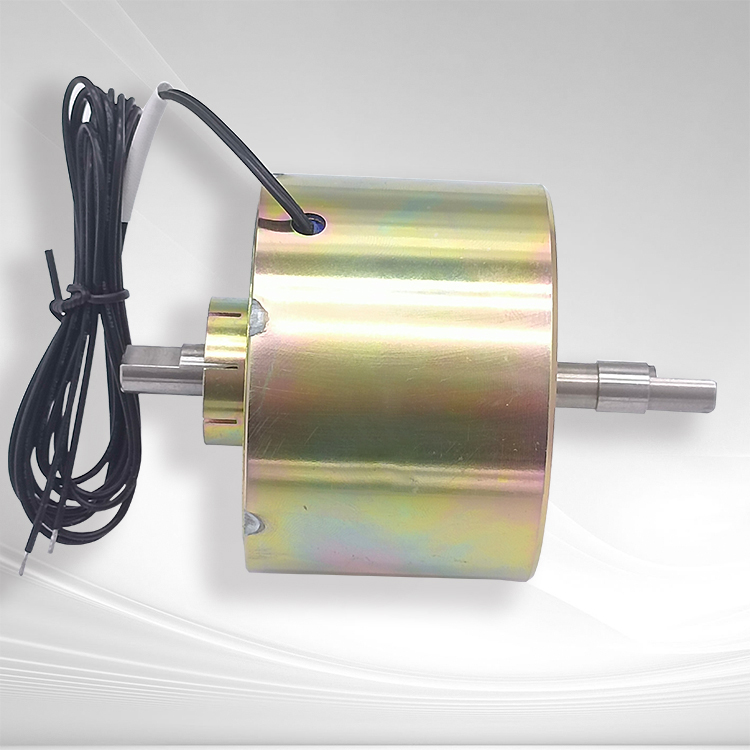

5. Industry-Specific electromagnet Repair Case Studies
5.1 Automotive Manufacturing: Solenoid Valve Repair
Problem: A robotic paint shop’s solenoid valve leaked due to a worn plunger seal.
Lösung:
- Replaced the seal with Kalrez® (chemically resistant fluoropolymer).
- Upgraded to a dual-coil design for redundancy.
Result: Zero leaks over 12 months, saving $50K annually in paint waste.
5.2 Healthcare: MRI Magnet Quench Repair
Problem: A superconducting magnet quenched, damaging its cryogenic system.
Lösung:
- Replaced fractured Nb₃Sn coil sections.
- Installed a redundant quench detection circuit.
Result: Magnet restored to 3 Tesla operation with enhanced safety protocols.
5.3 Renewable Energy: Wind Turbine Brake Repair
Problem: A turbine’s electromagnetic brake overheated due to a cracked armature.
Lösung:
- Replaced the armature with a forged steel variant.
- Added active cooling fans.
Result: Brake lifespan extended from 2 to 7 years.
6. Preventive Maintenance to Reduce Repairs
6.1 Scheduled Inspections
- Monthly: Check bolt torque, electrical connections, and lubrication.
- Annually: Perform full disassembly and component replacement if wear exceeds 10%.
6.2 Environmental Protection
- Enclosures: Use NEMA 4X cabinets for outdoor installations.
- Coatings: Apply ceramic or epoxy coatings to resist corrosion.
6.3 Training and Documentation
- Workshops: Train staff to recognize early failure signs (e.g., unusual noises, slower response).
- Digital Logs: Track part lifespans and failure modes using CMMS software.
7. When to Consult a electromagnet Professional
While many repairs can be done in-house, seek expert help for:
- Superconducting Magnets: Require cryogenic expertise and specialized tools.
- High-Voltage Systems: Risks of arc flashes or lethal shocks.
- Custom Components: Proprietary designs needing OEM tooling.
Case Study 6:
A nuclear plant’s control rod electromagnet required proprietary cobalt-free alloys. The OEM performed the repair under radiological supervision, ensuring regulatory compliance.
Empowering Users with Repair Expertise
Learning how to repair and replace electromagnet parts is a vital skill for maintaining operational efficiency and safety. By following this guide—backed by real-world examples and best practices—users can tackle common issues confidently, reduce downtime, and extend equipment life.
As your trusted Elektromagnet partner, we provide custom repair kits, technical support, and training programs to ensure your systems perform at their peak. Remember: Proactive maintenance and skilled repairs are the keys to unlocking decades of reliable service.
Über die SF-Elektromagnetfabrik
Shengfeng Electromagnet Co., Ltd. wurde 2015 gegründet und befindet sich im Industriepark Xiansha, der durch seine landschaftliche Schönheit und die hervorragende Verkehrsanbindung besticht. Das Unternehmen erstreckt sich über eine Fläche von 16.000 Quadratmetern und verfügt über moderne Produktionsanlagen, fortschrittliche Fertigungstechnik und ein hochqualifiziertes technisches Team. Seit unserer Gründung verfolgen wir konsequent die Unternehmensphilosophie “Innovation, Qualität und Service” und konzentrieren uns auf Forschung, Entwicklung und Produktion. Elektromagnete, Wir fördern ständig Produktverbesserungen und technologischen Fortschritt und bieten unseren Kunden Produkte und Dienstleistungen von höchster Qualität.
Warum sollte man sich für einen SF-Elektromagneten entscheiden?
HOHE QUALITÄT:Als führender Hersteller von Elektromagneten in China stellt unser Qualitätssicherungsteam sicher, dass jedes einzelne Produkt, das Sie erhalten, von höchster Qualität ist. Wir verfügen über professionelle Prüfgeräte für die Qualitätskontrolle.
PRODUKTDESIGN:Unsere Musterabteilung deckt den gesamten Prozess von der Zeichnung bis zur Realisierung ab. Zudem optimieren wir Ihr Produktdesign auf der Grundlage unserer langjährigen Erfahrung. Teilen Sie uns Ihre Meinung mit.
STABILE LIEFERZEIT:Als führender Hersteller und Lieferant von Elektromagneten verfügen wir über ausreichende Fertigungskapazitäten; auch Großaufträge stellen für uns kein Problem dar – wir liefern Ihre Bestellung pünktlich.
BESTER PREIS:Wir sind ein direkt produzierendes Werk für Elektromagnete und der führende Hersteller von Solenoiden in China; deshalb können wir hochwertige Produkte zu besten Preisen anbieten.
PRÄZISES MANAGEMENT:Ohne eine präzise Steuerung lässt sich nichts erreichen. Wir sind ein Unternehmen mit einem umfassenden Managementsystem.
24-Stunden-Service:Als führender Hersteller von Magnetventilen bieten wir Ihnen rund um die Uhr sofortige Hilfe: Wir freuen uns über Ihr Feedback, um uns stetig zu verbessern. Kontaktieren Sie uns. WhatsApp +86 18902611680
Häufig gestellte Fragen zu Elektromagneten
Wir sind ein chinesisches Top-Unternehmen Elektromagnet Der Hersteller und unser Werk befinden sich in Dongguan. Besuchen Sie uns gerne!
Wir sind spezialisiert auf die Entwicklung und Produktion von hochwertigen Produkten. Elektromagnet,Magnetventil,wie zum Beispiel Drehmagnet, bistabile Magnetspulen, Verriegelungsmagnete, offene Rahmenmagnete, Rohrmagnete, selbsthaltender Magnet
• Selbstverständlich stellen wir Ihnen in der Regel kostenlose Muster zur Verfügung; Sie müssen lediglich die Versandkosten übernehmen. Für kundenspezifische Elektromagnetmuster senden Sie uns bitte Ihre Anforderungen, damit wir die Musterkosten prüfen können.
• Die Anfertigung von Mustern dauert etwa 7 Tage.
Ja, wir bieten kostenlose Designleistungen, Strukturplanung und einfache Grafikgestaltung an.
Selbstverständlich. Wir können jeden Elektromagneten nach Ihren Vorgaben fertigen. Neu im Angebot ist die ODM-Solenoidproduktion für Kleinserien von 100 bis 500 Stück. Auch hier können Sie Ihr eigenes Logo verwenden.
Je nach Bestellmenge und Produktionsdetails dauert es etwa 15 bis 20 Tage.
Vor der Serienproduktion wird stets ein Vorserienmuster gefertigt; vor dem Versand erfolgt stets eine Endkontrolle.
• Leistung, Verwendungszweck, Größe, Material, Menge, Lieferort usw.
• Sie können uns auch einfach Ihre Anforderungen mitteilen, und wir werden Ihnen Produkte empfehlen.
• Auf dem Seeweg, auf dem Luftweg oder per Express.
• Wenn Sie einen eigenen Spediteur in China haben, gilt der Preis ab Werk (FOB).
•CFR oder CIF usw., falls Sie den Versand durch uns in Ihrem Namen wünschen.
• DDP und DDU können ebenfalls verwendet werden.
• Mehr Auswahlmöglichkeiten, wir werden Ihre Wünsche berücksichtigen.
Der Preis richtet sich nach Menge, Material, Verarbeitungsmethode, Größe und weiteren Faktoren. Darüber hinaus trägt unsere kontinuierliche
Aufgrund technologischer Innovationen sind die Preise einiger unserer Produkte äußerst wettbewerbsfähig. Bitte kontaktieren Sie uns für ein Angebot.