









Last Updated on 2025-09-04 by SolenoidFactory
Electromagnets are critical components in industries ranging from automotive manufacturing to renewable energy systems. Over time, wear and tear, environmental factors, or operational stresses can lead to component failures. Knowing how to repair and replace электромагнит parts is essential for minimizing downtime, reducing costs, and ensuring operational safety. This guide provides step-by-step instructions, industry best practices, and real-world case studies to empower users to perform effective repairs and replacements.
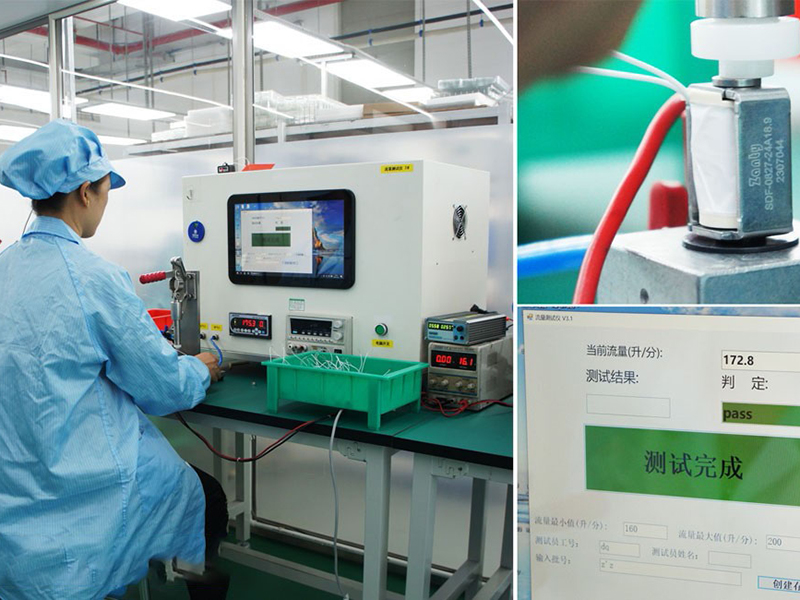
1. Safety First: Preparing for electromagnet parts Repairs
1.1 Pre-Repair Safety Protocols
- De-Energize the System: Disconnect power and follow Lockout/Tagout (LOTO) procedures.
- Discharge Residual Energy: Use a grounding probe for capacitors or superconducting magnets.
- Wear Protective Gear: Insulated gloves, safety goggles, and flame-resistant clothing.
1.2 Tools and Materials
- Basic Tools: Multimeter, torque wrench, screwdrivers, and pliers.
- Specialized Tools: Coil winder, bearing puller, and megohmmeter.
- Replacement Parts: Coils, armatures, springs, and seals (always use OEM or manufacturer-approved parts).
2. Identifying Replaceable Parts and electromagnet Common Failures
2.1 Key Electromagnet Components
- Coils: Prone to insulation breakdown, open circuits, or overheating.
- Armatures/Cores: Susceptible to corrosion, scoring, or demagnetization.
- Springs: Fatigue or deformation due to cyclic loading.
- Mounting Hardware: Bolts, brackets, and bushings may loosen or corrode.
- Seals and Gaskets: Degrade in harsh environments (e.g., moisture, chemicals).
2.2 Common Failure Symptoms
- Coil Burnout: Charred insulation, open circuit (infinite resistance).
- Weak Magnetic Force: Demagnetized core or misaligned armature.
- Mechanical Jamming: Corroded slides or worn bearings.
3. Step-by-Step Repair and Replacement Procedures
3.1 Replacing a Faulty Coil
Symptoms: No activation, burnt smell, or visible insulation damage.
Steps:
- Disassemble the Electromagnet:
- Remove mounting bolts and carefully separate the core from the housing.
- Label wires to ensure correct reconnection.
- Extract the Damaged Coil:
- Use a coil winder or gentle prying tools to avoid damaging the bobbin.
- Install the New Coil:
- Wind the new coil tightly, matching the original turns and direction.
- Secure with epoxy or high-temperature tape.
- Test Continuity and Insulation:
- Verify resistance matches specs (e.g., 10Ω ±5%).
- Use a megohmmeter to ensure insulation resistance >100MΩ.
Case Study 1:
A food processing plant’s conveyor electromagnet failed due to moisture ingress. Replacing the coil with an IP68-rated, epoxy-encapsulated version eliminated future failures.
3.2 Replacing a Worn Armature
Symptoms: Reduced holding force, visible pitting, or rust.
Steps:
- Remove the Armature:
- Detach retaining clips or bolts.
- Use a bearing puller if the armature is stuck.
- Clean the Core Surface:
- Polish with fine-grit sandpaper to remove rust or debris.
- Install the New Armature:
- Apply anti-corrosion grease to sliding surfaces.
- Align within 0.1mm tolerance using a dial indicator.
Case Study 2:
A steel mill’s crane electromagnet dropped loads due to a corroded armature. Replacing it with a nickel-plated armature and weekly graphite lubrication restored 100% grip force.
3.3 Replacing Springs and Bushings
Symptoms: Slow release, chattering, or misalignment.
Steps:
- Remove Old Springs/Bushings:
- Compress the spring safely using a C-clamp.
- Press out worn bushings with an arbor press.
- Install New Components:
- Select springs with matching spring rate and preload.
- Press bushings into housing with alignment jigs.
- Lubricate:
- Apply high-temperature grease (e.g., lithium complex).
Case Study 3:
A packaging machine’s electromagnet chattered due to a fatigued return spring. Installing a spring with 20% higher preload eliminated noise and improved cycle times.
3.4 Replacing Seals and Gaskets
Symptoms: Fluid ingress, corrosion, or loss of pressure.
Steps:
- Disassemble the Housing:
- Carefully peel off old gaskets without scratching surfaces.
- Clean Sealing Surfaces:
- Use isopropyl alcohol to remove residue.
- Install New Seals:
- Apply silicone sealant for static gaskets.
- Use Viton or PTFE seals for chemical resistance.
Case Study 4:
A hydraulic valve’s electromagnet failed due to oil contamination. Replacing nitrile seals with PTFE versions extended service life by 300%.
4. Reassembly and Post-Repair Testing
4.1 Reassembly Best Practices
- Follow Torque Specs: Over-tightening bolts can warp components (e.g., 15 N·m for M8 bolts).
- Reconnect Wiring: Ensure correct polarity for DC coils.
- Verify Air Gaps: Use feeler gauges to maintain manufacturer-specified gaps.
4.2 Functional Testing
- Electrical Tests:
- Continuity: Confirm no open/short circuits.
- Insulation Resistance: >100MΩ at 500V DC.
- Mechanical Tests:
- Actuation Force: Use a load cell to verify holding force.
- Response Time: Measure engagement/disengagement speed with a strobe light.
- Environmental Tests:
- Thermal Cycling: Operate at min/max rated temperatures.
- Vibration Testing: Ensure no loosening at 5–500 Hz.
Case Study 5:
After replacing a coil in a wind turbine’s pitch control system, technicians used a thermal camera to validate even heat distribution and a megohmmeter to confirm 150MΩ insulation resistance.
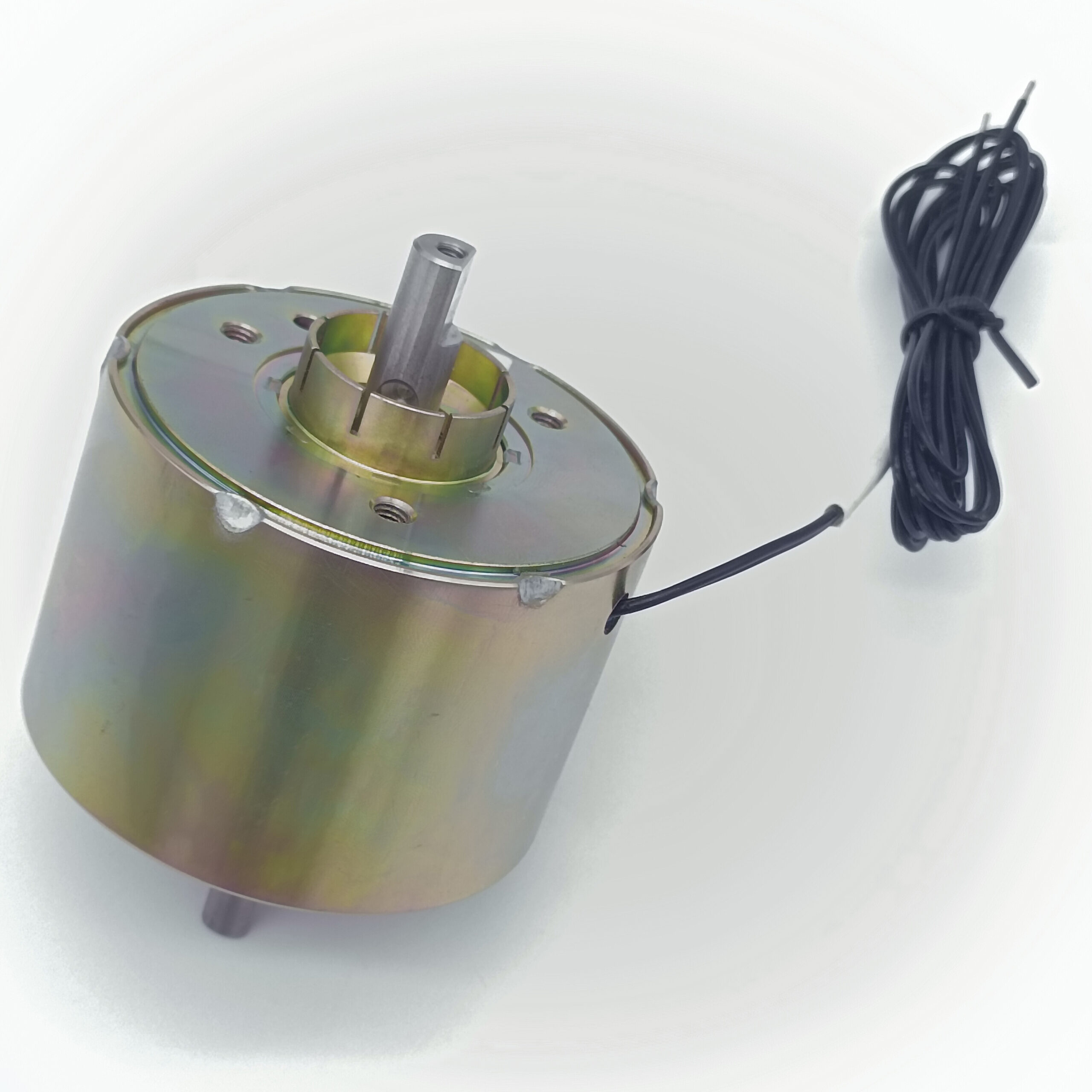
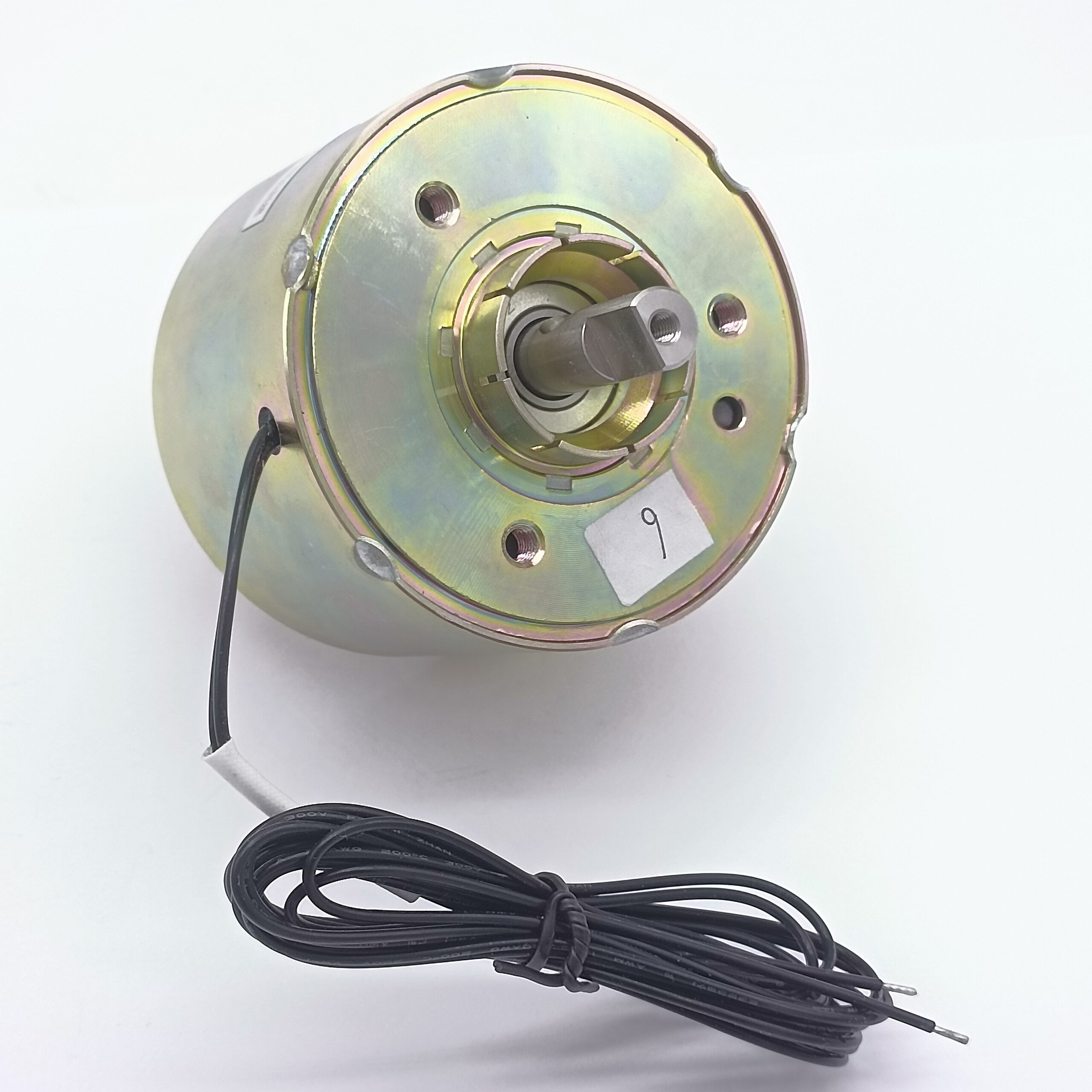

5. Industry-Specific electromagnet Repair Case Studies
5.1 Automotive Manufacturing: Solenoid Valve Repair
Problem: A robotic paint shop’s solenoid valve leaked due to a worn plunger seal.
Solution:
- Replaced the seal with Kalrez® (chemically resistant fluoropolymer).
- Upgraded to a dual-coil design for redundancy.
Result: Zero leaks over 12 months, saving $50K annually in paint waste.
5.2 Healthcare: MRI Magnet Quench Repair
Problem: A superconducting magnet quenched, damaging its cryogenic system.
Solution:
- Replaced fractured Nb₃Sn coil sections.
- Installed a redundant quench detection circuit.
Result: Magnet restored to 3 Tesla operation with enhanced safety protocols.
5.3 Renewable Energy: Wind Turbine Brake Repair
Problem: A turbine’s electromagnetic brake overheated due to a cracked armature.
Solution:
- Replaced the armature with a forged steel variant.
- Added active cooling fans.
Result: Brake lifespan extended from 2 to 7 years.
6. Preventive Maintenance to Reduce Repairs
6.1 Scheduled Inspections
- Monthly: Check bolt torque, electrical connections, and lubrication.
- Annually: Perform full disassembly and component replacement if wear exceeds 10%.
6.2 Environmental Protection
- Enclosures: Use NEMA 4X cabinets for outdoor installations.
- Coatings: Apply ceramic or epoxy coatings to resist corrosion.
6.3 Training and Documentation
- Workshops: Train staff to recognize early failure signs (e.g., unusual noises, slower response).
- Digital Logs: Track part lifespans and failure modes using CMMS software.
7. When to Consult a electromagnet Professional
While many repairs can be done in-house, seek expert help for:
- Superconducting Magnets: Require cryogenic expertise and specialized tools.
- High-Voltage Systems: Risks of arc flashes or lethal shocks.
- Custom Components: Proprietary designs needing OEM tooling.
Case Study 6:
A nuclear plant’s control rod electromagnet required proprietary cobalt-free alloys. The OEM performed the repair under radiological supervision, ensuring regulatory compliance.
Empowering Users with Repair Expertise
Learning how to repair and replace electromagnet parts is a vital skill for maintaining operational efficiency and safety. By following this guide—backed by real-world examples and best practices—users can tackle common issues confidently, reduce downtime, and extend equipment life.
As your trusted электромагнит partner, we provide custom repair kits, technical support, and training programs to ensure your systems perform at their peak. Remember: Proactive maintenance and skilled repairs are the keys to unlocking decades of reliable service.
О заводе электромагнитов SF
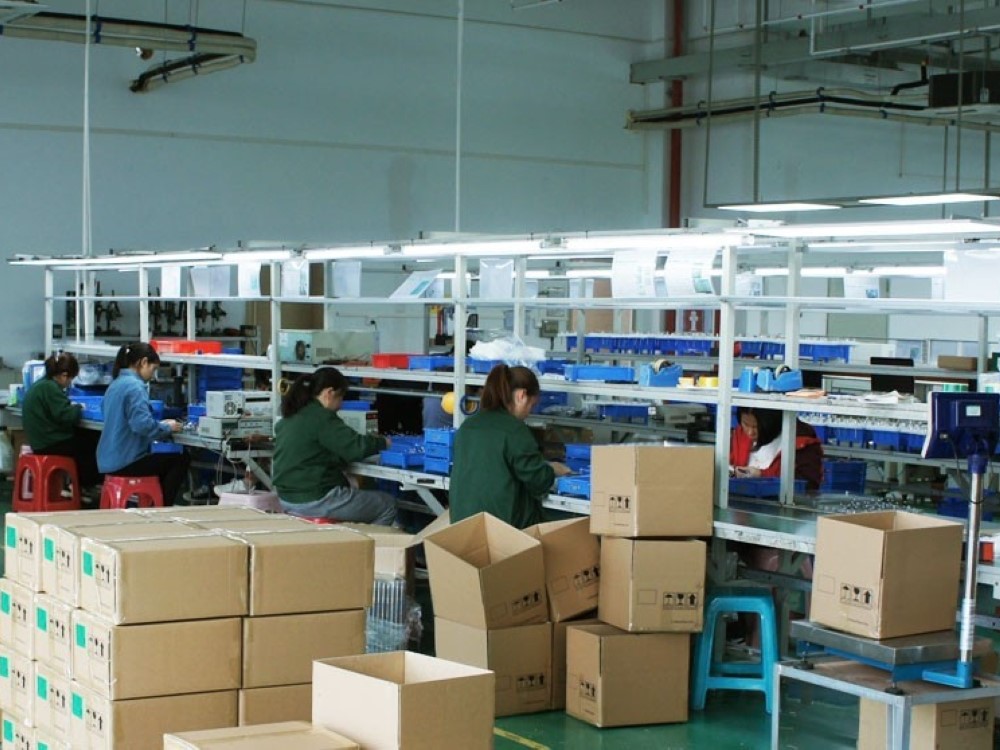
Компания Shengfeng Electromagnet Co., Ltd. была основана в 2015 году и расположена в индустриальном парке Сяньша, отличающемся живописными пейзажами и удобной транспортной доступностью. Компания занимает площадь 16 000 квадратных метров и располагает современными производственными цехами, передовым оборудованием и высококвалифицированной технической командой. С момента основания мы неизменно придерживаемся корпоративной философии “инновации, качество и сервис”, уделяя особое внимание исследованиям, разработкам и производству. электромагниты, постоянно продвигая модернизацию продукции и технологический прогресс, а также предоставляя клиентам продукцию и услуги высочайшего качества.
Почему стоит выбрать электромагнит SF?
ВЫСОКОЕ КАЧЕСТВО:Являясь ведущим китайским производителем электромагнитов соленоидного типа, мы гарантируем высочайшее качество каждого изделия, которое вы получаете; для этого наша служба контроля качества использует профессиональное испытательное оборудование.
ДИЗАЙН ПРОДУКТА:Наш отдел по изготовлению образцов обеспечивает полный цикл воплощения чертежей в готовые изделия. Мы также совершенствуем конструкцию вашего продукта, опираясь на наш многолетний опыт работы. Поделитесь с нами своим мнением.
СТАБИЛЬНЫЕ СРОКИ ДОСТАВКИ:Являясь ведущим производителем и поставщиком электромагнитов, мы обладаем достаточными производственными мощностями: крупные заказы не станут для нас проблемой, и мы гарантированно выполним их в срок.
ЛУЧШАЯ ЦЕНА:Мы являемся заводом-производителем электромагнитов и лучшим изготовителем соленоидов в Китае, поэтому можем предложить высококачественную продукцию по самым выгодным ценам.
ТОЧНОЕ УПРАВЛЕНИЕ:Ничего невозможно достичь без точного управления. Мы — компания с полноценной системой управления.
Круглосуточное обслуживание: 7 дней в неделюAs the best solenoid manufacturer, 24-7 immediate response: We’ll receive your feedback to make us a better supplier. Contact WhatsApp +86 18902611680
Часто задаваемые вопросы об электромагнитах
Мы — ведущая китайская компания. электромагнит Мы являемся производителем, и наш завод расположен в Дунгуане. Приглашаем вас посетить наш завод!
Мы специализируемся на проектировании и производстве высококачественной продукции. электромагнит,электромагнитный клапан,такой как вращающийся соленоид, бистабильные соленоиды, запорные соленоиды, соленоиды открытой рамы, трубчатые соленоиды, самоудерживающий соленоид
• Разумеется, обычно мы предоставляем бесплатные образцы, и вам нужно оплатить только доставку. Для заказа образцов электромагнитов по индивидуальному заказу, пожалуйста, пришлите нам ваши требования для уточнения стоимости образцов.
• Изготовление образца занимает около 7 дней.
Да, мы предоставляем бесплатные услуги по проектированию, разработке конструкций и простому графическому дизайну.
Конечно. Мы можем изготовить любой электромагнит по вашему дизайну. Сейчас мы предлагаем ODM-производство соленоидов для небольших партий от 100 до 500 штук, но вы все равно можете разместить на них свой логотип.
В зависимости от объема заказа и особенностей производства, срок выполнения составит от 15 до 20 дней.
Перед массовым производством всегда предоставляется предсерийный образец; перед отгрузкой всегда проводится окончательная проверка.
• Мощность, тип использования, размер, материал, количество, место доставки и т. д.
• Вы также можете просто сообщить нам свои требования, и мы порекомендуем вам подходящие товары.
• Морским, воздушным или экспресс-транспортом.
• Если у вас есть собственный экспедитор в Китае, то используется цена «франко-завод» или FOB.
• Условия поставки: CFR или CIF и т.д., если вам необходимо, чтобы мы осуществили доставку от вашего имени.
• Также можно использовать DDP и DDU.
• Если у вас больше вариантов, мы рассмотрим ваши предложения.
• Цена определяется количеством, материалом, методом обработки, размером и другими факторами. Кроме того, в связи с нашим постоянным
Благодаря технологическим инновациям, цены на некоторые наши товары чрезвычайно конкурентоспособны. Для получения ценового предложения, пожалуйста, свяжитесь с нами.