









Dernière mise à jour le 03/09/2025 par Usine de solénoïdes
In the realm of electromagnetics, the design of electromagnet heat dissipation systems and the conduction of life tests are pivotal aspects that significantly influence the reliability and longevity of electromagnets. From intricate cooling mechanisms to rigorous testing protocols, these processes ensure that electromagnets operate within safe temperature ranges, maintain optimal performance, and withstand the rigors of time. This blog delves into the intricacies of electromagnet heat dissipation design and life test, providing a comprehensive guide on how to approach these critical tasks. By understanding the principles behind heat dissipation, the various design strategies, and the importance of life testing, engineers and manufacturers can ensure that their electromagnets deliver consistent, reliable performance over their entire lifespan.
What is Electromagnet Heat Dissipation Design?
Electromagnets generate heat during operation due to the resistance in the coil windings and the magnetic losses within the core material. This heat must be effectively dissipated to prevent overheating, which can lead to performance degradation, premature failure, and even safety hazards. Electromagnet heat dissipation design involves developing strategies to manage and remove this heat, ensuring that the electromagnet operates within its safe operating temperature range.
Thermal Management Principles:
- Conduction: Heat transfer through solid materials by molecular vibration. In electromagnets, this involves designing components with high thermal conductivity to ensure efficient heat transfer.
- Convection: Heat transfer by fluid motion, either natural or forced. This can be achieved through the use of fans, heat sinks, or liquid cooling systems.
- Radiation: Heat transfer by electromagnetic waves. While radiation is less significant in electromagnets compared to conduction and convection, it can play a role in high-temperature environments or in components exposed to space.
Design Strategies:
- Material Selection: Choosing materials with high thermal conductivity for coil windings and core components can improve electromagnet heat dissipation. For instance, copper windings offer better thermal performance than aluminum.
- Heat Sink Design: Incorporating heat sinks can significantly increase the surface area available for heat transfer, enhancing cooling efficiency. Heat sinks can be made from materials like aluminum or copper and can be designed with fins or other structures to maximize surface area.
- Forced Convection: Using fans or blowers to create airflow over the electromagnet can increase the rate of heat transfer by convection. This is particularly effective in high-power applications where natural convection may not be sufficient.
- Liquid Cooling: For extremely high-power or compact electromagnets, liquid cooling systems can be used. These systems circulate a coolant through channels within the electromagnet, absorbing heat and transferring it to a remote radiator or heat exchanger.
Thermal Management in Practice:
- Thermal Modeling and Simulation: Before building a prototype, engineers can use thermal modeling and simulation software to predict the electromagnet’s temperature distribution and identify potential hot spots. This information can be used to refine the design and improve heat dissipation.
- Temperature Monitoring: During operation, temperature sensors can be used to monitor the electromagnet’s temperature and trigger cooling systems or alarms if temperatures exceed safe limits.
- Environmental Considerations: The electromagnet’s operating environment can significantly impact heat dissipation. Factors such as ambient temperature, airflow, and dust accumulation must be considered in the design process.
Why conduct life test for electromagnets?
Life testing is a critical process for validating the durability and reliability of electromagnets. By exposing electromagnets to simulated operating conditions over extended periods, engineers can assess their performance, identify potential failure modes, and estimate their lifespan.
Test Objectives:
- Reliability Assessment: Determine the electromagnet’s ability to operate reliably over its intended lifespan.
- Failure Mode Identification: Identify and understand the causes of failure, enabling design improvements.
- Lifespan Estimation: Estimate the electromagnet’s expected lifespan based on test data.
Test Protocols:
- Accelerated Life Testing (ALT): ALT involves exposing the electromagnet to conditions that accelerate aging processes, such as increased temperature, voltage, or mechanical stress. This allows for shorter test durations while still providing valuable insights into long-term performance.
- Constant Stress Testing: In this type of testing, the electromagnet is subjected to constant operating conditions over an extended period. This provides a direct measure of performance and reliability under typical use cases.
- Cyclic Stress Testing: Cyclic stress testing involves exposing the electromagnet to repeated cycles of stress, such as turning on and off, or varying loads. This can help identify fatigue-related failures.
Test Parameters:
- Operating Conditions: The test should simulate the electromagnet’s typical operating conditions, including voltage, current, duty cycle, and environmental factors.
- Test Duration: The test duration should be sufficient to provide meaningful data on long-term performance and reliability. This may range from several hundred hours to thousands of hours, depending on the application and the electromagnet’s expected lifespan.
- Monitoring and Data Collection: During the test, various parameters such as temperature, current, voltage, and mechanical stress should be monitored and recorded. This data can be used to analyze performance trends and identify potential issues.
Test Results Analysis:
- Failure Analysis: Any failures observed during the test should be analyzed to determine the root cause. This may involve visual inspection, electrical testing, or more advanced analytical techniques such as X-ray inspection or materials analysis.
- Performance Trends: Analyzing performance trends over time can provide insights into the electromagnet’s aging process and identify areas for improvement.
- Lifespan Estimation: Based on the test data, engineers can estimate the electromagnet’s expected lifespan and develop maintenance schedules or replacement strategies.
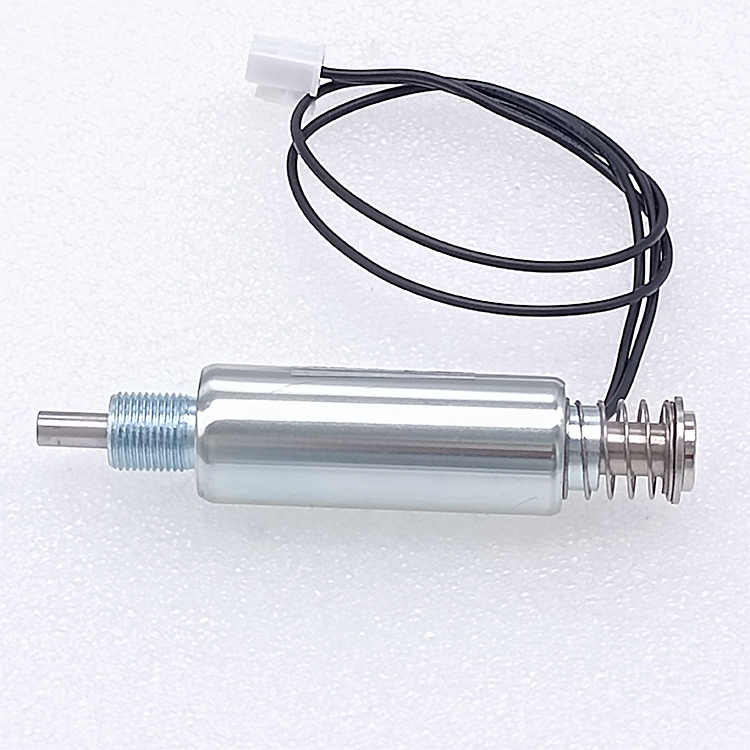
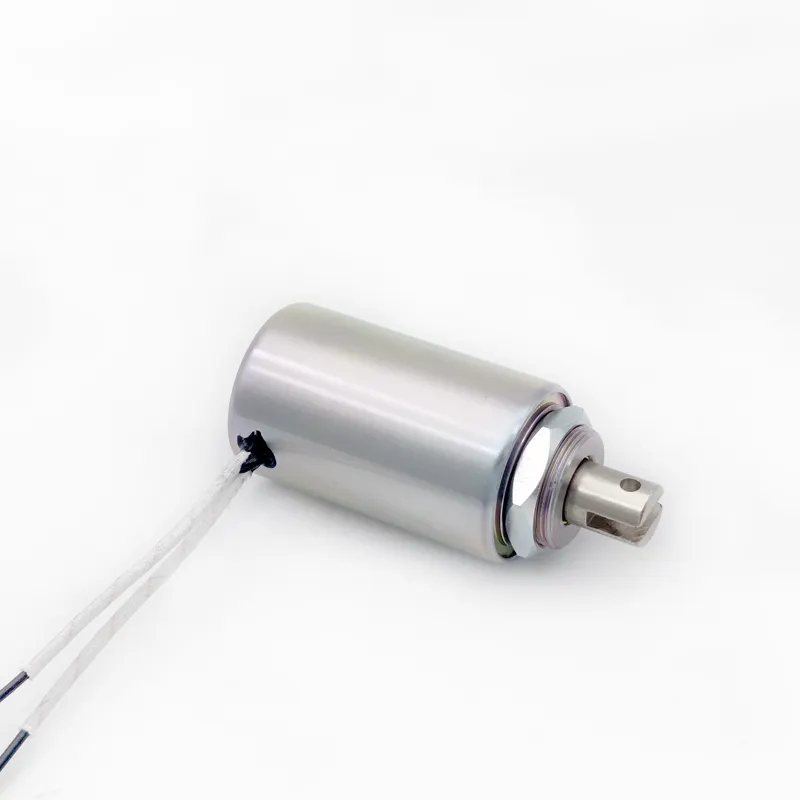
the design of heat dissipation systems and the conduction of life tests are essential aspects
the design of electromagnet heat dissipation systems and the conduction of life tests are essential aspects of electromagnet reliability and longevity. By understanding the principles of thermal management and applying effective design strategies, engineers can ensure that electromagnets operate within safe temperature ranges and maintain optimal performance. Additionally, rigorous life testing protocols provide valuable insights into an electromagnet’s durability and reliability, enabling engineers to estimate lifespan, identify failure modes, and make informed design improvements. By combining these approaches, engineers and manufacturers can deliver electromagnets that meet the most demanding specifications, deliver consistent performance, and withstand the rigors of time, contributing to safer, more reliable, and efficient systems across diverse industries. As technology continues to evolve, these principles will remain critical in driving innovation and advancements in electromagnet design and manufacture.
À propos de l'usine d'électroaimants SF
Shengfeng Electromagnet Co., Ltd., fondée en 2015, est située dans le parc industriel de Xiansha, bénéficiant d'un cadre agréable et d'une excellente desserte. L'entreprise s'étend sur 16 000 mètres carrés et dispose d'usines de production modernes, d'équipements de pointe et d'une équipe technique hautement qualifiée. Depuis sa création, elle s'est toujours attachée à sa philosophie d'entreprise axée sur l'innovation, la qualité et le service, en se concentrant sur la recherche, le développement et la production de… électroaimants, en promouvant constamment les mises à jour de produits et les progrès technologiques, et en fournissant aux clients des produits et services de la meilleure qualité.
Pourquoi choisir un électroaimant SF ?
HAUTE QUALITÉ :En tant que premier fabricant d'électroaimants à solénoïde en Chine, notre équipe de contrôle qualité veille à ce que chaque produit que vous recevez soit d'une qualité irréprochable. Nous disposons d'équipements professionnels pour les tests de qualité.
CONCEPTION DU PRODUIT :Notre service d'échantillonnage maîtrise l'ensemble du processus de concrétisation de vos plans. Nous optimisons également la conception de vos produits en nous appuyant sur nos années d'expérience. Faites-nous part de vos avis.
DÉLAI DE LIVRAISON STABLE :En tant que fabricant et fournisseur d'électroaimants de premier plan, nous disposons d'une capacité de production suffisante ; les commandes importantes ne nous effraient pas et nous sommes en mesure de les livrer dans les délais.
MEILLEUR PRIX :Nous sommes une usine d'origine spécialisée dans les électroaimants et le meilleur fabricant de solénoïdes en Chine ; c'est pourquoi nous pouvons proposer des produits de haute qualité au meilleur prix.
GESTION PRÉCISE :Rien ne peut être accompli sans une gestion rigoureuse. Nous sommes une entreprise dotée d'un système de gestion complet.
SERVICE 7-24 :En tant que fabricant de solénoïdes de premier plan, nous assurons une réponse immédiate 24h/24 et 7j/7 : nous prenons en compte vos retours pour devenir un meilleur fournisseur.
FAQ sur les électroaimants
Nous sommes un leader chinois électro-aimant Notre usine de fabrication est située à Dongguan. Nous serions ravis de vous accueillir !
Nous sommes spécialisés dans la conception et la production de produits de haute qualité. électro-aimant,électrovanne,tel que solénoïde rotatif, solénoïdes bistables, solénoïdes de verrouillage, solénoïdes à cadre ouvert, solénoïdes tubulaires, solénoïde auto-maintenu
Bien entendu, nous fournissons généralement des échantillons gratuits ; vous n’avez qu’à prendre en charge les frais de port. Pour les échantillons d’électroaimants sur mesure, veuillez nous communiquer vos exigences afin que nous puissions vous indiquer le coût de l’échantillon.
• La production d'un échantillon prend environ 7 jours.
Oui, nous proposons des services de conception gratuits, incluant la conception structurelle et la conception graphique simple.
Bien sûr. Nous pouvons fabriquer n'importe quel électroaimant selon votre conception. Nous proposons désormais un service ODM de solénoïdes pour les petites séries (de 100 à 500 pièces), avec la possibilité d'y apposer votre logo.
En fonction de la quantité commandée et des détails de production, cela prendra environ 15 à 20 jours.
Toujours un échantillon de préproduction avant la production en série ; toujours une inspection finale avant l'expédition
• Puissance, consommation, dimensions, matériau, quantité, destination de livraison, etc.
• Vous pouvez aussi simplement nous faire part de vos besoins et nous vous recommanderons des produits.
• Par mer, par air ou par transport express.
• Si vous avez votre propre transitaire en Chine, il s'agit du prix départ usine ou FOB.
•CFR ou CIF, etc., si vous avez besoin que nous expédiions en votre nom.
• Le DDP et le DDU peuvent également être utilisés.
• Plus de choix, nous prendrons en compte vos choix.
Le prix est déterminé par la quantité, le matériau, le procédé de fabrication, la taille et d'autres facteurs. De plus, grâce à notre croissance continue, nous proposons des tarifs compétitifs.
Grâce à l'innovation technologique, les prix de certains de nos produits sont extrêmement compétitifs ; veuillez nous contacter pour obtenir un devis.