









Última actualización: 3 de septiembre de 2025 Fábrica de solenoides
In the realm of electromagnetics, the design of electromagnet heat dissipation systems and the conduction of life tests are pivotal aspects that significantly influence the reliability and longevity of electromagnets. From intricate cooling mechanisms to rigorous testing protocols, these processes ensure that electromagnets operate within safe temperature ranges, maintain optimal performance, and withstand the rigors of time. This blog delves into the intricacies of electromagnet heat dissipation design and life test, providing a comprehensive guide on how to approach these critical tasks. By understanding the principles behind heat dissipation, the various design strategies, and the importance of life testing, engineers and manufacturers can ensure that their electromagnets deliver consistent, reliable performance over their entire lifespan.
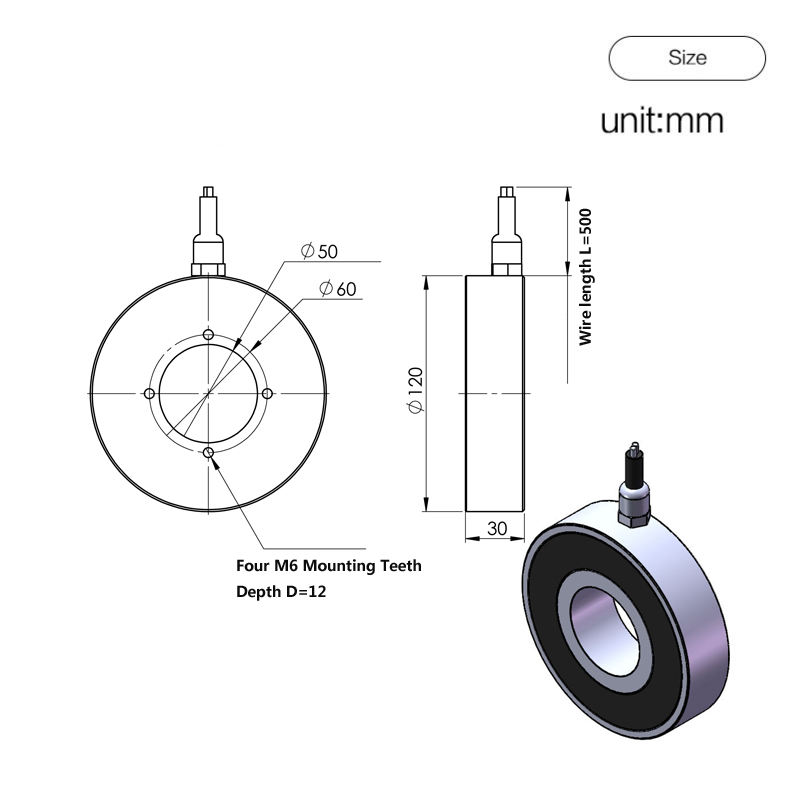
What is Electromagnet Heat Dissipation Design?
Electromagnets generate heat during operation due to the resistance in the coil windings and the magnetic losses within the core material. This heat must be effectively dissipated to prevent overheating, which can lead to performance degradation, premature failure, and even safety hazards. Electromagnet heat dissipation design involves developing strategies to manage and remove this heat, ensuring that the electromagnet operates within its safe operating temperature range.
Thermal Management Principles:
- Conduction: Heat transfer through solid materials by molecular vibration. In electromagnets, this involves designing components with high thermal conductivity to ensure efficient heat transfer.
- Convection: Heat transfer by fluid motion, either natural or forced. This can be achieved through the use of fans, heat sinks, or liquid cooling systems.
- Radiation: Heat transfer by electromagnetic waves. While radiation is less significant in electromagnets compared to conduction and convection, it can play a role in high-temperature environments or in components exposed to space.
Design Strategies:
- Material Selection: Choosing materials with high thermal conductivity for coil windings and core components can improve electromagnet heat dissipation. For instance, copper windings offer better thermal performance than aluminum.
- Heat Sink Design: Incorporating heat sinks can significantly increase the surface area available for heat transfer, enhancing cooling efficiency. Heat sinks can be made from materials like aluminum or copper and can be designed with fins or other structures to maximize surface area.
- Forced Convection: Using fans or blowers to create airflow over the electromagnet can increase the rate of heat transfer by convection. This is particularly effective in high-power applications where natural convection may not be sufficient.
- Liquid Cooling: For extremely high-power or compact electromagnets, liquid cooling systems can be used. These systems circulate a coolant through channels within the electromagnet, absorbing heat and transferring it to a remote radiator or heat exchanger.
Thermal Management in Practice:
- Thermal Modeling and Simulation: Before building a prototype, engineers can use thermal modeling and simulation software to predict the electromagnet’s temperature distribution and identify potential hot spots. This information can be used to refine the design and improve heat dissipation.
- Temperature Monitoring: During operation, temperature sensors can be used to monitor the electromagnet’s temperature and trigger cooling systems or alarms if temperatures exceed safe limits.
- Environmental Considerations: The electromagnet’s operating environment can significantly impact heat dissipation. Factors such as ambient temperature, airflow, and dust accumulation must be considered in the design process.
Why conduct life test for electromagnets?
Life testing is a critical process for validating the durability and reliability of electromagnets. By exposing electromagnets to simulated operating conditions over extended periods, engineers can assess their performance, identify potential failure modes, and estimate their lifespan.
Test Objectives:
- Reliability Assessment: Determine the electromagnet’s ability to operate reliably over its intended lifespan.
- Failure Mode Identification: Identify and understand the causes of failure, enabling design improvements.
- Lifespan Estimation: Estimate the electromagnet’s expected lifespan based on test data.
Test Protocols:
- Accelerated Life Testing (ALT): ALT involves exposing the electromagnet to conditions that accelerate aging processes, such as increased temperature, voltage, or mechanical stress. This allows for shorter test durations while still providing valuable insights into long-term performance.
- Constant Stress Testing: In this type of testing, the electromagnet is subjected to constant operating conditions over an extended period. This provides a direct measure of performance and reliability under typical use cases.
- Cyclic Stress Testing: Cyclic stress testing involves exposing the electromagnet to repeated cycles of stress, such as turning on and off, or varying loads. This can help identify fatigue-related failures.
Test Parameters:
- Operating Conditions: The test should simulate the electromagnet’s typical operating conditions, including voltage, current, duty cycle, and environmental factors.
- Test Duration: The test duration should be sufficient to provide meaningful data on long-term performance and reliability. This may range from several hundred hours to thousands of hours, depending on the application and the electromagnet’s expected lifespan.
- Monitoring and Data Collection: During the test, various parameters such as temperature, current, voltage, and mechanical stress should be monitored and recorded. This data can be used to analyze performance trends and identify potential issues.
Test Results Analysis:
- Failure Analysis: Any failures observed during the test should be analyzed to determine the root cause. This may involve visual inspection, electrical testing, or more advanced analytical techniques such as X-ray inspection or materials analysis.
- Performance Trends: Analyzing performance trends over time can provide insights into the electromagnet’s aging process and identify areas for improvement.
- Lifespan Estimation: Based on the test data, engineers can estimate the electromagnet’s expected lifespan and develop maintenance schedules or replacement strategies.
- Valorado en 0 de 5
- Valorado en 0 de 5
- Valorado en 0 de 5
- Valorado en 0 de 5
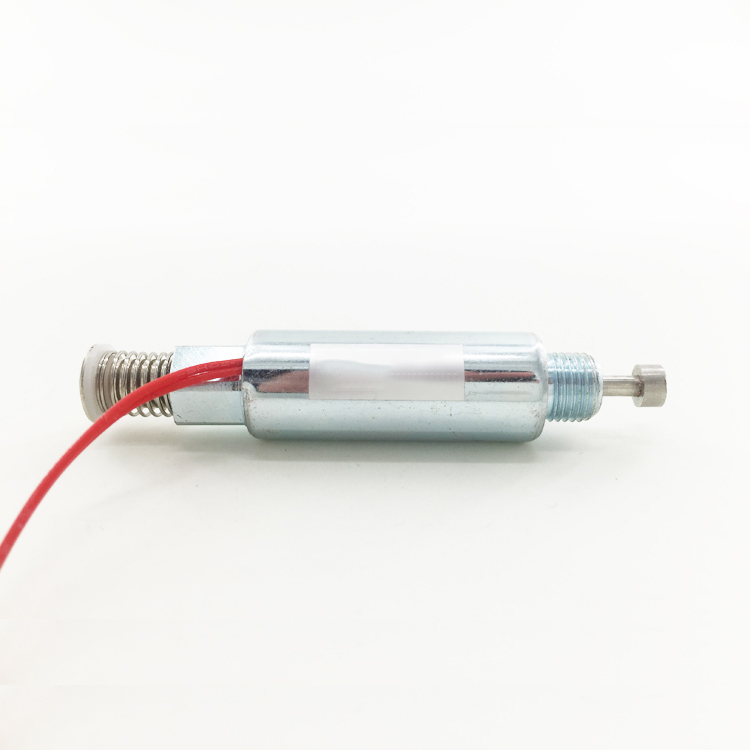
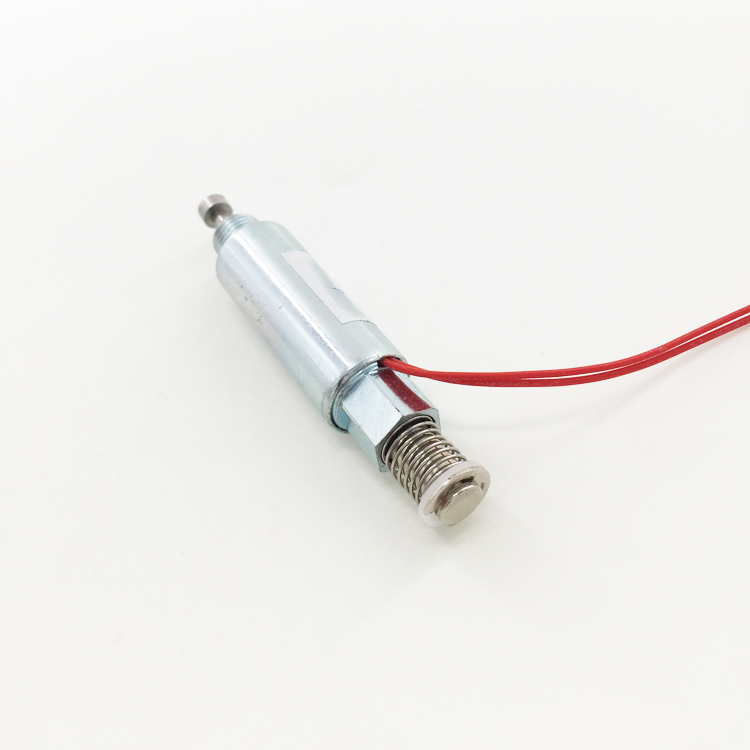
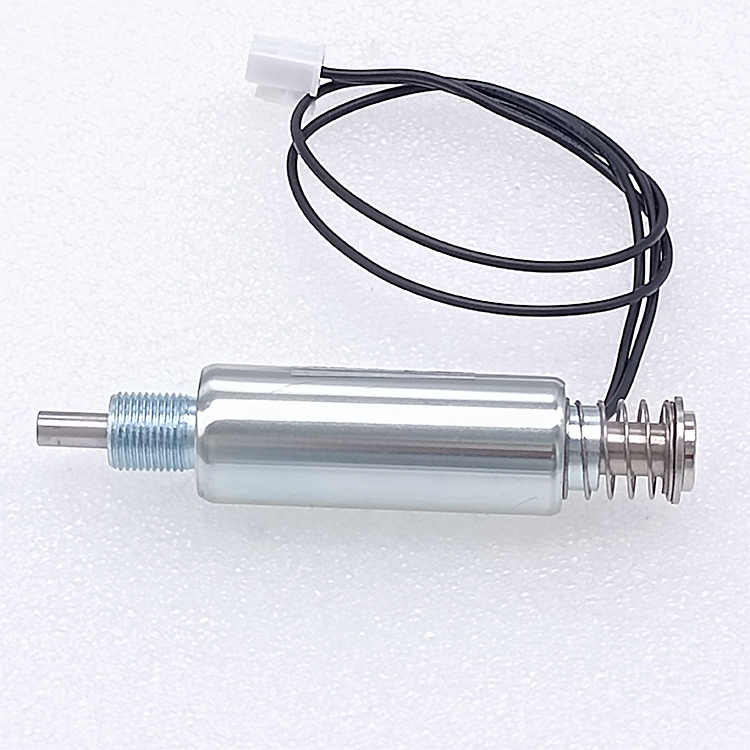
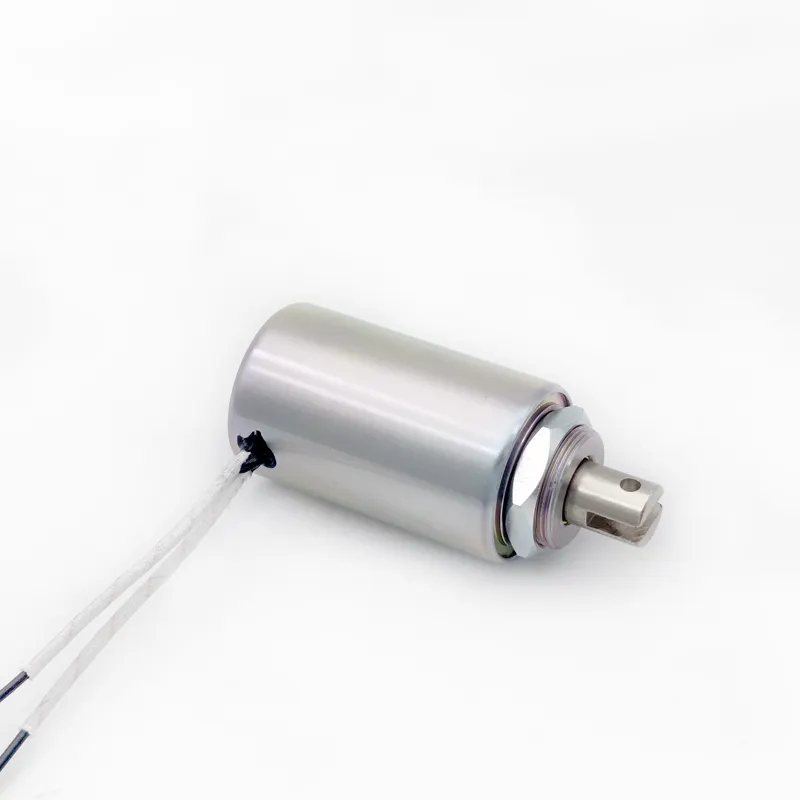
the design of heat dissipation systems and the conduction of life tests are essential aspects
the design of electromagnet heat dissipation systems and the conduction of life tests are essential aspects of electromagnet reliability and longevity. By understanding the principles of thermal management and applying effective design strategies, engineers can ensure that electromagnets operate within safe temperature ranges and maintain optimal performance. Additionally, rigorous life testing protocols provide valuable insights into an electromagnet’s durability and reliability, enabling engineers to estimate lifespan, identify failure modes, and make informed design improvements. By combining these approaches, engineers and manufacturers can deliver electromagnets that meet the most demanding specifications, deliver consistent performance, and withstand the rigors of time, contributing to safer, more reliable, and efficient systems across diverse industries. As technology continues to evolve, these principles will remain critical in driving innovation and advancements in electromagnet design and manufacture.
Acerca de la fábrica de electroimanes de San Francisco
Shengfeng Electromagnet Co., Ltd. se estableció en 2015 y está ubicada en el Parque Industrial de Xiansha con un hermoso paisaje y transporte conveniente. La empresa cubre un área de 16000 metros cuadrados y tiene modernas plantas de producción, equipos de producción avanzados y un equipo técnico de alta calidad. Desde su establecimiento, siempre nos hemos adherido a la filosofía corporativa de “innovación, calidad y servicio”, enfocándonos en la investigación y el desarrollo y la producción de electroimanes, promoviendo constantemente las mejoras de los productos y el progreso tecnológico, y ofreciendo a los clientes productos y servicios de la mejor calidad.
¿Por qué elegir un electroimán SF?
CALIDAD SUPERIOR:Como el mejor fabricante de electroimanes de solenoide en China, nuestro equipo de control de calidad garantiza que cada producto que usted reciba sea de la mejor calidad. Contamos con equipos profesionales para pruebas de calidad.
DISEÑO DE PRODUCTO:Nuestro departamento de muestras cuenta con un proceso integral para convertir los diseños en realidad. Asimismo, optimizamos el diseño de su producto gracias a nuestra amplia experiencia. Cuéntenos qué le parece.
PLAZO DE ENTREGA ESTABLE:Como el mejor fabricante y proveedor de electroimanes, contamos con una capacidad de producción suficiente; los grandes pedidos no nos superan, ya que podemos entregarlos a tiempo.
MEJOR PRECIO:Somos una fábrica de origen de electroimanes y el mejor fabricante de solenoides de China; por eso podemos ofrecer productos de alta calidad al mejor precio.
GESTIÓN PRECISA:Nada se puede lograr si no implementamos una gestión precisa. Somos una empresa que cuenta con un sistema de gestión integral.
SERVICIO 24/7:Como fabricante líder de solenoides, ofrecemos una respuesta inmediata las 24 horas del día, los 7 días de la semana: valoramos sus comentarios para seguir mejorando como proveedores.
Preguntas frecuentes sobre electroimanes
Somos una empresa china de primera categoría. electroimán Somos fabricantes y nuestra fábrica está ubicada en Dongguan. ¡Le invitamos a visitar nuestra fábrica!
Nos especializamos en el diseño y producción de alta calidad. electroimán,válvula solenoide,como solenoide rotativo, solenoides biestables, solenoides de enclavamiento, solenoides de bastidor abierto, solenoides tubulares, solenoide autoajustable
Por supuesto, normalmente proporcionamos muestras gratuitas y usted solo debe cubrir el flete. Para muestras de electroimanes personalizadas, envíenos sus requisitos para que podamos calcular el costo de la muestra.
• La producción de muestras tarda aproximadamente 7 días.
Sí, ofrecemos servicios de diseño gratuitos, diseño estructural y diseño gráfico sencillo.
Claro. Podemos fabricar cualquier electroimán con su diseño. Ahora ofrecemos un servicio de solenoides ODM para pedidos pequeños, de 100 a 500 unidades, y puede incluir su propio logotipo.
Dependiendo de la cantidad del pedido y los detalles de producción, tardará entre 15 y 20 días aproximadamente.
Siempre una muestra de preproducción antes de la producción en masa; siempre una inspección final antes del envío.
• Potencia, uso, tamaño, material, cantidad, destino de envío, etc.
• También puede simplemente indicarnos sus necesidades y le recomendaremos productos.
• Por mar, por aire o por mensajería urgente.
• Si tiene su propio agente de transporte en China, el precio es el precio de fábrica o FOB.
•CFR o CIF, etc., si necesita que realicemos el envío en su nombre.
• También se pueden utilizar DDP y DDU.
• Cuantas más opciones tenga, más tendremos en cuenta sus preferencias.
• El precio se determina por la cantidad, el material, el método de procesamiento, el tamaño y otros factores. Además, debido a nuestra continua
Gracias a la innovación tecnológica, los precios de algunos de nuestros productos son extremadamente competitivos. Póngase en contacto con nosotros para solicitar un presupuesto.