









Zuletzt aktualisiert am 03.09.2025 von Magnetspulenfabrik
Im Bereich der Elektromagnetik ist die Konstruktion von Wärmeabfuhr des Elektromagneten systems and the conduction of life tests are pivotal aspects that significantly influence the reliability and longevity of electromagnets. From intricate cooling mechanisms to rigorous testing protocols, these processes ensure that electromagnets operate within safe temperature ranges, maintain optimal performance, and withstand the rigors of time. This blog delves into the intricacies of electromagnet heat dissipation design and life test, providing a comprehensive guide on how to approach these critical tasks. By understanding the principles behind heat dissipation, the various design strategies, and the importance of life testing, engineers and manufacturers can ensure that their electromagnets deliver consistent, reliable performance over their entire lifespan.
What is Electromagnet Heat Dissipation Design?
Electromagnets generate heat during operation due to the resistance in the coil windings and the magnetic losses within the core material. This heat must be effectively dissipated to prevent overheating, which can lead to performance degradation, premature failure, and even safety hazards. Electromagnet heat dissipation design involves developing strategies to manage and remove this heat, ensuring that the electromagnet operates within its safe operating temperature range.
Thermal Management Principles:
- Conduction: Heat transfer through solid materials by molecular vibration. In electromagnets, this involves designing components with high thermal conductivity to ensure efficient heat transfer.
- Convection: Heat transfer by fluid motion, either natural or forced. This can be achieved through the use of fans, heat sinks, or liquid cooling systems.
- Radiation: Heat transfer by electromagnetic waves. While radiation is less significant in electromagnets compared to conduction and convection, it can play a role in high-temperature environments or in components exposed to space.
Design Strategies:
- Material Selection: Choosing materials with high thermal conductivity for coil windings and core components can improve Wärmeabfuhr des Elektromagneten. For instance, copper windings offer better thermal performance than aluminum.
- Heat Sink Design: Incorporating heat sinks can significantly increase the surface area available for heat transfer, enhancing cooling efficiency. Heat sinks can be made from materials like aluminum or copper and can be designed with fins or other structures to maximize surface area.
- Forced Convection: Using fans or blowers to create airflow over the electromagnet can increase the rate of heat transfer by convection. This is particularly effective in high-power applications where natural convection may not be sufficient.
- Liquid Cooling: For extremely high-power or compact electromagnets, liquid cooling systems can be used. These systems circulate a coolant through channels within the electromagnet, absorbing heat and transferring it to a remote radiator or heat exchanger.
Thermal Management in Practice:
- Thermal Modeling and Simulation: Before building a prototype, engineers can use thermal modeling and simulation software to predict the electromagnet’s temperature distribution and identify potential hot spots. This information can be used to refine the design and improve heat dissipation.
- Temperature Monitoring: During operation, temperature sensors can be used to monitor the electromagnet’s temperature and trigger cooling systems or alarms if temperatures exceed safe limits.
- Environmental Considerations: The electromagnet’s operating environment can significantly impact heat dissipation. Factors such as ambient temperature, airflow, and dust accumulation must be considered in the design process.
Why conduct life test for electromagnets?
Life testing is a critical process for validating the durability and reliability of electromagnets. By exposing electromagnets to simulated operating conditions over extended periods, engineers can assess their performance, identify potential failure modes, and estimate their lifespan.
Test Objectives:
- Reliability Assessment: Determine the electromagnet’s ability to operate reliably over its intended lifespan.
- Failure Mode Identification: Identify and understand the causes of failure, enabling design improvements.
- Lifespan Estimation: Estimate the electromagnet’s expected lifespan based on test data.
Test Protocols:
- Accelerated Life Testing (ALT): ALT involves exposing the electromagnet to conditions that accelerate aging processes, such as increased temperature, voltage, or mechanical stress. This allows for shorter test durations while still providing valuable insights into long-term performance.
- Constant Stress Testing: In this type of testing, the electromagnet is subjected to constant operating conditions over an extended period. This provides a direct measure of performance and reliability under typical use cases.
- Cyclic Stress Testing: Cyclic stress testing involves exposing the electromagnet to repeated cycles of stress, such as turning on and off, or varying loads. This can help identify fatigue-related failures.
Test Parameters:
- Operating Conditions: The test should simulate the electromagnet’s typical operating conditions, including voltage, current, duty cycle, and environmental factors.
- Test Duration: The test duration should be sufficient to provide meaningful data on long-term performance and reliability. This may range from several hundred hours to thousands of hours, depending on the application and the electromagnet’s expected lifespan.
- Monitoring and Data Collection: During the test, various parameters such as temperature, current, voltage, and mechanical stress should be monitored and recorded. This data can be used to analyze performance trends and identify potential issues.
Test Results Analysis:
- Failure Analysis: Any failures observed during the test should be analyzed to determine the root cause. This may involve visual inspection, electrical testing, or more advanced analytical techniques such as X-ray inspection or materials analysis.
- Performance Trends: Analyzing performance trends over time can provide insights into the electromagnet’s aging process and identify areas for improvement.
- Lifespan Estimation: Based on the test data, engineers can estimate the electromagnet’s expected lifespan and develop maintenance schedules or replacement strategies.
- Bewertet mit 0 von 5
- Bewertet mit 0 von 5
- Bewertet mit 0 von 5
- Bewertet mit 0 von 5
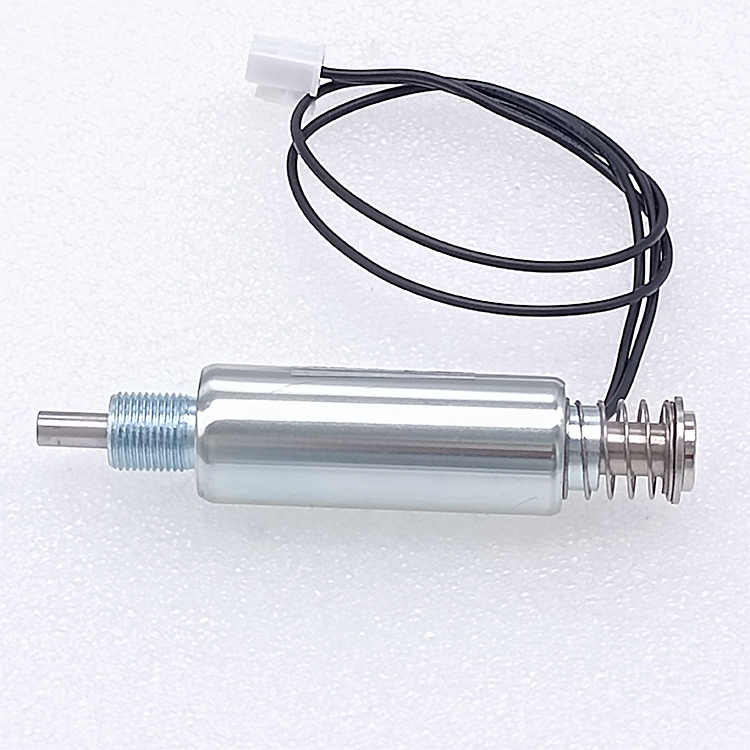
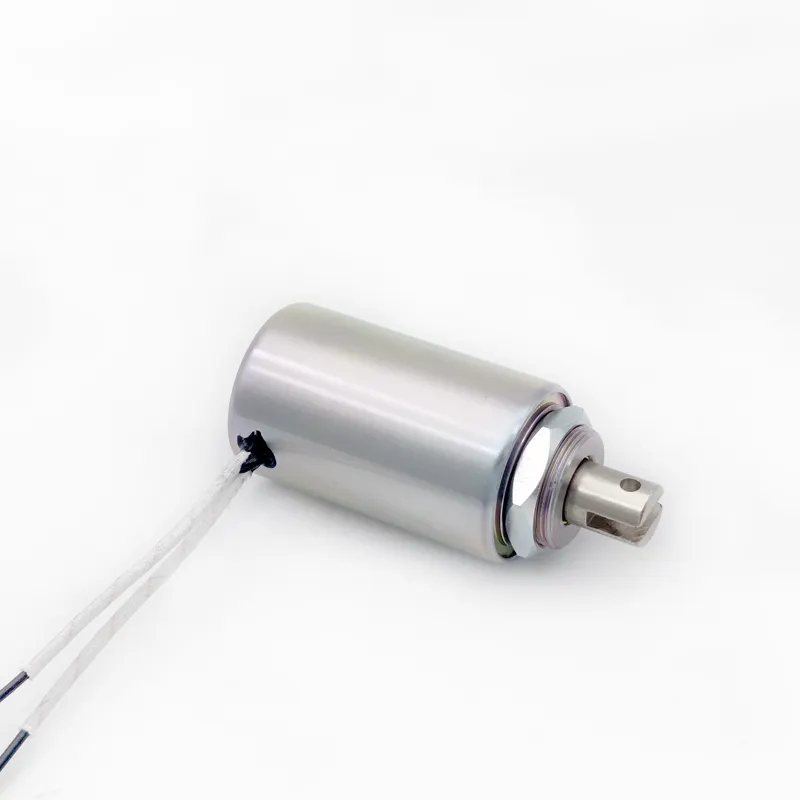
the design of heat dissipation systems and the conduction of life tests are essential aspects
the design of Wärmeabfuhr des Elektromagneten systems and the conduction of life tests are essential aspects of electromagnet reliability and longevity. By understanding the principles of thermal management and applying effective design strategies, engineers can ensure that electromagnets operate within safe temperature ranges and maintain optimal performance. Additionally, rigorous life testing protocols provide valuable insights into an electromagnet’s durability and reliability, enabling engineers to estimate lifespan, identify failure modes, and make informed design improvements. By combining these approaches, engineers and manufacturers can deliver electromagnets that meet the most demanding specifications, deliver consistent performance, and withstand the rigors of time, contributing to safer, more reliable, and efficient systems across diverse industries. As technology continues to evolve, these principles will remain critical in driving innovation and advancements in electromagnet design and manufacture.
Über die SF-Elektromagnetfabrik
Shengfeng Electromagnet Co., Ltd. wurde 2015 gegründet und befindet sich im Industriepark Xiansha, der durch seine landschaftliche Schönheit und die hervorragende Verkehrsanbindung besticht. Das Unternehmen erstreckt sich über eine Fläche von 16.000 Quadratmetern und verfügt über moderne Produktionsanlagen, fortschrittliche Fertigungstechnik und ein hochqualifiziertes technisches Team. Seit unserer Gründung verfolgen wir konsequent die Unternehmensphilosophie “Innovation, Qualität und Service” und konzentrieren uns auf Forschung, Entwicklung und Produktion. Elektromagnete, Wir fördern ständig Produktverbesserungen und technologischen Fortschritt und bieten unseren Kunden Produkte und Dienstleistungen von höchster Qualität.
Warum sollte man sich für einen SF-Elektromagneten entscheiden?
HOHE QUALITÄT:Als führender Hersteller von Elektromagneten in China stellt unser Qualitätssicherungsteam sicher, dass jedes einzelne Produkt, das Sie erhalten, von höchster Qualität ist. Wir verfügen über professionelle Prüfgeräte für die Qualitätskontrolle.
PRODUKTDESIGN:Unsere Musterabteilung deckt den gesamten Prozess von der Zeichnung bis zur Realisierung ab. Zudem optimieren wir Ihr Produktdesign auf der Grundlage unserer langjährigen Erfahrung. Teilen Sie uns Ihre Meinung mit.
STABILE LIEFERZEIT:Als führender Hersteller und Lieferant von Elektromagneten verfügen wir über ausreichende Fertigungskapazitäten; auch Großaufträge stellen für uns kein Problem dar – wir liefern Ihre Bestellung pünktlich.
BESTER PREIS:Wir sind ein direkt produzierendes Werk für Elektromagnete und der führende Hersteller von Solenoiden in China; deshalb können wir hochwertige Produkte zu besten Preisen anbieten.
PRÄZISES MANAGEMENT:Ohne eine präzise Steuerung lässt sich nichts erreichen. Wir sind ein Unternehmen mit einem umfassenden Managementsystem.
24-Stunden-Service:Als führender Hersteller von Elektromagneten bieten wir eine sofortige Reaktion rund um die Uhr: Wir nehmen Ihr Feedback gerne entgegen, um uns als Lieferant weiter zu verbessern.
Häufig gestellte Fragen zu Elektromagneten
Wir sind ein chinesisches Top-Unternehmen Elektromagnet Der Hersteller und unser Werk befinden sich in Dongguan. Besuchen Sie uns gerne!
Wir sind spezialisiert auf die Entwicklung und Produktion von hochwertigen Produkten. Elektromagnet,Magnetventil,wie zum Beispiel Drehmagnet, bistabile Magnetspulen, Verriegelungsmagnete, offene Rahmenmagnete, Rohrmagnete, selbsthaltender Magnet
• Selbstverständlich stellen wir Ihnen in der Regel kostenlose Muster zur Verfügung; Sie müssen lediglich die Versandkosten übernehmen. Für kundenspezifische Elektromagnetmuster senden Sie uns bitte Ihre Anforderungen, damit wir die Musterkosten prüfen können.
• Die Anfertigung von Mustern dauert etwa 7 Tage.
Ja, wir bieten kostenlose Designleistungen, Strukturplanung und einfache Grafikgestaltung an.
Selbstverständlich. Wir können jeden Elektromagneten nach Ihren Vorgaben fertigen. Neu im Angebot ist die ODM-Solenoidproduktion für Kleinserien von 100 bis 500 Stück. Auch hier können Sie Ihr eigenes Logo verwenden.
Je nach Bestellmenge und Produktionsdetails dauert es etwa 15 bis 20 Tage.
Vor der Serienproduktion wird stets ein Vorserienmuster gefertigt; vor dem Versand erfolgt stets eine Endkontrolle.
• Leistung, Verwendungszweck, Größe, Material, Menge, Lieferort usw.
• Sie können uns auch einfach Ihre Anforderungen mitteilen, und wir werden Ihnen Produkte empfehlen.
• Auf dem Seeweg, auf dem Luftweg oder per Express.
• Wenn Sie einen eigenen Spediteur in China haben, gilt der Preis ab Werk (FOB).
•CFR oder CIF usw., falls Sie den Versand durch uns in Ihrem Namen wünschen.
• DDP und DDU können ebenfalls verwendet werden.
• Mehr Auswahlmöglichkeiten, wir werden Ihre Wünsche berücksichtigen.
Der Preis richtet sich nach Menge, Material, Verarbeitungsmethode, Größe und weiteren Faktoren. Darüber hinaus trägt unsere kontinuierliche
Aufgrund technologischer Innovationen sind die Preise einiger unserer Produkte äußerst wettbewerbsfähig. Bitte kontaktieren Sie uns für ein Angebot.