








Dernière mise à jour le 03/09/2025 par Usine de solénoïdes
In the intricate world of electromagnetics, the electromagnet coil winding process and insulation materials used in electromagnet (electromagnetic iron) coils are crucial factors determining the performance, reliability, and efficiency of the electromagnet. From precision winding techniques to the choice of insulation materials, every step in the manufacturing process plays a pivotal role in ensuring that the electromagnet meets its design specifications and operates optimally. This blog aims to provide a comprehensive guide to the electromagnet coil winding process and insulation materials, exploring the various stages of winding, the importance of insulation, and the factors to consider when selecting materials. By understanding these aspects, engineers and manufacturers can optimize the coil winding process and material choices, leading to better electromagnet performance and longer lifespan.
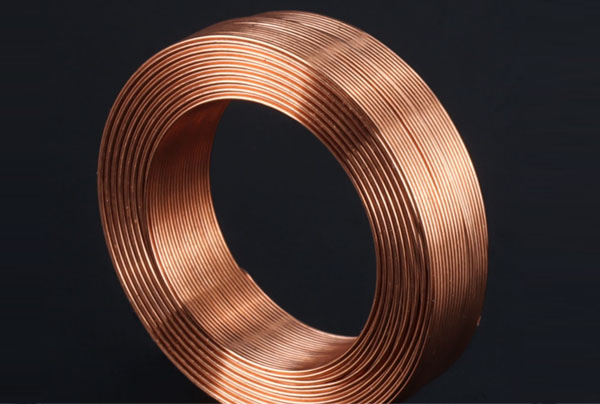
Understanding the Electromagnet Coil Winding Process
Le electromagnet coil winding process involves several critical steps, each requiring precision and attention to detail to ensure optimal electromagnet performance. Here’s a detailed look at the process:
Coil Design and Specification:
- Design Parameters: Before winding begins, the coil’s design parameters must be carefully specified. This includes determining the number of turns, wire gauge, and the overall dimensions of the coil. The design parameters are based on the electromagnet’s required performance specifications, such as magnetic field strength, operating voltage, and current.
- Material Selection: The type of wire used for winding is also chosen at this stage. Factors such as conductivity, mechanical strength, and cost are considered when selecting the wire material. Common choices include copper and aluminum, with copper being more conductive but also more expensive.
Winding Techniques:
- Manual Winding: In manual winding, the wire is wrapped around a bobbin or form by hand. This method is suitable for small-scale production or coils with complex shapes. However, it requires skilled labor and can be time-consuming.
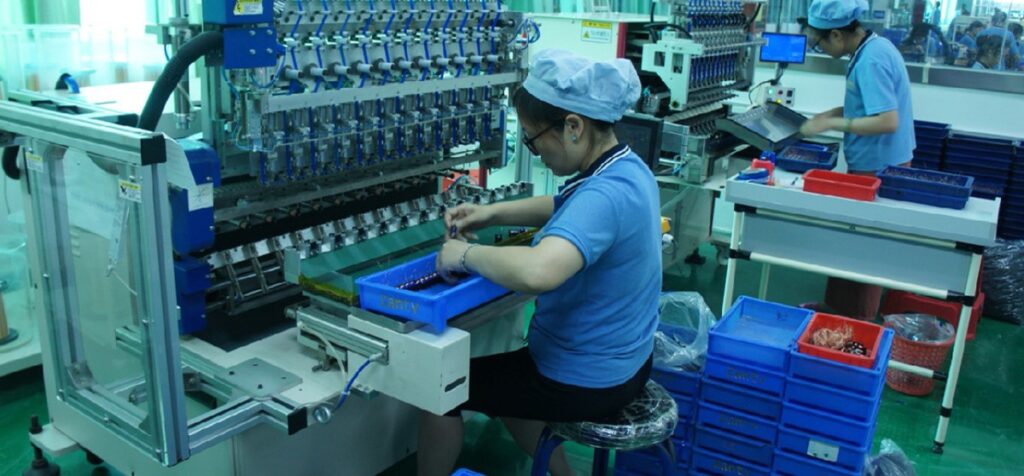
- Automated Winding: Automated winding machines use precision mechanisms to wind the wire, ensuring consistent tension and accurate placement of each turn. This method is faster and more efficient, making it ideal for large-scale production.
- Layer Winding: In layer winding, the wire is wound in layers, with each layer having the same number of turns. This method results in a compact coil with uniform winding density.
- Random Winding: Random winding involves winding the wire in a non-uniform pattern, which can increase the fill factor (the ratio of wire volume to total coil volume) and reduce inductance. However, it can also lead to increased resistance and inductance variations.
Coil Assembly and Termination:
- Coil Forming: After winding, the coil may need to be shaped or formed to fit into the electromagnet’s housing. This may involve bending, twisting, or cutting the wire ends.
- Termination: The wire ends are then terminated, usually by soldering or crimping them to connectors or terminals. Proper termination ensures reliable electrical connection and prevents wire breakage or corrosion.
Quality Control:
- Inspection: The wound coil undergoes rigorous inspection to check for defects such as wire breaks, short circuits, or insulation damage.
- Testing: Electrical tests, such as resistance and inductance measurements, are performed to verify that the coil meets the design specifications.
The Importance of Insulation Materials in Electromagnet Coil
Insulation materials play a critical role in protecting the coil’s windings from electrical shorts, ensuring safe operation, and preventing premature failure. Here’s why insulation is so important:
- Electrical Isolation: Insulation provides a barrier between adjacent wire turns, preventing electrical shorts that could damage the coil or cause the electromagnet to malfunction.
- Thermal Management: Insulation materials help dissipate heat generated by the coil during operation, preventing overheating and extending the electromagnet’s lifespan.
- Mechanical Protection: Insulation offers protection against mechanical stress, such as vibration or bending, which could damage the wire or insulation.
- Chemical Resistance: In harsh environments, insulation materials must resist degradation from chemicals, moisture, or other contaminants.
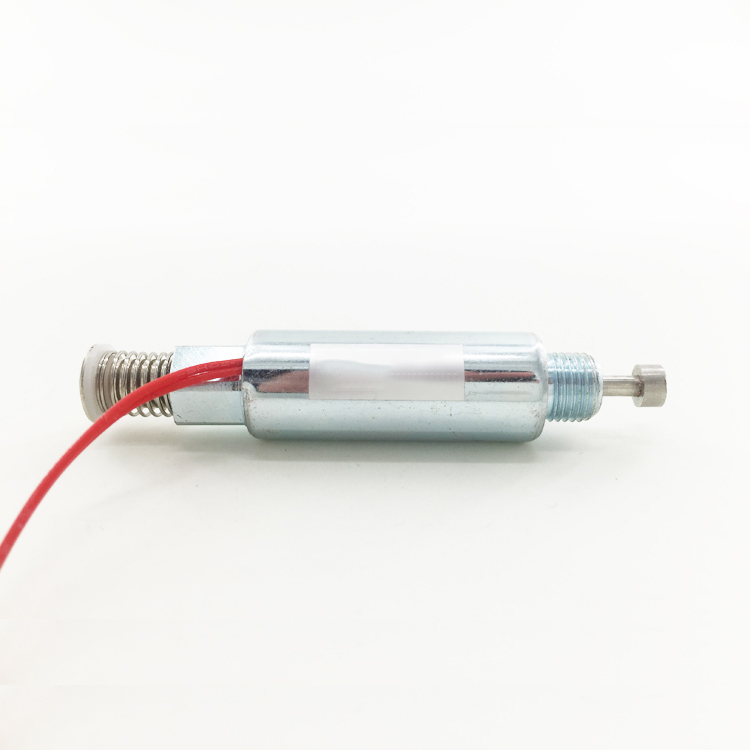
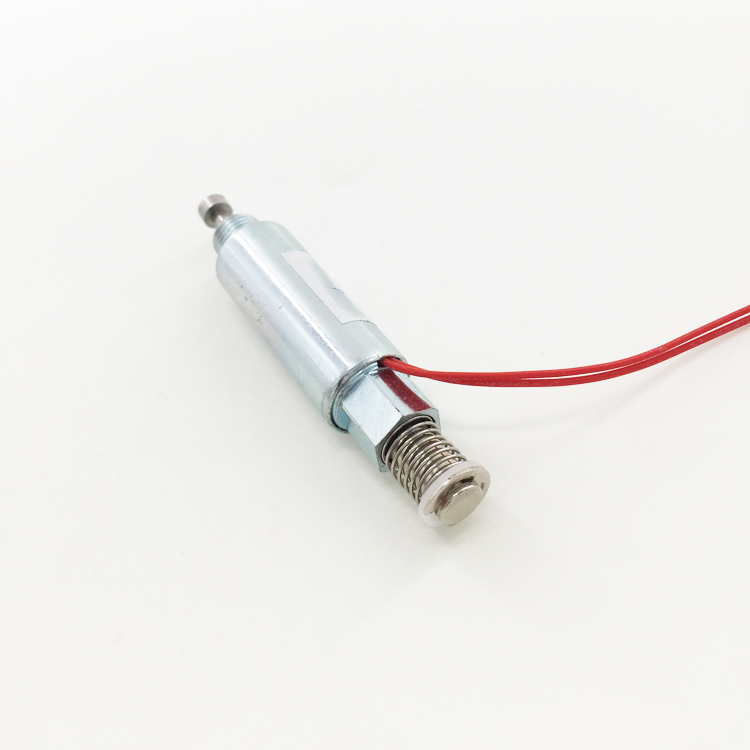
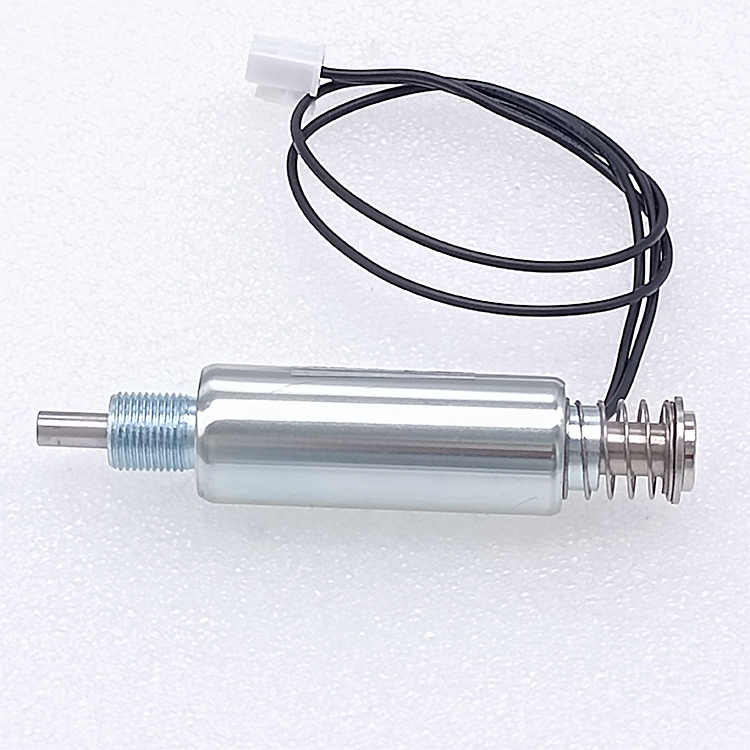
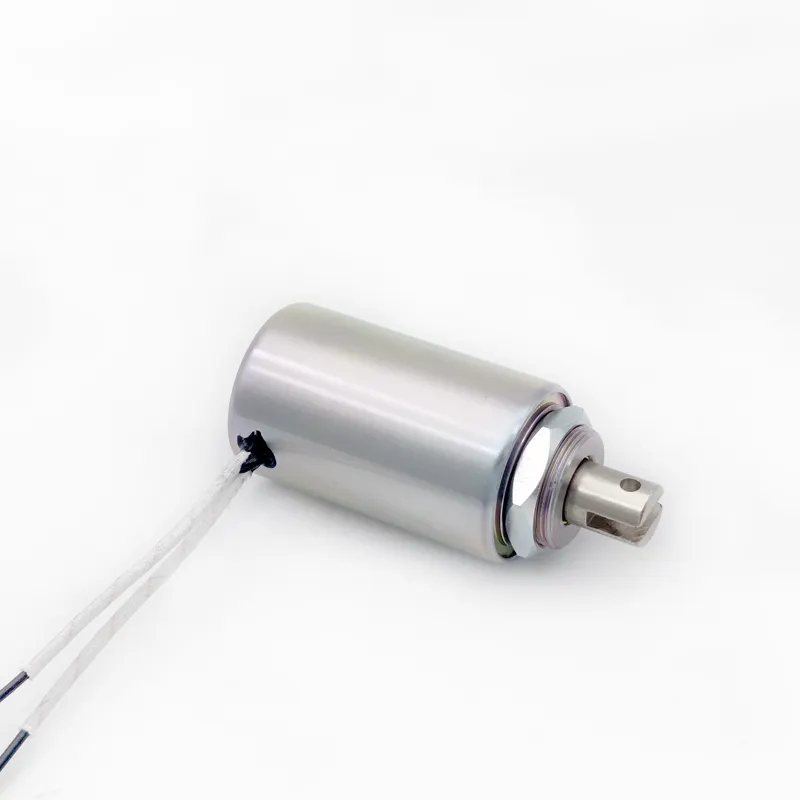
Types of Insulation Materials Used in Electromagnet Coil
Several types of insulation materials are commonly used in electromagnet coil, each offering unique benefits and drawbacks. Here’s a closer look at the most popular options:
Enamel-Coated Wire:
- Description: Enamel-coated wire, also known as magnet wire, is a type of copper or aluminum wire coated with a thin layer of insulating enamel.
- Benefits: Enamel-coated wire offers excellent electrical insulation and high temperature resistance. It is also available in various grades and thicknesses, allowing for precise control over insulation properties.
- Drawbacks: The enamel coating can be brittle and prone to cracking under mechanical stress. Additionally, it requires special care during winding to avoid damage.
Fiberglass-Insulated Wire:
- Description: Fiberglass-insulated wire is coated with a layer of fiberglass material, providing robust electrical and mechanical insulation.
- Benefits: Fiberglass insulation offers high temperature resistance and excellent chemical stability. It is also flame-retardant and resistant to moisture and other contaminants.
- Drawbacks: Fiberglass-insulated wire can be more rigid and difficult to wind compared to enamel-coated wire. Additionally, it may require specialized tools and equipment for processing.
Polyimide-Insulated Wire:
- Description: Polyimide-insulated wire is coated with a layer of polyimide, a high-performance polymer known for its excellent electrical properties and temperature resistance.
- Benefits: Polyimide insulation offers high dielectric strength, low dielectric loss, and excellent resistance to heat and chemicals. It is also flexible and easy to wind.
- Drawbacks: Polyimide-insulated wire is typically more expensive than enamel-coated or fiberglass-insulated wire. Additionally, it may require specialized processing techniques to achieve optimal performance.
Tape and Sleeve Insulation:
- Description: Tape and sleeve insulation involves wrapping individual wire turns or entire coils with insulating tape or sleeves. This method is commonly used in high-voltage or high-temperature applications.
- Benefits: Tape and sleeve insulation provides excellent electrical isolation and high temperature resistance. It can also be customized to fit specific coil designs and dimensions.
- Drawbacks: Applying tape or sleeve insulation can be labor-intensive and time-consuming. Additionally, it may require specialized tools and materials for installation.
Factors to Consider When Selecting Insulation Materials
When selecting insulation materials for bobines électromagnétiques, several factors must be taken into account:
- Operating Temperature: The coil’s operating temperature is a critical consideration, as it determines the insulation material’s temperature resistance requirements. Materials with higher temperature ratings are required for coils operating at higher temperatures.
- Voltage Rating: The insulation material’s voltage rating must be sufficient to withstand the maximum voltage the coil will be subjected to during operation. Choosing an insulation material with a higher voltage rating than required can provide a safety margin and increase reliability.
- Mechanical Stress: The insulation material must be able to withstand the mechanical stress associated with winding, termination, and installation. Factors such as flexibility, tensile strength, and abrasion resistance are important considerations.
- Chemical Resistance: In harsh environments, the insulation material must resist degradation from chemicals, moisture, or other contaminants. Choosing a material with good chemical stability can extend the coil’s lifespan and prevent premature failure.
- Cost: Cost is always a consideration when selecting insulation materials. While high-performance materials may offer better performance and reliability, they also tend to be more expensive. Balancing performance requirements with cost constraints is essential for achieving optimal value.
The electromagnet coil winding process and insulation materials
Le electromagnet coil winding process and insulation materials are crucial aspects of electromagnet design and manufacture. By understanding the various stages of the winding process, the importance of insulation, and the factors to consider when selecting materials, engineers and manufacturers can optimize the coil winding process and material choices. This leads to better electromagnet performance, longer lifespan, and increased reliability. By paying attention to detail and choosing the right materials, it is possible to create electromagnet coils that meet the most demanding specifications and operate efficiently and safely in diverse applications. With the right approach, electromagnet technology can continue to drive innovation and advancements across various industries, contributing to a more connected and efficient world.
À propos de l'usine d'électroaimants SF
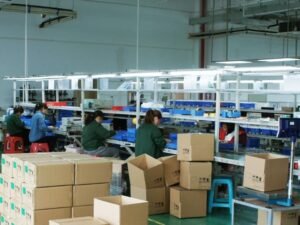
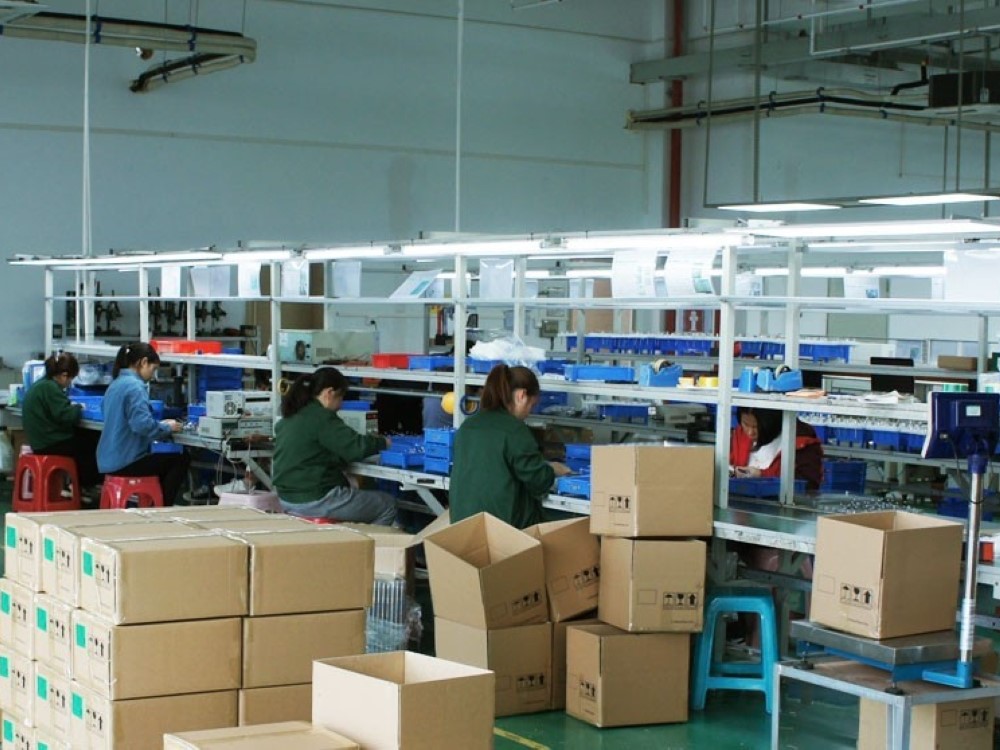
Shengfeng Electromagnet Co., Ltd., fondée en 2015, est située dans le parc industriel de Xiansha, bénéficiant d'un cadre agréable et d'une excellente desserte. L'entreprise s'étend sur 16 000 mètres carrés et dispose d'usines de production modernes, d'équipements de pointe et d'une équipe technique hautement qualifiée. Depuis sa création, elle s'est toujours attachée à sa philosophie d'entreprise axée sur l'innovation, la qualité et le service, en se concentrant sur la recherche, le développement et la production de… électroaimants, en promouvant constamment les mises à jour de produits et les progrès technologiques, et en fournissant aux clients des produits et services de la meilleure qualité.
Pourquoi choisir un électroaimant SF ?
HAUTE QUALITÉ :En tant que premier fabricant d'électroaimants à solénoïde en Chine, notre équipe de contrôle qualité veille à ce que chaque produit que vous recevez soit d'une qualité irréprochable. Nous disposons d'équipements professionnels pour les tests de qualité.
CONCEPTION DU PRODUIT :Notre service d'échantillonnage maîtrise l'ensemble du processus de concrétisation de vos plans. Nous optimisons également la conception de vos produits en nous appuyant sur nos années d'expérience. Faites-nous part de vos avis.
DÉLAI DE LIVRAISON STABLE :En tant que fabricant et fournisseur d'électroaimants de premier plan, nous disposons d'une capacité de production suffisante ; les commandes importantes ne nous effraient pas et nous sommes en mesure de les livrer dans les délais.
MEILLEUR PRIX :Nous sommes une usine d'origine spécialisée dans les électroaimants et le meilleur fabricant de solénoïdes en Chine ; c'est pourquoi nous pouvons proposer des produits de haute qualité au meilleur prix.
GESTION PRÉCISE :Rien ne peut être accompli sans une gestion rigoureuse. Nous sommes une entreprise dotée d'un système de gestion complet.
SERVICE 7-24 :En tant que fabricant de solénoïdes de premier plan, nous assurons une réponse immédiate 24h/24 et 7j/7 : nous prenons en compte vos retours pour devenir un meilleur fournisseur.
FAQ sur les électroaimants
Nous sommes un leader chinois électro-aimant Notre usine de fabrication est située à Dongguan. Nous serions ravis de vous accueillir !
Nous sommes spécialisés dans la conception et la production de produits de haute qualité. électro-aimant,électrovanne,tel que solénoïde rotatif, solénoïdes bistables, solénoïdes de verrouillage, solénoïdes à cadre ouvert, solénoïdes tubulaires, solénoïde auto-maintenu
Bien entendu, nous fournissons généralement des échantillons gratuits ; vous n’avez qu’à prendre en charge les frais de port. Pour les échantillons d’électroaimants sur mesure, veuillez nous communiquer vos exigences afin que nous puissions vous indiquer le coût de l’échantillon.
• La production d'un échantillon prend environ 7 jours.
Oui, nous proposons des services de conception gratuits, incluant la conception structurelle et la conception graphique simple.
Bien sûr. Nous pouvons fabriquer n'importe quel électroaimant selon votre conception. Nous proposons désormais un service ODM de solénoïdes pour les petites séries (de 100 à 500 pièces), avec la possibilité d'y apposer votre logo.
En fonction de la quantité commandée et des détails de production, cela prendra environ 15 à 20 jours.
Toujours un échantillon de préproduction avant la production en série ; toujours une inspection finale avant l'expédition
• Puissance, consommation, dimensions, matériau, quantité, destination de livraison, etc.
• Vous pouvez aussi simplement nous faire part de vos besoins et nous vous recommanderons des produits.
• Par mer, par air ou par transport express.
• Si vous avez votre propre transitaire en Chine, il s'agit du prix départ usine ou FOB.
•CFR ou CIF, etc., si vous avez besoin que nous expédiions en votre nom.
• Le DDP et le DDU peuvent également être utilisés.
• Plus de choix, nous prendrons en compte vos choix.
Le prix est déterminé par la quantité, le matériau, le procédé de fabrication, la taille et d'autres facteurs. De plus, grâce à notre croissance continue, nous proposons des tarifs compétitifs.
Grâce à l'innovation technologique, les prix de certains de nos produits sont extrêmement compétitifs ; veuillez nous contacter pour obtenir un devis.