









Cập nhật lần cuối vào ngày 03/09/2025 bởi Nhà máy Solenoid
In the intricate world of electromagnetics, the electromagnet coil winding process and insulation materials used in electromagnet (electromagnetic iron) coils are crucial factors determining the performance, reliability, and efficiency of the electromagnet. From precision winding techniques to the choice of insulation materials, every step in the manufacturing process plays a pivotal role in ensuring that the electromagnet meets its design specifications and operates optimally. This blog aims to provide a comprehensive guide to the electromagnet coil winding process and insulation materials, exploring the various stages of winding, the importance of insulation, and the factors to consider when selecting materials. By understanding these aspects, engineers and manufacturers can optimize the coil winding process and material choices, leading to better electromagnet performance and longer lifespan.
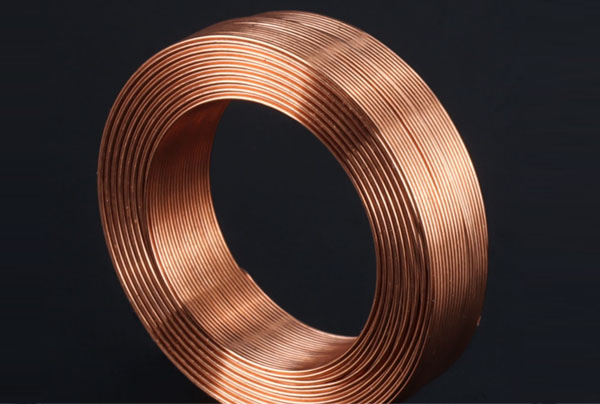
Understanding the Electromagnet Coil Winding Process
Cái electromagnet coil winding process involves several critical steps, each requiring precision and attention to detail to ensure optimal electromagnet performance. Here’s a detailed look at the process:
Coil Design and Specification:
- Design Parameters: Before winding begins, the coil’s design parameters must be carefully specified. This includes determining the number of turns, wire gauge, and the overall dimensions of the coil. The design parameters are based on the electromagnet’s required performance specifications, such as magnetic field strength, operating voltage, and current.
- Lựa chọn vật liệu: The type of wire used for winding is also chosen at this stage. Factors such as conductivity, mechanical strength, and cost are considered when selecting the wire material. Common choices include copper and aluminum, with copper being more conductive but also more expensive.
Winding Techniques:
- Manual Winding: In manual winding, the wire is wrapped around a bobbin or form by hand. This method is suitable for small-scale production or coils with complex shapes. However, it requires skilled labor and can be time-consuming.
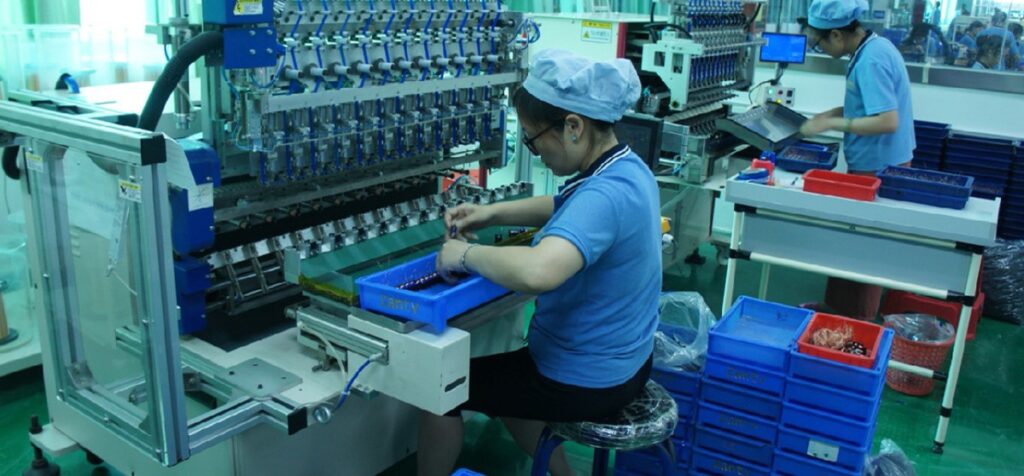
- Automated Winding: Automated winding machines use precision mechanisms to wind the wire, ensuring consistent tension and accurate placement of each turn. This method is faster and more efficient, making it ideal for large-scale production.
- Layer Winding: In layer winding, the wire is wound in layers, with each layer having the same number of turns. This method results in a compact coil with uniform winding density.
- Random Winding: Random winding involves winding the wire in a non-uniform pattern, which can increase the fill factor (the ratio of wire volume to total coil volume) and reduce inductance. However, it can also lead to increased resistance and inductance variations.
Coil Assembly and Termination:
- Coil Forming: After winding, the coil may need to be shaped or formed to fit into the electromagnet’s housing. This may involve bending, twisting, or cutting the wire ends.
- Termination: The wire ends are then terminated, usually by soldering or crimping them to connectors or terminals. Proper termination ensures reliable electrical connection and prevents wire breakage or corrosion.
Quality Control:
- Điều tra: The wound coil undergoes rigorous inspection to check for defects such as wire breaks, short circuits, or insulation damage.
- Kiểm tra: Electrical tests, such as resistance and inductance measurements, are performed to verify that the coil meets the design specifications.
The Importance of Insulation Materials in Electromagnet Coil
Insulation materials play a critical role in protecting the coil’s windings from electrical shorts, ensuring safe operation, and preventing premature failure. Here’s why insulation is so important:
- Electrical Isolation: Insulation provides a barrier between adjacent wire turns, preventing electrical shorts that could damage the coil or cause the electromagnet to malfunction.
- Thermal Management: Insulation materials help dissipate heat generated by the coil during operation, preventing overheating and extending the electromagnet’s lifespan.
- Mechanical Protection: Insulation offers protection against mechanical stress, such as vibration or bending, which could damage the wire or insulation.
- Chemical Resistance: In harsh environments, insulation materials must resist degradation from chemicals, moisture, or other contaminants.
- Được xếp hạng 0 5 sao
- Được xếp hạng 0 5 sao
- Được xếp hạng 0 5 sao
- Được xếp hạng 0 5 sao
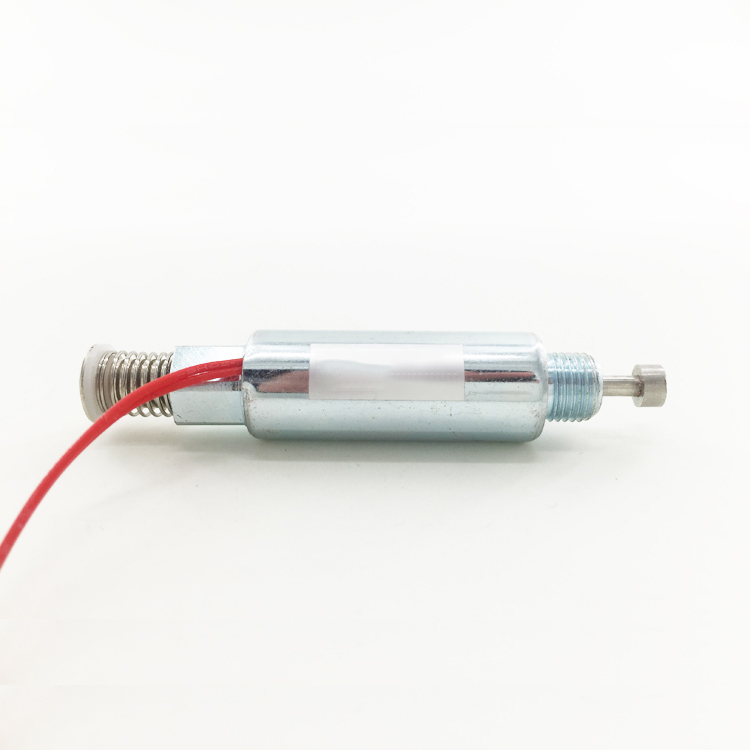
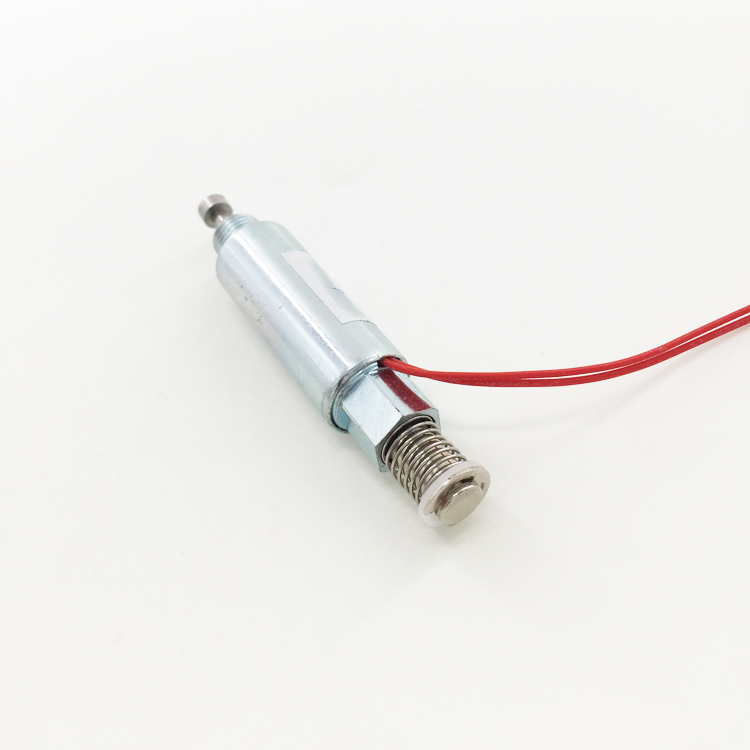
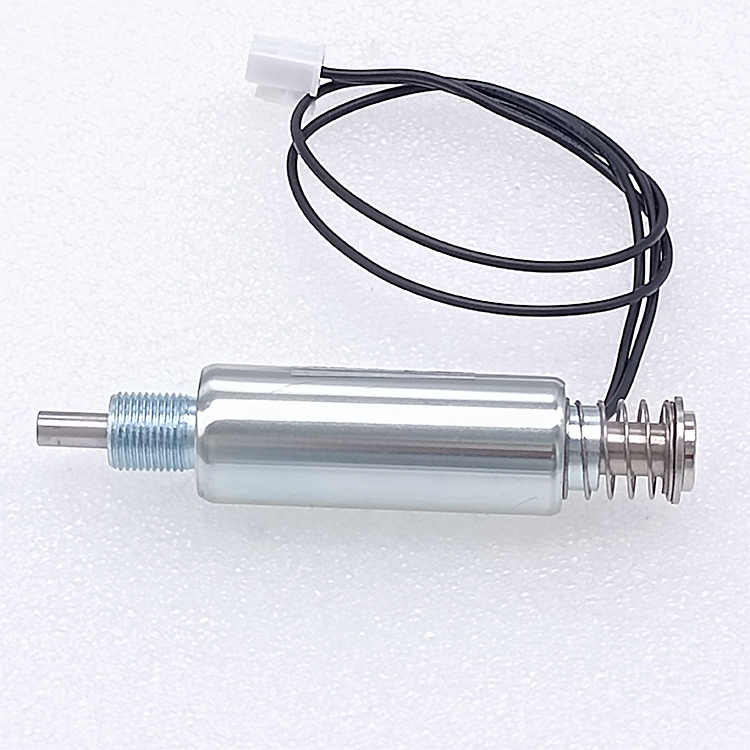
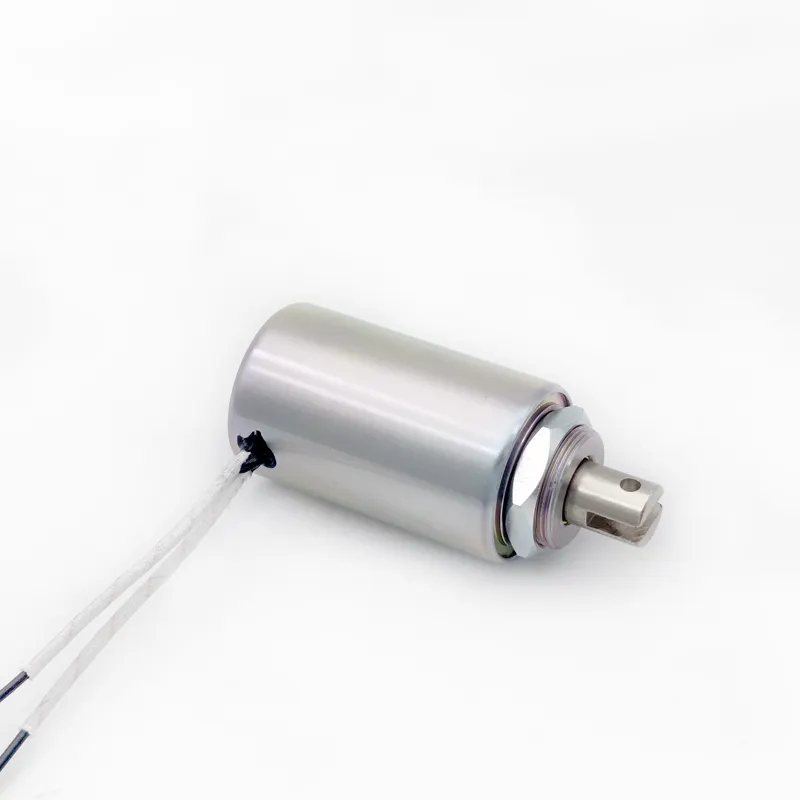
Types of Insulation Materials Used in Electromagnet Coil
Several types of insulation materials are commonly used in electromagnet coil, each offering unique benefits and drawbacks. Here’s a closer look at the most popular options:
Enamel-Coated Wire:
- Description: Enamel-coated wire, also known as magnet wire, is a type of copper or aluminum wire coated with a thin layer of insulating enamel.
- Benefits: Enamel-coated wire offers excellent electrical insulation and high temperature resistance. It is also available in various grades and thicknesses, allowing for precise control over insulation properties.
- Drawbacks: The enamel coating can be brittle and prone to cracking under mechanical stress. Additionally, it requires special care during winding to avoid damage.
Fiberglass-Insulated Wire:
- Description: Fiberglass-insulated wire is coated with a layer of fiberglass material, providing robust electrical and mechanical insulation.
- Benefits: Fiberglass insulation offers high temperature resistance and excellent chemical stability. It is also flame-retardant and resistant to moisture and other contaminants.
- Drawbacks: Fiberglass-insulated wire can be more rigid and difficult to wind compared to enamel-coated wire. Additionally, it may require specialized tools and equipment for processing.
Polyimide-Insulated Wire:
- Description: Polyimide-insulated wire is coated with a layer of polyimide, a high-performance polymer known for its excellent electrical properties and temperature resistance.
- Benefits: Polyimide insulation offers high dielectric strength, low dielectric loss, and excellent resistance to heat and chemicals. It is also flexible and easy to wind.
- Drawbacks: Polyimide-insulated wire is typically more expensive than enamel-coated or fiberglass-insulated wire. Additionally, it may require specialized processing techniques to achieve optimal performance.
Tape and Sleeve Insulation:
- Description: Tape and sleeve insulation involves wrapping individual wire turns or entire coils with insulating tape or sleeves. This method is commonly used in high-voltage or high-temperature applications.
- Benefits: Tape and sleeve insulation provides excellent electrical isolation and high temperature resistance. It can also be customized to fit specific coil designs and dimensions.
- Drawbacks: Applying tape or sleeve insulation can be labor-intensive and time-consuming. Additionally, it may require specialized tools and materials for installation.
Factors to Consider When Selecting Insulation Materials
When selecting insulation materials for cuộn dây điện từ, several factors must be taken into account:
- Nhiệt độ hoạt động: The coil’s operating temperature is a critical consideration, as it determines the insulation material’s temperature resistance requirements. Materials with higher temperature ratings are required for coils operating at higher temperatures.
- Voltage Rating: The insulation material’s voltage rating must be sufficient to withstand the maximum voltage the coil will be subjected to during operation. Choosing an insulation material with a higher voltage rating than required can provide a safety margin and increase reliability.
- Mechanical Stress: The insulation material must be able to withstand the mechanical stress associated with winding, termination, and installation. Factors such as flexibility, tensile strength, and abrasion resistance are important considerations.
- Chemical Resistance: In harsh environments, the insulation material must resist degradation from chemicals, moisture, or other contaminants. Choosing a material with good chemical stability can extend the coil’s lifespan and prevent premature failure.
- Cost: Cost is always a consideration when selecting insulation materials. While high-performance materials may offer better performance and reliability, they also tend to be more expensive. Balancing performance requirements with cost constraints is essential for achieving optimal value.
The electromagnet coil winding process and insulation materials
Cái electromagnet coil winding process and insulation materials are crucial aspects of electromagnet design and manufacture. By understanding the various stages of the winding process, the importance of insulation, and the factors to consider when selecting materials, engineers and manufacturers can optimize the coil winding process and material choices. This leads to better electromagnet performance, longer lifespan, and increased reliability. By paying attention to detail and choosing the right materials, it is possible to create electromagnet coils that meet the most demanding specifications and operate efficiently and safely in diverse applications. With the right approach, electromagnet technology can continue to drive innovation and advancements across various industries, contributing to a more connected and efficient world.
Giới thiệu về nhà máy sản xuất nam châm điện SF
Công ty TNHH Nam châm điện Shengfeng được thành lập năm 2015, tọa lạc tại Khu công nghiệp Tây Sa với cảnh quan đẹp và giao thông thuận tiện. Công ty có diện tích 16.000 mét vuông, sở hữu nhà máy sản xuất hiện đại, thiết bị sản xuất tiên tiến và đội ngũ kỹ thuật chất lượng cao. Từ khi thành lập, chúng tôi luôn tuân thủ triết lý doanh nghiệp “đổi mới, chất lượng và dịch vụ”, tập trung vào nghiên cứu và phát triển cũng như sản xuất các sản phẩm chất lượng cao. nam châm điện, Không ngừng thúc đẩy việc nâng cấp sản phẩm và tiến bộ công nghệ, đồng thời cung cấp cho khách hàng những sản phẩm và dịch vụ chất lượng tốt nhất.
Tại sao nên chọn nam châm điện SF?
CHẤT LƯỢNG CAO CẤP:Là nhà sản xuất nam châm điện solenoid hàng đầu tại Trung Quốc, đội ngũ kiểm soát chất lượng (QC) của chúng tôi cam kết đảm bảo mọi sản phẩm bạn nhận được đều đạt chất lượng tốt nhất. Chúng tôi sở hữu các thiết bị kiểm tra chất lượng chuyên dụng.
THIẾT KẾ SẢN PHẨM:Bộ phận làm mẫu của chúng tôi sở hữu quy trình hoàn chỉnh để hiện thực hóa các bản vẽ. Chúng tôi cũng sẽ cải tiến thiết kế sản phẩm của bạn dựa trên kinh nghiệm làm việc lâu năm. Hãy chia sẻ ý kiến của bạn với chúng tôi.
THỜI GIAN GIAO HÀNG ỔN ĐỊNH:Là nhà sản xuất và cung cấp nam châm điện hàng đầu, chúng tôi sở hữu năng lực sản xuất mạnh mẽ; ngay cả với những đơn hàng lớn, chúng tôi vẫn đảm bảo giao hàng đúng tiến độ cho quý khách.
GIÁ TỐT NHẤT:Chúng tôi là nhà máy sản xuất trực tiếp nam châm điện và là nhà sản xuất solenoid hàng đầu tại Trung Quốc; chính vì vậy, chúng tôi có thể cung cấp các sản phẩm chất lượng cao với mức giá tốt nhất.
QUẢN LÝ CHÍNH XÁC:Chúng ta sẽ không thể đạt được kết quả gì nếu không thực hiện công tác quản lý chặt chẽ. Chúng tôi là công ty sở hữu hệ thống quản lý toàn diện.
PHỤC VỤ 24/7:Là nhà sản xuất solenoid hàng đầu với dịch vụ phản hồi tức thì 24/7, chúng tôi luôn tiếp nhận ý kiến đóng góp của quý khách để ngày càng hoàn thiện hơn với tư cách là nhà cung cấp.
Câu hỏi thường gặp về nam châm điện
Chúng tôi là một công ty hàng đầu của Trung Quốc. nam châm điện Nhà sản xuất của chúng tôi đặt tại Đông Quan. Rất hân hạnh được đón tiếp quý khách đến thăm nhà máy!
Chúng tôi chuyên thiết kế và sản xuất các sản phẩm chất lượng cao. nam châm điện,van điện từ,chẳng hạn như nam châm điện quay, nam châm điện lưỡng ổn định, nam châm điện chốt, van điện từ khung hở, nam châm điện hình ống, van điện từ tự giữ
•Tất nhiên, thông thường chúng tôi sẽ cung cấp mẫu miễn phí, và bạn chỉ cần thanh toán phí vận chuyển. Đối với các mẫu nam châm điện tùy chỉnh, vui lòng gửi yêu cầu của bạn cho chúng tôi để kiểm tra chi phí mẫu.
• Quá trình sản xuất mẫu mất khoảng 7 ngày.
Vâng, chúng tôi cung cấp dịch vụ thiết kế miễn phí, thiết kế kết cấu và thiết kế đồ họa đơn giản.
Chắc chắn rồi. Chúng tôi có thể sản xuất bất kỳ loại nam châm điện nào theo thiết kế của bạn. Hiện tại, chúng tôi đang mở dịch vụ ODM cho nam châm điện từ số lượng nhỏ từ 100 đến 500 chiếc, nhưng bạn vẫn có thể sử dụng logo riêng của mình.
Tùy thuộc vào số lượng đặt hàng và chi tiết sản xuất, thời gian giao hàng sẽ vào khoảng 15 đến 20 ngày.
Luôn có mẫu thử trước khi sản xuất hàng loạt; Luôn kiểm tra cuối cùng trước khi giao hàng.
• Công suất, mục đích sử dụng, kích thước, chất liệu, số lượng, địa điểm giao hàng, v.v.
• Bạn cũng có thể cho chúng tôi biết yêu cầu của bạn và chúng tôi sẽ đề xuất sản phẩm phù hợp.
• Bằng đường biển, đường hàng không hoặc chuyển phát nhanh.
• Nếu bạn có đại lý giao nhận vận tải riêng tại Trung Quốc, đó là giá xuất xưởng hoặc giá FOB.
•CFR hoặc CIF, v.v., nếu bạn cần chúng tôi vận chuyển thay mặt bạn.
• DDP và DDU cũng có thể được sử dụng.
• Chúng tôi sẽ xem xét các lựa chọn của bạn nếu bạn có thêm nhiều sự lựa chọn khác.
• Giá cả được xác định bởi số lượng, chất liệu, phương pháp gia công, kích thước và các yếu tố khác. Ngoài ra, do sự phát triển liên tục của chúng tôi, giá cả được nâng cao.
Nhờ đổi mới công nghệ, giá cả một số sản phẩm của chúng tôi cực kỳ cạnh tranh, vui lòng liên hệ với chúng tôi để được báo giá.