








Последнее обновление: 03.09.2025 SolenoidFactory
In the intricate world of electromagnetics, the electromagnet coil winding process and insulation materials used in electromagnet (electromagnetic iron) coils are crucial factors determining the performance, reliability, and efficiency of the electromagnet. From precision winding techniques to the choice of insulation materials, every step in the manufacturing process plays a pivotal role in ensuring that the electromagnet meets its design specifications and operates optimally. This blog aims to provide a comprehensive guide to the electromagnet coil winding process and insulation materials, exploring the various stages of winding, the importance of insulation, and the factors to consider when selecting materials. By understanding these aspects, engineers and manufacturers can optimize the coil winding process and material choices, leading to better electromagnet performance and longer lifespan.
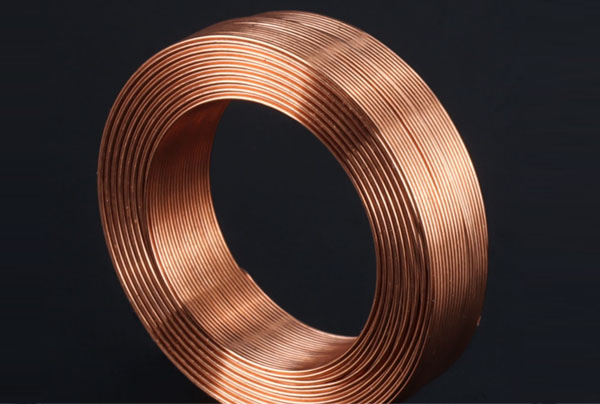
Understanding the Electromagnet Coil Winding Process
Он electromagnet coil winding process involves several critical steps, each requiring precision and attention to detail to ensure optimal electromagnet performance. Here’s a detailed look at the process:
Coil Design and Specification:
- Design Parameters: Before winding begins, the coil’s design parameters must be carefully specified. This includes determining the number of turns, wire gauge, and the overall dimensions of the coil. The design parameters are based on the electromagnet’s required performance specifications, such as magnetic field strength, operating voltage, and current.
- Material Selection: The type of wire used for winding is also chosen at this stage. Factors such as conductivity, mechanical strength, and cost are considered when selecting the wire material. Common choices include copper and aluminum, with copper being more conductive but also more expensive.
Winding Techniques:
- Manual Winding: In manual winding, the wire is wrapped around a bobbin or form by hand. This method is suitable for small-scale production or coils with complex shapes. However, it requires skilled labor and can be time-consuming.
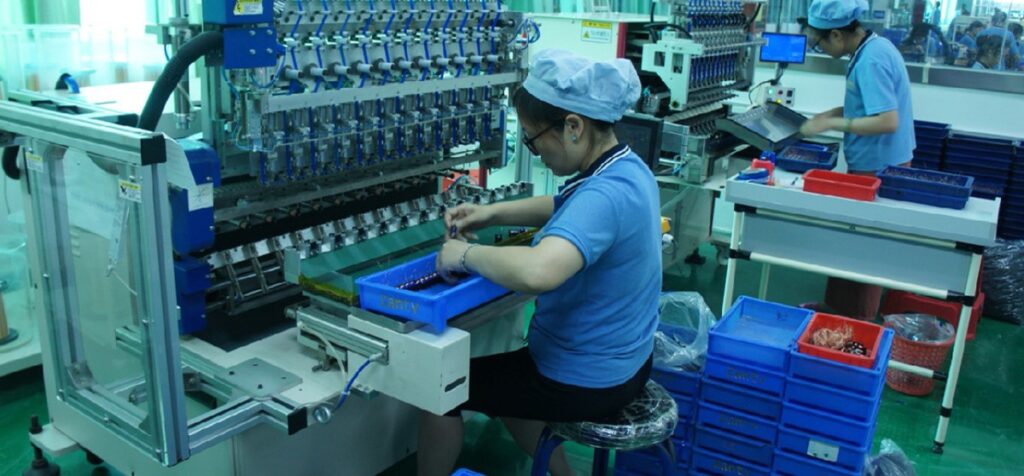
- Automated Winding: Automated winding machines use precision mechanisms to wind the wire, ensuring consistent tension and accurate placement of each turn. This method is faster and more efficient, making it ideal for large-scale production.
- Layer Winding: In layer winding, the wire is wound in layers, with each layer having the same number of turns. This method results in a compact coil with uniform winding density.
- Random Winding: Random winding involves winding the wire in a non-uniform pattern, which can increase the fill factor (the ratio of wire volume to total coil volume) and reduce inductance. However, it can also lead to increased resistance and inductance variations.
Coil Assembly and Termination:
- Coil Forming: After winding, the coil may need to be shaped or formed to fit into the electromagnet’s housing. This may involve bending, twisting, or cutting the wire ends.
- Termination: The wire ends are then terminated, usually by soldering or crimping them to connectors or terminals. Proper termination ensures reliable electrical connection and prevents wire breakage or corrosion.
Quality Control:
- Inspection: The wound coil undergoes rigorous inspection to check for defects such as wire breaks, short circuits, or insulation damage.
- Testing: Electrical tests, such as resistance and inductance measurements, are performed to verify that the coil meets the design specifications.
The Importance of Insulation Materials in Electromagnet Coil
Insulation materials play a critical role in protecting the coil’s windings from electrical shorts, ensuring safe operation, and preventing premature failure. Here’s why insulation is so important:
- Electrical Isolation: Insulation provides a barrier between adjacent wire turns, preventing electrical shorts that could damage the coil or cause the electromagnet to malfunction.
- Thermal Management: Insulation materials help dissipate heat generated by the coil during operation, preventing overheating and extending the electromagnet’s lifespan.
- Mechanical Protection: Insulation offers protection against mechanical stress, such as vibration or bending, which could damage the wire or insulation.
- Chemical Resistance: In harsh environments, insulation materials must resist degradation from chemicals, moisture, or other contaminants.
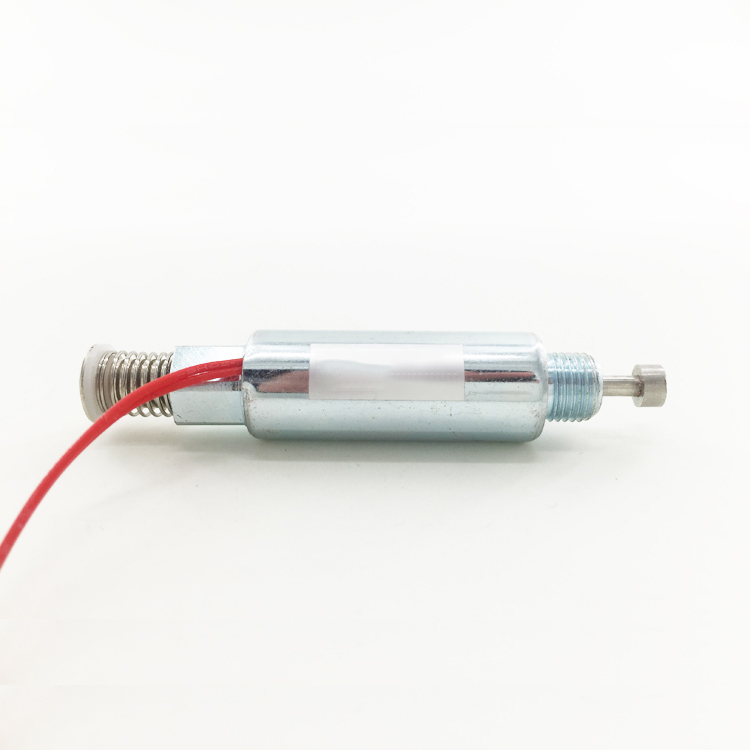
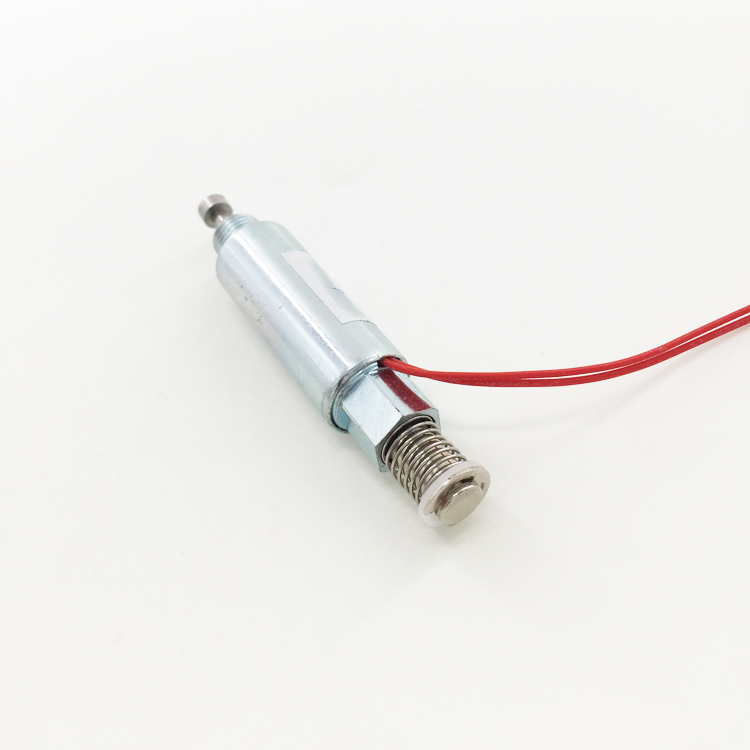
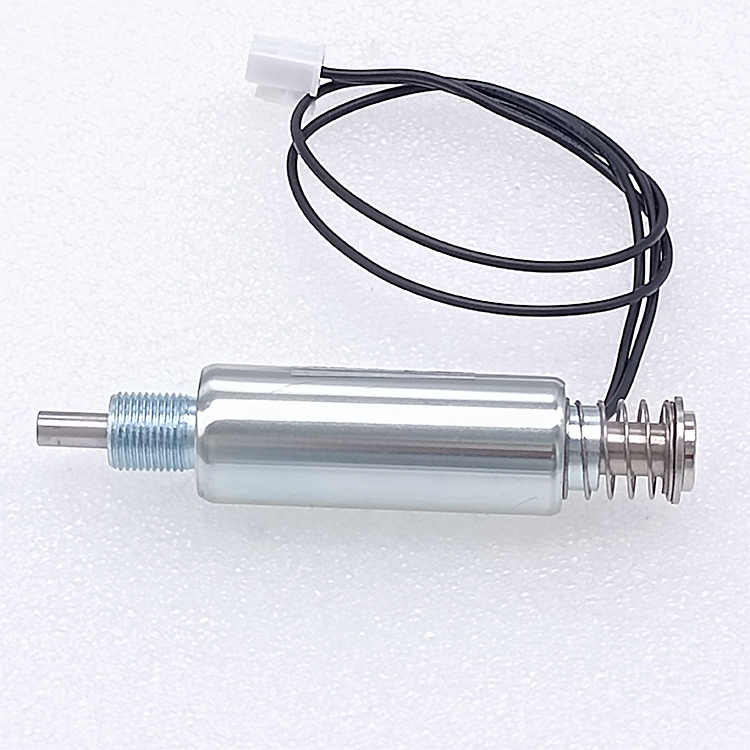
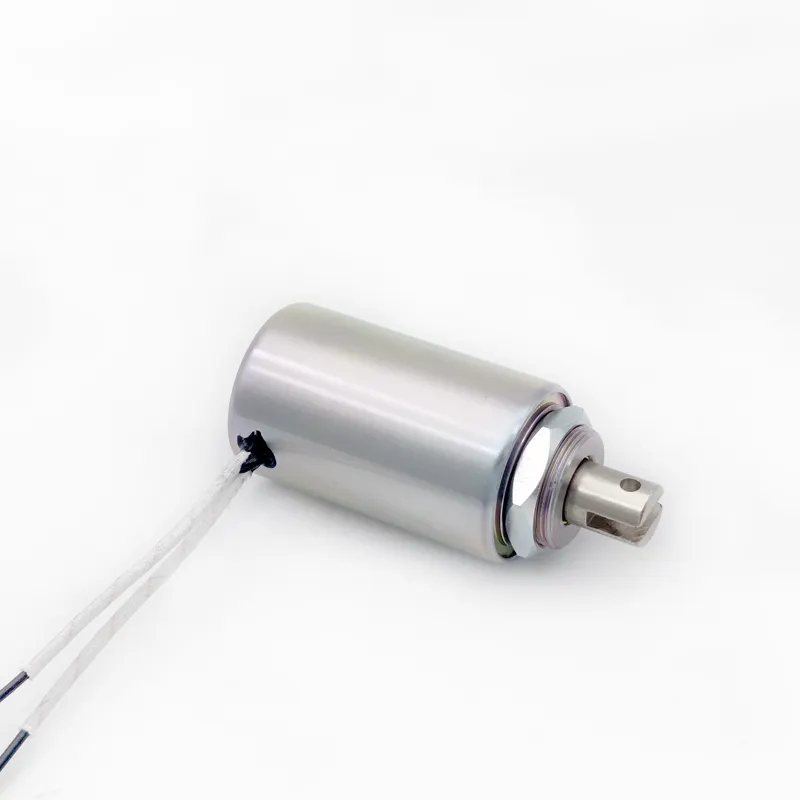
Types of Insulation Materials Used in Electromagnet Coil
Several types of insulation materials are commonly used in electromagnet coil, each offering unique benefits and drawbacks. Here’s a closer look at the most popular options:
Enamel-Coated Wire:
- Description: Enamel-coated wire, also known as magnet wire, is a type of copper or aluminum wire coated with a thin layer of insulating enamel.
- Преимущества: Enamel-coated wire offers excellent electrical insulation and high temperature resistance. It is also available in various grades and thicknesses, allowing for precise control over insulation properties.
- Недостатки: The enamel coating can be brittle and prone to cracking under mechanical stress. Additionally, it requires special care during winding to avoid damage.
Fiberglass-Insulated Wire:
- Description: Fiberglass-insulated wire is coated with a layer of fiberglass material, providing robust electrical and mechanical insulation.
- Преимущества: Fiberglass insulation offers high temperature resistance and excellent chemical stability. It is also flame-retardant and resistant to moisture and other contaminants.
- Недостатки: Fiberglass-insulated wire can be more rigid and difficult to wind compared to enamel-coated wire. Additionally, it may require specialized tools and equipment for processing.
Polyimide-Insulated Wire:
- Description: Polyimide-insulated wire is coated with a layer of polyimide, a high-performance polymer known for its excellent electrical properties and temperature resistance.
- Преимущества: Polyimide insulation offers high dielectric strength, low dielectric loss, and excellent resistance to heat and chemicals. It is also flexible and easy to wind.
- Недостатки: Polyimide-insulated wire is typically more expensive than enamel-coated or fiberglass-insulated wire. Additionally, it may require specialized processing techniques to achieve optimal performance.
Tape and Sleeve Insulation:
- Description: Tape and sleeve insulation involves wrapping individual wire turns or entire coils with insulating tape or sleeves. This method is commonly used in high-voltage or high-temperature applications.
- Преимущества: Tape and sleeve insulation provides excellent electrical isolation and high temperature resistance. It can also be customized to fit specific coil designs and dimensions.
- Недостатки: Applying tape or sleeve insulation can be labor-intensive and time-consuming. Additionally, it may require specialized tools and materials for installation.
Factors to Consider When Selecting Insulation Materials
When selecting insulation materials for electromagnet coils, При этом необходимо учитывать несколько факторов:
- Operating Temperature: The coil’s operating temperature is a critical consideration, as it determines the insulation material’s temperature resistance requirements. Materials with higher temperature ratings are required for coils operating at higher temperatures.
- Voltage Rating: The insulation material’s voltage rating must be sufficient to withstand the maximum voltage the coil will be subjected to during operation. Choosing an insulation material with a higher voltage rating than required can provide a safety margin and increase reliability.
- Mechanical Stress: The insulation material must be able to withstand the mechanical stress associated with winding, termination, and installation. Factors such as flexibility, tensile strength, and abrasion resistance are important considerations.
- Chemical Resistance: In harsh environments, the insulation material must resist degradation from chemicals, moisture, or other contaminants. Choosing a material with good chemical stability can extend the coil’s lifespan and prevent premature failure.
- Расходы: Cost is always a consideration when selecting insulation materials. While high-performance materials may offer better performance and reliability, they also tend to be more expensive. Balancing performance requirements with cost constraints is essential for achieving optimal value.
The electromagnet coil winding process and insulation materials
Он electromagnet coil winding process and insulation materials are crucial aspects of electromagnet design and manufacture. By understanding the various stages of the winding process, the importance of insulation, and the factors to consider when selecting materials, engineers and manufacturers can optimize the coil winding process and material choices. This leads to better electromagnet performance, longer lifespan, and increased reliability. By paying attention to detail and choosing the right materials, it is possible to create electromagnet coils that meet the most demanding specifications and operate efficiently and safely in diverse applications. With the right approach, electromagnet technology can continue to drive innovation and advancements across various industries, contributing to a more connected and efficient world.
О заводе электромагнитов SF
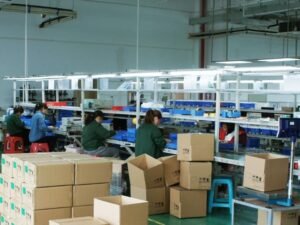
Компания Shengfeng Electromagnet Co., Ltd. была основана в 2015 году и расположена в индустриальном парке Сяньша, отличающемся живописными пейзажами и удобной транспортной доступностью. Компания занимает площадь 16 000 квадратных метров и располагает современными производственными цехами, передовым оборудованием и высококвалифицированной технической командой. С момента основания мы неизменно придерживаемся корпоративной философии “инновации, качество и сервис”, уделяя особое внимание исследованиям, разработкам и производству. электромагниты, постоянно продвигая модернизацию продукции и технологический прогресс, а также предоставляя клиентам продукцию и услуги высочайшего качества.
Почему стоит выбрать электромагнит SF?
ВЫСОКОЕ КАЧЕСТВО:Являясь ведущим китайским производителем электромагнитов соленоидного типа, мы гарантируем высочайшее качество каждого изделия, которое вы получаете; для этого наша служба контроля качества использует профессиональное испытательное оборудование.
ДИЗАЙН ПРОДУКТА:Наш отдел по изготовлению образцов обеспечивает полный цикл воплощения чертежей в готовые изделия. Мы также совершенствуем конструкцию вашего продукта, опираясь на наш многолетний опыт работы. Поделитесь с нами своим мнением.
СТАБИЛЬНЫЕ СРОКИ ДОСТАВКИ:Являясь ведущим производителем и поставщиком электромагнитов, мы обладаем достаточными производственными мощностями: крупные заказы не станут для нас проблемой, и мы гарантированно выполним их в срок.
ЛУЧШАЯ ЦЕНА:Мы являемся заводом-производителем электромагнитов и лучшим изготовителем соленоидов в Китае, поэтому можем предложить высококачественную продукцию по самым выгодным ценам.
ТОЧНОЕ УПРАВЛЕНИЕ:Ничего невозможно достичь без точного управления. Мы — компания с полноценной системой управления.
Круглосуточное обслуживание: 7 дней в неделюКак ведущий производитель соленоидов, мы обеспечиваем круглосуточную оперативную обратную связь: ваши отзывы помогают нам становиться лучше.
Часто задаваемые вопросы об электромагнитах
Мы — ведущая китайская компания. электромагнит Мы являемся производителем, и наш завод расположен в Дунгуане. Приглашаем вас посетить наш завод!
Мы специализируемся на проектировании и производстве высококачественной продукции. электромагнит,электромагнитный клапан,такой как вращающийся соленоид, бистабильные соленоиды, запорные соленоиды, соленоиды открытой рамы, трубчатые соленоиды, самоудерживающий соленоид
• Разумеется, обычно мы предоставляем бесплатные образцы, и вам нужно оплатить только доставку. Для заказа образцов электромагнитов по индивидуальному заказу, пожалуйста, пришлите нам ваши требования для уточнения стоимости образцов.
• Изготовление образца занимает около 7 дней.
Да, мы предоставляем бесплатные услуги по проектированию, разработке конструкций и простому графическому дизайну.
Конечно. Мы можем изготовить любой электромагнит по вашему дизайну. Сейчас мы предлагаем ODM-производство соленоидов для небольших партий от 100 до 500 штук, но вы все равно можете разместить на них свой логотип.
В зависимости от объема заказа и особенностей производства, срок выполнения составит от 15 до 20 дней.
Перед массовым производством всегда предоставляется предсерийный образец; перед отгрузкой всегда проводится окончательная проверка.
• Мощность, тип использования, размер, материал, количество, место доставки и т. д.
• Вы также можете просто сообщить нам свои требования, и мы порекомендуем вам подходящие товары.
• Морским, воздушным или экспресс-транспортом.
• Если у вас есть собственный экспедитор в Китае, то используется цена «франко-завод» или FOB.
• Условия поставки: CFR или CIF и т.д., если вам необходимо, чтобы мы осуществили доставку от вашего имени.
• Также можно использовать DDP и DDU.
• Если у вас больше вариантов, мы рассмотрим ваши предложения.
• Цена определяется количеством, материалом, методом обработки, размером и другими факторами. Кроме того, в связи с нашим постоянным
Благодаря технологическим инновациям, цены на некоторые наши товары чрезвычайно конкурентоспособны. Для получения ценового предложения, пожалуйста, свяжитесь с нами.