









Zuletzt aktualisiert am 03.09.2025 von Magnetspulenfabrik
In der komplexen Welt der Elektromagnetik, Elektromagnetspule winding process and insulation materials used in electromagnet (electromagnetic iron) coils are crucial factors determining the performance, reliability, and efficiency of the electromagnet. From precision winding techniques to the choice of insulation materials, every step in the manufacturing process plays a pivotal role in ensuring that the electromagnet meets its design specifications and operates optimally. This blog aims to provide a comprehensive guide to the electromagnet coil winding process and insulation materials, exploring the various stages of winding, the importance of insulation, and the factors to consider when selecting materials. By understanding these aspects, engineers and manufacturers can optimize the coil winding process and material choices, leading to better electromagnet performance and longer lifespan.
Understanding the Electromagnet Coil Winding Process
Der electromagnet coil winding process involves several critical steps, each requiring precision and attention to detail to ensure optimal electromagnet performance. Here’s a detailed look at the process:
Coil Design and Specification:
- Design Parameters: Before winding begins, the coil’s design parameters must be carefully specified. This includes determining the number of turns, wire gauge, and the overall dimensions of the coil. The design parameters are based on the electromagnet’s required performance specifications, such as magnetic field strength, operating voltage, and current.
- Material Selection: The type of wire used for winding is also chosen at this stage. Factors such as conductivity, mechanical strength, and cost are considered when selecting the wire material. Common choices include copper and aluminum, with copper being more conductive but also more expensive.
Winding Techniques:
- Manual Winding: In manual winding, the wire is wrapped around a bobbin or form by hand. This method is suitable for small-scale production or coils with complex shapes. However, it requires skilled labor and can be time-consuming.
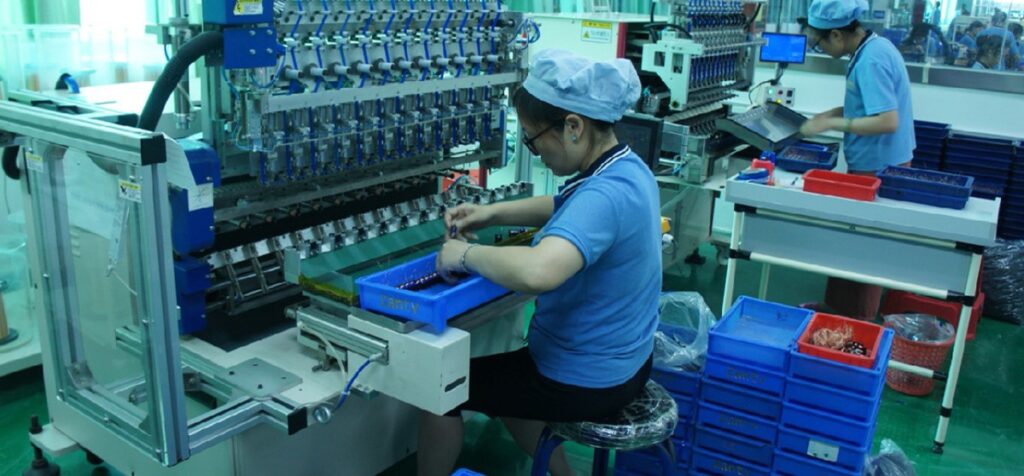
- Automated Winding: Automated winding machines use precision mechanisms to wind the wire, ensuring consistent tension and accurate placement of each turn. This method is faster and more efficient, making it ideal for large-scale production.
- Layer Winding: In layer winding, the wire is wound in layers, with each layer having the same number of turns. This method results in a compact coil with uniform winding density.
- Random Winding: Random winding involves winding the wire in a non-uniform pattern, which can increase the fill factor (the ratio of wire volume to total coil volume) and reduce inductance. However, it can also lead to increased resistance and inductance variations.
Coil Assembly and Termination:
- Coil Forming: After winding, the coil may need to be shaped or formed to fit into the electromagnet’s housing. This may involve bending, twisting, or cutting the wire ends.
- Termination: The wire ends are then terminated, usually by soldering or crimping them to connectors or terminals. Proper termination ensures reliable electrical connection and prevents wire breakage or corrosion.
Qualitätskontrolle:
- Inspection: The wound coil undergoes rigorous inspection to check for defects such as wire breaks, short circuits, or insulation damage.
- Testing: Electrical tests, such as resistance and inductance measurements, are performed to verify that the coil meets the design specifications.
The Importance of Insulation Materials in Electromagnet Coil
Insulation materials play a critical role in protecting the coil’s windings from electrical shorts, ensuring safe operation, and preventing premature failure. Here’s why insulation is so important:
- Electrical Isolation: Insulation provides a barrier between adjacent wire turns, preventing electrical shorts that could damage the coil or cause the electromagnet to malfunction.
- Thermal Management: Insulation materials help dissipate heat generated by the coil during operation, preventing overheating and extending the electromagnet’s lifespan.
- Mechanical Protection: Insulation offers protection against mechanical stress, such as vibration or bending, which could damage the wire or insulation.
- Chemical Resistance: In harsh environments, insulation materials must resist degradation from chemicals, moisture, or other contaminants.
- Bewertet mit 0 von 5
- Bewertet mit 0 von 5
- Bewertet mit 0 von 5
- Bewertet mit 0 von 5
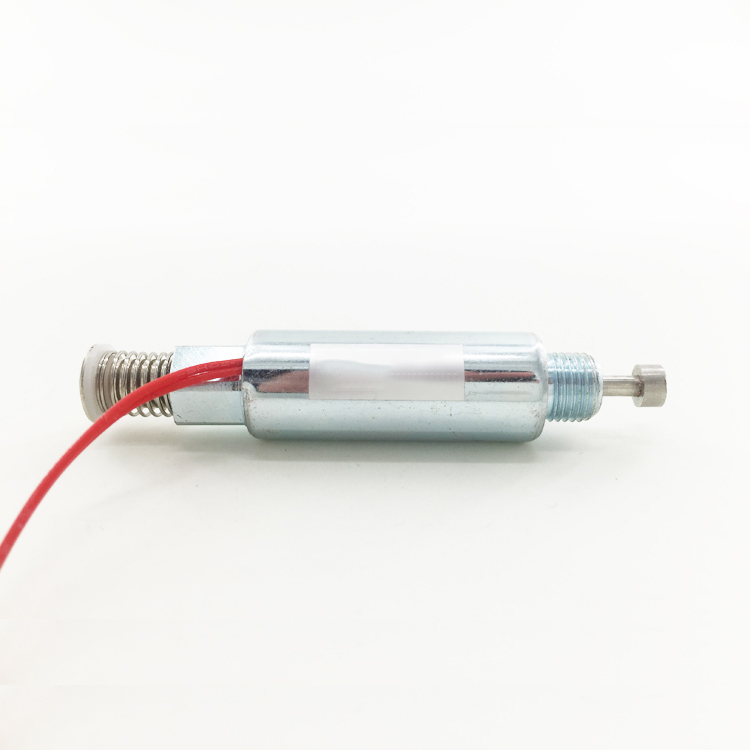
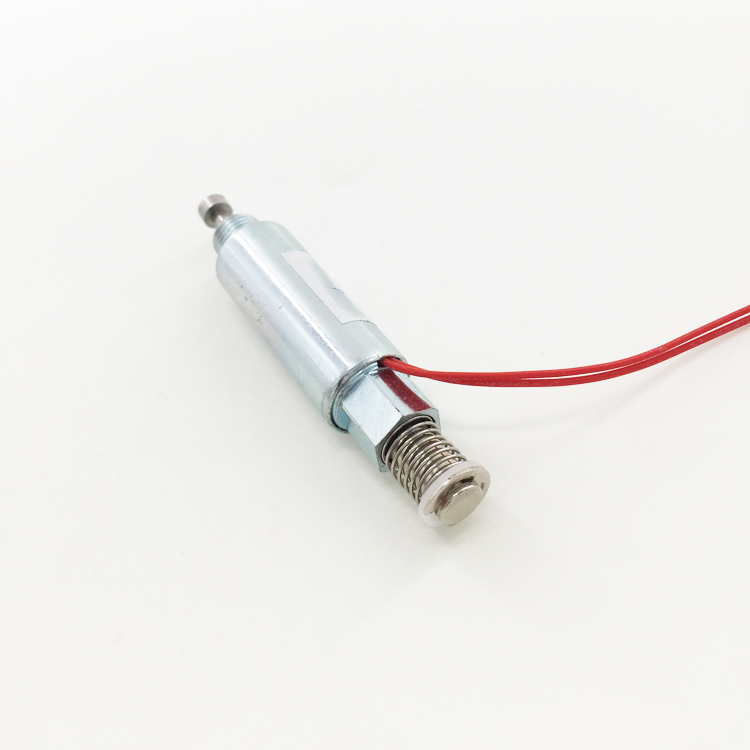
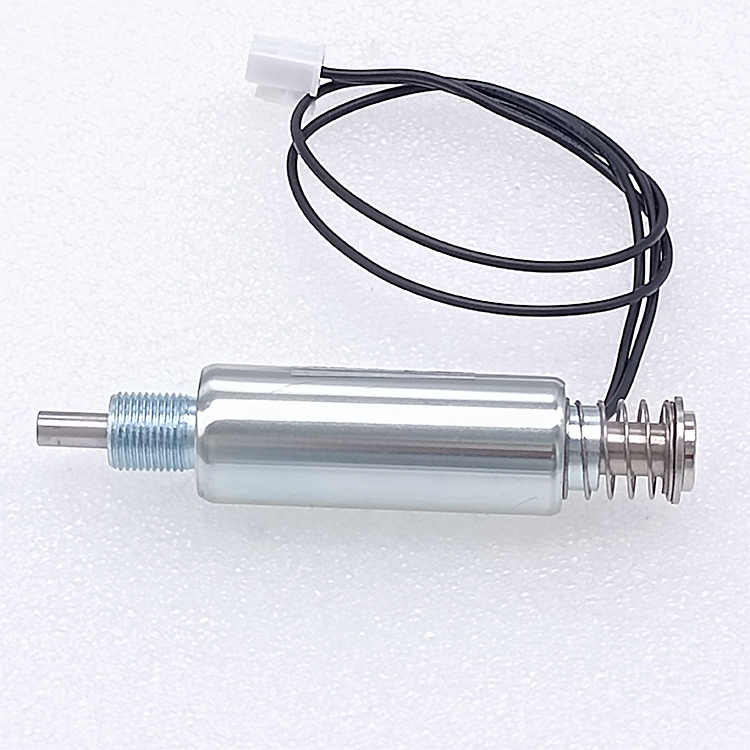
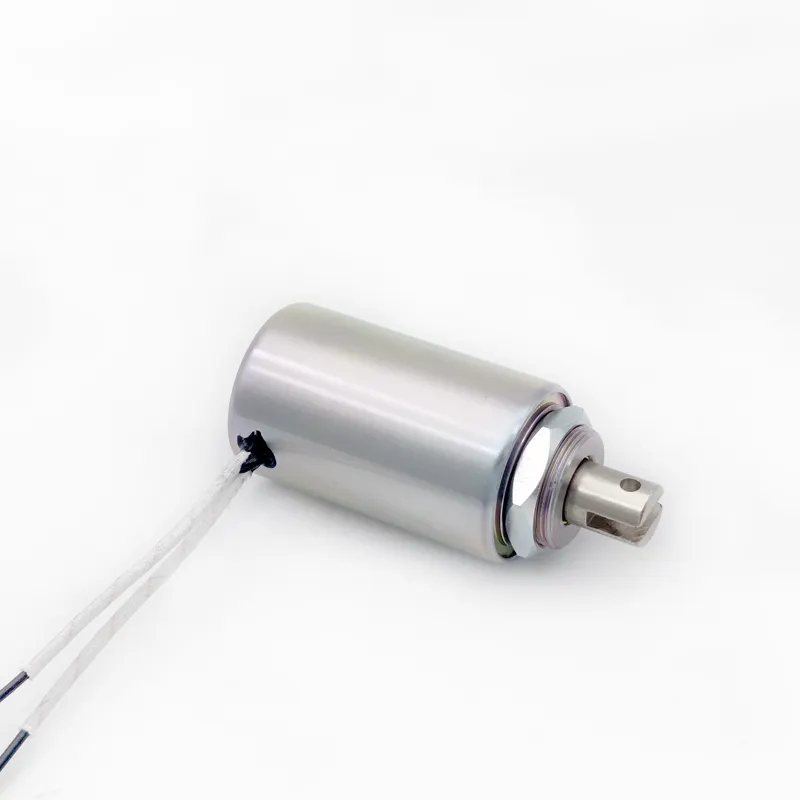
Types of Insulation Materials Used in Electromagnet Coil
Several types of insulation materials are commonly used in Elektromagnetspule, each offering unique benefits and drawbacks. Here’s a closer look at the most popular options:
Enamel-Coated Wire:
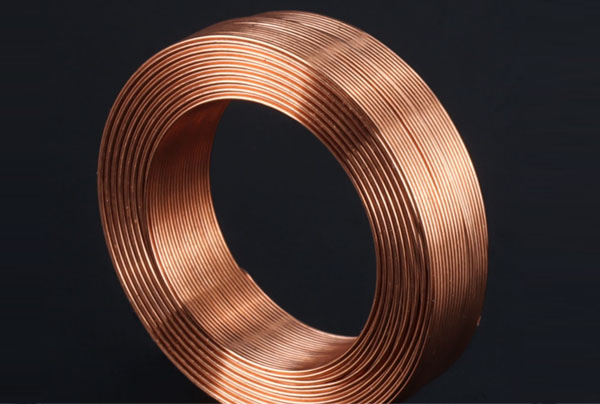
- Description: Enamel-coated wire, also known as magnet wire, is a type of copper or aluminum wire coated with a thin layer of insulating enamel.
- Benefits: Enamel-coated wire offers excellent electrical insulation and high temperature resistance. It is also available in various grades and thicknesses, allowing for precise control over insulation properties.
- Drawbacks: The enamel coating can be brittle and prone to cracking under mechanical stress. Additionally, it requires special care during winding to avoid damage.
Fiberglass-Insulated Wire:
- Description: Fiberglass-insulated wire is coated with a layer of fiberglass material, providing robust electrical and mechanical insulation.
- Benefits: Fiberglass insulation offers high temperature resistance and excellent chemical stability. It is also flame-retardant and resistant to moisture and other contaminants.
- Drawbacks: Fiberglass-insulated wire can be more rigid and difficult to wind compared to enamel-coated wire. Additionally, it may require specialized tools and equipment for processing.
Polyimide-Insulated Wire:
- Description: Polyimide-insulated wire is coated with a layer of polyimide, a high-performance polymer known for its excellent electrical properties and temperature resistance.
- Benefits: Polyimide insulation offers high dielectric strength, low dielectric loss, and excellent resistance to heat and chemicals. It is also flexible and easy to wind.
- Drawbacks: Polyimide-insulated wire is typically more expensive than enamel-coated or fiberglass-insulated wire. Additionally, it may require specialized processing techniques to achieve optimal performance.
Tape and Sleeve Insulation:
- Description: Tape and sleeve insulation involves wrapping individual wire turns or entire coils with insulating tape or sleeves. This method is commonly used in high-voltage or high-temperature applications.
- Benefits: Tape and sleeve insulation provides excellent electrical isolation and high temperature resistance. It can also be customized to fit specific coil designs and dimensions.
- Drawbacks: Applying tape or sleeve insulation can be labor-intensive and time-consuming. Additionally, it may require specialized tools and materials for installation.
Factors to Consider When Selecting Insulation Materials
When selecting insulation materials for electromagnet coils, several factors must be taken into account:
- Operating Temperature: The coil’s operating temperature is a critical consideration, as it determines the insulation material’s temperature resistance requirements. Materials with higher temperature ratings are required for coils operating at higher temperatures.
- Voltage Rating: The insulation material’s voltage rating must be sufficient to withstand the maximum voltage the coil will be subjected to during operation. Choosing an insulation material with a higher voltage rating than required can provide a safety margin and increase reliability.
- Mechanical Stress: The insulation material must be able to withstand the mechanical stress associated with winding, termination, and installation. Factors such as flexibility, tensile strength, and abrasion resistance are important considerations.
- Chemical Resistance: In harsh environments, the insulation material must resist degradation from chemicals, moisture, or other contaminants. Choosing a material with good chemical stability can extend the coil’s lifespan and prevent premature failure.
- Cost: Cost is always a consideration when selecting insulation materials. While high-performance materials may offer better performance and reliability, they also tend to be more expensive. Balancing performance requirements with cost constraints is essential for achieving optimal value.
The electromagnet coil winding process and insulation materials
Der Elektromagnetspule winding process and insulation materials are crucial aspects of electromagnet design and manufacture. By understanding the various stages of the winding process, the importance of insulation, and the factors to consider when selecting materials, engineers and manufacturers can optimize the coil winding process and material choices. This leads to better electromagnet performance, longer lifespan, and increased reliability. By paying attention to detail and choosing the right materials, it is possible to create electromagnet coils that meet the most demanding specifications and operate efficiently and safely in diverse applications. With the right approach, electromagnet technology can continue to drive innovation and advancements across various industries, contributing to a more connected and efficient world.
Über die SF-Elektromagnetfabrik
Shengfeng Electromagnet Co., Ltd. wurde 2015 gegründet und befindet sich im Industriepark Xiansha, der durch seine landschaftliche Schönheit und die hervorragende Verkehrsanbindung besticht. Das Unternehmen erstreckt sich über eine Fläche von 16.000 Quadratmetern und verfügt über moderne Produktionsanlagen, fortschrittliche Fertigungstechnik und ein hochqualifiziertes technisches Team. Seit unserer Gründung verfolgen wir konsequent die Unternehmensphilosophie “Innovation, Qualität und Service” und konzentrieren uns auf Forschung, Entwicklung und Produktion. Elektromagnete, Wir fördern ständig Produktverbesserungen und technologischen Fortschritt und bieten unseren Kunden Produkte und Dienstleistungen von höchster Qualität.
Warum sollte man sich für einen SF-Elektromagneten entscheiden?
HOHE QUALITÄT:Als führender Hersteller von Elektromagneten in China stellt unser Qualitätssicherungsteam sicher, dass jedes einzelne Produkt, das Sie erhalten, von höchster Qualität ist. Wir verfügen über professionelle Prüfgeräte für die Qualitätskontrolle.
PRODUKTDESIGN:Unsere Musterabteilung deckt den gesamten Prozess von der Zeichnung bis zur Realisierung ab. Zudem optimieren wir Ihr Produktdesign auf der Grundlage unserer langjährigen Erfahrung. Teilen Sie uns Ihre Meinung mit.
STABILE LIEFERZEIT:Als führender Hersteller und Lieferant von Elektromagneten verfügen wir über ausreichende Fertigungskapazitäten; auch Großaufträge stellen für uns kein Problem dar – wir liefern Ihre Bestellung pünktlich.
BESTER PREIS:Wir sind ein direkt produzierendes Werk für Elektromagnete und der führende Hersteller von Solenoiden in China; deshalb können wir hochwertige Produkte zu besten Preisen anbieten.
PRÄZISES MANAGEMENT:Ohne eine präzise Steuerung lässt sich nichts erreichen. Wir sind ein Unternehmen mit einem umfassenden Managementsystem.
24-Stunden-Service:Als führender Hersteller von Elektromagneten bieten wir eine sofortige Reaktion rund um die Uhr: Wir nehmen Ihr Feedback gerne entgegen, um uns als Lieferant weiter zu verbessern.
Häufig gestellte Fragen zu Elektromagneten
Wir sind ein chinesisches Top-Unternehmen Elektromagnet Der Hersteller und unser Werk befinden sich in Dongguan. Besuchen Sie uns gerne!
Wir sind spezialisiert auf die Entwicklung und Produktion von hochwertigen Produkten. Elektromagnet,Magnetventil,wie zum Beispiel Drehmagnet, bistabile Magnetspulen, Verriegelungsmagnete, offene Rahmenmagnete, Rohrmagnete, selbsthaltender Magnet
• Selbstverständlich stellen wir Ihnen in der Regel kostenlose Muster zur Verfügung; Sie müssen lediglich die Versandkosten übernehmen. Für kundenspezifische Elektromagnetmuster senden Sie uns bitte Ihre Anforderungen, damit wir die Musterkosten prüfen können.
• Die Anfertigung von Mustern dauert etwa 7 Tage.
Ja, wir bieten kostenlose Designleistungen, Strukturplanung und einfache Grafikgestaltung an.
Selbstverständlich. Wir können jeden Elektromagneten nach Ihren Vorgaben fertigen. Neu im Angebot ist die ODM-Solenoidproduktion für Kleinserien von 100 bis 500 Stück. Auch hier können Sie Ihr eigenes Logo verwenden.
Je nach Bestellmenge und Produktionsdetails dauert es etwa 15 bis 20 Tage.
Vor der Serienproduktion wird stets ein Vorserienmuster gefertigt; vor dem Versand erfolgt stets eine Endkontrolle.
• Leistung, Verwendungszweck, Größe, Material, Menge, Lieferort usw.
• Sie können uns auch einfach Ihre Anforderungen mitteilen, und wir werden Ihnen Produkte empfehlen.
• Auf dem Seeweg, auf dem Luftweg oder per Express.
• Wenn Sie einen eigenen Spediteur in China haben, gilt der Preis ab Werk (FOB).
•CFR oder CIF usw., falls Sie den Versand durch uns in Ihrem Namen wünschen.
• DDP und DDU können ebenfalls verwendet werden.
• Mehr Auswahlmöglichkeiten, wir werden Ihre Wünsche berücksichtigen.
Der Preis richtet sich nach Menge, Material, Verarbeitungsmethode, Größe und weiteren Faktoren. Darüber hinaus trägt unsere kontinuierliche
Aufgrund technologischer Innovationen sind die Preise einiger unserer Produkte äußerst wettbewerbsfähig. Bitte kontaktieren Sie uns für ein Angebot.