









Cập nhật lần cuối vào ngày 04/09/2025 bởi Nhà máy Solenoid
Magnetic Resonance Imaging (MRI) has revolutionized diagnostic medicine by providing unparalleled insights into the human body’s soft tissues, organs, and vascular systems. At the core of this technology lies a marvel of engineering: nam châm điện. These devices generate and control the powerful, stable magnetic fields essential for high-resolution imaging. As a professional electromagnet manufacturer, we explore the critical role of electromagnets in MRI systems, the technical challenges of magnetic field control, and the innovations driving the future of medical imaging.
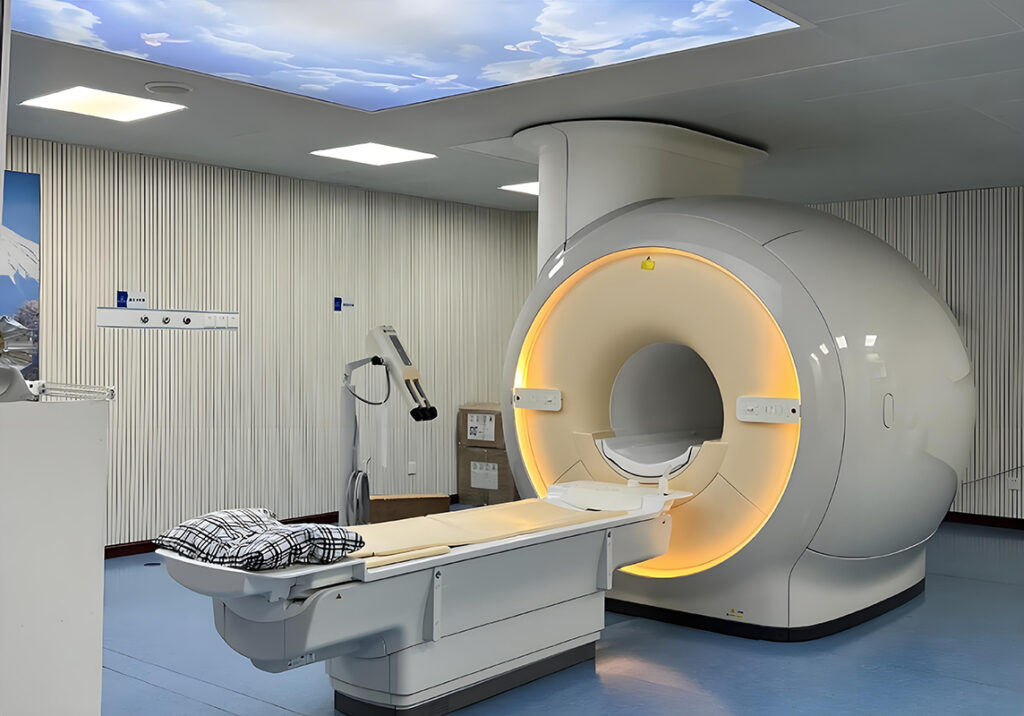
1. The Role of Electromagnets in MRI Magnetic Field Generation
1.1 The Basics of MRI Operation
MRI works by aligning hydrogen nuclei in the body’s water molecules using a strong magnetic field. Radiofrequency (RF) pulses temporarily disrupt this alignment, and the energy released as nuclei return to their original state is detected and converted into detailed images. The strength and stability of the magnetic field directly determine image quality, making electromagnets indispensable.
1.2 Types of Electromagnets in MRI Systems
- Superconducting Electromagnets: The gold standard for clinical MRI, these coils operate at cryogenic temperatures (near absolute zero) to achieve zero electrical resistance, enabling ultra-high field strengths (1.5 Tesla to 7 Tesla and beyond).
- Resistive Electromagnets: Use standard conductive materials (e.g., copper) but require continuous power and cooling, limiting them to low-field MRI systems (under 0.5 Tesla).
- Permanent Magnets: Rare-earth magnets (e.g., neodymium) provide static fields but lack adjustability, making them less common in advanced MRI.
1.3 Key Components of MRI Electromagnets
- Coils: Wound from superconducting wire (e.g., niobium-titanium) to carry high currents.
- Cryostat: A vacuum-insulated chamber filled with liquid helium to maintain superconductivity.
- Shim Coils: Smaller electromagnets that fine-tune field homogeneity.
- Gradient Coils: Rapidly switchable coils that create spatial encoding fields for image reconstruction.
2. Magnetic Field Control: Precision Engineering Challenges
2.1 Achieving Field Homogeneity
Challenge: Even minor inhomogeneities in the magnetic field distort images. For example, a variation of just 0.1 parts per million (ppm) over a 50 cm sphere is required for high-resolution brain imaging.
Solution:
- Active Shimming: Adjustable shim coils counteract field distortions in real time.
- Passive Shimming: Ferromagnetic materials are strategically placed around the bore to correct static inhomogeneities.
2.2 Maintaining Field Stability
Challenge: External factors (e.g., moving metal objects, power fluctuations) disrupt the magnetic field.
Solution:
- Shielded Rooms: MRI suites are encased in Faraday cages and ferromagnetic shielding to block external interference.
- Feedback Systems: Monitor field strength and adjust coil currents dynamically.
2.3 Managing Heat and Energy
Challenge: Superconducting coils require extreme cooling, while resistive systems generate significant heat.
Solution:
- Liquid Helium Cooling: Maintains superconducting coils at 4.2 K (-269°C).
- Energy-Efficient Designs: New superconducting materials (e.g., MgB₂) operate at higher temperatures (up to 20 K), reducing reliance on liquid helium.
3. Applications of Electromagnets in MRI Systems
3.1 High-Field MRI (1.5T to 7T)
High-field MRI systems rely on superconducting nam châm điện to achieve detailed images of the brain, spinal cord, and musculoskeletal system. These systems excel in detecting tumors, strokes, and neurodegenerative diseases.
Case Study: A 7T MRI scanner, powered by advanced superconducting coils, revealed microscopic brain lesions in multiple sclerosis patients that were invisible at lower field strengths.
3.2 Functional MRI (fMRI)
fMRI tracks brain activity by detecting blood oxygenation changes. Ultra-stable electromagnets ensure minimal noise during prolonged scans, enabling research into cognition, emotion, and neurological disorders.
3.3 Interventional MRI
Electromagnets enable real-time imaging during surgeries. Open-bore MRI systems with adjustable fields allow surgeons to operate while monitoring progress, improving outcomes in tumor resections and biopsies.
3.4 Portable and Low-Field MRI
Advances in resistive electromagnets and permanent magnet designs have led to compact, low-field MRI systems for emergency rooms, rural clinics, and battlefield medicine. These systems trade some resolution for accessibility and cost-effectiveness.
- Được xếp hạng 0 5 sao
- Được xếp hạng 0 5 sao
- Được xếp hạng 0 5 sao
- Được xếp hạng 0 5 sao
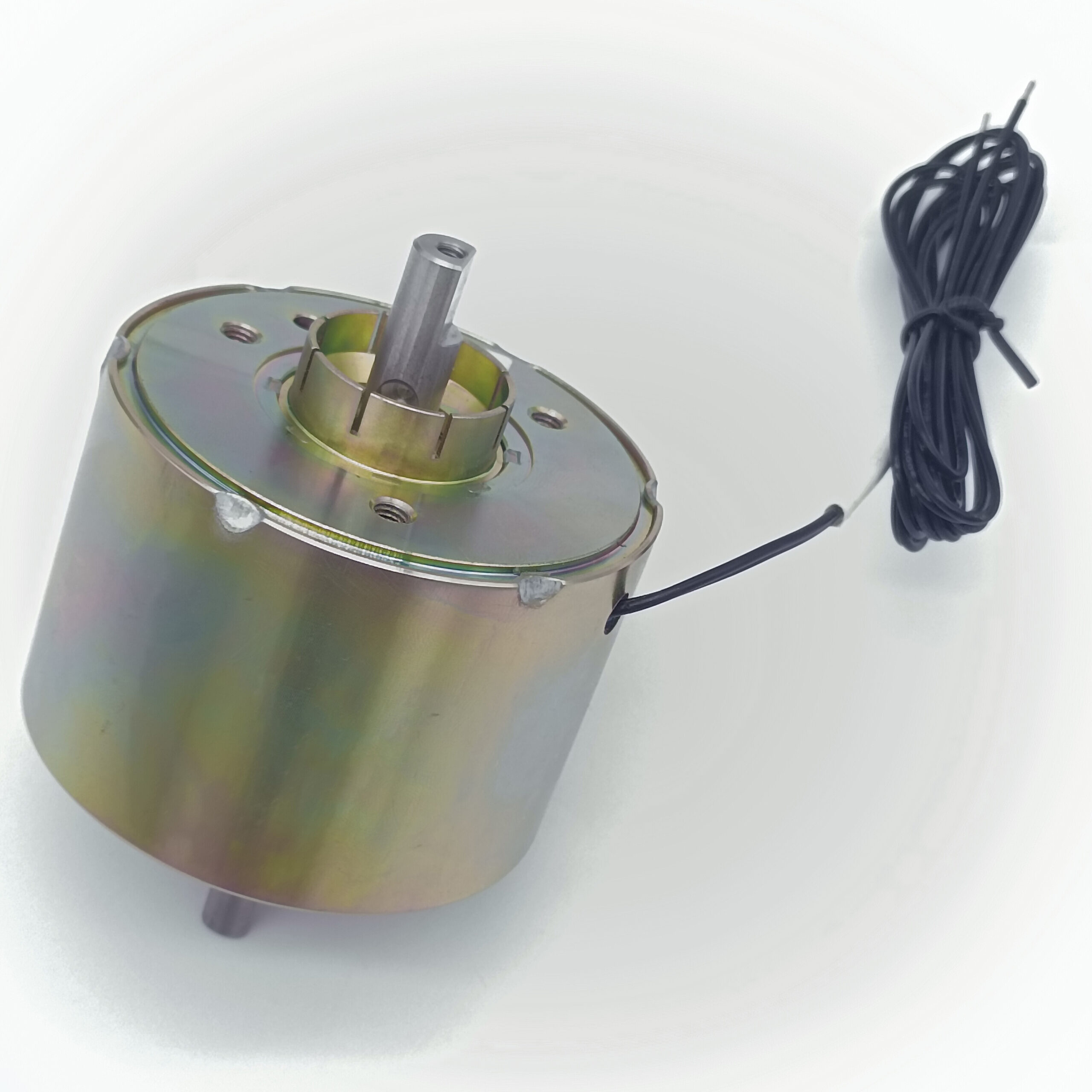
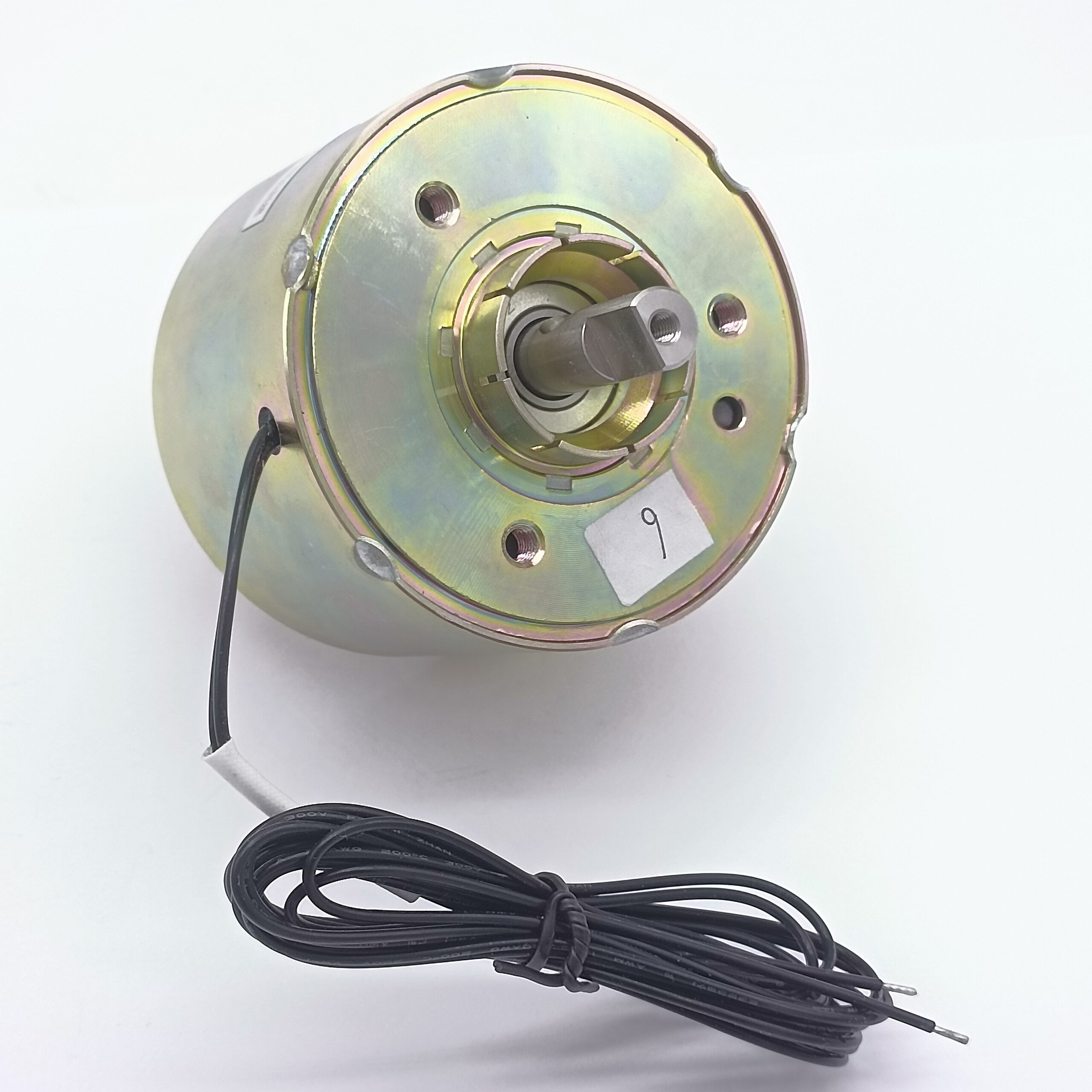
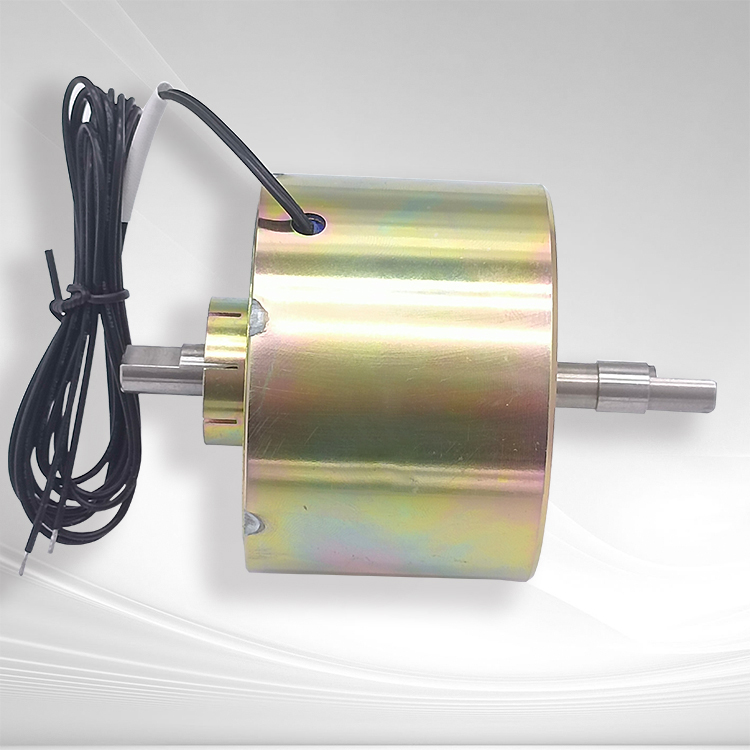

4. Technical Innovations in MRI Electromagnets
4.1 High-Temperature Superconductors (HTS)
HTS materials like rare-earth barium copper oxide (ReBCO) can operate at higher temperatures (77 K), simplifying cooling systems and reducing helium consumption. HTS coils also tolerate higher magnetic fields, paving the way for 10T+ MRI systems.
4.2 Hybrid Magnet Systems
Combining superconducting and resistive electromagnets allows adjustable field strengths, optimizing imaging for specific applications (e.g., cardiac vs. neurological scans).
4.3 AI-Driven Field Optimization
Machine learning algorithms analyze historical scan data to predict and correct field inhomogeneities, reducing setup times and improving image consistency.
4.4 Sustainable Cooling Solutions
- Helium Reclamation Systems: Capture and recycle evaporated helium, addressing global supply shortages.
- Cryogen-Free MRI: Use cryocoolers to eliminate liquid helium dependency, as seen in some next-generation scanners.
4.5 Lightweight and Flexible Coils
3D-printed gradient coils and flexible superconducting tapes enable novel MRI designs, such as wearable scanners for joint imaging or neonatal care.
5. Challenges in Electromagnet Design for MRI
5.1 Material Limitations
Challenge: Superconducting wires are brittle and difficult to shape into complex coil geometries.
Solution: Development of flexible superconducting tapes and additive manufacturing techniques for custom coils.
5.2 Cost and Accessibility
Challenge: High costs of superconducting materials and helium limit MRI availability in developing regions.
Solution: Low-field resistive systems and HTS magnets that reduce operational expenses.
5.3 Patient Safety
Challenge: Strong magnetic fields pose risks (e.g., projectile effects, implant heating).
Solution: Rigorous safety protocols, ferromagnetic detectors, and “quench” systems to safely dissipate magnetic energy in emergencies.
5.4 Regulatory Compliance
Challenge: Meeting stringent medical device standards (e.g., FDA, CE) for electromagnetic compatibility (EMC) and patient exposure.
Solution: Advanced shielding and real-time monitoring systems to ensure compliance.
6. The Future of Electromagnets in MRI
6.1 Ultra-High-Field MRI (10T and Beyond)
Researchers are developing 10T+ MRI systems to visualize cellular-level structures. These require breakthroughs in superconducting materials and quench management to handle immense magnetic energies.
6.2 Quantum-Enhanced MRI
Quantum sensors, such as superconducting quantum interference devices (SQUIDs), could work with electromagnets to detect weak magnetic signals, enabling MRI at ultra-low fields with minimal infrastructure.
6.3 Integrated Multimodal Imaging
Combining MRI with PET, CT, or ultrasound in hybrid systems will demand electromagnets that operate harmoniously with other imaging technologies.
6.4 AI and Autonomous MRI
Autonomous MRI systems will use AI to adjust field parameters in real time, optimizing scans for individual patient anatomy and reducing operator dependency.
6.5 Global Democratization of MRI
Affordable, portable MRI systems powered by advanced electromagnets will expand access to life-saving diagnostics in low-resource settings.
Electromagnets—The Unsung Heroes of Medical Imaging
Nam châm điện are the invisible force behind MRI’s transformative power in healthcare. From enabling early disease detection to guiding complex surgeries, their role in magnetic field control is nothing short of revolutionary. As technology advances, the collaboration between electromagnet manufacturers, medical researchers, and clinicians will continue to push the boundaries of what’s possible in diagnostic imaging.
For healthcare providers and researchers, understanding the intricacies of MRI electromagnets is key to leveraging their full potential. For manufacturers, innovation in materials, cooling, and AI integration will drive the next era of MRI—one where precision, accessibility, and sustainability redefine patient care worldwide.
In the quest to see deeper, clearer, and farther into the human body, electromagnets remain at the forefront, proving that even the most powerful forces in medicine can be harnessed with elegance and precision.
Giới thiệu về nhà máy sản xuất nam châm điện SF
Công ty TNHH Nam châm điện Shengfeng được thành lập năm 2015, tọa lạc tại Khu công nghiệp Tây Sa với cảnh quan đẹp và giao thông thuận tiện. Công ty có diện tích 16.000 mét vuông, sở hữu nhà máy sản xuất hiện đại, thiết bị sản xuất tiên tiến và đội ngũ kỹ thuật chất lượng cao. Từ khi thành lập, chúng tôi luôn tuân thủ triết lý doanh nghiệp “đổi mới, chất lượng và dịch vụ”, tập trung vào nghiên cứu và phát triển cũng như sản xuất các sản phẩm chất lượng cao. nam châm điện, Không ngừng thúc đẩy việc nâng cấp sản phẩm và tiến bộ công nghệ, đồng thời cung cấp cho khách hàng những sản phẩm và dịch vụ chất lượng tốt nhất.
Tại sao nên chọn nam châm điện SF?
CHẤT LƯỢNG CAO CẤP:Là nhà sản xuất nam châm điện solenoid hàng đầu tại Trung Quốc, đội ngũ kiểm soát chất lượng (QC) của chúng tôi cam kết đảm bảo mọi sản phẩm bạn nhận được đều đạt chất lượng tốt nhất. Chúng tôi sở hữu các thiết bị kiểm tra chất lượng chuyên dụng.
THIẾT KẾ SẢN PHẨM:Bộ phận làm mẫu của chúng tôi sở hữu quy trình hoàn chỉnh để hiện thực hóa các bản vẽ. Chúng tôi cũng sẽ cải tiến thiết kế sản phẩm của bạn dựa trên kinh nghiệm làm việc lâu năm. Hãy chia sẻ ý kiến của bạn với chúng tôi.
THỜI GIAN GIAO HÀNG ỔN ĐỊNH:Là nhà sản xuất và cung cấp nam châm điện hàng đầu, chúng tôi sở hữu năng lực sản xuất mạnh mẽ; ngay cả với những đơn hàng lớn, chúng tôi vẫn đảm bảo giao hàng đúng tiến độ cho quý khách.
GIÁ TỐT NHẤT:Chúng tôi là nhà máy sản xuất trực tiếp nam châm điện và là nhà sản xuất solenoid hàng đầu tại Trung Quốc; chính vì vậy, chúng tôi có thể cung cấp các sản phẩm chất lượng cao với mức giá tốt nhất.
QUẢN LÝ CHÍNH XÁC:Chúng ta sẽ không thể đạt được kết quả gì nếu không thực hiện công tác quản lý chặt chẽ. Chúng tôi là công ty sở hữu hệ thống quản lý toàn diện.
PHỤC VỤ 24/7:Là nhà sản xuất van điện từ hàng đầu, chúng tôi cung cấp dịch vụ phản hồi nhanh chóng 24/7: Chúng tôi sẽ tiếp nhận phản hồi của bạn để cải thiện chất lượng dịch vụ và trở thành nhà cung cấp tốt hơn. Liên hệ WhatsApp +86 18902611680
Câu hỏi thường gặp về nam châm điện
Chúng tôi là một công ty hàng đầu của Trung Quốc. nam châm điện Nhà sản xuất của chúng tôi đặt tại Đông Quan. Rất hân hạnh được đón tiếp quý khách đến thăm nhà máy!
Chúng tôi chuyên thiết kế và sản xuất các sản phẩm chất lượng cao. nam châm điện,van điện từ,chẳng hạn như nam châm điện quay, nam châm điện lưỡng ổn định, nam châm điện chốt, van điện từ khung hở, nam châm điện hình ống, van điện từ tự giữ
•Tất nhiên, thông thường chúng tôi sẽ cung cấp mẫu miễn phí, và bạn chỉ cần thanh toán phí vận chuyển. Đối với các mẫu nam châm điện tùy chỉnh, vui lòng gửi yêu cầu của bạn cho chúng tôi để kiểm tra chi phí mẫu.
• Quá trình sản xuất mẫu mất khoảng 7 ngày.
Vâng, chúng tôi cung cấp dịch vụ thiết kế miễn phí, thiết kế kết cấu và thiết kế đồ họa đơn giản.
Chắc chắn rồi. Chúng tôi có thể sản xuất bất kỳ loại nam châm điện nào theo thiết kế của bạn. Hiện tại, chúng tôi đang mở dịch vụ ODM cho nam châm điện từ số lượng nhỏ từ 100 đến 500 chiếc, nhưng bạn vẫn có thể sử dụng logo riêng của mình.
Tùy thuộc vào số lượng đặt hàng và chi tiết sản xuất, thời gian giao hàng sẽ vào khoảng 15 đến 20 ngày.
Luôn có mẫu thử trước khi sản xuất hàng loạt; Luôn kiểm tra cuối cùng trước khi giao hàng.
• Công suất, mục đích sử dụng, kích thước, chất liệu, số lượng, địa điểm giao hàng, v.v.
• Bạn cũng có thể cho chúng tôi biết yêu cầu của bạn và chúng tôi sẽ đề xuất sản phẩm phù hợp.
• Bằng đường biển, đường hàng không hoặc chuyển phát nhanh.
• Nếu bạn có đại lý giao nhận vận tải riêng tại Trung Quốc, đó là giá xuất xưởng hoặc giá FOB.
•CFR hoặc CIF, v.v., nếu bạn cần chúng tôi vận chuyển thay mặt bạn.
• DDP và DDU cũng có thể được sử dụng.
• Chúng tôi sẽ xem xét các lựa chọn của bạn nếu bạn có thêm nhiều sự lựa chọn khác.
• Giá cả được xác định bởi số lượng, chất liệu, phương pháp gia công, kích thước và các yếu tố khác. Ngoài ra, do sự phát triển liên tục của chúng tôi, giá cả được nâng cao.
Nhờ đổi mới công nghệ, giá cả một số sản phẩm của chúng tôi cực kỳ cạnh tranh, vui lòng liên hệ với chúng tôi để được báo giá.