







Son güncelleme tarihi: 2025-09-03. SolenoidFactory
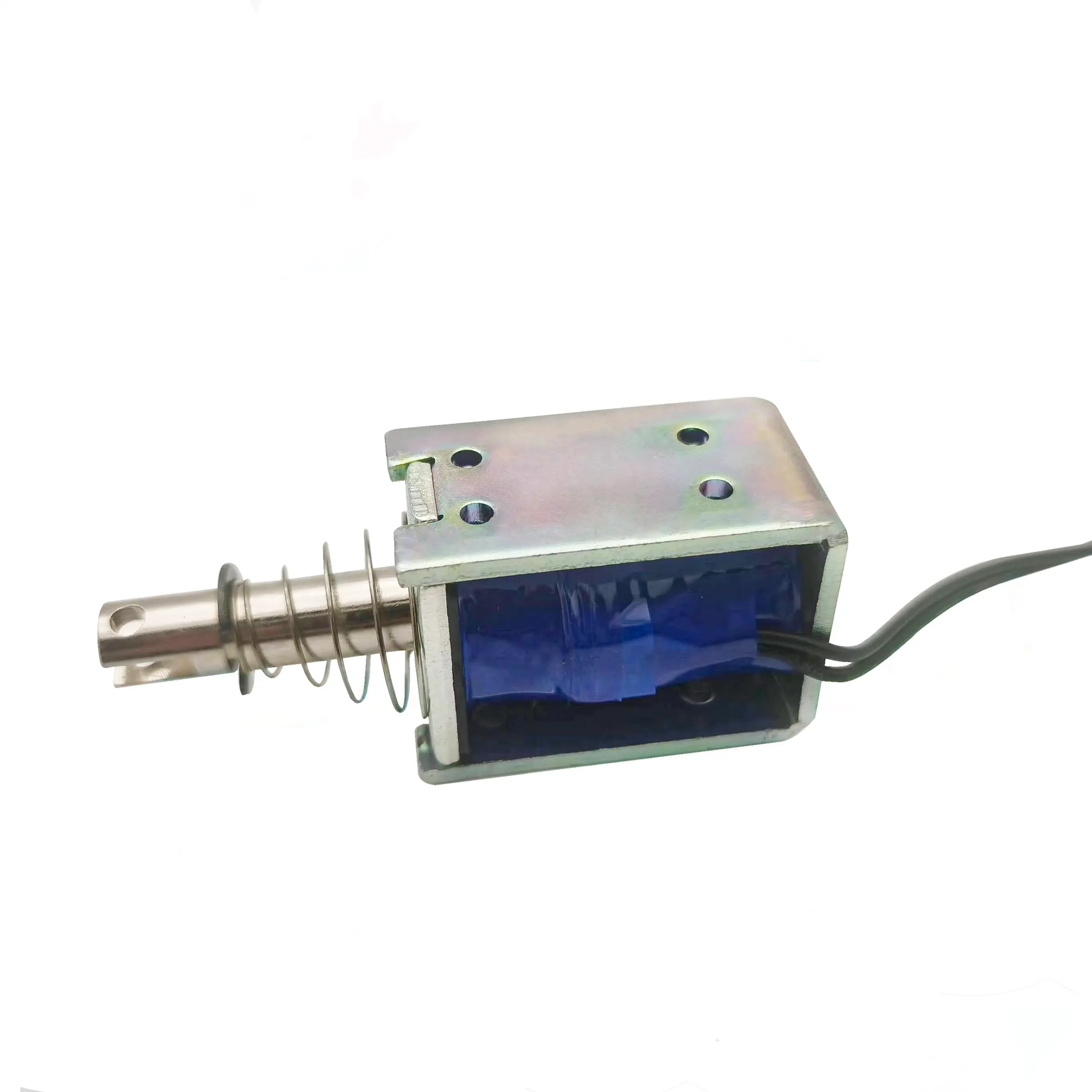
In the intricate world of electromagnetics, the electromagnet coil winding process and insulation materials used in electromagnet (electromagnetic iron) coils are crucial factors determining the performance, reliability, and efficiency of the electromagnet. From precision winding techniques to the choice of insulation materials, every step in the manufacturing process plays a pivotal role in ensuring that the electromagnet meets its design specifications and operates optimally. This blog aims to provide a comprehensive guide to the electromagnet coil winding process and insulation materials, exploring the various stages of winding, the importance of insulation, and the factors to consider when selecting materials. By understanding these aspects, engineers and manufacturers can optimize the coil winding process and material choices, leading to better electromagnet performance and longer lifespan.
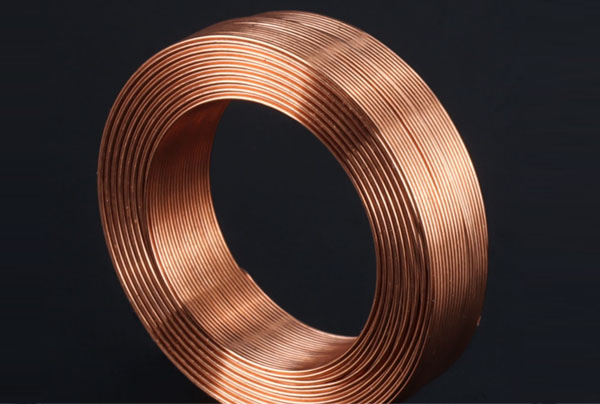
Understanding the Electromagnet Coil Winding Process
O electromagnet coil winding process involves several critical steps, each requiring precision and attention to detail to ensure optimal electromagnet performance. Here’s a detailed look at the process:
Coil Design and Specification:
- Design Parameters: Before winding begins, the coil’s design parameters must be carefully specified. This includes determining the number of turns, wire gauge, and the overall dimensions of the coil. The design parameters are based on the electromagnet’s required performance specifications, such as magnetic field strength, operating voltage, and current.
- Malzeme Seçimi: The type of wire used for winding is also chosen at this stage. Factors such as conductivity, mechanical strength, and cost are considered when selecting the wire material. Common choices include copper and aluminum, with copper being more conductive but also more expensive.
Winding Techniques:
- Manual Winding: In manual winding, the wire is wrapped around a bobbin or form by hand. This method is suitable for small-scale production or coils with complex shapes. However, it requires skilled labor and can be time-consuming.
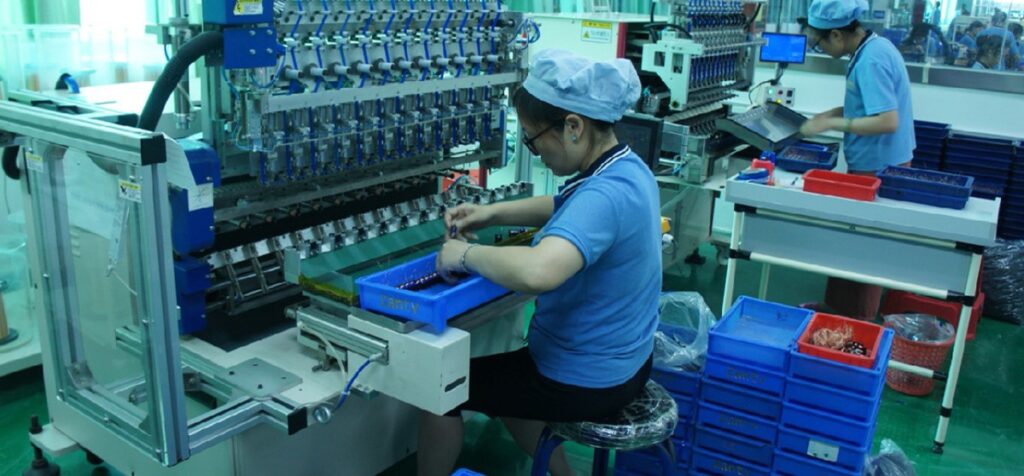
- Automated Winding: Automated winding machines use precision mechanisms to wind the wire, ensuring consistent tension and accurate placement of each turn. This method is faster and more efficient, making it ideal for large-scale production.
- Layer Winding: In layer winding, the wire is wound in layers, with each layer having the same number of turns. This method results in a compact coil with uniform winding density.
- Random Winding: Random winding involves winding the wire in a non-uniform pattern, which can increase the fill factor (the ratio of wire volume to total coil volume) and reduce inductance. However, it can also lead to increased resistance and inductance variations.
Coil Assembly and Termination:
- Coil Forming: After winding, the coil may need to be shaped or formed to fit into the electromagnet’s housing. This may involve bending, twisting, or cutting the wire ends.
- Termination: The wire ends are then terminated, usually by soldering or crimping them to connectors or terminals. Proper termination ensures reliable electrical connection and prevents wire breakage or corrosion.
Kalite Kontrol:
- Inspection: The wound coil undergoes rigorous inspection to check for defects such as wire breaks, short circuits, or insulation damage.
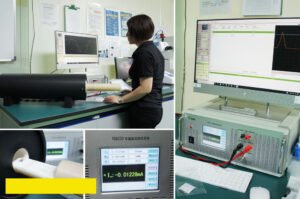
- Test: Electrical tests, such as resistance and inductance measurements, are performed to verify that the coil meets the design specifications.
The Importance of Insulation Materials in Electromagnet Coil
Insulation materials play a critical role in protecting the coil’s windings from electrical shorts, ensuring safe operation, and preventing premature failure. Here’s why insulation is so important:
- Electrical Isolation: Insulation provides a barrier between adjacent wire turns, preventing electrical shorts that could damage the coil or cause the electromagnet to malfunction.
- Thermal Management: Insulation materials help dissipate heat generated by the coil during operation, preventing overheating and extending the electromagnet’s lifespan.
- Mechanical Protection: Insulation offers protection against mechanical stress, such as vibration or bending, which could damage the wire or insulation.
- Chemical Resistance: In harsh environments, insulation materials must resist degradation from chemicals, moisture, or other contaminants.
- 5 üzerinden 0 oy aldı
- 5 üzerinden 0 oy aldı
- 5 üzerinden 0 oy aldı
- 5 üzerinden 0 oy aldı
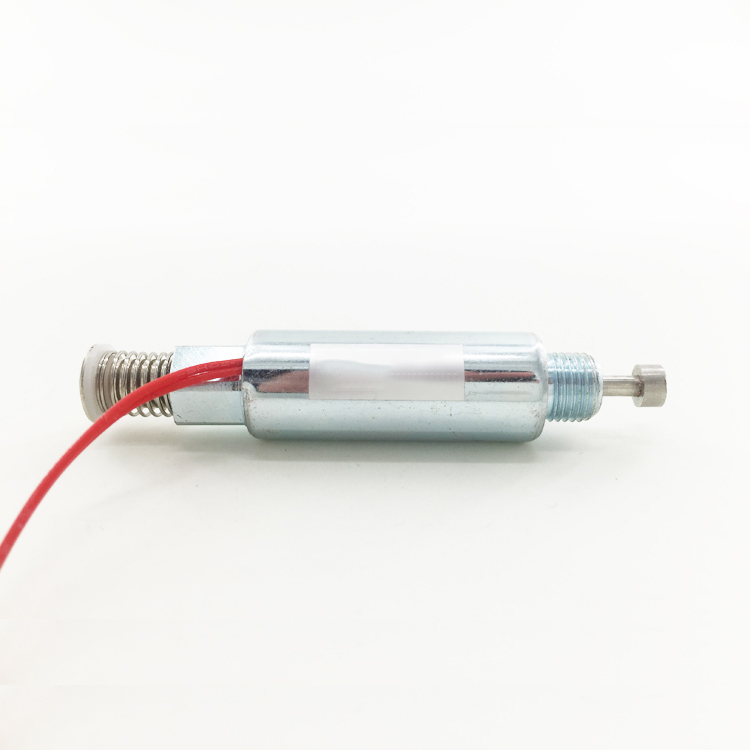
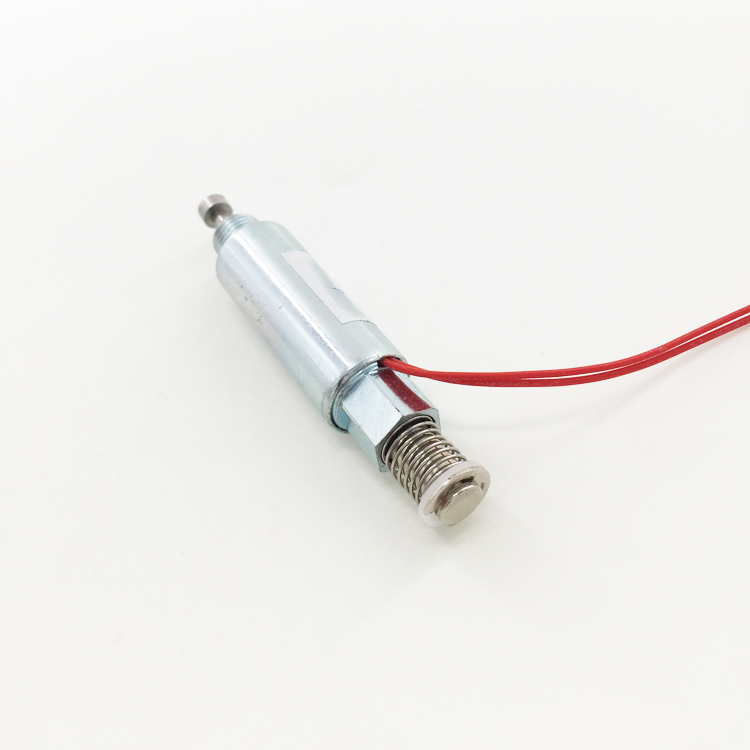
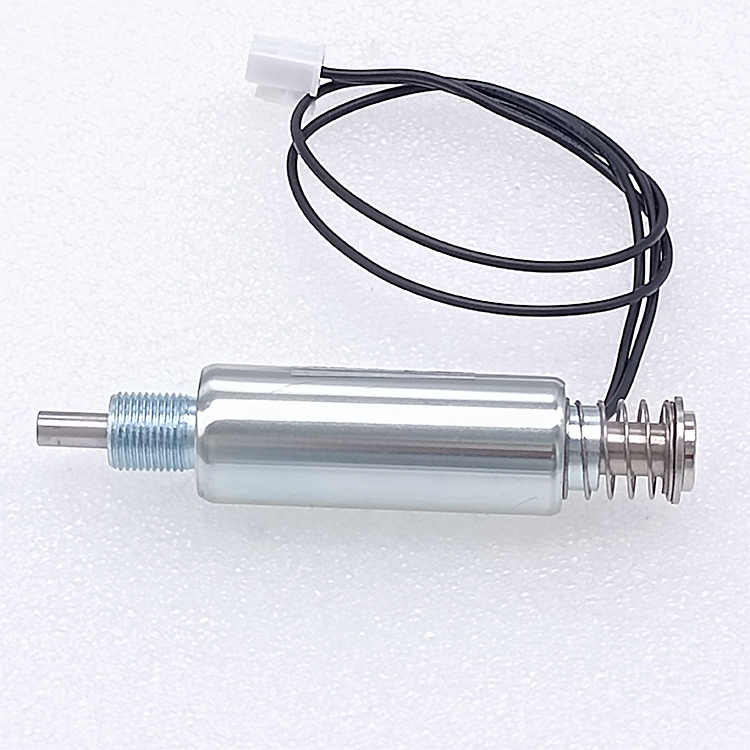
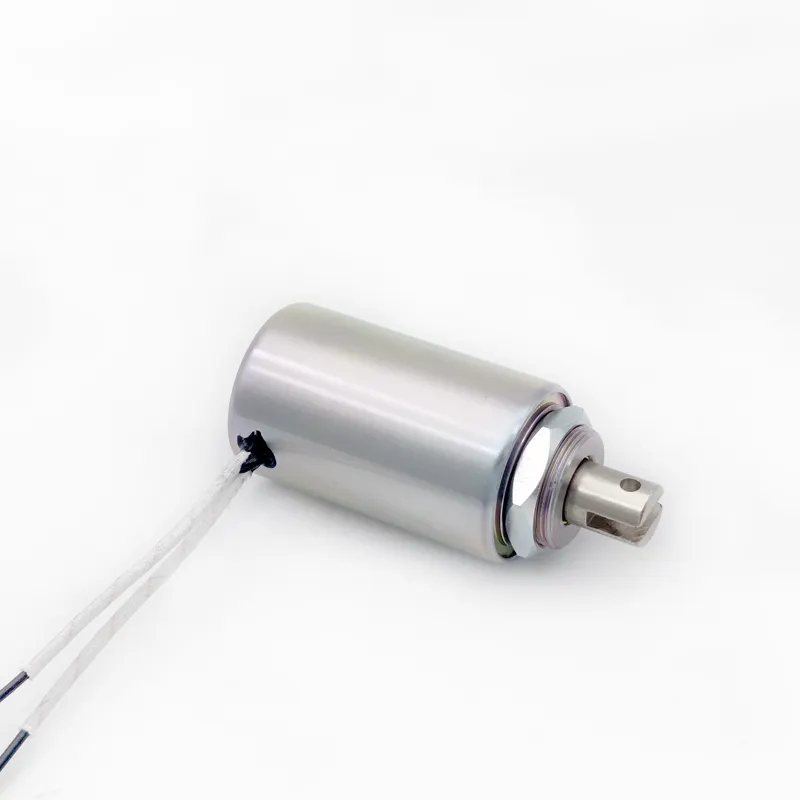
Types of Insulation Materials Used in Electromagnet Coil
Several types of insulation materials are commonly used in electromagnet coil, each offering unique benefits and drawbacks. Here’s a closer look at the most popular options:
Enamel-Coated Wire:
- Description: Enamel-coated wire, also known as magnet wire, is a type of copper or aluminum wire coated with a thin layer of insulating enamel.
- Benefits: Enamel-coated wire offers excellent electrical insulation and high temperature resistance. It is also available in various grades and thicknesses, allowing for precise control over insulation properties.
- Drawbacks: The enamel coating can be brittle and prone to cracking under mechanical stress. Additionally, it requires special care during winding to avoid damage.
Fiberglass-Insulated Wire:
- Description: Fiberglass-insulated wire is coated with a layer of fiberglass material, providing robust electrical and mechanical insulation.
- Benefits: Fiberglass insulation offers high temperature resistance and excellent chemical stability. It is also flame-retardant and resistant to moisture and other contaminants.
- Drawbacks: Fiberglass-insulated wire can be more rigid and difficult to wind compared to enamel-coated wire. Additionally, it may require specialized tools and equipment for processing.
Polyimide-Insulated Wire:
- Description: Polyimide-insulated wire is coated with a layer of polyimide, a high-performance polymer known for its excellent electrical properties and temperature resistance.
- Benefits: Polyimide insulation offers high dielectric strength, low dielectric loss, and excellent resistance to heat and chemicals. It is also flexible and easy to wind.
- Drawbacks: Polyimide-insulated wire is typically more expensive than enamel-coated or fiberglass-insulated wire. Additionally, it may require specialized processing techniques to achieve optimal performance.
Tape and Sleeve Insulation:
- Description: Tape and sleeve insulation involves wrapping individual wire turns or entire coils with insulating tape or sleeves. This method is commonly used in high-voltage or high-temperature applications.
- Benefits: Tape and sleeve insulation provides excellent electrical isolation and high temperature resistance. It can also be customized to fit specific coil designs and dimensions.
- Drawbacks: Applying tape or sleeve insulation can be labor-intensive and time-consuming. Additionally, it may require specialized tools and materials for installation.
Factors to Consider When Selecting Insulation Materials
When selecting insulation materials for electromagnet coils, several factors must be taken into account:
- Operating Temperature: The coil’s operating temperature is a critical consideration, as it determines the insulation material’s temperature resistance requirements. Materials with higher temperature ratings are required for coils operating at higher temperatures.
- Voltage Rating: The insulation material’s voltage rating must be sufficient to withstand the maximum voltage the coil will be subjected to during operation. Choosing an insulation material with a higher voltage rating than required can provide a safety margin and increase reliability.
- Mechanical Stress: The insulation material must be able to withstand the mechanical stress associated with winding, termination, and installation. Factors such as flexibility, tensile strength, and abrasion resistance are important considerations.
- Chemical Resistance: In harsh environments, the insulation material must resist degradation from chemicals, moisture, or other contaminants. Choosing a material with good chemical stability can extend the coil’s lifespan and prevent premature failure.
- Cost: Cost is always a consideration when selecting insulation materials. While high-performance materials may offer better performance and reliability, they also tend to be more expensive. Balancing performance requirements with cost constraints is essential for achieving optimal value.
The electromagnet coil winding process and insulation materials
O electromagnet coil winding process and insulation materials are crucial aspects of electromagnet design and manufacture. By understanding the various stages of the winding process, the importance of insulation, and the factors to consider when selecting materials, engineers and manufacturers can optimize the coil winding process and material choices. This leads to better electromagnet performance, longer lifespan, and increased reliability. By paying attention to detail and choosing the right materials, it is possible to create electromagnet coils that meet the most demanding specifications and operate efficiently and safely in diverse applications. With the right approach, electromagnet technology can continue to drive innovation and advancements across various industries, contributing to a more connected and efficient world.
SF elektromıknatıs fabrikası hakkında
Shengfeng Elektromanyetik Şirketi, 2015 yılında kurulmuş olup, güzel manzarası ve elverişli ulaşım olanaklarıyla Xiansha Sanayi Parkı'nda yer almaktadır. Şirket, 16.000 metrekarelik bir alanı kapsamakta olup, modern üretim tesislerine, gelişmiş üretim ekipmanlarına ve yüksek kaliteli bir teknik ekibe sahiptir. Kuruluşundan bu yana, "yenilik, kalite ve hizmet" kurumsal felsefesine her zaman bağlı kalarak, araştırma ve geliştirme ile üretime odaklanmıştır. elektromıknatıslar, Sürekli olarak ürün geliştirmelerini ve teknolojik ilerlemeyi teşvik ederek, müşterilere en kaliteli ürün ve hizmetleri sunmak.
SF elektromıknatısını neden seçmelisiniz?
ÜST DÜZEY KALİTE:Çin'in en iyi solenoid elektromıknatıs üreticisi olarak, kalite kontrol ekibimiz teslim aldığınız her bir ürünün en yüksek kalitede olmasını garanti eder. Profesyonel kalite test cihazlarına sahibiz.
ÜRÜN TASARIMI:Numune departmanımız, teknik çizimleri gerçeğe dönüştürme sürecini uçtan uca yürütmektedir. Ayrıca, yıllara dayanan deneyimimizden yola çıkarak ürün tasarımınızı geliştiriyoruz. Düşüncelerinizi bizimle paylaşın.
İSTİKRARLI TESLİMAT SÜRESİ:En iyi elektromıknatıs üreticisi ve tedarikçisi olarak yeterli üretim kapasitesine sahibiz; büyük siparişler bizi zorlamaz, siparişinizi yine de zamanında teslim edebiliriz.
EN İYİ FİYAT:Biz bir elektromıknatıs üretim fabrikası ve Çin'in en iyi solenoid üreticisiyiz; işte bu sayede en iyi fiyatlarla yüksek kaliteli ürünler sunabiliyoruz.
HASSAS YÖNETİM:Hassas bir yönetim uygulamadığımız sürece hiçbir şey başarılamaz. Biz, eksiksiz bir yönetim sistemine sahip bir şirketiz.
7/24 HİZMET:En iyi solenoid üreticisi olarak, 7/24 anında yanıt: Bizi daha iyi bir tedarikçi haline getirecek geri bildirimlerinizi bekliyoruz.
Elektromıknatısla ilgili Sıkça Sorulan Sorular
Biz Çin'in önde gelen şirketlerinden biriyiz. elektromıknatıs Üreticiyiz ve fabrikamız Dongguan'da bulunmaktadır. Fabrikamızı ziyaret etmenizi bekliyoruz!
Yüksek kaliteli tasarım ve üretim konusunda uzmanlaşmış bir firmayız. elektromıknatıs,selenoid valf,örneğin döner solenoid, çift kararlı solenoidler, kilitleme solenoidleri, açık çerçeveli solenoidler, borulu solenoidler, kendinden tutucu solenoid
•Elbette, genellikle ücretsiz numuneler sağlıyoruz ve sadece kargo ücretini karşılamanız gerekiyor. Özel elektromıknatıs numuneleri için lütfen numune maliyetini kontrol edebilmemiz için gereksinimlerinizi bize gönderin.
• Numune üretimi yaklaşık 7 gün sürer.
Evet, ücretsiz tasarım hizmetleri, yapısal tasarım ve basit grafik tasarım hizmetleri sunuyoruz.
Elbette. İstediğiniz herhangi bir elektromıknatısı tasarımınıza göre üretebiliriz. Şu anda 100 ila 500 adetlik küçük miktarlar için ODM solenoid üretimi yapıyoruz, ancak yine de kendi logonuzu kullanabilirsiniz.
Sipariş miktarına ve üretim detaylarına bağlı olarak, yaklaşık 15 ila 20 gün sürecektir.
Seri üretimden önce mutlaka ön üretim numunesi alınır; sevkiyat öncesinde mutlaka son kontrol yapılır.
• Güç, kullanım, boyut, malzeme, miktar, sevkiyat adresi vb.
• Ayrıca ihtiyaçlarınızı bize bildirmeniz de yeterli; biz de size ürünler önereceğiz.
• Deniz yoluyla, hava yoluyla veya ekspres kargo ile.
• Eğer Çin'de kendi nakliye firmanız varsa, fiyat fabrika çıkış fiyatı veya FOB fiyatıdır.
•CFR veya CIF vb., sizin adınıza sevkiyat yapmamızı istiyorsanız.
• DDP ve DDU da kullanılabilir.
• Daha fazla seçenek, tercihlerinizi değerlendireceğiz.
• Fiyat, miktar, malzeme, işleme yöntemi, boyut ve diğer faktörlere bağlı olarak belirlenir. Ayrıca, sürekli gelişimimiz nedeniyle...
Teknolojik yenilikler sayesinde bazı ürünlerimizin fiyatları son derece rekabetçidir, fiyat teklifi almak için lütfen bizimle iletişime geçin.