









Ultimo aggiornamento il 03/09/2025 da Fabbrica di Solenoidi
In the realm of electromagnetics, the design of electromagnet heat dissipation systems and the conduction of life tests are pivotal aspects that significantly influence the reliability and longevity of electromagnets. From intricate cooling mechanisms to rigorous testing protocols, these processes ensure that electromagnets operate within safe temperature ranges, maintain optimal performance, and withstand the rigors of time. This blog delves into the intricacies of electromagnet heat dissipation design and life test, providing a comprehensive guide on how to approach these critical tasks. By understanding the principles behind heat dissipation, the various design strategies, and the importance of life testing, engineers and manufacturers can ensure that their electromagnets deliver consistent, reliable performance over their entire lifespan.
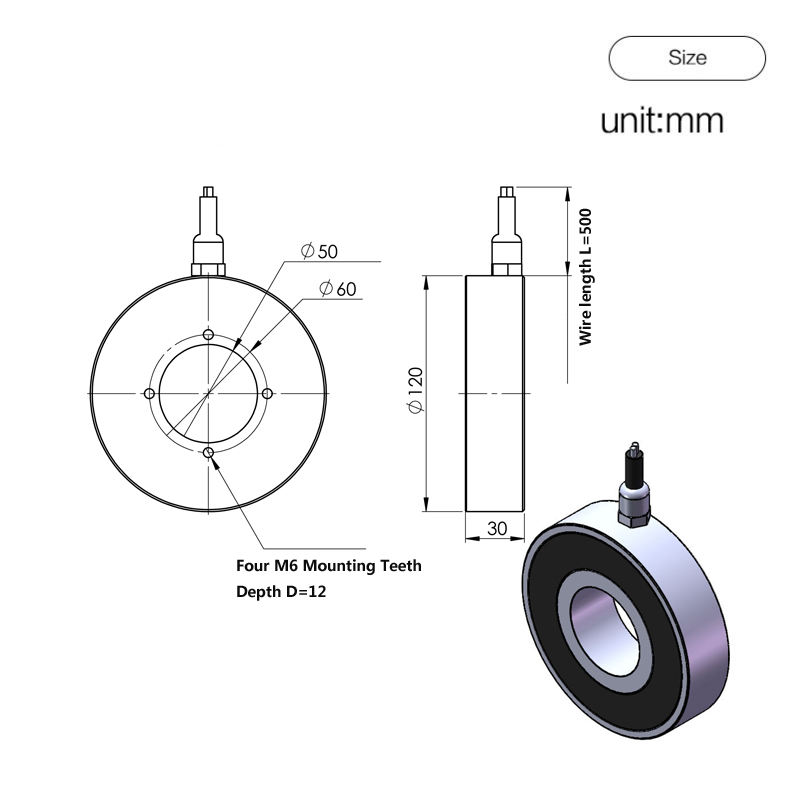
What is Electromagnet Heat Dissipation Design?
Electromagnets generate heat during operation due to the resistance in the coil windings and the magnetic losses within the core material. This heat must be effectively dissipated to prevent overheating, which can lead to performance degradation, premature failure, and even safety hazards. Electromagnet heat dissipation design involves developing strategies to manage and remove this heat, ensuring that the electromagnet operates within its safe operating temperature range.
Thermal Management Principles:
- Conduction: Heat transfer through solid materials by molecular vibration. In electromagnets, this involves designing components with high thermal conductivity to ensure efficient heat transfer.
- Convection: Heat transfer by fluid motion, either natural or forced. This can be achieved through the use of fans, heat sinks, or liquid cooling systems.
- Radiation: Heat transfer by electromagnetic waves. While radiation is less significant in electromagnets compared to conduction and convection, it can play a role in high-temperature environments or in components exposed to space.
Design Strategies:
- Material Selection: Choosing materials with high thermal conductivity for coil windings and core components can improve electromagnet heat dissipation. For instance, copper windings offer better thermal performance than aluminum.
- Heat Sink Design: Incorporating heat sinks can significantly increase the surface area available for heat transfer, enhancing cooling efficiency. Heat sinks can be made from materials like aluminum or copper and can be designed with fins or other structures to maximize surface area.
- Forced Convection: Using fans or blowers to create airflow over the electromagnet can increase the rate of heat transfer by convection. This is particularly effective in high-power applications where natural convection may not be sufficient.
- Liquid Cooling: For extremely high-power or compact electromagnets, liquid cooling systems can be used. These systems circulate a coolant through channels within the electromagnet, absorbing heat and transferring it to a remote radiator or heat exchanger.
Thermal Management in Practice:
- Thermal Modeling and Simulation: Before building a prototype, engineers can use thermal modeling and simulation software to predict the electromagnet’s temperature distribution and identify potential hot spots. This information can be used to refine the design and improve heat dissipation.
- Temperature Monitoring: During operation, temperature sensors can be used to monitor the electromagnet’s temperature and trigger cooling systems or alarms if temperatures exceed safe limits.
- Environmental Considerations: The electromagnet’s operating environment can significantly impact heat dissipation. Factors such as ambient temperature, airflow, and dust accumulation must be considered in the design process.
Why conduct life test for electromagnets?
Life testing is a critical process for validating the durability and reliability of electromagnets. By exposing electromagnets to simulated operating conditions over extended periods, engineers can assess their performance, identify potential failure modes, and estimate their lifespan.
Test Objectives:
- Reliability Assessment: Determine the electromagnet’s ability to operate reliably over its intended lifespan.
- Failure Mode Identification: Identify and understand the causes of failure, enabling design improvements.
- Lifespan Estimation: Estimate the electromagnet’s expected lifespan based on test data.
Test Protocols:
- Accelerated Life Testing (ALT): ALT involves exposing the electromagnet to conditions that accelerate aging processes, such as increased temperature, voltage, or mechanical stress. This allows for shorter test durations while still providing valuable insights into long-term performance.
- Constant Stress Testing: In this type of testing, the electromagnet is subjected to constant operating conditions over an extended period. This provides a direct measure of performance and reliability under typical use cases.
- Cyclic Stress Testing: Cyclic stress testing involves exposing the electromagnet to repeated cycles of stress, such as turning on and off, or varying loads. This can help identify fatigue-related failures.
Test Parameters:
- Operating Conditions: The test should simulate the electromagnet’s typical operating conditions, including voltage, current, duty cycle, and environmental factors.
- Test Duration: The test duration should be sufficient to provide meaningful data on long-term performance and reliability. This may range from several hundred hours to thousands of hours, depending on the application and the electromagnet’s expected lifespan.
- Monitoring and Data Collection: During the test, various parameters such as temperature, current, voltage, and mechanical stress should be monitored and recorded. This data can be used to analyze performance trends and identify potential issues.
Test Results Analysis:
- Failure Analysis: Any failures observed during the test should be analyzed to determine the root cause. This may involve visual inspection, electrical testing, or more advanced analytical techniques such as X-ray inspection or materials analysis.
- Performance Trends: Analyzing performance trends over time can provide insights into the electromagnet’s aging process and identify areas for improvement.
- Lifespan Estimation: Based on the test data, engineers can estimate the electromagnet’s expected lifespan and develop maintenance schedules or replacement strategies.
- Valutato 0 su 5
- Valutato 0 su 5
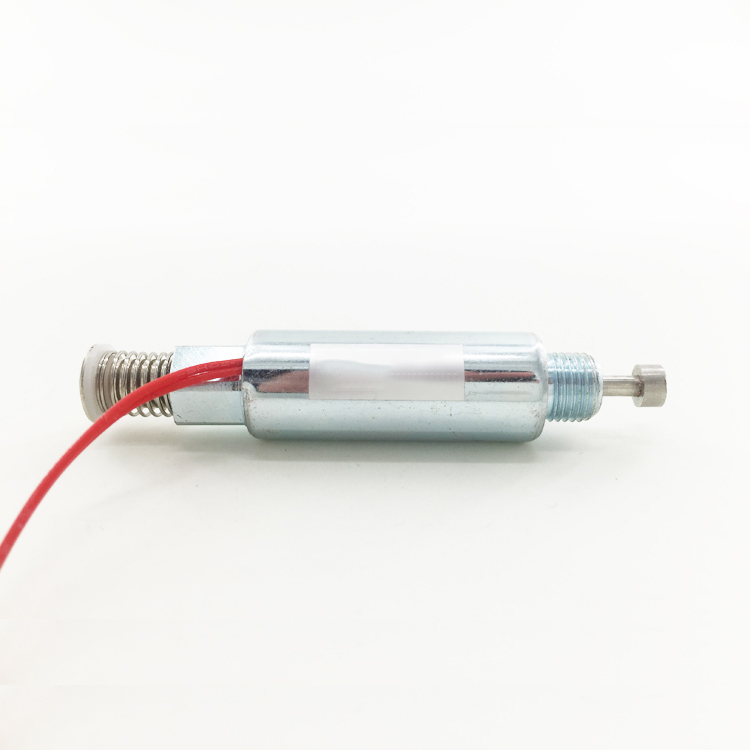
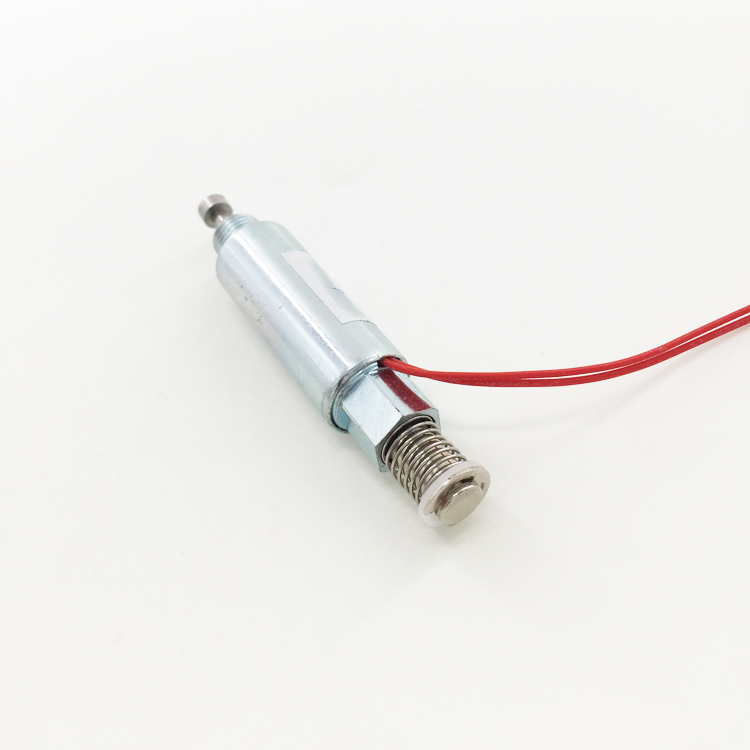
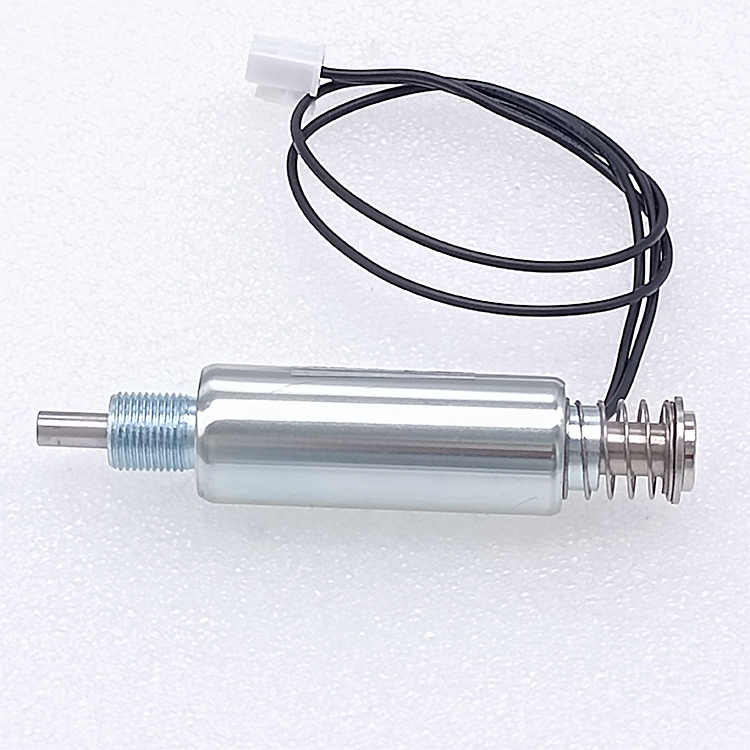
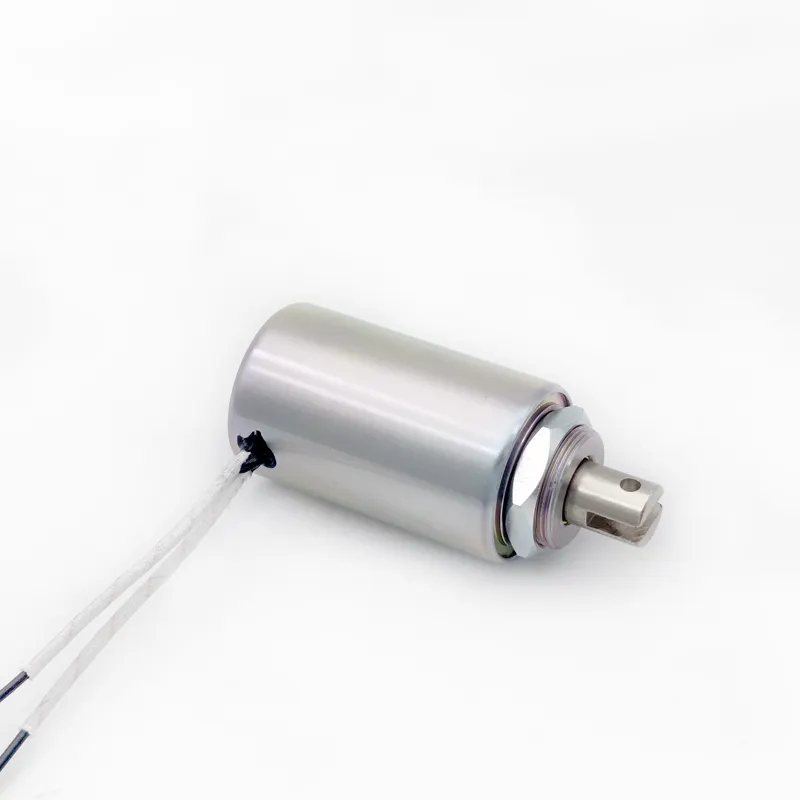
the design of heat dissipation systems and the conduction of life tests are essential aspects
the design of electromagnet heat dissipation systems and the conduction of life tests are essential aspects of electromagnet reliability and longevity. By understanding the principles of thermal management and applying effective design strategies, engineers can ensure that electromagnets operate within safe temperature ranges and maintain optimal performance. Additionally, rigorous life testing protocols provide valuable insights into an electromagnet’s durability and reliability, enabling engineers to estimate lifespan, identify failure modes, and make informed design improvements. By combining these approaches, engineers and manufacturers can deliver electromagnets that meet the most demanding specifications, deliver consistent performance, and withstand the rigors of time, contributing to safer, more reliable, and efficient systems across diverse industries. As technology continues to evolve, these principles will remain critical in driving innovation and advancements in electromagnet design and manufacture.
Informazioni sulla fabbrica di elettromagneti SF
Shengfeng Electromagnet Co., Ltd. è stata fondata nel 2015 e si trova nel Parco Industriale di Xiansha, in una splendida zona con comodi collegamenti di trasporto. L'azienda si estende su una superficie di 16.000 metri quadrati e dispone di moderni impianti di produzione, attrezzature di produzione all'avanguardia e un team tecnico altamente qualificato. Fin dalla sua fondazione, l'azienda ha sempre aderito alla filosofia aziendale di "innovazione, qualità e servizio", concentrandosi sulla ricerca, lo sviluppo e la produzione di elettromagneti, promuovendo costantemente l'aggiornamento dei prodotti e il progresso tecnologico, e fornendo ai clienti prodotti e servizi della migliore qualità.
Perché scegliere un elettromagnete SF
QUALITÀ DI ALTA GAMMA:In qualità di miglior produttore di elettromagneti a solenoide in Cina, il nostro team di controllo qualità garantisce che ogni singolo prodotto ricevuto sia della massima qualità. Disponiamo di attrezzature professionali per i test di qualità.
PROGETTAZIONE DEL PRODOTTO:Il nostro reparto campionatura gestisce l'intero processo di trasformazione dei disegni in realtà. Inoltre, grazie alla nostra pluriennale esperienza, ottimizziamo il design del vostro prodotto. Fateci sapere cosa ne pensate.
TEMPI DI CONSEGNA STABILI:In qualità di produttore e fornitore leader di elettromagneti, disponiamo di una capacità produttiva adeguata: anche di fronte a grandi ordini siamo in grado di garantire consegne puntuali.
MIGLIOR PREZZO:Siamo produttori diretti di elettromagneti e il miglior produttore di solenoidi in Cina; ecco perché possiamo offrire prodotti di alta qualità al miglior prezzo.
GESTIONE PRECISA:Non si può ottenere nulla senza una gestione precisa. Siamo un'azienda dotata di un sistema di gestione completo.
SERVIZIO 24 7 GIORNI SU 24:In qualità di produttore leader di solenoidi, garantiamo una risposta immediata 24 ore su 24, 7 giorni su 7: accogliamo il vostro feedback per migliorarci come fornitori.
Domande frequenti sull'elettromagnete
Siamo un top cinese elettromagnete Siamo produttori e la nostra fabbrica si trova a Dongguan. Benvenuti a visitare la nostra fabbrica!
Siamo specializzati nella progettazione e produzione di alta qualità elettromagnete,elettrovalvola,ad esempio elettrovalvola rotante, solenoidi bistabili, solenoidi di bloccaggio, solenoidi a telaio aperto, solenoidi tubolari, solenoide autobloccante
•Naturalmente, di solito forniamo campioni gratuiti e dovrete coprire solo le spese di spedizione. Per campioni di elettromagneti personalizzati, vi preghiamo di inviarci le vostre richieste per verificare il costo del campione.
• La produzione del campione richiede circa 7 giorni.
Sì, offriamo servizi di progettazione gratuiti, tra cui progettazione strutturale e grafica semplice.
Certamente. Possiamo realizzare qualsiasi elettromagnete con il vostro design. Ora offriamo un servizio ODM per solenoidi, ideale per piccole quantità da 100 a 500 pezzi, con la possibilità di personalizzare il prodotto con il vostro logo.
A seconda della quantità dell'ordine e dei dettagli di produzione, ci vorranno circa dai 15 ai 20 giorni.
Sempre un campione di pre-produzione prima della produzione di massa; sempre un'ispezione finale prima della spedizione.
• Potenza, utilizzo, dimensioni, materiale, quantità, destinazione di spedizione, ecc.
• Puoi anche semplicemente comunicarci le tue esigenze e ti consiglieremo i prodotti più adatti.
• Via mare, via aerea o tramite corriere espresso.
• Se disponete di un vostro spedizioniere in Cina, il prezzo è quello franco fabbrica o FOB.
•CFR o CIF, ecc., se avete bisogno che spediamo per vostro conto.
• È possibile utilizzare anche DDP e DDU.
• Più opzioni, prenderemo in considerazione le vostre scelte.
• Il prezzo è determinato dalla quantità, dal materiale, dal metodo di lavorazione, dalle dimensioni e da altri fattori. Inoltre, a causa del nostro continuo
Grazie all'innovazione tecnologica, i prezzi di alcuni dei nostri prodotti sono estremamente competitivi. Contattateci per un preventivo.