









Dernière mise à jour le 03/09/2025 par Usine de solénoïdes
In the realm of medical imaging, Magnetic Resonance Imaging (MRI) stands as a pillar of modern healthcare, providing detailed and accurate insights into the human body. Behind this sophisticated technology lies a crucial component: the électro-aimant. This blog delves into the significance, workings, and advancements of electromagnets in MRI machines, highlighting their pivotal role in revolutionizing medical diagnostics.
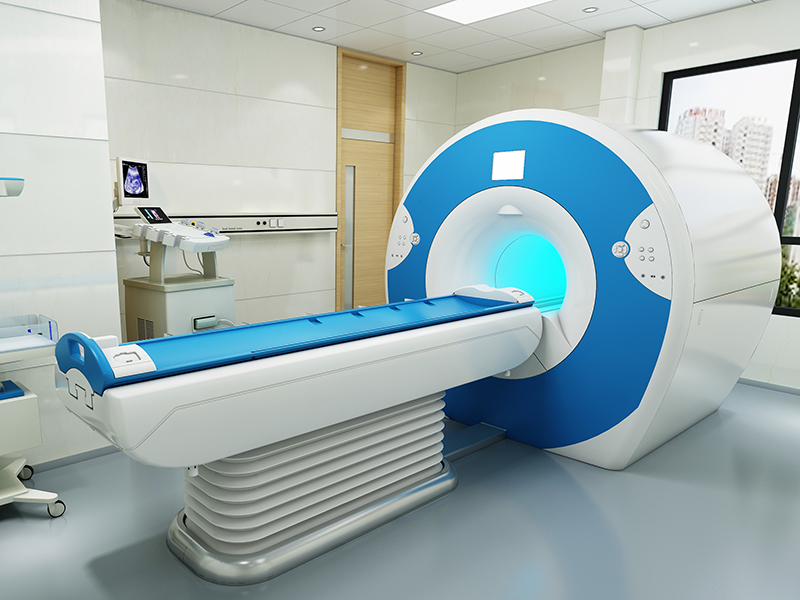
The Heart of MRI: Electromagnet Basics
MRI machines leverage the principles of nuclear magnetic resonance and electromagnetism to create detailed images of internal body structures. At the core of this technology is a powerful électro-aimant, typically a superconducting magnet, which generates a strong, static magnetic field. This field aligns the magnetic moments of hydrogen atoms, predominantly found in water molecules within the body, creating the foundation for the imaging process.
The strength of the magnetic field, often measured in teslas (T), is crucial. Standard MRI machines operate with field strengths ranging from 0.5T to 3.0T, while cutting-edge systems, like the recently developed 5.0T MRI, push the boundaries even further. The stronger the magnetic field, the more pronounced the alignment of hydrogen atoms and the higher the resolution of the resulting images.
How Electromagnet Work in MRI
When a patient enters the MRI scanner, they are surrounded by the powerful magnetic field generated by the électro-aimant. This field aligns the hydrogen atoms in the body’s water molecules. Next, the MRI machine uses radiofrequency (RF) pulses to temporarily flip the alignment of these atoms. As the atoms return to their original alignment, they release energy in the form of RF signals, which are detected by the MRI machine’s receiver coils.
These signals are then processed by a computer, which converts them into detailed, cross-sectional images of the body. The process is repeated multiple times, with slight variations in the RF pulses and magnetic field gradients, to build a comprehensive picture of the internal structures.
Advancements and Challenges
The development of superconducting electromagnets has been a significant breakthrough in MRI technology. Superconducting magnets operate at extremely low temperatures, usually achieved through liquid helium cooling, allowing them to generate very strong and stable magnetic fields with minimal energy consumption.
However, these electromagnets come with their own set of challenges. The need for constant cooling and the complexity of maintaining superconducting conditions necessitate specialized infrastructure and regular maintenance. Furthermore, the presence of a strong magnetic field necessitates stringent safety protocols, particularly for patients with metallic implants or other ferromagnetic objects.
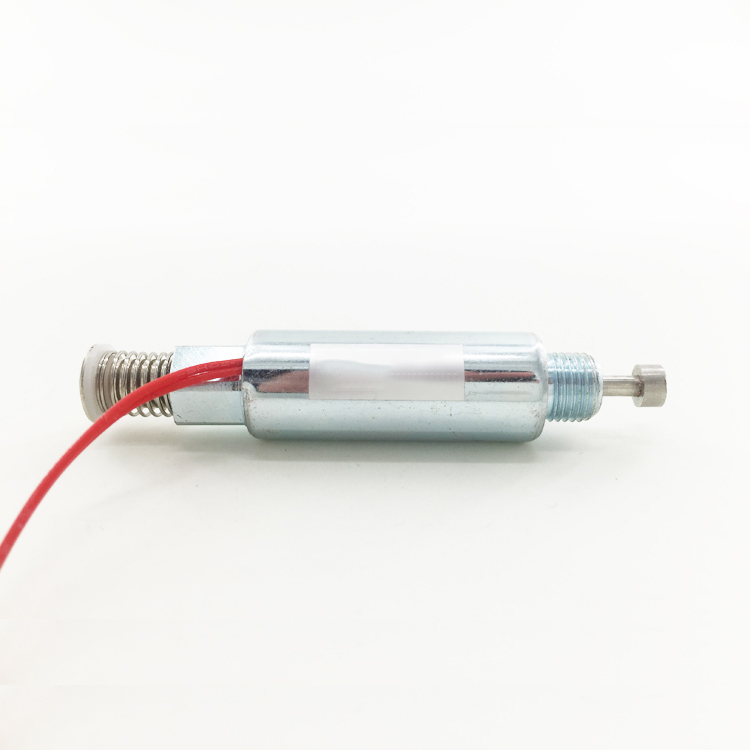
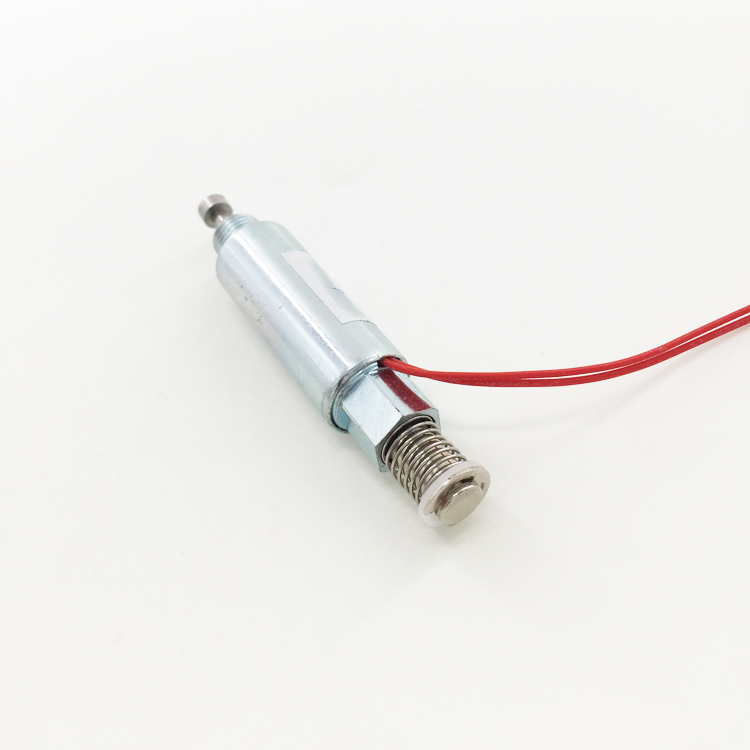
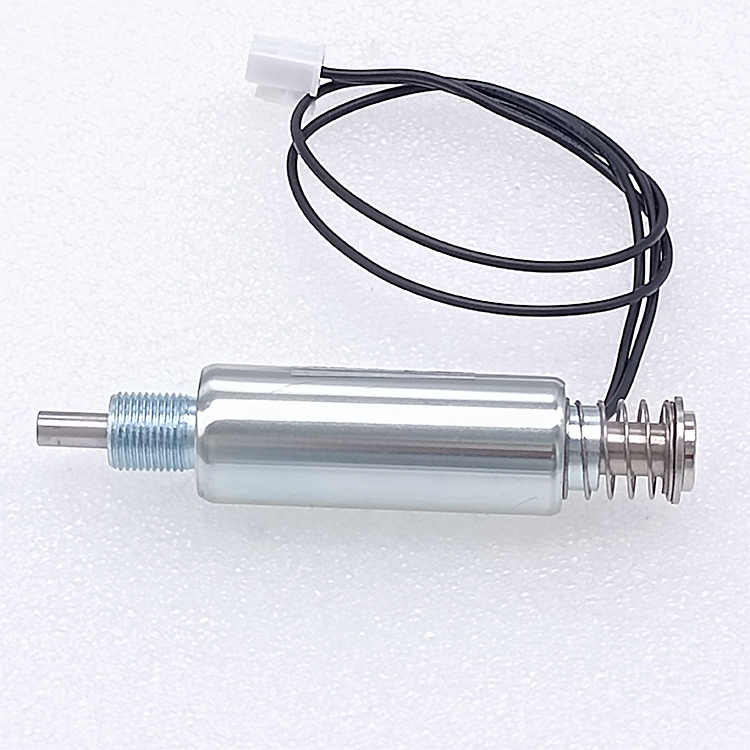
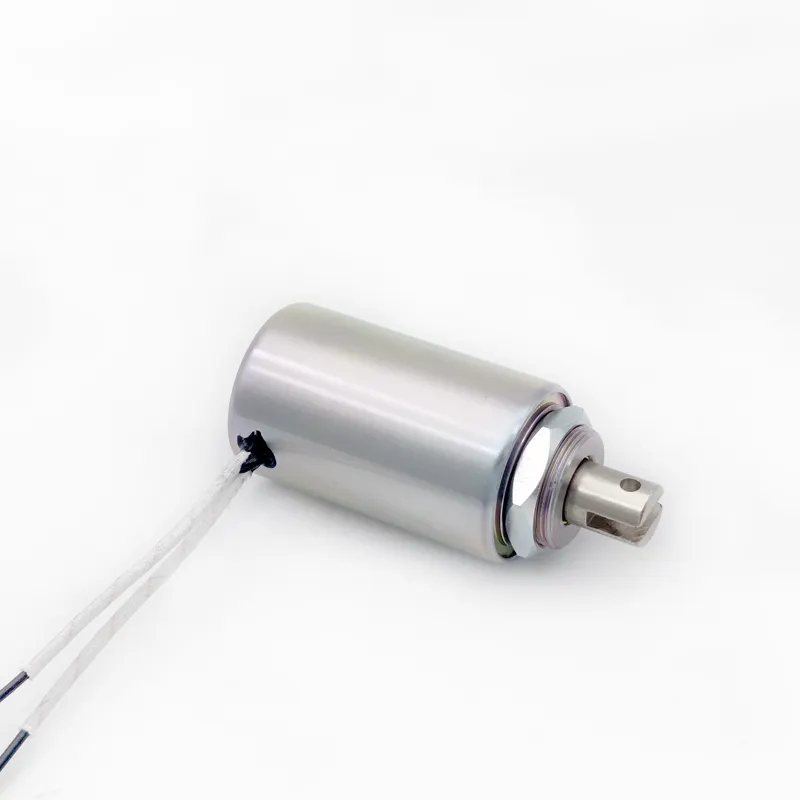
Innovations in MRI Electromagnet
Recent innovations in MRI electromagnet technology have focused on enhancing field strength, improving image resolution, and reducing the overall footprint and maintenance requirements of the machines. The advent of 5.0T MRI systems represents a significant leap forward, offering unparalleled image quality and faster scan times.
Moreover, researchers are exploring new materials and designs to develop more efficient and cost-effective electromagnets. For instance, the use of high-temperature superconductors could potentially eliminate the need for liquid helium cooling, simplifying maintenance and reducing operational costs.
Safety and Regulatory Considerations
The use of électroaimants in MRI machines necessitates strict adherence to safety and regulatory guidelines. Electromagnetic compatibility (EMC) is a crucial aspect, ensuring that the MRI machine operates without causing unacceptable interference to other medical devices and vice versa. Manufacturers must comply with international standards such as IEC 60601 and conduct comprehensive EMC testing during the design and development process.
Furthermore, patient safety is paramount. Before an MRI scan, patients must undergo a thorough screening to ensure they do not have any metallic implants or objects that could be affected by the magnetic field. The use of non-ferromagnetic materials in medical implants and devices is an ongoing area of research to enhance MRI safety and accessibility.
The electromagnet at the heart of an MRI machine is a testament to the interplay of physics and medicine
Le électro-aimant at the heart of an MRI machine is a testament to the interplay of physics and medicine, pushing the boundaries of what we can see and understand about the human body. As technology advances, we can expect to see further refinements in electromagnet design, leading to even more powerful and efficient MRI systems. These innovations will undoubtedly continue to shape the future of medical imaging and diagnostics, ultimately contributing to better patient outcomes and advancing healthcare worldwide.
More about electromagnet in medical equipment,pls read the article: <<What is medical equipment micro electromagnets>>
À propos de l'usine d'électroaimants SF
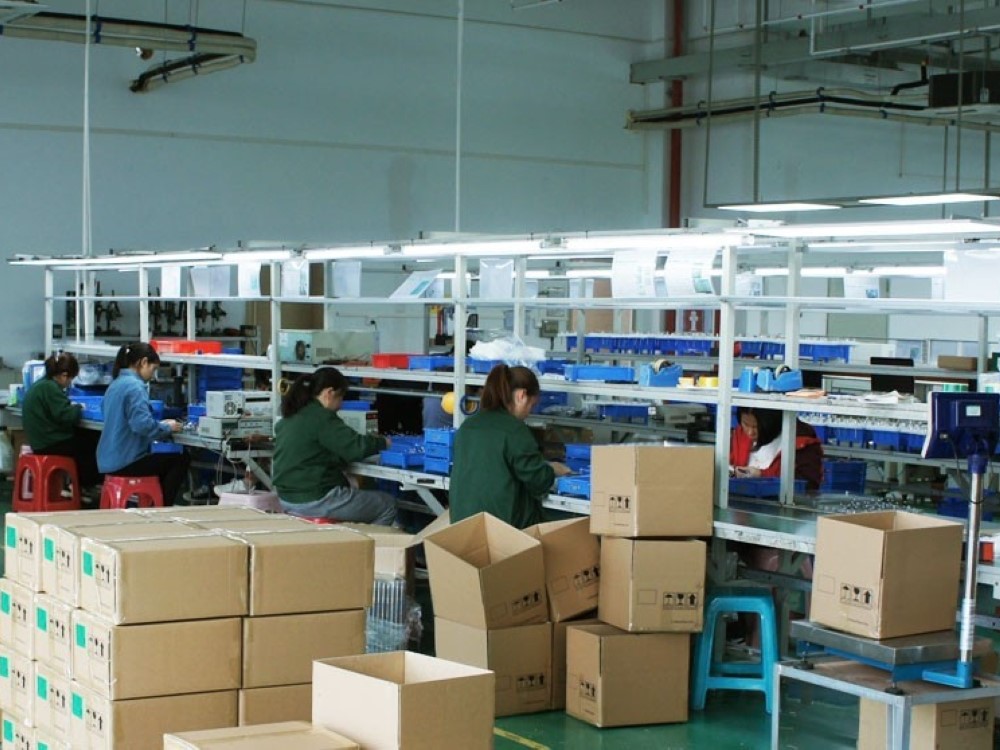
Shengfeng Electromagnet Co., Ltd., fondée en 2015, est située dans le parc industriel de Xiansha, bénéficiant d'un cadre agréable et d'une excellente desserte. L'entreprise s'étend sur 16 000 mètres carrés et dispose d'usines de production modernes, d'équipements de pointe et d'une équipe technique hautement qualifiée. Depuis sa création, elle s'est toujours attachée à sa philosophie d'entreprise axée sur l'innovation, la qualité et le service, en se concentrant sur la recherche, le développement et la production de… électroaimants, en promouvant constamment les mises à jour de produits et les progrès technologiques, et en fournissant aux clients des produits et services de la meilleure qualité.
Pourquoi choisir un électroaimant SF ?
HAUTE QUALITÉ :En tant que premier fabricant d'électroaimants à solénoïde en Chine, notre équipe de contrôle qualité veille à ce que chaque produit que vous recevez soit d'une qualité irréprochable. Nous disposons d'équipements professionnels pour les tests de qualité.
CONCEPTION DU PRODUIT :Notre service d'échantillonnage maîtrise l'ensemble du processus de concrétisation de vos plans. Nous optimisons également la conception de vos produits en nous appuyant sur nos années d'expérience. Faites-nous part de vos avis.
DÉLAI DE LIVRAISON STABLE :En tant que fabricant et fournisseur d'électroaimants de premier plan, nous disposons d'une capacité de production suffisante ; les commandes importantes ne nous effraient pas et nous sommes en mesure de les livrer dans les délais.
MEILLEUR PRIX :Nous sommes une usine d'origine spécialisée dans les électroaimants et le meilleur fabricant de solénoïdes en Chine ; c'est pourquoi nous pouvons proposer des produits de haute qualité au meilleur prix.
GESTION PRÉCISE :Rien ne peut être accompli sans une gestion rigoureuse. Nous sommes une entreprise dotée d'un système de gestion complet.
SERVICE 7-24 :En tant que fabricant de solénoïdes de premier plan, nous assurons une réponse immédiate 24h/24 et 7j/7 : nous prenons en compte vos retours pour devenir un meilleur fournisseur.
FAQ sur les électroaimants
Nous sommes un leader chinois électro-aimant Notre usine de fabrication est située à Dongguan. Nous serions ravis de vous accueillir !
Nous sommes spécialisés dans la conception et la production de produits de haute qualité. électro-aimant,électrovanne,tel que solénoïde rotatif, solénoïdes bistables, solénoïdes de verrouillage, solénoïdes à cadre ouvert, solénoïdes tubulaires, solénoïde auto-maintenu
Bien entendu, nous fournissons généralement des échantillons gratuits ; vous n’avez qu’à prendre en charge les frais de port. Pour les échantillons d’électroaimants sur mesure, veuillez nous communiquer vos exigences afin que nous puissions vous indiquer le coût de l’échantillon.
• La production d'un échantillon prend environ 7 jours.
Oui, nous proposons des services de conception gratuits, incluant la conception structurelle et la conception graphique simple.
Bien sûr. Nous pouvons fabriquer n'importe quel électroaimant selon votre conception. Nous proposons désormais un service ODM de solénoïdes pour les petites séries (de 100 à 500 pièces), avec la possibilité d'y apposer votre logo.
En fonction de la quantité commandée et des détails de production, cela prendra environ 15 à 20 jours.
Toujours un échantillon de préproduction avant la production en série ; toujours une inspection finale avant l'expédition
• Puissance, consommation, dimensions, matériau, quantité, destination de livraison, etc.
• Vous pouvez aussi simplement nous faire part de vos besoins et nous vous recommanderons des produits.
• Par mer, par air ou par transport express.
• Si vous avez votre propre transitaire en Chine, il s'agit du prix départ usine ou FOB.
•CFR ou CIF, etc., si vous avez besoin que nous expédiions en votre nom.
• Le DDP et le DDU peuvent également être utilisés.
• Plus de choix, nous prendrons en compte vos choix.
Le prix est déterminé par la quantité, le matériau, le procédé de fabrication, la taille et d'autres facteurs. De plus, grâce à notre croissance continue, nous proposons des tarifs compétitifs.
Grâce à l'innovation technologique, les prix de certains de nos produits sont extrêmement compétitifs ; veuillez nous contacter pour obtenir un devis.