









Dernière mise à jour le 04/09/2025 par Usine de solénoïdes
In the vast landscape of industrial automation and fluid control systems, solenoid valves play a crucial role. These versatile devices are used to control the flow of liquids and gases in a wide range of applications, from simple on/off operations to complex, precision-controlled processes. By understanding the key factors involved in choosing the right solenoid valve, you can ensure that your fluid control system operates efficiently, reliably, and cost-effectively. This blog serves as a comprehensive guide, walking you through the process of selecting the optimal solenoid valve for your specific needs.
1: Fundamentals of Solenoid Valves
1.1 What is a Solenoid Valve?
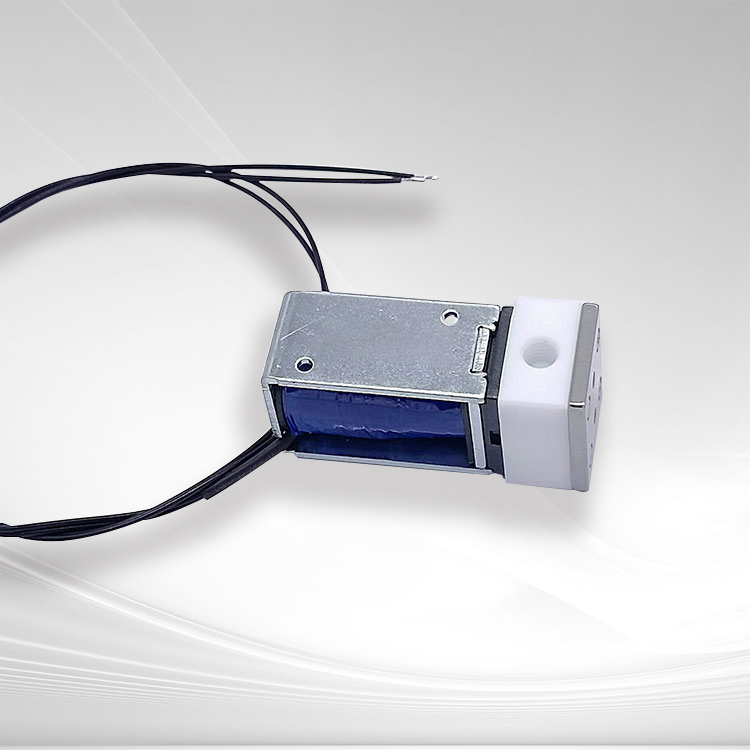
A électrovanne is an electromechanical device that uses an electromagnetic coil (the solenoid) to control the movement of a valve element, such as a plunger or diaphragm, thereby regulating the flow of fluid. When the coil is energized, it generates a magnetic field that attracts the valve element, causing it to move and either open or close the valve. De-energizing the coil reverses the process, allowing the valve to return to its original position.
1.2 Types of Solenoid Valves
Solenoid valves come in a variety of designs and configurations, tailored to meet the diverse needs of fluid control applications. Some common types include:
- Direct-Acting Solenoid Valves: These valves use the force generated by the solenoid coil directly to move the valve element. They are typically used in low-pressure applications and are characterized by fast response times.
- Pilot-Operated Solenoid Valves: These valves use a smaller solenoid coil to control a pilot valve, which in turn operates the main valve element. They are suitable for high-pressure and high-flow applications and offer greater control over fluid flow.
- Normally Closed (NC) and Normally Open (NO) Valves: Normally closed valves are designed to close when the solenoid coil is de-energized, while normally open valves are designed to open when the coil is de-energized. The choice between NC and NO valves depends on the specific requirements of the application.
- Two-Way, Three-Way, and Four-Way Valves: These refer to the number of ports or passages through which fluid can flow. Two-way valves control the flow between two ports, three-way valves allow fluid to flow in two directions but can block one path, and four-way valves can direct fluid flow between four ports, enabling more complex control strategies.
1.3 Paramètres clés de performance
When selecting a solenoid valve, several key performance parameters must be considered:
- Operating Pressure and Temperature Range: The maximum pressure and temperature the valve can handle without failing or losing performance.
- Flow Rate: The rate of fluid flow that the valve can handle without causing excessive pressure drop or flow restriction.
- Response Time: The time it takes for the valve to fully open or close after energizing or de-energizing the solenoid coil.
- Power Consumption: The amount of electrical energy the solenoid coil consumes during operation.
- Material Compatibility: The compatibility of the valve’s internal components with the fluid being controlled, to prevent corrosion, contamination, or other adverse effects.
2 : Évaluation des exigences de votre demande
2.1 Understanding Fluid Characteristics
La première étape dans la sélection d'un électrovanne is to understand the characteristics of the fluid you need to control. Consider the following:
- Fluid Type: Is the fluid a liquid or a gas? This will affect the valve’s design and material selection.
- Viscosity and Density: Higher viscosity and density fluids require valves with larger orifices and stronger solenoid coils to ensure adequate flow and response times.
- Corrosivity and Chemical Compatibility: Choose valve materials that are compatible with the fluid to prevent leaks, contamination, and premature failure.
- Particle Content: Fluids containing particles or impurities may require valves with special filtering or sealing features to prevent clogging or wear.
2.2 Determining Control Requirements
Next, assess the control requirements of your application. Consider the following:
- On/Off or Modulating Control: Decide whether you need a simple on/off valve or a modulating valve that can control fluid flow continuously over a range.
- Precision and Accuracy: Determine the level of precision and accuracy required for fluid flow control. High-precision applications may require valves with more sophisticated control mechanisms.
- Failure Mode: Consider the desired failure mode of the valve in case of power failure or other malfunctions. Normally closed valves will prevent fluid flow when de-energized, while normally open valves will allow flow to continue.
2.3 Environmental Conditions
The environmental conditions in which the solenoid valve will operate can also affect its selection. Consider the following:
- Ambient Temperature: Choose a valve with an operating temperature range that encompasses the ambient temperatures in your application.
- Humidity and Moisture: In high-humidity or moist environments, select valves with moisture-resistant or waterproof enclosures to prevent corrosion and electrical shorts.
- Vibration and Shock: In applications subject to vibration or shock, choose valves with robust construction and shock-absorbing features to ensure reliability.
3: Choosing the Right Solenoid Valves
3.1 Recherche des options de fournisseurs
Une fois les exigences de votre application clairement comprises, il est temps de rechercher des fournisseurs potentiels de solenoid valves. Considérez les critères suivants :
- Product Range and Variety: Look for suppliers that offer a wide range of solenoid valves to accommodate various operating pressures, flow rates, and control requirements. This provides flexibility in selecting the best match for your application.
- Technical Expertise and Support: Choose suppliers with deep technical expertise in solenoid valves. They should be able to provide insights into material selection, coil design, and other critical factors that can significantly impact performance.
- Capacités de personnalisation: Assess the supplier’s ability to customize solenoid valves to meet specific requirements. This includes modifications to flow rates, pressure ratings, and control strategies to ensure optimal performance in diverse applications.
3.2 Évaluation du produit
Once you’ve narrowed down your supplier options, evaluate the specific solenoid valves they offer based on your application’s requirements:
- Operating Pressure and Temperature Matching: Compare the operating pressure and temperature ranges of the solenoid valves to the conditions in your application. Ensure the selected valve can meet or exceed these requirements.
- Flow Rate and Response Time: Verify that the solenoid valve’s flow rate and response time are sufficient for your application’s control requirements. Consider any variations in fluid viscosity or density that may affect these parameters.
- Material Compatibility: Ensure the valve’s internal components are compatible with the fluid being controlled. Look for materials that resist corrosion, wear, and contamination.
- Power Consumption and Efficiency: Evaluate the power consumption of the solenoid coil and its impact on your electrical system. Look for valves with energy-efficient designs that minimize power consumption and heat generation.
3.3 Tests et validation
Before making a final decision, consider testing and validating the selected solenoid valve in your application environment:
- Tests de prototypes: Request a prototype of the selected solenoid valve for testing in your specific application. This allows you to validate its performance under real-world conditions and identify any potential issues or limitations.
- Indicateurs de performance: Establish performance metrics and benchmarks for the solenoid valve based on your application’s requirements. Monitor these metrics during testing to ensure the valve meets or exceeds expectations.
- Commentaires et ajustementsFaites part de vos commentaires au fournisseur en fonction des résultats de vos tests. Il pourra vous proposer des ajustements ou des modifications afin d'améliorer les performances et l'adéquation du produit aux besoins de votre application.
- Note 0 sur 5
4 : Garantir la fiabilité et les performances à long terme
4.1 Maintenance et entretien
Maintaining the reliability and performance of your solenoid valve over time is crucial. Consider the following best practices:
- Inspections régulières: Schedule regular inspections of the solenoid valve to check for signs of wear, contamination, or damage. This helps identify potential issues before they become critical and ensures the valve operates safely and effectively.
- Nettoyage et lubrification: Clean the solenoid valve regularly to remove dirt, debris, and other contaminants. Apply suitable lubricants to moving parts, such as shafts and seals, to reduce friction and wear.
- Inventaire des pièces de rechange: Maintain an inventory of spare parts, such as solenoid coils, diaphragms, and seals, to minimize downtime in case of failures. Ensure these parts are compatible with your installed solenoid valves.
4.2 Assistance et garantie du fournisseur
Partnering with a supplier that offers comprehensive support and warranty services can enhance the lifespan and reliability of your solenoid valves. Consider the following:
- Assistance techniqueAssurez-vous que le fournisseur assure un support technique continu pour le dépannage, la maintenance et l'optimisation des performances. Privilégiez les fournisseurs disposant d'équipes de support dédiées et d'une grande réactivité.
- Couverture de la garantieVérifiez l'étendue de la garantie offerte par le fournisseur. Recherchez des garanties complètes couvrant les défauts de matériaux et de fabrication, ainsi que les services ou remplacements nécessaires.
- Training and Documentation: Ensure the supplier provides adequate training and documentation for installing,operating, and maintaining the solenoid valve. This should include user manuals, technical specifications, and training sessions to ensure your team is equipped to handle the valve effectively.
5: Trends and Innovations in Solenoid Valves
5.1 Smart Solenoid Valves and IoT Integration
The integration of smart technology and Internet of Things (IoT) connectivity is transforming solenoid valves. Smart solenoid valves incorporate sensors and communication modules that enable real-time monitoring, diagnostics, and control. This allows for predictive maintenance, optimized performance, and remote monitoring, enhancing reliability and reducing downtime.
IoT-enabled solenoid valves can transmit data on operating conditions, flow rates, and energy consumption to a central control system. Operators can then analyze this data to identify trends, predict failures, and adjust control strategies for optimal performance. Additionally, remote access capabilities enable troubleshooting and adjustments to be made without the need for physical intervention, reducing maintenance costs and improving safety.
5.2 Energy-Efficient Designs
Energy efficiency is a growing concern in industrial automation and fluid control systems. Manufacturers are responding by developing solenoid valves with energy-efficient designs that minimize power consumption and heat generation. These valves use advanced materials, optimized coil designs, and energy-recovery mechanisms to reduce energy waste.
Energy-efficient solenoid valves can significantly lower operational costs and reduce the environmental impact of industrial processes. Look for valves with low power consumption ratings and energy-saving features, such as adjustable control signals and sleep modes, to minimize energy use when not in active use.
5.3 Compact and Lightweight Designs
The trend towards compact and lightweight designs is driving innovation in solenoid valves. Manufacturers are leveraging advanced manufacturing techniques, such as precision machining and additive manufacturing, to create valves with reduced footprints and lighter weights. This makes solenoid valves more suitable for applications with limited space or weight constraints, such as aerospace, robotics, and medical devices.
Compact and lightweight solenoid valves also offer benefits in terms of installation and maintenance. They are easier to integrate into existing systems, require less space, and can be serviced more quickly and efficiently. Look for valves with optimized designs that maximize performance while minimizing size and weight.
5.4 Enhanced Material Compatibility and Corrosion Resistance
Manufacturers are continually developing new materials and coatings to enhance the compatibility and corrosion resistance of solenoid valves. These advanced materials offer improved resistance to chemicals, high temperatures, and abrasive fluids, extending the lifespan of the valve and reducing the risk of leaks or failures.
Consider solenoid valves with materials tailored to your specific application’s requirements. For example, valves designed for use with aggressive chemicals may benefit from corrosion-resistant alloys or special coatings that protect against chemical attack. Similarly, valves operating in high-temperature environments may require materials with higher thermal stability and resistance to thermal cycling.
6: solenoid valves Case Studies and Application Examples
6.1 Automated Manufacturing Lines
In automated manufacturing lines, solenoid valves play a critical role in controlling the flow of various fluids, such as coolants, lubricants, and cleaning agents. They ensure precise and reliable fluid delivery, enabling efficient and high-quality production processes.
For example, in a metalworking application, solenoid valves may be used to control the flow of cutting fluids to machine tools. By precisely regulating the fluid’s pressure, temperature, and flow rate, manufacturers can optimize cutting performance, reduce tool wear, and improve surface finish.
6.2 Water Treatment Plants
Solenoid valves are essential components in water treatment plants, where they control the flow of water and treatment chemicals. They are used in various stages of the treatment process, from raw water intake and filtration to chemical dosing and disinfection.
In one example, solenoid valves may be used to regulate the flow of chlorine or other disinfectants into the water supply. By precisely controlling the dosage and distribution of these chemicals, water treatment plants can ensure the safety and quality of the water they provide to consumers.
6.3 Pneumatic Systems
Solenoid valves are widely used in pneumatic systems to control the flow of compressed air or other gases. They are essential components in automation and robotics applications, enabling precise and reliable control of pneumatic actuators, cylinders, and other devices.
In a robotic assembly line, for instance, solenoid valves may be used to control the movement of robotic arms and tools. By precisely regulating the flow of compressed air to these devices, manufacturers can achieve high levels of accuracy and repeatability in their assembly processes.
Choosing the right solenoid valves
Choosing the right solenoid valve involves a thorough understanding of your application’s requirements, careful evaluation of potential suppliers and products, and ongoing maintenance and support to ensure long-term reliability and performance. By following the guidelines outlined in this blog, you can navigate the complex world of solenoid valves and make an informed decision that meets your needs today and adapts to your future demands.
Remember, the key to successful solenoid valve selection is balance. Balance the operating pressure, flow rate, and response time against the environmental conditions, material compatibility, and control requirements of your application. Balance the need for customization and flexibility with the supplier’s technical expertise, product range, and support services. And finally, balance the initial cost with the long-term benefits of reliability, performance, and energy efficiency.
In conclusion, solenoid valves are indispensable components in numerous industrial applications, and selecting the right one requires careful consideration and planning. By staying informed about the latest trends and innovations, you can ensure you are always leveraging the best technology for your applications. Happy solenoid valve selecting!
This comprehensive guide has covered the essentials of choosing a solenoid valve. By following the outlined steps and considerations, you can make an informed decision that ensures your application benefits from the optimal performance and reliability of a well-chosen solenoid valve.
À propos de l'usine d'électroaimants SF
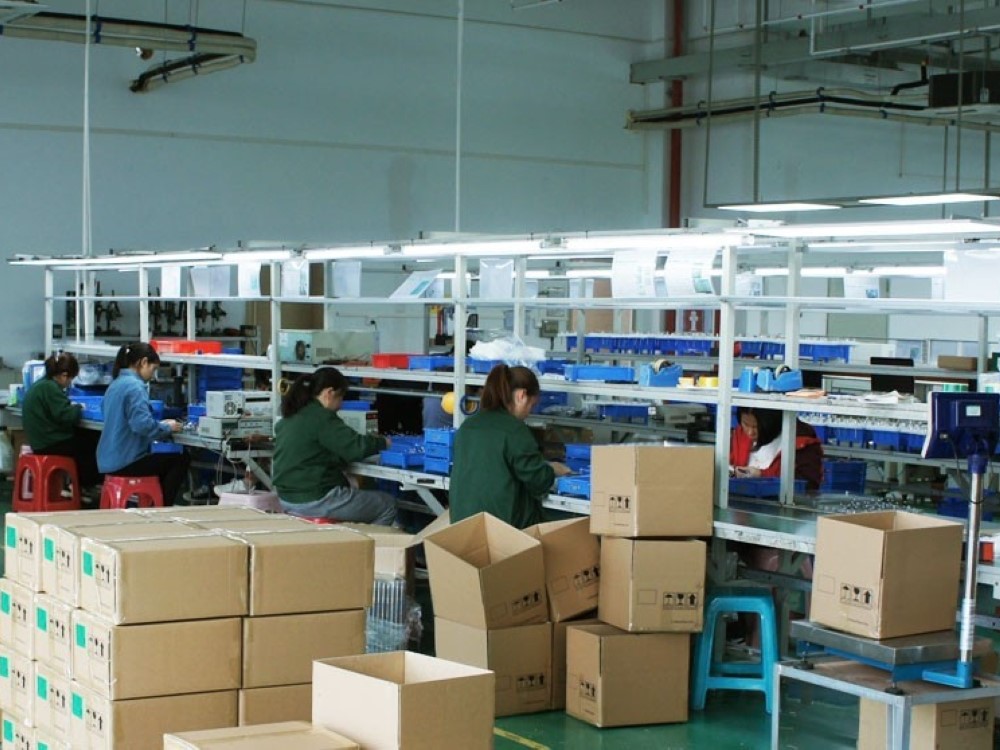
Shengfeng Electromagnet Co., Ltd., fondée en 2015, est située dans le parc industriel de Xiansha, bénéficiant d'un cadre agréable et d'une excellente desserte. L'entreprise s'étend sur 16 000 mètres carrés et dispose d'usines de production modernes, d'équipements de pointe et d'une équipe technique hautement qualifiée. Depuis sa création, elle s'est toujours attachée à sa philosophie d'entreprise axée sur l'innovation, la qualité et le service, en se concentrant sur la recherche, le développement et la production de… électroaimants, en promouvant constamment les mises à jour de produits et les progrès technologiques, et en fournissant aux clients des produits et services de la meilleure qualité.
Pourquoi choisir un électroaimant SF ?
HAUTE QUALITÉ :En tant que premier fabricant d'électroaimants à solénoïde en Chine, notre équipe de contrôle qualité veille à ce que chaque produit que vous recevez soit d'une qualité irréprochable. Nous disposons d'équipements professionnels pour les tests de qualité.
CONCEPTION DU PRODUIT :Notre service d'échantillonnage maîtrise l'ensemble du processus de concrétisation de vos plans. Nous optimisons également la conception de vos produits en nous appuyant sur nos années d'expérience. Faites-nous part de vos avis.
DÉLAI DE LIVRAISON STABLE :En tant que fabricant et fournisseur d'électroaimants de premier plan, nous disposons d'une capacité de production suffisante ; les commandes importantes ne nous effraient pas et nous sommes en mesure de les livrer dans les délais.
MEILLEUR PRIX :Nous sommes une usine d'origine spécialisée dans les électroaimants et le meilleur fabricant de solénoïdes en Chine ; c'est pourquoi nous pouvons proposer des produits de haute qualité au meilleur prix.
GESTION PRÉCISE :Rien ne peut être accompli sans une gestion rigoureuse. Nous sommes une entreprise dotée d'un système de gestion complet.
SERVICE 7-24 :En tant que fabricant de solénoïdes de premier plan, nous assurons une réponse immédiate 24h/24 et 7j/7 : nous prenons en compte vos retours pour devenir un meilleur fournisseur.
FAQ sur les électroaimants
Nous sommes un leader chinois électro-aimant Notre usine de fabrication est située à Dongguan. Nous serions ravis de vous accueillir !
Nous sommes spécialisés dans la conception et la production de produits de haute qualité. électro-aimant,électrovanne,tel que solénoïde rotatif, solénoïdes bistables, solénoïdes de verrouillage, solénoïdes à cadre ouvert, solénoïdes tubulaires, solénoïde auto-maintenu
Bien entendu, nous fournissons généralement des échantillons gratuits ; vous n’avez qu’à prendre en charge les frais de port. Pour les échantillons d’électroaimants sur mesure, veuillez nous communiquer vos exigences afin que nous puissions vous indiquer le coût de l’échantillon.
• La production d'un échantillon prend environ 7 jours.
Oui, nous proposons des services de conception gratuits, incluant la conception structurelle et la conception graphique simple.
Bien sûr. Nous pouvons fabriquer n'importe quel électroaimant selon votre conception. Nous proposons désormais un service ODM de solénoïdes pour les petites séries (de 100 à 500 pièces), avec la possibilité d'y apposer votre logo.
En fonction de la quantité commandée et des détails de production, cela prendra environ 15 à 20 jours.
Toujours un échantillon de préproduction avant la production en série ; toujours une inspection finale avant l'expédition
• Puissance, consommation, dimensions, matériau, quantité, destination de livraison, etc.
• Vous pouvez aussi simplement nous faire part de vos besoins et nous vous recommanderons des produits.
• Par mer, par air ou par transport express.
• Si vous avez votre propre transitaire en Chine, il s'agit du prix départ usine ou FOB.
•CFR ou CIF, etc., si vous avez besoin que nous expédiions en votre nom.
• Le DDP et le DDU peuvent également être utilisés.
• Plus de choix, nous prendrons en compte vos choix.
Le prix est déterminé par la quantité, le matériau, le procédé de fabrication, la taille et d'autres facteurs. De plus, grâce à notre croissance continue, nous proposons des tarifs compétitifs.
Grâce à l'innovation technologique, les prix de certains de nos produits sont extrêmement compétitifs ; veuillez nous contacter pour obtenir un devis.