









Cập nhật lần cuối vào ngày 04/09/2025 bởi Nhà máy Solenoid
Trong lĩnh vực tự động hóa công nghiệp và hệ thống điều khiển chất lỏng rộng lớn, van điện từ Van điện từ đóng vai trò vô cùng quan trọng. Những thiết bị đa năng này được sử dụng để điều khiển dòng chảy của chất lỏng và khí trong nhiều ứng dụng khác nhau, từ các thao tác bật/tắt đơn giản đến các quy trình phức tạp, được điều khiển chính xác. Bằng cách hiểu rõ các yếu tố chính liên quan đến việc lựa chọn van điện từ phù hợp, bạn có thể đảm bảo hệ thống điều khiển chất lỏng của mình hoạt động hiệu quả, đáng tin cậy và tiết kiệm chi phí. Bài viết này đóng vai trò là hướng dẫn toàn diện, hướng dẫn bạn quy trình lựa chọn van điện từ tối ưu cho nhu cầu cụ thể của mình.
1: Nguyên lý cơ bản của van điện từ
1.1 Van điện từ là gì?
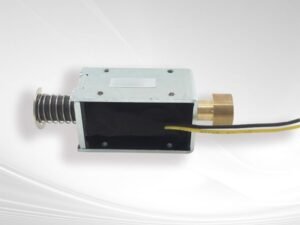
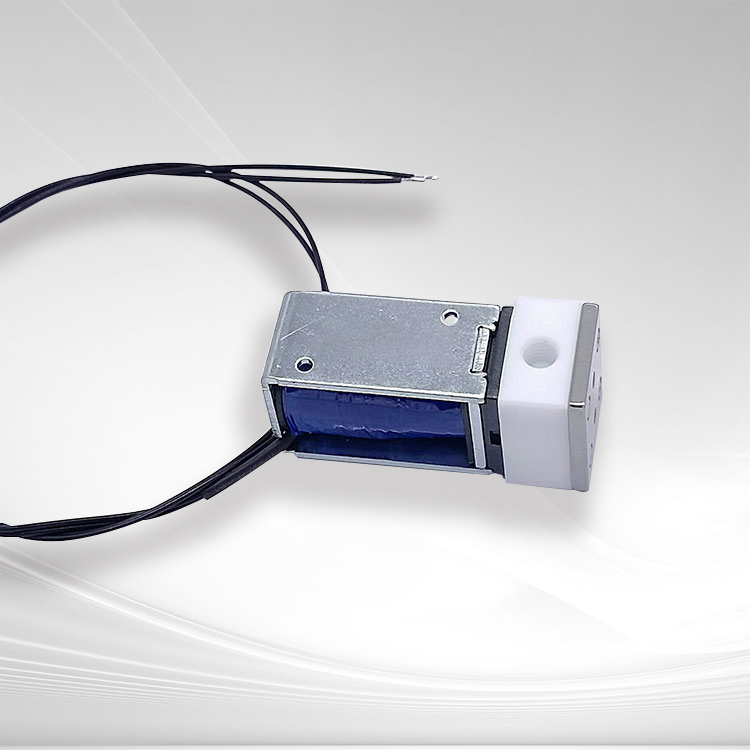
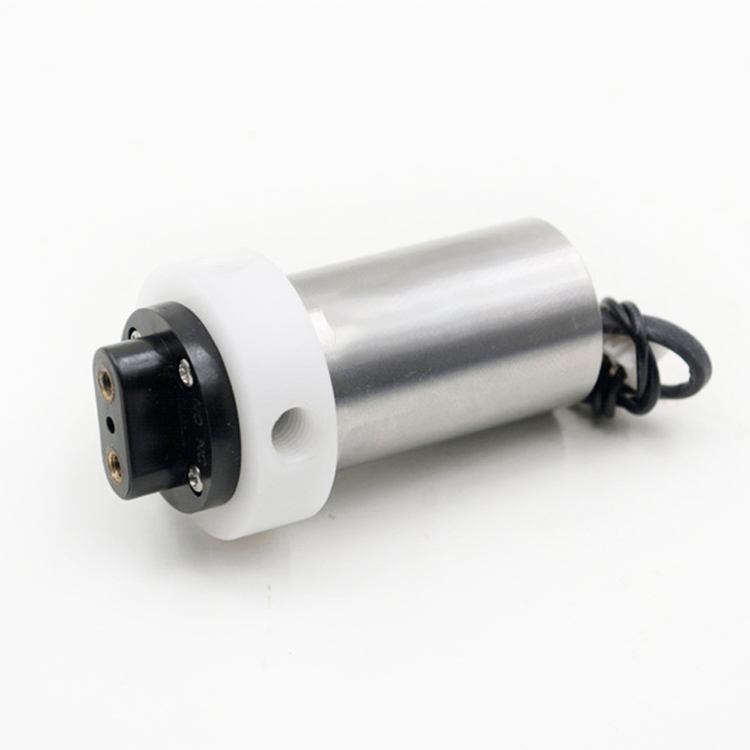
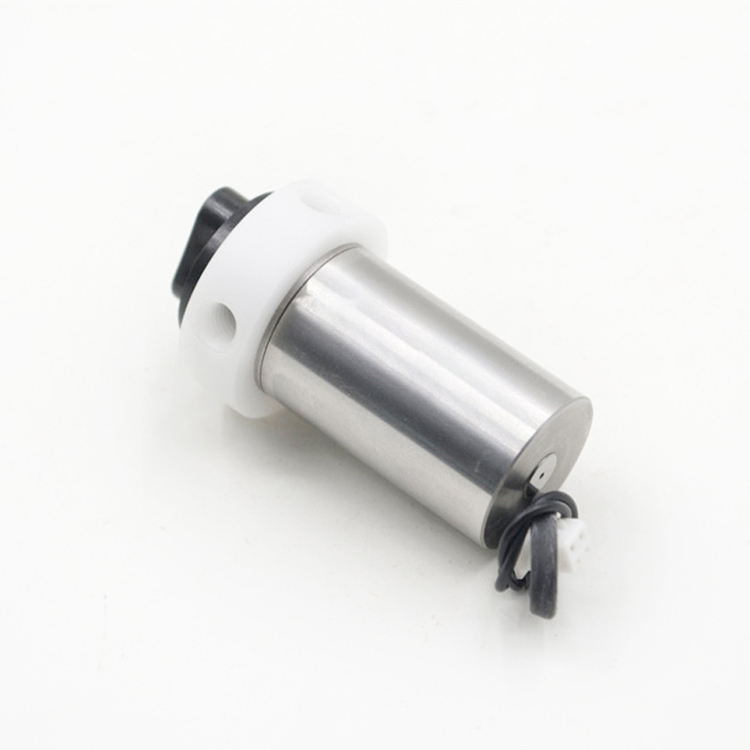
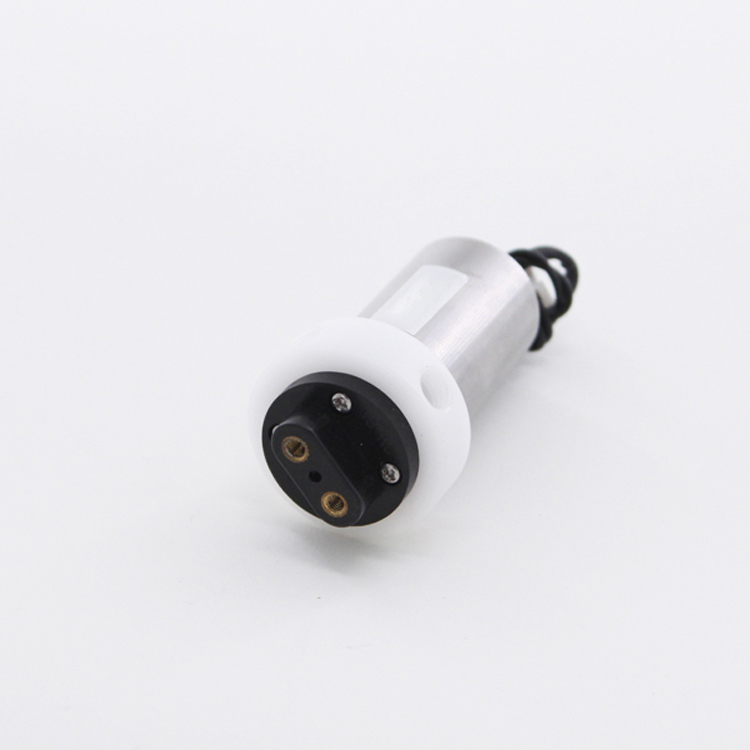
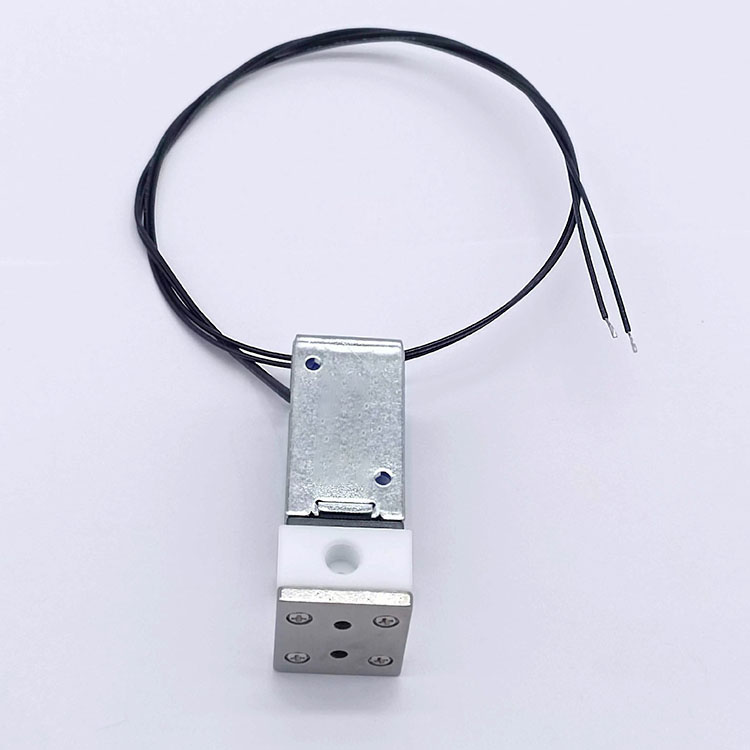
A van điện từ Van tiết lưu là một thiết bị điện cơ sử dụng cuộn dây điện từ (nam châm điện) để điều khiển chuyển động của một bộ phận van, chẳng hạn như pít tông hoặc màng ngăn, từ đó điều chỉnh lưu lượng chất lỏng. Khi cuộn dây được cấp điện, nó tạo ra một từ trường hút bộ phận van, khiến bộ phận này di chuyển và mở hoặc đóng van. Ngắt điện cuộn dây sẽ đảo ngược quá trình, cho phép van trở lại vị trí ban đầu.
1.2 Các loại van điện từ
Van điện từ Chúng có nhiều kiểu dáng và cấu hình khác nhau, được thiết kế riêng để đáp ứng nhu cầu đa dạng của các ứng dụng điều khiển chất lỏng. Một số loại phổ biến bao gồm:
- Van điện từ tác động trực tiếpCác van này sử dụng lực tạo ra bởi cuộn dây điện từ để trực tiếp di chuyển bộ phận van. Chúng thường được sử dụng trong các ứng dụng áp suất thấp và có đặc điểm là thời gian phản hồi nhanh.
- Van điện từ điều khiển bằng khí nénCác van này sử dụng một cuộn dây điện từ nhỏ hơn để điều khiển van dẫn hướng, từ đó vận hành bộ phận van chính. Chúng phù hợp cho các ứng dụng áp suất cao và lưu lượng lớn, đồng thời cung cấp khả năng kiểm soát dòng chảy chất lỏng tốt hơn.
- Van thường đóng (NC) và van thường mở (NO)Van thường đóng (NC) được thiết kế để đóng khi cuộn dây điện từ không được cấp điện, trong khi van thường mở (NO) được thiết kế để mở khi cuộn dây không được cấp điện. Việc lựa chọn giữa van NC và NO phụ thuộc vào yêu cầu cụ thể của ứng dụng.
- Van hai chiều, van ba chiều và van bốn chiềuCác thuật ngữ này đề cập đến số lượng cổng hoặc đường dẫn mà chất lỏng có thể chảy qua. Van hai chiều điều khiển dòng chảy giữa hai cổng, van ba chiều cho phép chất lỏng chảy theo hai hướng nhưng có thể chặn một đường dẫn, và van bốn chiều có thể điều khiển dòng chảy chất lỏng giữa bốn cổng, cho phép các chiến lược điều khiển phức tạp hơn.
1.3 Các thông số hiệu suất chính
Khi lựa chọn van điện từ, cần xem xét một số thông số hiệu suất quan trọng:
- Phạm vi áp suất và nhiệt độ hoạt động: Áp suất và nhiệt độ tối đa mà van có thể chịu được mà không bị hỏng hoặc giảm hiệu suất.
- Lưu lượng: Tốc độ dòng chảy của chất lỏng mà van có thể xử lý mà không gây ra sự sụt giảm áp suất quá mức hoặc hạn chế dòng chảy.
- Thời gian phản hồi: Thời gian cần thiết để van mở hoặc đóng hoàn toàn sau khi cấp điện hoặc ngắt điện cho cuộn dây điện từ.
- Mức tiêu thụ điện năng: Lượng điện năng mà cuộn dây điện từ tiêu thụ trong quá trình hoạt động.
- Khả năng tương thích vật liệu: Khả năng tương thích của các bộ phận bên trong van với chất lỏng cần điều khiển, nhằm ngăn ngừa ăn mòn, nhiễm bẩn hoặc các tác động bất lợi khác.
2: Đánh giá các yêu cầu của đơn đăng ký của bạn
2.1 Hiểu về đặc tính của chất lỏng
Bước đầu tiên trong việc lựa chọn một van điện từ Điều quan trọng là phải hiểu rõ đặc điểm của chất lỏng mà bạn cần điều khiển. Hãy xem xét những điều sau:
- Loại chất lỏngChất lỏng đó là chất lỏng hay chất khí? Điều này sẽ ảnh hưởng đến thiết kế van và việc lựa chọn vật liệu.
- Độ nhớt và mật độCác chất lỏng có độ nhớt và mật độ cao hơn đòi hỏi van có lỗ lớn hơn và cuộn dây điện từ mạnh hơn để đảm bảo lưu lượng và thời gian phản hồi phù hợp.
- Tính ăn mòn và khả năng tương thích hóa họcChọn vật liệu van tương thích với chất lỏng để ngăn ngừa rò rỉ, nhiễm bẩn và hư hỏng sớm.
- Thành phần hạtCác chất lỏng có chứa các hạt hoặc tạp chất có thể cần van có các tính năng lọc hoặc làm kín đặc biệt để ngăn ngừa tắc nghẽn hoặc mài mòn.
2.2 Xác định các yêu cầu kiểm soát
Tiếp theo, hãy đánh giá các yêu cầu kiểm soát của ứng dụng của bạn. Hãy xem xét những điều sau:
- Điều khiển Bật/Tắt hoặc Điều chỉnhHãy quyết định xem bạn cần van đóng/mở đơn giản hay van điều tiết có thể kiểm soát lưu lượng chất lỏng liên tục trong một phạm vi nhất định.
- Độ chính xác và tính đúng đắnXác định mức độ chính xác cần thiết cho việc điều khiển dòng chảy chất lỏng. Các ứng dụng đòi hỏi độ chính xác cao có thể cần đến các van có cơ chế điều khiển phức tạp hơn.
- Chế độ hỏng hócHãy xem xét chế độ hỏng hóc mong muốn của van trong trường hợp mất điện hoặc các sự cố khác. Van thường đóng sẽ ngăn dòng chảy chất lỏng khi mất điện, trong khi van thường mở sẽ cho phép dòng chảy tiếp tục.
2.3 Điều kiện môi trường
Các điều kiện môi trường mà van điện từ sẽ hoạt động cũng có thể ảnh hưởng đến việc lựa chọn van. Hãy xem xét những điều sau:
- Nhiệt độ môi trường xung quanhHãy chọn van có phạm vi nhiệt độ hoạt động bao gồm nhiệt độ môi trường xung quanh trong ứng dụng của bạn.
- Độ ẩm và hơi nướcTrong môi trường có độ ẩm cao hoặc ẩm ướt, hãy chọn van có vỏ chống ẩm hoặc chống thấm nước để ngăn ngừa ăn mòn và đoản mạch.
- Rung động và va chạmTrong các ứng dụng chịu rung động hoặc va đập, hãy chọn van có cấu trúc chắc chắn và tính năng giảm chấn để đảm bảo độ tin cậy.
3: Lựa chọn van điện từ phù hợp
3.1 Nghiên cứu các lựa chọn nhà cung cấp
Sau khi đã hiểu rõ các yêu cầu của ứng dụng, đã đến lúc nghiên cứu các nhà cung cấp tiềm năng. van điện từ. Hãy xem xét các tiêu chí sau:
- Phạm vi và sự đa dạng của sản phẩmHãy tìm kiếm các nhà cung cấp cung cấp nhiều loại van điện từ để đáp ứng các áp suất hoạt động, lưu lượng và yêu cầu điều khiển khác nhau. Điều này mang lại sự linh hoạt trong việc lựa chọn sản phẩm phù hợp nhất cho ứng dụng của bạn.
- Chuyên môn kỹ thuật và hỗ trợHãy lựa chọn nhà cung cấp có chuyên môn kỹ thuật sâu rộng về van điện từ. Họ cần có khả năng cung cấp những hiểu biết sâu sắc về việc lựa chọn vật liệu, thiết kế cuộn dây và các yếu tố quan trọng khác có thể ảnh hưởng đáng kể đến hiệu suất.
- Khả năng tùy chỉnhĐánh giá khả năng của nhà cung cấp trong việc tùy chỉnh van điện từ để đáp ứng các yêu cầu cụ thể. Điều này bao gồm việc điều chỉnh lưu lượng, định mức áp suất và chiến lược điều khiển để đảm bảo hiệu suất tối ưu trong các ứng dụng đa dạng.
3.2 Đánh giá sản phẩm
Sau khi đã thu hẹp danh sách nhà cung cấp, hãy đánh giá các loại van điện từ cụ thể mà họ cung cấp dựa trên yêu cầu ứng dụng của bạn:
- Phù hợp áp suất và nhiệt độ hoạt độngSo sánh phạm vi áp suất và nhiệt độ hoạt động của van điện từ với các điều kiện trong ứng dụng của bạn. Đảm bảo van được chọn đáp ứng hoặc vượt quá các yêu cầu này.
- Lưu lượng và thời gian phản hồiHãy kiểm tra xem lưu lượng và thời gian phản hồi của van điện từ có đáp ứng đủ yêu cầu điều khiển của ứng dụng hay không. Cân nhắc bất kỳ sự thay đổi nào về độ nhớt hoặc mật độ của chất lỏng có thể ảnh hưởng đến các thông số này.
- Khả năng tương thích vật liệuHãy đảm bảo các bộ phận bên trong van tương thích với chất lỏng cần điều khiển. Tìm kiếm các vật liệu có khả năng chống ăn mòn, mài mòn và nhiễm bẩn.
- Mức tiêu thụ điện năng và hiệu suấtĐánh giá mức tiêu thụ điện năng của cuộn dây điện từ và tác động của nó đến hệ thống điện. Tìm kiếm các van có thiết kế tiết kiệm năng lượng, giảm thiểu mức tiêu thụ điện năng và sinh nhiệt.
3.3 Thử nghiệm và xác nhận
Trước khi đưa ra quyết định cuối cùng, hãy cân nhắc việc thử nghiệm và kiểm định van điện từ đã chọn trong môi trường ứng dụng của bạn:
- Thử nghiệm nguyên mẫuHãy yêu cầu một nguyên mẫu của van điện từ đã chọn để thử nghiệm trong ứng dụng cụ thể của bạn. Điều này cho phép bạn xác nhận hiệu suất của nó trong điều kiện thực tế và xác định bất kỳ vấn đề hoặc hạn chế tiềm ẩn nào.
- Các chỉ số hiệu suấtThiết lập các chỉ số hiệu suất và tiêu chuẩn đánh giá cho van điện từ dựa trên yêu cầu ứng dụng của bạn. Theo dõi các chỉ số này trong quá trình thử nghiệm để đảm bảo van đáp ứng hoặc vượt quá mong đợi.
- Phản hồi và điều chỉnhHãy cung cấp phản hồi cho nhà cung cấp dựa trên kết quả thử nghiệm của bạn. Họ có thể đề xuất các điều chỉnh hoặc sửa đổi để cải thiện hiệu suất và sự phù hợp với nhu cầu ứng dụng của bạn.
- Được xếp hạng 0 5 sao
- Được xếp hạng 0 5 sao
- Được xếp hạng 0 5 sao
- Được xếp hạng 0 5 sao
4: Đảm bảo độ tin cậy và hiệu suất lâu dài
4.1 Bảo trì và sửa chữa
Việc duy trì độ tin cậy và hiệu suất của van điện từ theo thời gian là vô cùng quan trọng. Hãy xem xét các biện pháp thực hành tốt nhất sau đây:
- Kiểm tra định kỳLên lịch kiểm tra định kỳ van điện từ để phát hiện các dấu hiệu hao mòn, nhiễm bẩn hoặc hư hỏng. Việc này giúp xác định các vấn đề tiềm ẩn trước khi chúng trở nên nghiêm trọng và đảm bảo van hoạt động an toàn và hiệu quả.
- Vệ sinh và bôi trơnVệ sinh van điện từ thường xuyên để loại bỏ bụi bẩn, mảnh vụn và các chất gây ô nhiễm khác. Bôi trơn các bộ phận chuyển động, chẳng hạn như trục và gioăng, bằng chất bôi trơn thích hợp để giảm ma sát và mài mòn.
- Kho phụ tùng thay thếHãy duy trì kho dự trữ các phụ tùng thay thế, chẳng hạn như cuộn dây điện từ, màng ngăn và gioăng, để giảm thiểu thời gian ngừng hoạt động trong trường hợp hỏng hóc. Đảm bảo các phụ tùng này tương thích với van điện từ đã lắp đặt.
4.2 Hỗ trợ và bảo hành từ nhà cung cấp
Hợp tác với nhà cung cấp có dịch vụ hỗ trợ và bảo hành toàn diện có thể giúp kéo dài tuổi thọ và độ tin cậy của van điện từ. Hãy xem xét những điều sau:
- Hỗ trợ kỹ thuậtHãy đảm bảo nhà cung cấp cung cấp hỗ trợ kỹ thuật liên tục để khắc phục sự cố, bảo trì và tối ưu hóa hiệu suất. Tìm kiếm các nhà cung cấp có đội ngũ hỗ trợ chuyên trách và thời gian phản hồi nhanh chóng.
- Phạm vi bảo hànhKiểm tra phạm vi bảo hành do nhà cung cấp cung cấp. Tìm kiếm các điều khoản bảo hành toàn diện bao gồm các lỗi về vật liệu và tay nghề, cũng như bất kỳ dịch vụ bổ sung hoặc thay thế nào cần thiết.
- Đào tạo và Tài liệuHãy đảm bảo nhà cung cấp cung cấp đầy đủ đào tạo và tài liệu về việc lắp đặt, vận hành và bảo trì van điện từ. Điều này bao gồm hướng dẫn sử dụng, thông số kỹ thuật và các buổi đào tạo để đảm bảo nhóm của bạn được trang bị đầy đủ kiến thức để vận hành van một cách hiệu quả.
5: Xu hướng và đổi mới trong van điện từ
5.1 Van điện từ thông minh và tích hợp IoT
Việc tích hợp công nghệ thông minh và kết nối Internet vạn vật (IoT) đang làm thay đổi van điện từ. Van điện từ thông minh Tích hợp các cảm biến và mô-đun truyền thông cho phép giám sát, chẩn đoán và điều khiển theo thời gian thực. Điều này cho phép bảo trì dự đoán, tối ưu hóa hiệu suất và giám sát từ xa, nâng cao độ tin cậy và giảm thời gian ngừng hoạt động.
Van điện từ tích hợp IoT có thể truyền dữ liệu về điều kiện hoạt động, lưu lượng và mức tiêu thụ năng lượng đến hệ thống điều khiển trung tâm. Sau đó, người vận hành có thể phân tích dữ liệu này để xác định xu hướng, dự đoán sự cố và điều chỉnh chiến lược điều khiển nhằm đạt hiệu suất tối ưu. Ngoài ra, khả năng truy cập từ xa cho phép khắc phục sự cố và điều chỉnh mà không cần can thiệp trực tiếp, giảm chi phí bảo trì và nâng cao an toàn.
5.2 Thiết kế tiết kiệm năng lượng
Hiệu quả năng lượng ngày càng trở thành mối quan tâm hàng đầu trong tự động hóa công nghiệp và hệ thống điều khiển chất lỏng. Các nhà sản xuất đang đáp ứng bằng cách phát triển các van điện từ với thiết kế tiết kiệm năng lượng, giảm thiểu tiêu thụ điện năng và sinh nhiệt. Các van này sử dụng vật liệu tiên tiến, thiết kế cuộn dây tối ưu và cơ chế thu hồi năng lượng để giảm thiểu lãng phí năng lượng.
Van điện từ tiết kiệm năng lượng có thể giảm đáng kể chi phí vận hành và tác động đến môi trường của các quy trình công nghiệp. Hãy tìm những van có công suất tiêu thụ thấp và các tính năng tiết kiệm năng lượng, chẳng hạn như tín hiệu điều khiển có thể điều chỉnh và chế độ ngủ, để giảm thiểu việc sử dụng năng lượng khi không hoạt động.
5.3 Thiết kế nhỏ gọn và nhẹ
Xu hướng thiết kế nhỏ gọn và nhẹ đang thúc đẩy sự đổi mới trong lĩnh vực van điện từ. Các nhà sản xuất đang tận dụng các kỹ thuật sản xuất tiên tiến, chẳng hạn như gia công chính xác và sản xuất bồi đắp, để tạo ra các van có kích thước nhỏ hơn và trọng lượng nhẹ hơn. Điều này làm cho van điện từ phù hợp hơn cho các ứng dụng có không gian hoặc trọng lượng hạn chế, chẳng hạn như hàng không vũ trụ, robot và thiết bị y tế.
Van điện từ nhỏ gọn và nhẹ cũng mang lại lợi ích về lắp đặt và bảo trì. Chúng dễ dàng tích hợp vào các hệ thống hiện có, yêu cầu ít không gian hơn và có thể được bảo dưỡng nhanh chóng và hiệu quả hơn. Hãy tìm những van có thiết kế tối ưu giúp tối đa hóa hiệu suất đồng thời giảm thiểu kích thước và trọng lượng.
5.4 Khả năng tương thích vật liệu và khả năng chống ăn mòn được nâng cao
Các nhà sản xuất liên tục phát triển các vật liệu và lớp phủ mới để tăng cường khả năng tương thích và khả năng chống ăn mòn của van điện từ. Những vật liệu tiên tiến này mang lại khả năng chống chịu tốt hơn với hóa chất, nhiệt độ cao và chất lỏng mài mòn, kéo dài tuổi thọ của van và giảm nguy cơ rò rỉ hoặc hỏng hóc.
Hãy cân nhắc lựa chọn van điện từ với vật liệu được thiết kế riêng cho yêu cầu ứng dụng cụ thể của bạn. Ví dụ, van được thiết kế để sử dụng với hóa chất mạnh có thể được hưởng lợi từ hợp kim chống ăn mòn hoặc lớp phủ đặc biệt bảo vệ chống lại sự tấn công của hóa chất. Tương tự, van hoạt động trong môi trường nhiệt độ cao có thể yêu cầu vật liệu có độ ổn định nhiệt cao hơn và khả năng chịu được chu kỳ nhiệt.
6: Van điện từ - Nghiên cứu trường hợp và ví dụ ứng dụng
6.1 Dây chuyền sản xuất tự động
Trong các dây chuyền sản xuất tự động, van điện từ Chúng đóng vai trò quan trọng trong việc kiểm soát dòng chảy của nhiều loại chất lỏng khác nhau, chẳng hạn như chất làm mát, chất bôi trơn và chất tẩy rửa. Chúng đảm bảo việc cung cấp chất lỏng chính xác và đáng tin cậy, cho phép các quy trình sản xuất hiệu quả và chất lượng cao.
Ví dụ, trong ứng dụng gia công kim loại, van điện từ có thể được sử dụng để điều khiển lưu lượng chất lỏng cắt gọt đến máy công cụ. Bằng cách điều chỉnh chính xác áp suất, nhiệt độ và lưu lượng của chất lỏng, các nhà sản xuất có thể tối ưu hóa hiệu suất cắt gọt, giảm mài mòn dụng cụ và cải thiện chất lượng bề mặt.
6.2 Nhà máy xử lý nước
Van điện từ là thành phần thiết yếu trong các nhà máy xử lý nước, nơi chúng kiểm soát lưu lượng nước và hóa chất xử lý. Chúng được sử dụng trong nhiều giai đoạn của quá trình xử lý, từ khâu lấy nước thô và lọc đến định lượng hóa chất và khử trùng.
Ví dụ, van điện từ có thể được sử dụng để điều chỉnh lưu lượng clo hoặc các chất khử trùng khác vào nguồn nước. Bằng cách kiểm soát chính xác liều lượng và sự phân phối các hóa chất này, các nhà máy xử lý nước có thể đảm bảo an toàn và chất lượng nước cung cấp cho người tiêu dùng.
6.3 Hệ thống khí nén
Van điện từ được sử dụng rộng rãi trong các hệ thống khí nén để điều khiển lưu lượng khí nén hoặc các loại khí khác. Chúng là các thành phần thiết yếu trong các ứng dụng tự động hóa và robot, cho phép điều khiển chính xác và đáng tin cậy các bộ truyền động khí nén, xi lanh và các thiết bị khác.
Ví dụ, trong dây chuyền lắp ráp robot, van điện từ có thể được sử dụng để điều khiển chuyển động của cánh tay robot và các công cụ. Bằng cách điều chỉnh chính xác lưu lượng khí nén đến các thiết bị này, các nhà sản xuất có thể đạt được độ chính xác và tính lặp lại cao trong quy trình lắp ráp của họ.
Lựa chọn van điện từ phù hợp
Việc lựa chọn van điện từ phù hợp đòi hỏi sự hiểu biết thấu đáo về các yêu cầu của ứng dụng, đánh giá cẩn thận các nhà cung cấp và sản phẩm tiềm năng, cũng như bảo trì và hỗ trợ liên tục để đảm bảo độ tin cậy và hiệu suất lâu dài. Bằng cách làm theo các hướng dẫn được nêu trong bài viết này, bạn có thể điều hướng thế giới phức tạp của van điện từ và đưa ra quyết định sáng suốt đáp ứng nhu cầu hiện tại và thích ứng với các yêu cầu trong tương lai.
Hãy nhớ rằng, chìa khóa để lựa chọn van điện từ thành công là sự cân bằng. Cân bằng áp suất hoạt động, lưu lượng và thời gian phản hồi với các điều kiện môi trường, khả năng tương thích vật liệu và yêu cầu điều khiển của ứng dụng. Cân bằng nhu cầu tùy chỉnh và tính linh hoạt với chuyên môn kỹ thuật, phạm vi sản phẩm và dịch vụ hỗ trợ của nhà cung cấp. Và cuối cùng, cân bằng chi phí ban đầu với lợi ích lâu dài về độ tin cậy, hiệu suất và hiệu quả năng lượng.
Tóm lại, van điện từ Van điện từ là những bộ phận không thể thiếu trong nhiều ứng dụng công nghiệp, và việc lựa chọn đúng loại van cần sự cân nhắc và lập kế hoạch cẩn thận. Bằng cách luôn cập nhật những xu hướng và đổi mới mới nhất, bạn có thể đảm bảo mình luôn tận dụng công nghệ tốt nhất cho các ứng dụng của mình. Chúc bạn lựa chọn van điện từ thành công!
Hướng dẫn toàn diện này đã đề cập đến những yếu tố cần thiết khi lựa chọn van điện từ. Bằng cách làm theo các bước và lưu ý được nêu ra, bạn có thể đưa ra quyết định sáng suốt, đảm bảo ứng dụng của mình được hưởng lợi từ hiệu suất và độ tin cậy tối ưu của một van điện từ được lựa chọn kỹ lưỡng.
Giới thiệu về nhà máy sản xuất nam châm điện SF
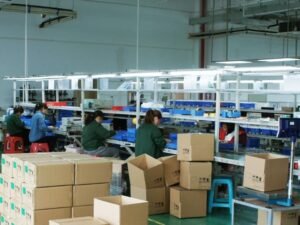
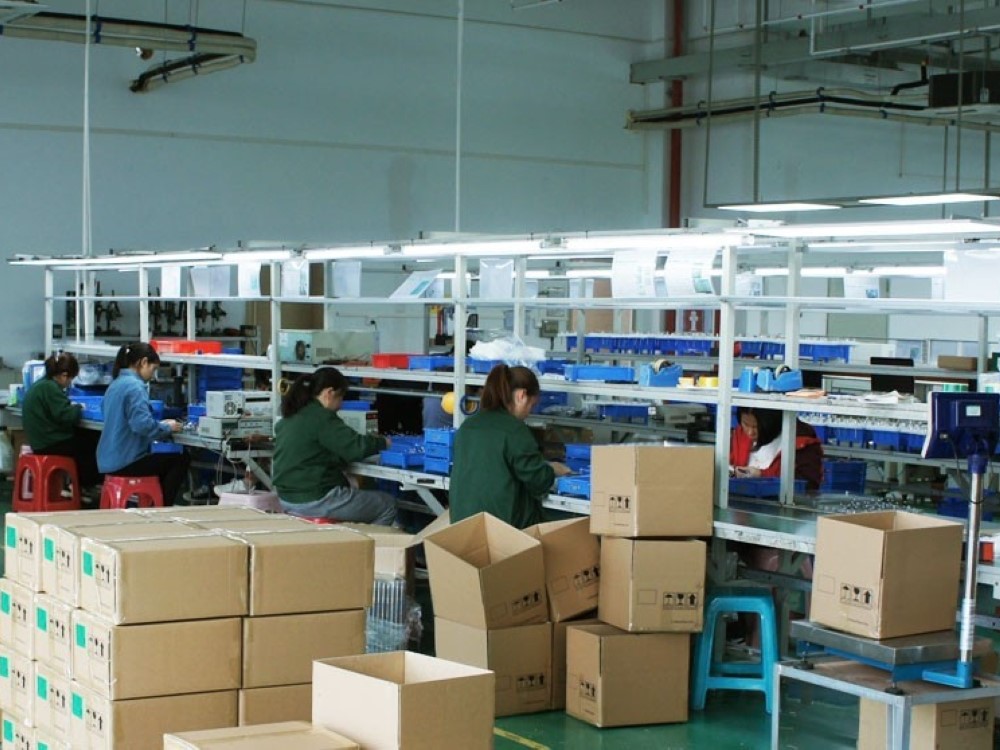
Công ty TNHH Nam châm điện Shengfeng được thành lập năm 2015, tọa lạc tại Khu công nghiệp Tây Sa với cảnh quan đẹp và giao thông thuận tiện. Công ty có diện tích 16.000 mét vuông, sở hữu nhà máy sản xuất hiện đại, thiết bị sản xuất tiên tiến và đội ngũ kỹ thuật chất lượng cao. Từ khi thành lập, chúng tôi luôn tuân thủ triết lý doanh nghiệp “đổi mới, chất lượng và dịch vụ”, tập trung vào nghiên cứu và phát triển cũng như sản xuất các sản phẩm chất lượng cao. nam châm điện, Không ngừng thúc đẩy việc nâng cấp sản phẩm và tiến bộ công nghệ, đồng thời cung cấp cho khách hàng những sản phẩm và dịch vụ chất lượng tốt nhất.
Tại sao nên chọn nam châm điện SF?
CHẤT LƯỢNG CAO CẤP:Là nhà sản xuất nam châm điện solenoid hàng đầu tại Trung Quốc, đội ngũ kiểm soát chất lượng (QC) của chúng tôi cam kết đảm bảo mọi sản phẩm bạn nhận được đều đạt chất lượng tốt nhất. Chúng tôi sở hữu các thiết bị kiểm tra chất lượng chuyên dụng.
THIẾT KẾ SẢN PHẨM:Bộ phận làm mẫu của chúng tôi sở hữu quy trình hoàn chỉnh để hiện thực hóa các bản vẽ. Chúng tôi cũng sẽ cải tiến thiết kế sản phẩm của bạn dựa trên kinh nghiệm làm việc lâu năm. Hãy chia sẻ ý kiến của bạn với chúng tôi.
THỜI GIAN GIAO HÀNG ỔN ĐỊNH:Là nhà sản xuất và cung cấp nam châm điện hàng đầu, chúng tôi sở hữu năng lực sản xuất mạnh mẽ; ngay cả với những đơn hàng lớn, chúng tôi vẫn đảm bảo giao hàng đúng tiến độ cho quý khách.
GIÁ TỐT NHẤT:Chúng tôi là nhà máy sản xuất trực tiếp nam châm điện và là nhà sản xuất solenoid hàng đầu tại Trung Quốc; chính vì vậy, chúng tôi có thể cung cấp các sản phẩm chất lượng cao với mức giá tốt nhất.
QUẢN LÝ CHÍNH XÁC:Chúng ta sẽ không thể đạt được kết quả gì nếu không thực hiện công tác quản lý chặt chẽ. Chúng tôi là công ty sở hữu hệ thống quản lý toàn diện.
PHỤC VỤ 24/7:Là nhà sản xuất solenoid hàng đầu với dịch vụ phản hồi tức thì 24/7, chúng tôi luôn tiếp nhận ý kiến đóng góp của quý khách để ngày càng hoàn thiện hơn với tư cách là nhà cung cấp.
Câu hỏi thường gặp về nam châm điện
Chúng tôi là một công ty hàng đầu của Trung Quốc. nam châm điện Nhà sản xuất của chúng tôi đặt tại Đông Quan. Rất hân hạnh được đón tiếp quý khách đến thăm nhà máy!
Chúng tôi chuyên thiết kế và sản xuất các sản phẩm chất lượng cao. nam châm điện,van điện từ,chẳng hạn như nam châm điện quay, nam châm điện lưỡng ổn định, nam châm điện chốt, van điện từ khung hở, nam châm điện hình ống, van điện từ tự giữ
•Tất nhiên, thông thường chúng tôi sẽ cung cấp mẫu miễn phí, và bạn chỉ cần thanh toán phí vận chuyển. Đối với các mẫu nam châm điện tùy chỉnh, vui lòng gửi yêu cầu của bạn cho chúng tôi để kiểm tra chi phí mẫu.
• Quá trình sản xuất mẫu mất khoảng 7 ngày.
Vâng, chúng tôi cung cấp dịch vụ thiết kế miễn phí, thiết kế kết cấu và thiết kế đồ họa đơn giản.
Chắc chắn rồi. Chúng tôi có thể sản xuất bất kỳ loại nam châm điện nào theo thiết kế của bạn. Hiện tại, chúng tôi đang mở dịch vụ ODM cho nam châm điện từ số lượng nhỏ từ 100 đến 500 chiếc, nhưng bạn vẫn có thể sử dụng logo riêng của mình.
Tùy thuộc vào số lượng đặt hàng và chi tiết sản xuất, thời gian giao hàng sẽ vào khoảng 15 đến 20 ngày.
Luôn có mẫu thử trước khi sản xuất hàng loạt; Luôn kiểm tra cuối cùng trước khi giao hàng.
• Công suất, mục đích sử dụng, kích thước, chất liệu, số lượng, địa điểm giao hàng, v.v.
• Bạn cũng có thể cho chúng tôi biết yêu cầu của bạn và chúng tôi sẽ đề xuất sản phẩm phù hợp.
• Bằng đường biển, đường hàng không hoặc chuyển phát nhanh.
• Nếu bạn có đại lý giao nhận vận tải riêng tại Trung Quốc, đó là giá xuất xưởng hoặc giá FOB.
•CFR hoặc CIF, v.v., nếu bạn cần chúng tôi vận chuyển thay mặt bạn.
• DDP và DDU cũng có thể được sử dụng.
• Chúng tôi sẽ xem xét các lựa chọn của bạn nếu bạn có thêm nhiều sự lựa chọn khác.
• Giá cả được xác định bởi số lượng, chất liệu, phương pháp gia công, kích thước và các yếu tố khác. Ngoài ra, do sự phát triển liên tục của chúng tôi, giá cả được nâng cao.
Nhờ đổi mới công nghệ, giá cả một số sản phẩm của chúng tôi cực kỳ cạnh tranh, vui lòng liên hệ với chúng tôi để được báo giá.