









Last Updated on 2025-11-02 by Fábrica de solenoides
Surgical robots have transformed the medical landscape, enabling minimally invasive procedures with unparalleled accuracy, reduced recovery times, and improved patient outcomes. At the heart of these advanced systems lies a critical technology: electroimanes. These devices provide the precise force control, haptic feedback, and reliability required for delicate surgical tasks. As a professional electromagnet manufacturer, we explore how electromagnets empower surgical robots, the technical challenges they overcome, and the future innovations poised to redefine robotic-assisted surgery.

1. The Science of Electromagnetic Control in Surgical Robots
1.1 How Electromagnets Enable Precision Motion
Electroimanes convert electrical energy into controlled mechanical force through magnetic fields. In surgical robots, they actuate joints, adjust tools, and simulate tactile feedback. By modulating current flow, surgeons can achieve micron-level precision in movements—essential for procedures like microsurgery or tissue manipulation.
1.2 Key Components in Robotic Systems
- Linear Actuators: Electromagnetic solenoids control linear motion for instrument positioning.
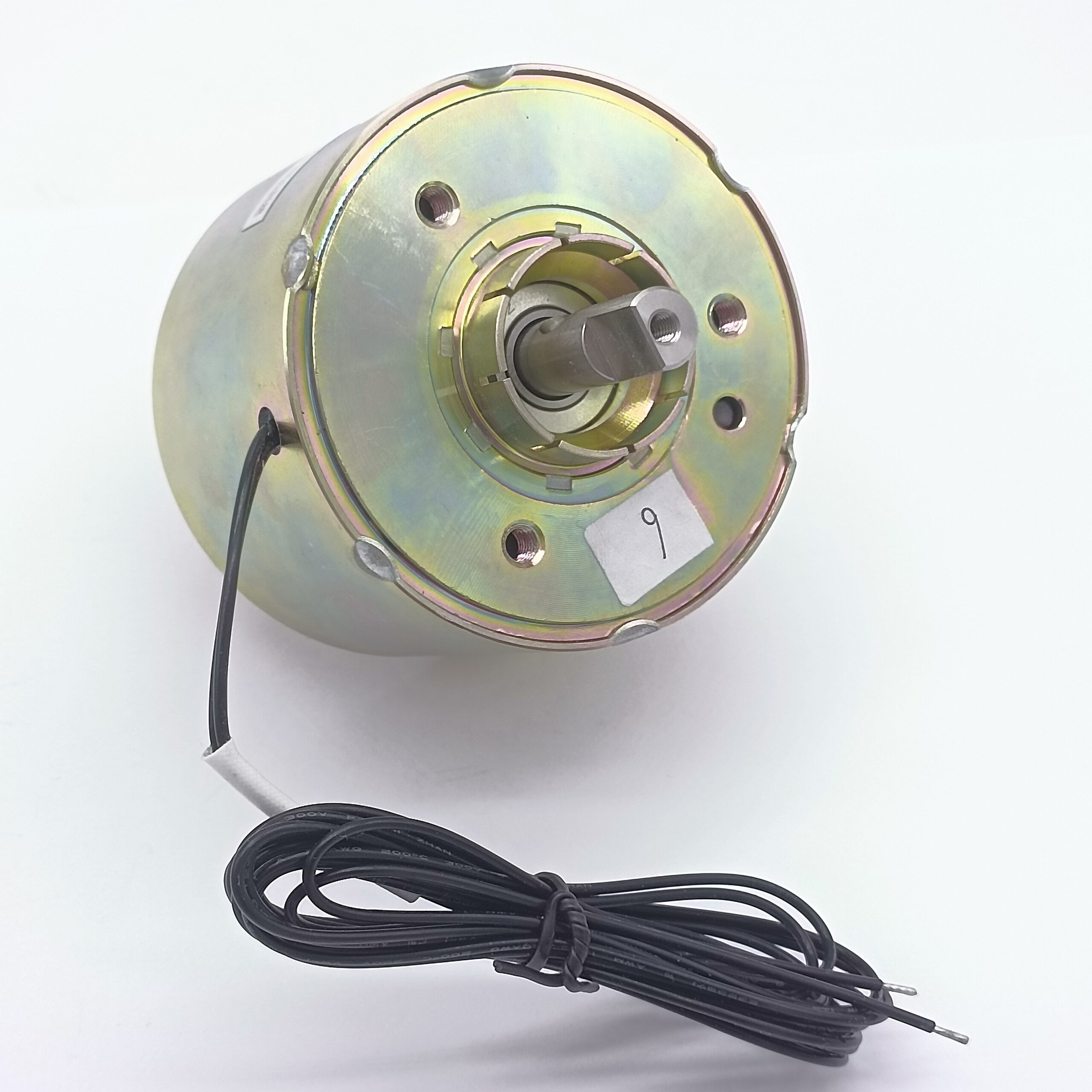
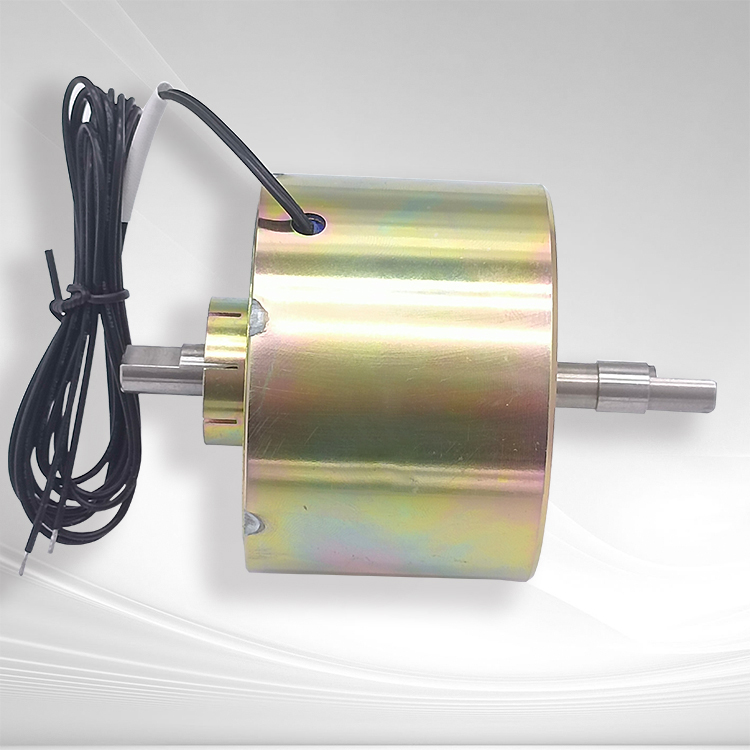
- Torque Motors: Generate rotational force for robotic arms, combining high torque with compact size.
- Haptic Feedback Systems: Use electromagnets to simulate resistance and texture, giving surgeons a “sense of touch” during operations.
- Latching Mechanisms: Secure tools or adjust tension without continuous power consumption.
1.3 Types of Electromagnets in Surgical Robotics
- Voice Coil Actuators (VCAs): Provide direct, frictionless motion for high-speed tool adjustments.
- Solenoid Valves: Regulate fluid or air flow in pneumatic/hydraulic end-effectors.
- Magnetic Levitation Systems: Enable contactless movement of tools, reducing wear and contamination risks.
2. Advantages of Electromagnets in Surgical Robotics
2.1 Sub-Millimeter Precision
Electromagnetic actuators achieve positional accuracy down to 10 microns, critical for procedures like corneal surgery or nerve repair. This precision minimizes collateral damage to healthy tissues.
2.2 Rapid Response Times
Electroimanes operate in milliseconds, allowing real-time adjustments during dynamic tasks such as beating-heart surgery or laser ablation.
2.3 Enhanced Safety and Reliability
- Fail-Safe Mechanisms: Spring-loaded or redundant electromagnets ensure tools retract or lock during power failures.
- Sterility: Non-contact magnetic systems reduce particulate generation, maintaining sterile fields.
2.4 Compact and Lightweight Design
Miniaturized electromagnets enable slim, articulated robotic arms that navigate tight anatomical spaces, such as the brain or thoracic cavity.
2.5 Energy Efficiency
Latching electromagnets and energy-recovery circuits minimize power draw, crucial for portable or battery-powered surgical systems.
3. Applications of Electromagnets in Surgical Robots
3.1 Minimally Invasive Surgery (MIS)
Electroimanes drive the wristed instruments of robots like the Da Vinci Surgical System, enabling seven degrees of freedom (DOF) for suturing, cutting, and dissection through tiny incisions.
Case Study: A hospital reduced post-op complications by 30% using electromagnetic-driven robots for prostatectomies, leveraging precise vessel sealing and reduced blood loss.
3.2 Neurosurgery
- Biopsy and Tumor Resection: Magnetic-guided catheters navigate brain vasculature with sub-millimeter accuracy.
- Deep Brain Stimulation (DBS): Electromagnetic actuators position electrodes for Parkinson’s treatment, avoiding critical neural structures.
3.3 Ophthalmology
- Retinal Surgery: Voice coil actuators adjust laser focus and instrument position in procedures requiring 5-micron precision.
- Cataract Removal: Electromagnetic phacoemulsification probes fragment lenses with controlled vibration.
3.4 Orthopedics
- Bone Cutting and Drilling: Electromagnetic torque motors ensure precise osteotomy angles in knee/hip replacements.
- Spinal Fusion: Robots use magnetic feedback to position screws without damaging spinal nerves.
3.5 Endoscopy and Cardiology
- Magnetic Steering: Electromagnets guide endoscopic capsules through the gastrointestinal tract.
- Catheter Ablation: Magnetic navigation systems direct catheters to arrhythmia sites in the heart.
4. Technical Challenges and Solutions of electromagnets
4.1 Heat Generation
Challenge: Prolonged use heats coils, causing thermal expansion and calibration drift.
Solution: Liquid-cooled actuators and high-temperature materials (e.g., ceramic-insulated coils).
4.2 Electromagnetic Interference (EMI)
Challenge: EMI from imaging systems (MRI, CT) disrupts robotic control.
Solution: Shielding with mu-metal enclosures and frequency-filtered circuits.
4.3 Sterility and Biocompatibility
Challenge: Ensuring materials withstand autoclaving and resist biofilm formation.
Solution: Medical-grade stainless steel, titanium coatings, and disposable magnetic tool tips.
4.4 Force Sensitivity
Challenge: Balancing high force for cutting with delicate touch for soft tissues.
Solution: Hybrid systems combining electromagnets and piezoelectric sensors for adaptive force feedback.
- Valorado en 0 de 5
- Valorado en 0 de 5

5.electromagnets Innovations Shaping the Future
5.1 AI-Integrated Electromagnetic Control
Machine learning algorithms analyze surgical video and sensor data to predict optimal tool trajectories, adjusting electromagnetic actuators in real time.
Example: An AI-driven robot autonomously sutures blood vessels by learning from thousands of expert-surgeon demonstrations.
5.2 Nanoscale Magnetic Actuators
Nano-electromagnets enable microbots for targeted drug delivery or plaque removal in arteries, controlled externally via MRI-guided magnetic fields.
5.3 Magnetic Particle Imaging (MPI)
Emerging MPI systems use electromagnets to track injected nanoparticles in real time, enhancing surgical navigation without radiation.
5.4 Self-Powered Systems
Energy-harvesting electromagnets capture kinetic energy from robotic movements, reducing reliance on external power sources.
5.5 Collaborative Robotics (Cobots)
Surgeons and robots share control via electromagnetic haptic interfaces, blending human intuition with machine precision.
6. Selecting Electromagnetic Solutions for Surgical Robots
6.1 Key Considerations
- Precision Requirements: Match actuator resolution to surgical tasks (e.g., 10 µm for microsurgery).
- Sterility Compliance: Ensure materials meet ISO 13485 and FDA biocompatibility standards.
- EMC Certification: Validate EMI/EMC performance to avoid interference with medical devices.
- Customization: Tailor force profiles, sizes, and control interfaces to OEM specifications.
6.2 Custom Solutions for Medical OEMs
As a manufacturer, we offer:
- Hermetic Sealing: For implants or in-body robotic tools.
- MRI-Compatible Actuators: Non-ferromagnetic designs for intraoperative MRI environments.
- Ultra-Compact VCAs: For handheld robotic scalpels or endoscopic tools.
Electromagnets—The Precision Partners of Surgical Innovation
Electroimanes are indispensable in the evolution of surgical robotics, bridging the gap between human skill and machine accuracy. From enabling life-saving minimally invasive procedures to paving the way for autonomous nanobots, their role in medicine is both transformative and expanding.
As surgical robots advance toward greater autonomy and accessibility, the demand for smarter, smaller, and safer electromagnetic solutions will grow. For medical device manufacturers, partnering with an experienced electromagnet provider is critical to staying at the forefront of this revolution.
In the delicate dance of surgery, where every micron matters, electromagnets provide the perfect balance of power and precision—proving that even the smallest magnetic force can have an outsized impact on human health.
Acerca de la fábrica de electroimanes de San Francisco
Shengfeng Electromagnet Co., Ltd. se estableció en 2015 y está ubicada en el Parque Industrial de Xiansha con un hermoso paisaje y transporte conveniente. La empresa cubre un área de 16000 metros cuadrados y tiene modernas plantas de producción, equipos de producción avanzados y un equipo técnico de alta calidad. Desde su establecimiento, siempre nos hemos adherido a la filosofía corporativa de “innovación, calidad y servicio”, enfocándonos en la investigación y el desarrollo y la producción de electroimanes, promoviendo constantemente las mejoras de los productos y el progreso tecnológico, y ofreciendo a los clientes productos y servicios de la mejor calidad.
¿Por qué elegir un electroimán SF?
CALIDAD SUPERIOR:Como el mejor fabricante de electroimanes de solenoide en China, nuestro equipo de control de calidad garantiza que cada producto que usted reciba sea de la mejor calidad. Contamos con equipos profesionales para pruebas de calidad.
DISEÑO DE PRODUCTO:Nuestro departamento de muestras cuenta con un proceso integral para convertir los diseños en realidad. Asimismo, optimizamos el diseño de su producto gracias a nuestra amplia experiencia. Cuéntenos qué le parece.
PLAZO DE ENTREGA ESTABLE:Como el mejor fabricante y proveedor de electroimanes, contamos con una capacidad de producción suficiente; los grandes pedidos no nos superan, ya que podemos entregarlos a tiempo.
MEJOR PRECIO:Somos una fábrica de origen de electroimanes y el mejor fabricante de solenoides de China; por eso podemos ofrecer productos de alta calidad al mejor precio.
GESTIÓN PRECISA:Nada se puede lograr si no implementamos una gestión precisa. Somos una empresa que cuenta con un sistema de gestión integral.
SERVICIO 24/7:As the best solenoid manufacturer, 24-7 immediate response: We’ll receive your feedback to make us a better supplier. Contact WhatsApp +86 18902611680
Preguntas frecuentes sobre electroimanes
Somos una empresa china de primera categoría. electroimán Somos fabricantes y nuestra fábrica está ubicada en Dongguan. ¡Le invitamos a visitar nuestra fábrica!
Nos especializamos en el diseño y producción de alta calidad. electroimán,válvula solenoide,como solenoide rotativo, solenoides biestables, solenoides de enclavamiento, solenoides de bastidor abierto, solenoides tubulares, solenoide autoajustable
Por supuesto, normalmente proporcionamos muestras gratuitas y usted solo debe cubrir el flete. Para muestras de electroimanes personalizadas, envíenos sus requisitos para que podamos calcular el costo de la muestra.
• La producción de muestras tarda aproximadamente 7 días.
Sí, ofrecemos servicios de diseño gratuitos, diseño estructural y diseño gráfico sencillo.
Claro. Podemos fabricar cualquier electroimán con su diseño. Ahora ofrecemos un servicio de solenoides ODM para pedidos pequeños, de 100 a 500 unidades, y puede incluir su propio logotipo.
Dependiendo de la cantidad del pedido y los detalles de producción, tardará entre 15 y 20 días aproximadamente.
Siempre una muestra de preproducción antes de la producción en masa; siempre una inspección final antes del envío.
• Potencia, uso, tamaño, material, cantidad, destino de envío, etc.
• También puede simplemente indicarnos sus necesidades y le recomendaremos productos.
• Por mar, por aire o por mensajería urgente.
• Si tiene su propio agente de transporte en China, el precio es el precio de fábrica o FOB.
•CFR o CIF, etc., si necesita que realicemos el envío en su nombre.
• También se pueden utilizar DDP y DDU.
• Cuantas más opciones tenga, más tendremos en cuenta sus preferencias.
• El precio se determina por la cantidad, el material, el método de procesamiento, el tamaño y otros factores. Además, debido a nuestra continua
Gracias a la innovación tecnológica, los precios de algunos de nuestros productos son extremadamente competitivos. Póngase en contacto con nosotros para solicitar un presupuesto.