









Last Updated on 2025-11-02 by Nhà máy Solenoid
Surgical robots have transformed the medical landscape, enabling minimally invasive procedures with unparalleled accuracy, reduced recovery times, and improved patient outcomes. At the heart of these advanced systems lies a critical technology: nam châm điện. These devices provide the precise force control, haptic feedback, and reliability required for delicate surgical tasks. As a professional electromagnet manufacturer, we explore how electromagnets empower surgical robots, the technical challenges they overcome, and the future innovations poised to redefine robotic-assisted surgery.

1. The Science of Electromagnetic Control in Surgical Robots
1.1 How Electromagnets Enable Precision Motion
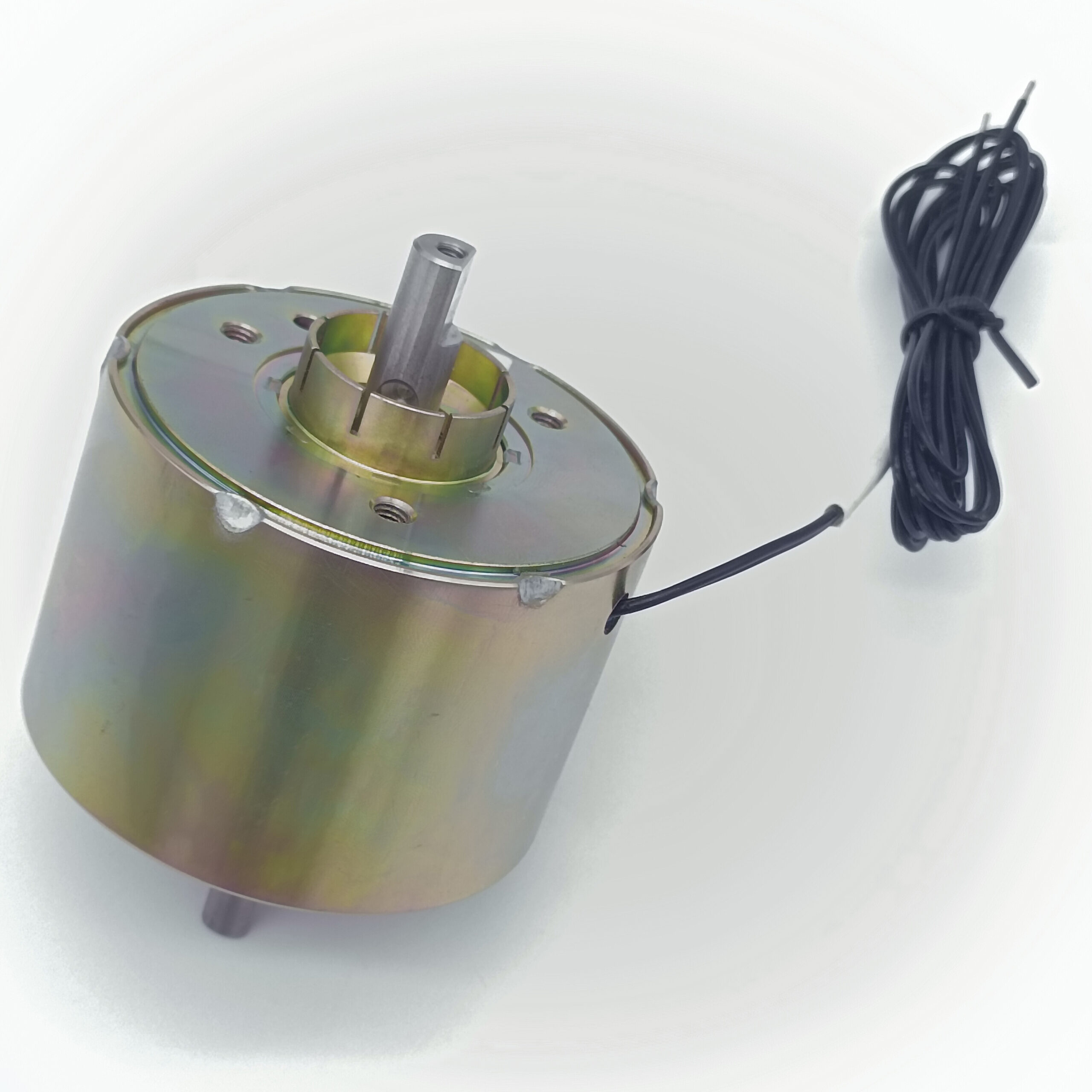
Nam châm điện convert electrical energy into controlled mechanical force through magnetic fields. In surgical robots, they actuate joints, adjust tools, and simulate tactile feedback. By modulating current flow, surgeons can achieve micron-level precision in movements—essential for procedures like microsurgery or tissue manipulation.
1.2 Key Components in Robotic Systems
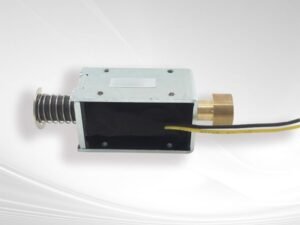
- Linear Actuators: Electromagnetic solenoids control linear motion for instrument positioning.
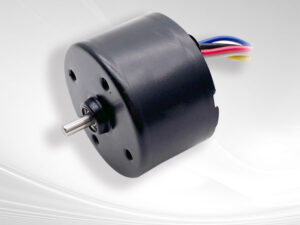
- Torque Motors: Generate rotational force for robotic arms, combining high torque with compact size.
- Haptic Feedback Systems: Use electromagnets to simulate resistance and texture, giving surgeons a “sense of touch” during operations.
- Latching Mechanisms: Secure tools or adjust tension without continuous power consumption.
1.3 Types of Electromagnets in Surgical Robotics
- Voice Coil Actuators (VCAs): Provide direct, frictionless motion for high-speed tool adjustments.
- Solenoid Valves: Regulate fluid or air flow in pneumatic/hydraulic end-effectors.
- Magnetic Levitation Systems: Enable contactless movement of tools, reducing wear and contamination risks.
2. Advantages of Electromagnets in Surgical Robotics
2.1 Sub-Millimeter Precision
Electromagnetic actuators achieve positional accuracy down to 10 microns, critical for procedures like corneal surgery or nerve repair. This precision minimizes collateral damage to healthy tissues.
2.2 Rapid Response Times
Nam châm điện operate in milliseconds, allowing real-time adjustments during dynamic tasks such as beating-heart surgery or laser ablation.
2.3 Enhanced Safety and Reliability
- Fail-Safe Mechanisms: Spring-loaded or redundant electromagnets ensure tools retract or lock during power failures.
- Sterility: Non-contact magnetic systems reduce particulate generation, maintaining sterile fields.
2.4 Compact and Lightweight Design
Miniaturized electromagnets enable slim, articulated robotic arms that navigate tight anatomical spaces, such as the brain or thoracic cavity.
2.5 Energy Efficiency
Latching electromagnets and energy-recovery circuits minimize power draw, crucial for portable or battery-powered surgical systems.
3. Applications of Electromagnets in Surgical Robots
3.1 Minimally Invasive Surgery (MIS)
Nam châm điện drive the wristed instruments of robots like the Da Vinci Surgical System, enabling seven degrees of freedom (DOF) for suturing, cutting, and dissection through tiny incisions.
Case Study: A hospital reduced post-op complications by 30% using electromagnetic-driven robots for prostatectomies, leveraging precise vessel sealing and reduced blood loss.
3.2 Neurosurgery
- Biopsy and Tumor Resection: Magnetic-guided catheters navigate brain vasculature with sub-millimeter accuracy.
- Deep Brain Stimulation (DBS): Electromagnetic actuators position electrodes for Parkinson’s treatment, avoiding critical neural structures.
3.3 Ophthalmology
- Retinal Surgery: Voice coil actuators adjust laser focus and instrument position in procedures requiring 5-micron precision.
- Cataract Removal: Electromagnetic phacoemulsification probes fragment lenses with controlled vibration.
3.4 Orthopedics
- Bone Cutting and Drilling: Electromagnetic torque motors ensure precise osteotomy angles in knee/hip replacements.
- Spinal Fusion: Robots use magnetic feedback to position screws without damaging spinal nerves.
3.5 Endoscopy and Cardiology
- Magnetic Steering: Electromagnets guide endoscopic capsules through the gastrointestinal tract.
- Catheter Ablation: Magnetic navigation systems direct catheters to arrhythmia sites in the heart.
4. Technical Challenges and Solutions of electromagnets
4.1 Heat Generation
Challenge: Prolonged use heats coils, causing thermal expansion and calibration drift.
Solution: Liquid-cooled actuators and high-temperature materials (e.g., ceramic-insulated coils).
4.2 Electromagnetic Interference (EMI)
Challenge: EMI from imaging systems (MRI, CT) disrupts robotic control.
Solution: Shielding with mu-metal enclosures and frequency-filtered circuits.
4.3 Sterility and Biocompatibility
Challenge: Ensuring materials withstand autoclaving and resist biofilm formation.
Solution: Medical-grade stainless steel, titanium coatings, and disposable magnetic tool tips.
4.4 Force Sensitivity
Challenge: Balancing high force for cutting with delicate touch for soft tissues.
Solution: Hybrid systems combining electromagnets and piezoelectric sensors for adaptive force feedback.
- Được xếp hạng 0 5 sao
- Được xếp hạng 0 5 sao
- Được xếp hạng 0 5 sao
- Được xếp hạng 0 5 sao

5.electromagnets Innovations Shaping the Future
5.1 AI-Integrated Electromagnetic Control
Machine learning algorithms analyze surgical video and sensor data to predict optimal tool trajectories, adjusting electromagnetic actuators in real time.
Example: An AI-driven robot autonomously sutures blood vessels by learning from thousands of expert-surgeon demonstrations.
5.2 Nanoscale Magnetic Actuators
Nano-electromagnets enable microbots for targeted drug delivery or plaque removal in arteries, controlled externally via MRI-guided magnetic fields.
5.3 Magnetic Particle Imaging (MPI)
Emerging MPI systems use electromagnets to track injected nanoparticles in real time, enhancing surgical navigation without radiation.
5.4 Self-Powered Systems
Energy-harvesting electromagnets capture kinetic energy from robotic movements, reducing reliance on external power sources.
5.5 Collaborative Robotics (Cobots)
Surgeons and robots share control via electromagnetic haptic interfaces, blending human intuition with machine precision.
6. Selecting Electromagnetic Solutions for Surgical Robots
6.1 Key Considerations
- Precision Requirements: Match actuator resolution to surgical tasks (e.g., 10 µm for microsurgery).
- Sterility Compliance: Ensure materials meet ISO 13485 and FDA biocompatibility standards.
- EMC Certification: Validate EMI/EMC performance to avoid interference with medical devices.
- Customization: Tailor force profiles, sizes, and control interfaces to OEM specifications.
6.2 Custom Solutions for Medical OEMs
As a manufacturer, we offer:
- Hermetic Sealing: For implants or in-body robotic tools.
- MRI-Compatible Actuators: Non-ferromagnetic designs for intraoperative MRI environments.
- Ultra-Compact VCAs: For handheld robotic scalpels or endoscopic tools.
Electromagnets—The Precision Partners of Surgical Innovation
Nam châm điện are indispensable in the evolution of surgical robotics, bridging the gap between human skill and machine accuracy. From enabling life-saving minimally invasive procedures to paving the way for autonomous nanobots, their role in medicine is both transformative and expanding.
As surgical robots advance toward greater autonomy and accessibility, the demand for smarter, smaller, and safer electromagnetic solutions will grow. For medical device manufacturers, partnering with an experienced electromagnet provider is critical to staying at the forefront of this revolution.
In the delicate dance of surgery, where every micron matters, electromagnets provide the perfect balance of power and precision—proving that even the smallest magnetic force can have an outsized impact on human health.
Giới thiệu về nhà máy sản xuất nam châm điện SF
Công ty TNHH Nam châm điện Shengfeng được thành lập năm 2015, tọa lạc tại Khu công nghiệp Tây Sa với cảnh quan đẹp và giao thông thuận tiện. Công ty có diện tích 16.000 mét vuông, sở hữu nhà máy sản xuất hiện đại, thiết bị sản xuất tiên tiến và đội ngũ kỹ thuật chất lượng cao. Từ khi thành lập, chúng tôi luôn tuân thủ triết lý doanh nghiệp “đổi mới, chất lượng và dịch vụ”, tập trung vào nghiên cứu và phát triển cũng như sản xuất các sản phẩm chất lượng cao. nam châm điện, Không ngừng thúc đẩy việc nâng cấp sản phẩm và tiến bộ công nghệ, đồng thời cung cấp cho khách hàng những sản phẩm và dịch vụ chất lượng tốt nhất.
Tại sao nên chọn nam châm điện SF?
CHẤT LƯỢNG CAO CẤP:Là nhà sản xuất nam châm điện solenoid hàng đầu tại Trung Quốc, đội ngũ kiểm soát chất lượng (QC) của chúng tôi cam kết đảm bảo mọi sản phẩm bạn nhận được đều đạt chất lượng tốt nhất. Chúng tôi sở hữu các thiết bị kiểm tra chất lượng chuyên dụng.
THIẾT KẾ SẢN PHẨM:Bộ phận làm mẫu của chúng tôi sở hữu quy trình hoàn chỉnh để hiện thực hóa các bản vẽ. Chúng tôi cũng sẽ cải tiến thiết kế sản phẩm của bạn dựa trên kinh nghiệm làm việc lâu năm. Hãy chia sẻ ý kiến của bạn với chúng tôi.
THỜI GIAN GIAO HÀNG ỔN ĐỊNH:Là nhà sản xuất và cung cấp nam châm điện hàng đầu, chúng tôi sở hữu năng lực sản xuất mạnh mẽ; ngay cả với những đơn hàng lớn, chúng tôi vẫn đảm bảo giao hàng đúng tiến độ cho quý khách.
GIÁ TỐT NHẤT:Chúng tôi là nhà máy sản xuất trực tiếp nam châm điện và là nhà sản xuất solenoid hàng đầu tại Trung Quốc; chính vì vậy, chúng tôi có thể cung cấp các sản phẩm chất lượng cao với mức giá tốt nhất.
QUẢN LÝ CHÍNH XÁC:Chúng ta sẽ không thể đạt được kết quả gì nếu không thực hiện công tác quản lý chặt chẽ. Chúng tôi là công ty sở hữu hệ thống quản lý toàn diện.
PHỤC VỤ 24/7:Là nhà sản xuất van điện từ hàng đầu, chúng tôi cung cấp dịch vụ phản hồi nhanh chóng 24/7: Chúng tôi sẽ tiếp nhận phản hồi của bạn để cải thiện chất lượng dịch vụ và trở thành nhà cung cấp tốt hơn. Liên hệ WhatsApp +86 18902611680
Câu hỏi thường gặp về nam châm điện
Chúng tôi là một công ty hàng đầu của Trung Quốc. nam châm điện Nhà sản xuất của chúng tôi đặt tại Đông Quan. Rất hân hạnh được đón tiếp quý khách đến thăm nhà máy!
Chúng tôi chuyên thiết kế và sản xuất các sản phẩm chất lượng cao. nam châm điện,van điện từ,chẳng hạn như nam châm điện quay, nam châm điện lưỡng ổn định, nam châm điện chốt, van điện từ khung hở, nam châm điện hình ống, van điện từ tự giữ
•Tất nhiên, thông thường chúng tôi sẽ cung cấp mẫu miễn phí, và bạn chỉ cần thanh toán phí vận chuyển. Đối với các mẫu nam châm điện tùy chỉnh, vui lòng gửi yêu cầu của bạn cho chúng tôi để kiểm tra chi phí mẫu.
• Quá trình sản xuất mẫu mất khoảng 7 ngày.
Vâng, chúng tôi cung cấp dịch vụ thiết kế miễn phí, thiết kế kết cấu và thiết kế đồ họa đơn giản.
Chắc chắn rồi. Chúng tôi có thể sản xuất bất kỳ loại nam châm điện nào theo thiết kế của bạn. Hiện tại, chúng tôi đang mở dịch vụ ODM cho nam châm điện từ số lượng nhỏ từ 100 đến 500 chiếc, nhưng bạn vẫn có thể sử dụng logo riêng của mình.
Tùy thuộc vào số lượng đặt hàng và chi tiết sản xuất, thời gian giao hàng sẽ vào khoảng 15 đến 20 ngày.
Luôn có mẫu thử trước khi sản xuất hàng loạt; Luôn kiểm tra cuối cùng trước khi giao hàng.
• Công suất, mục đích sử dụng, kích thước, chất liệu, số lượng, địa điểm giao hàng, v.v.
• Bạn cũng có thể cho chúng tôi biết yêu cầu của bạn và chúng tôi sẽ đề xuất sản phẩm phù hợp.
• Bằng đường biển, đường hàng không hoặc chuyển phát nhanh.
• Nếu bạn có đại lý giao nhận vận tải riêng tại Trung Quốc, đó là giá xuất xưởng hoặc giá FOB.
•CFR hoặc CIF, v.v., nếu bạn cần chúng tôi vận chuyển thay mặt bạn.
• DDP và DDU cũng có thể được sử dụng.
• Chúng tôi sẽ xem xét các lựa chọn của bạn nếu bạn có thêm nhiều sự lựa chọn khác.
• Giá cả được xác định bởi số lượng, chất liệu, phương pháp gia công, kích thước và các yếu tố khác. Ngoài ra, do sự phát triển liên tục của chúng tôi, giá cả được nâng cao.
Nhờ đổi mới công nghệ, giá cả một số sản phẩm của chúng tôi cực kỳ cạnh tranh, vui lòng liên hệ với chúng tôi để được báo giá.