









Zuletzt aktualisiert am 04.09.2025 von Magnetspulenfabrik
Aircraft doors are among the most safety-critical components in aviation. They must withstand extreme environmental conditions, rapid pressure changes, and rigorous operational demands—all while ensuring the security of passengers and crew. Traditional hydraulic and mechanical door systems have long dominated this space, but advancements in elektromagnetische Technologie are revolutionizing how aircraft doors operate. From lightweight, energy-efficient locking mechanisms to intelligent emergency release systems, Elektromagnete are setting new standards in aviation safety and reliability.
As a professional electromagnet manufacturer, we explore the transformative applications of electromagnetic systems in aircraft door control, the technical challenges they address, and their role in shaping the future of aviation engineering.
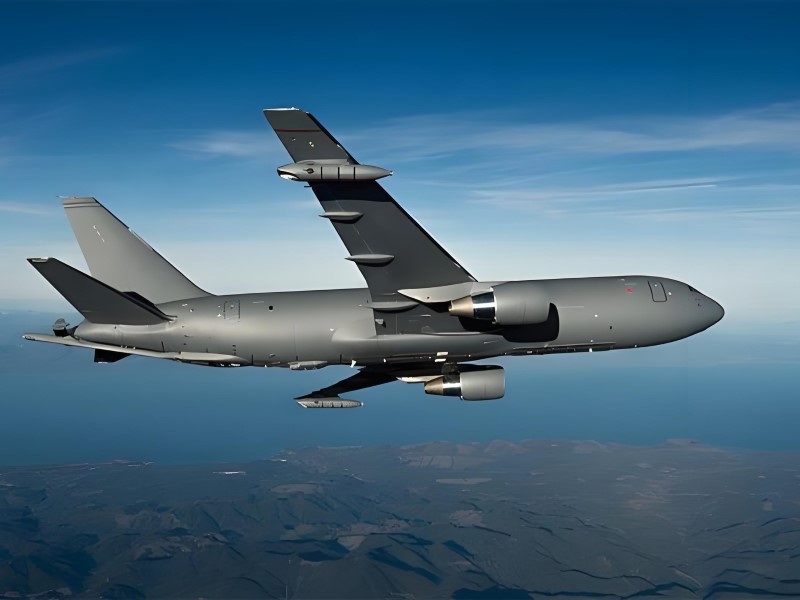
1. The Science of Electromagnetic Door Control
1.1 How Electromagnets Enhance Aircraft Door Systems
Elektromagnete convert electrical energy into precise mechanical force through controlled magnetic fields. In aircraft doors, they enable:
- Instant Actuation: Millisecond response times for locking/unlocking.
- Fail-Safe Operation: Spring-assisted or redundant mechanisms to ensure functionality during power loss.
- Adaptive Control: Integration with flight control systems to adjust door behavior based on altitude, pressure, or emergency scenarios.
1.2 Key Components in Electromagnetic Door Systems
- Solenoid Actuators: Generate linear or rotational motion to engage door locks.
- Verriegelungsmagnete: Hold doors securely during flight using permanent or electro-permanent designs.
- Sensors and Controllers: Monitor door status and synchronize with the aircraft’s avionics.
2. Core Applications in Aircraft Door Control
2.1 Cabin Door Locking Mechanisms
Aircraft cabin doors require robust locking systems to maintain cabin pressure and prevent accidental openings. Electromagnetic locks provide:
- Pressure-Sealing: Electromagnets apply uniform force to door seals, ensuring airtight closure even at 40,000 feet.
- Lightweight Design: Replacing hydraulic systems with electromagnets reduces door weight by up to 30%, improving fuel efficiency.
Case Study: For a next-gen narrow-body aircraft, we developed a titanium-core solenoid lock that withstands 10,000 psi differential pressure while weighing 50% less than traditional locks. The system achieved FAA certification and is now deployed in over 500 aircraft globally.
2.2 Emergency Exit Door Systems
Electromagnets enable rapid, automated deployment of emergency exits during evacuations:
- Instant Release: A single electrical pulse disengages locks, allowing doors to deploy inflatable slides in <3 seconds.
- Redundancy: Dual-coil solenoids ensure operation even if one coil fails.
Beispiel: During testing, an electromagnetic exit door system achieved a 100% success rate in simulated emergency scenarios, outperforming mechanical systems prone to jamming.
2.3 Cargo Door Automation
Freighter aircraft rely on electromagnets for heavy cargo door operations:
- Motorized Control: Electromagnetic actuators adjust door angles for loading/unloading, reducing manual labor.
- Load Sensing: Integrated Hall-effect sensors detect obstructions and halt movement to prevent damage.
2.4 Flight Deck Door Security
Reinforced electromagnetic locks protect flight decks from unauthorized access:
- Biometric Integration: Locks engage/disengage via fingerprint or retinal scans.
- Anti-Tamper Alerts: Magnetic field sensors trigger cockpit alarms if tampering is detected.
3. electromagnets Technical Challenges and Solutions
3.1 Extreme Environmental Conditions
Herausforderung: Aircraft doors face temperatures from -65°C (at altitude) to +70°C (on tarmac), humidity, and vibration.
Solutions:
- Cryogenic-Grade Materials: Austenitic stainless steel coils and armatures resist thermal contraction.
- Vibration Damping: Silicone-encapsulated solenoids absorb shocks from turbulence or landing impacts.
3.2 Power Reliability
Herausforderung: Power fluctuations or failures during flight could compromise door security.
Solutions:
- Energy Storage Modules: Supercapacitors provide backup power to locks for 30+ minutes.
- Latching Electromagnets: Use permanent magnets to maintain locked states without continuous power.
3.3 Electromagnetic Interference (EMI)
Herausforderung: EMI from onboard electronics disrupts solenoid operation.
Solutions:
- Shielded Enclosures: Mu-metal housings block external EMI.
- Frequency Modulation: Controllers operate solenoids at non-conflicting frequencies.
3.4 Certification and Compliance
Herausforderung: Meeting aviation standards like FAA Part 25, EASA CS-25, and DO-160 (Environmental Testing).
Solutions:
- Redundant Systems: Dual-coil actuators and fault-tolerant controllers meet SIL 3 (Safety Integrity Level) requirements.
- Accelerated Life Testing: Simulate 50,000 flight cycles to validate durability.
4. Innovations in Electromagnetic Door Technology
4.1 Smart Doors with IoT Integration
Next-gen aircraft doors use embedded IoT sensors to:
- Predict Maintenance Needs: Monitor coil resistance and armature wear, alerting crews before failures occur.
- Sync with Flight Phases: Automatically lock doors during takeoff/landing and adjust seals during pressurization.
Case Study: An airline reduced door-related delays by 70% after adopting IoT-enabled cargo doors that self-diagnosed seal degradation.
4.2 Shape-Memory Alloy (SMA) Actuators
SMAs combined with electromagnets enable self-adjusting locks:
- Thermal Compensation: SMAs counteract thermal expansion/contraction, maintaining seal integrity across temperatures.
4.3 Additive Manufacturing
3D-printed solenoid cores and lightweight frames optimize strength-to-weight ratios:
- Topology Optimization: AI-designed structures reduce weight by 40% while maintaining load capacity.
4.4 Hydrogen-Powered Aircraft Adaptations
For hydrogen-fueled aircraft, electromagnets are being redesigned with:
- Explosion-Proof Housings: Prevent sparks in hydrogen-rich environments.
- Non-Magnetic Alloys: Titanium or aluminum bodies to avoid interference with cryogenic fuel systems.
5. Case Studies: Electromagnets in Action
5.1 Case Study 1: Wide-Body Aircraft Emergency Exits
A manufacturer sought to replace hydraulic emergency door systems with electromagnetic solutions. Our design featured:
- Dual Redundant Coils: Ensured 100% reliability in failure-mode tests.
- Low-Power Actuation: Operated on 28V DC, compatible with aircraft electrical systems.
The system reduced evacuation time by 25% and cut maintenance costs by 60%.
5.2 Case Study 2: Military Transport Cargo Doors
A military contractor needed cargo doors resistant to sand, dust, and EMP (electromagnetic pulse) attacks. We delivered:
- IP69K-Rated Actuators: Withstood high-pressure washdowns and desert conditions.
- EMP-Hardened Controllers: Shielded circuits survived 50 kV/m pulse tests.
5.3 Case Study 3: Regional Jet Cabin Doors
A regional jet manufacturer prioritized weight reduction. Our carbon-fiber solenoid housings and aluminum cores cut door system weight by 120 kg per aircraft, saving 1.2 tons of fuel annually per plane.
6. Future Trends in Aircraft Door Electromagnets
6.1 Autonomous Door Systems
AI-powered doors will:
- Auto-Adjust to Passenger Flow: Use cameras and sensors to optimize boarding/deboarding.
- Predict Turbulence Responses: Pre-lock doors before severe turbulence events.
6.2 Energy-Harvesting Locks
Kinetic energy from door movements will recharge backup batteries, enhancing sustainability.
6.3 Quantum Magnetic Sensors
Quantum-based sensors will detect microscopic door seal leaks, improving pressurization efficiency.
7. Selecting Electromagnetic Solutions for Aviation
7.1 Key Selection Criteria
- Compliance: FAA/EASA certifications and DO-160 testing.
- Weight: Target <1.5 kg per actuator for narrow-body doors.
- Cycle Life: Minimum 50,000 operations without performance degradation.
7.2 Customization for OEM Needs
Als Hersteller bieten wir Folgendes an:
- Material Customization: Titanium, Inconel, or composites for specific environments.
- Voltage Compatibility: 28V DC, 115V AC, or hybrid systems.
- Rapid Prototyping: 3D-printed models for wind tunnel and pressure testing.
Electromagnets—Elevating Aviation Safety and Efficiency
Electromagnetic technology is redefining aircraft door control, merging unparalleled precision with the rigorous demands of aviation safety. From ensuring cabin pressure integrity to enabling split-second emergency responses, these systems are proving indispensable in modern aircraft design.
As the aviation industry advances toward greener, smarter, and more autonomous operations, Elektromagnete will play a pivotal role. For OEMs and airlines, partnering with an experienced Elektromagnethersteller is not just a technical decision—it’s a strategic investment in the future of flight.
In an industry where every gram and every millisecond counts, electromagnets are soaring to new heights—proving that even the smallest magnetic force can have a monumental impact on global aviation.
Über die SF-Elektromagnetfabrik
Shengfeng Electromagnet Co., Ltd. wurde 2015 gegründet und befindet sich im Industriepark Xiansha, der durch seine landschaftliche Schönheit und die hervorragende Verkehrsanbindung besticht. Das Unternehmen erstreckt sich über eine Fläche von 16.000 Quadratmetern und verfügt über moderne Produktionsanlagen, fortschrittliche Fertigungstechnik und ein hochqualifiziertes technisches Team. Seit unserer Gründung verfolgen wir konsequent die Unternehmensphilosophie “Innovation, Qualität und Service” und konzentrieren uns auf Forschung, Entwicklung und Produktion. Elektromagnete, Wir fördern ständig Produktverbesserungen und technologischen Fortschritt und bieten unseren Kunden Produkte und Dienstleistungen von höchster Qualität.
Warum sollte man sich für einen SF-Elektromagneten entscheiden?
HOHE QUALITÄT:Als führender Hersteller von Elektromagneten in China stellt unser Qualitätssicherungsteam sicher, dass jedes einzelne Produkt, das Sie erhalten, von höchster Qualität ist. Wir verfügen über professionelle Prüfgeräte für die Qualitätskontrolle.
PRODUKTDESIGN:Unsere Musterabteilung deckt den gesamten Prozess von der Zeichnung bis zur Realisierung ab. Zudem optimieren wir Ihr Produktdesign auf der Grundlage unserer langjährigen Erfahrung. Teilen Sie uns Ihre Meinung mit.
STABILE LIEFERZEIT:Als führender Hersteller und Lieferant von Elektromagneten verfügen wir über ausreichende Fertigungskapazitäten; auch Großaufträge stellen für uns kein Problem dar – wir liefern Ihre Bestellung pünktlich.
BESTER PREIS:Wir sind ein direkt produzierendes Werk für Elektromagnete und der führende Hersteller von Solenoiden in China; deshalb können wir hochwertige Produkte zu besten Preisen anbieten.
PRÄZISES MANAGEMENT:Ohne eine präzise Steuerung lässt sich nichts erreichen. Wir sind ein Unternehmen mit einem umfassenden Managementsystem.
24-Stunden-Service:Als führender Hersteller von Magnetventilen bieten wir Ihnen rund um die Uhr sofortige Hilfe: Wir freuen uns über Ihr Feedback, um uns stetig zu verbessern. Kontaktieren Sie uns. WhatsApp +86 18902611680
Häufig gestellte Fragen zu Elektromagneten
Wir sind ein chinesisches Top-Unternehmen Elektromagnet Der Hersteller und unser Werk befinden sich in Dongguan. Besuchen Sie uns gerne!
Wir sind spezialisiert auf die Entwicklung und Produktion von hochwertigen Produkten. Elektromagnet,Magnetventil,wie zum Beispiel Drehmagnet, bistabile Magnetspulen, Verriegelungsmagnete, offene Rahmenmagnete, Rohrmagnete, selbsthaltender Magnet
• Selbstverständlich stellen wir Ihnen in der Regel kostenlose Muster zur Verfügung; Sie müssen lediglich die Versandkosten übernehmen. Für kundenspezifische Elektromagnetmuster senden Sie uns bitte Ihre Anforderungen, damit wir die Musterkosten prüfen können.
• Die Anfertigung von Mustern dauert etwa 7 Tage.
Ja, wir bieten kostenlose Designleistungen, Strukturplanung und einfache Grafikgestaltung an.
Selbstverständlich. Wir können jeden Elektromagneten nach Ihren Vorgaben fertigen. Neu im Angebot ist die ODM-Solenoidproduktion für Kleinserien von 100 bis 500 Stück. Auch hier können Sie Ihr eigenes Logo verwenden.
Je nach Bestellmenge und Produktionsdetails dauert es etwa 15 bis 20 Tage.
Vor der Serienproduktion wird stets ein Vorserienmuster gefertigt; vor dem Versand erfolgt stets eine Endkontrolle.
• Leistung, Verwendungszweck, Größe, Material, Menge, Lieferort usw.
• Sie können uns auch einfach Ihre Anforderungen mitteilen, und wir werden Ihnen Produkte empfehlen.
• Auf dem Seeweg, auf dem Luftweg oder per Express.
• Wenn Sie einen eigenen Spediteur in China haben, gilt der Preis ab Werk (FOB).
•CFR oder CIF usw., falls Sie den Versand durch uns in Ihrem Namen wünschen.
• DDP und DDU können ebenfalls verwendet werden.
• Mehr Auswahlmöglichkeiten, wir werden Ihre Wünsche berücksichtigen.
Der Preis richtet sich nach Menge, Material, Verarbeitungsmethode, Größe und weiteren Faktoren. Darüber hinaus trägt unsere kontinuierliche
Aufgrund technologischer Innovationen sind die Preise einiger unserer Produkte äußerst wettbewerbsfähig. Bitte kontaktieren Sie uns für ein Angebot.