









آخر تحديث بتاريخ 2025-09-04 بواسطة مصنع الملف اللولبي
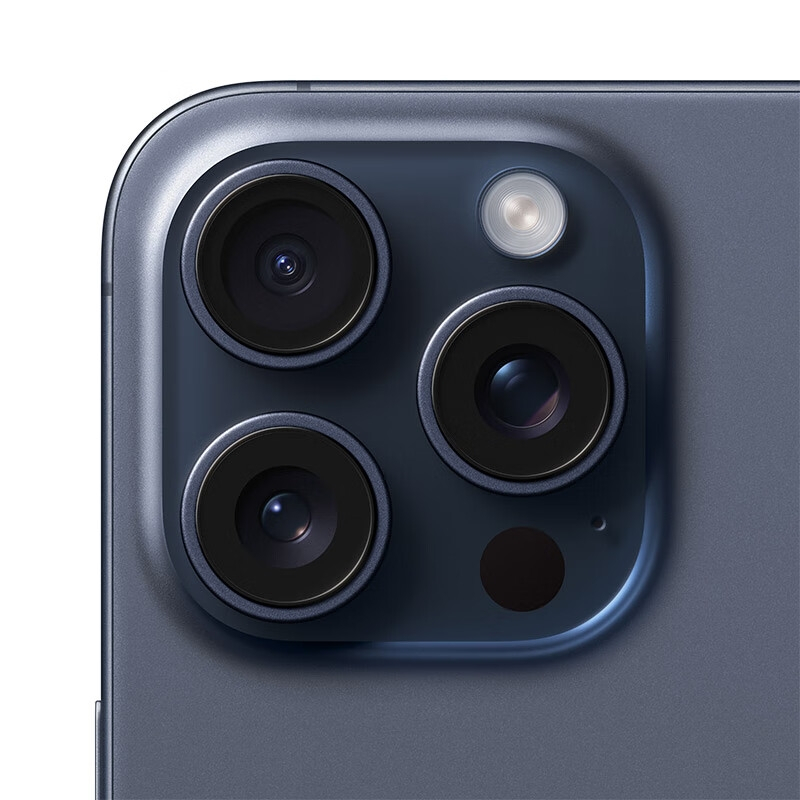
The evolution of smartphone cameras from rudimentary sensors to sophisticated imaging systems has redefined photography for billions of users. Central to this transformation are المغناطيسات الكهربائية —tiny yet powerful components that enable autofocus (AF), optical image stabilization (OIS), and advanced features like variable apertures. As a professional electromagnet manufacturer, we delve into the critical role of electromagnetic technology in smartphone camera modules, exploring its applications, customization challenges, and the innovations driving the future of mobile photography.
1. The Science of Electromagnetic Control in Camera Modules
1.1 How Electromagnets Enable Precision Movement
Electromagnets convert electrical energy into controlled mechanical motion through magnetic fields. In camera modules, they adjust lens positions, stabilize images, and enable multifunctional features. Key components include:
- Voice Coil Motors (VCMs): The most common electromagnetic actuators for autofocus and OIS.
- Magnetic Levitation Systems: Contactless lens control for ultra-smooth motion.
- Hybrid Actuators: Combine electromagnets with piezoelectric or shape-memory alloys for multi-axis adjustments.
1.2 Key Requirements for Smartphone Electromagnets
- Miniaturization: Actuators must fit within modules as thin as 5mm.
- Low Power Consumption: Critical for battery life in always-on camera systems.
- High Precision: Sub-micron positioning accuracy for sharp focus.
- Durability: Resistance to shock, temperature swings, and electromagnetic interference (EMI).
2. Core Applications of Electromagnets in Camera Modules
2.1 Autofocus (AF) Systems
Voice Coil Motors (VCMs) dominate smartphone AF systems. When current flows through the coil, it generates a magnetic field that moves a lens carrier along the optical axis. Modern VCMs achieve focus locks in <200ms, even in low light.
Case Study: A flagship smartphone brand partnered with us to develop a dual-coil VCM for its 108MP main camera. The design reduced focus latency by 30% while consuming 20% less power than conventional single-coil systems.
2.2 Optical Image Stabilization (OIS)
OIS counters handshake by shifting lenses or sensors electromagnetically. Closed-loop VCMs use Hall sensors to provide real-time feedback, enabling precise compensation for angular and translational motion.
Example: A leading OEM integrated our 4-axis OIS actuator (pitch, yaw, X, Y shifts) into its ultra-wide camera, achieving 5° of shake correction—2x better than traditional 2-axis systems.
2.3 Variable Aperture Mechanisms
High-end smartphones use electromagnets to adjust aperture blades, mimicking DSLR-like depth-of-field control. A stepper motor-VCM hybrid moves blades in 1/1000th-second increments, enabling transitions from f/1.6 to f/2.4 for optimal exposure.
2.4 Periscope Zoom Modules
Periscope lenses rely on 90° folded optics to achieve 10x optical zoom. Electromagnets position the prism and lenses with nanometer precision, compensating for alignment errors caused by thermal expansion.
Case Study: For a 10x periscope module, we designed a dual-stage VCM with a 2mm stroke length, enabling seamless switching between optical and hybrid zoom modes.
2.5 Multi-Camera Switching
Electromagnets align lenses in pop-up or sliding camera arrays. For example, a magnetic latching system locks the front-facing camera in place when retracted, preventing dust ingress.
3. Customization Challenges and Solutions
3.1 Space Constraints
Challenge: Shrinking module heights (<4mm in 2024) demand ultra-thin actuators.
Solution:
- Flat Wire Coils: Replace round wires with rectangular cross-sections, reducing coil thickness by 40%.
- Stacked Magnets: Arrange neodymium magnets in Halbach arrays to maximize field strength in minimal space.
3.2 Power Efficiency
Challenge: Always-ready cameras drain batteries.
Solution:
- Latching Mechanisms: Use permanent magnets to hold lens positions without power.
- Energy Recovery Circuits: Capture back-EMF during coil deactivation to recharge auxiliary capacitors.
3.3 Thermal Management
Challenge: Heat from processors and wireless charging degrades magnetic performance.
Solution:
- High-Temperature Alloys: Cores made of samarium-cobalt (SmCo) retain magnetism at 150°C.
- Phase-Change Materials (PCMs): Absorb and dissipate heat around coils.
3.4 Durability in Harsh Conditions
Challenge: Sand, dust, and humidity in rugged smartphones.
Solution:
- Hermetic Sealing: Laser-welded stainless steel housings with IP68-rated seals.
- Self-Cleaning Coatings: Hydrophobic films prevent debris adhesion on lens carriers.


4. Cutting-Edge Innovations in Camera Electromagnets
4.1 AI-Driven Autofocus
Machine learning algorithms predict focus trajectories based on scene content. AI-optimized VCMs pre-position lenses before the shutter button is pressed, reducing focus latency to near zero.
Example: A smartphone’s AI recognizes a pet’s movement pattern, adjusting the VCM to track its eyes continuously.
4.2 Magnetic Levitation for Ultra-Smooth OIS
MagLev OIS suspends lenses using opposing electromagnets, eliminating mechanical friction. This enables 10x finer stabilization than spring-based systems, ideal for 8K video recording.
4.3 Tunable Liquid Lenses
Emerging liquid lenses use electromagnets to deform ferrofluid droplets, enabling focus without moving parts. A magnetic field gradient shapes the droplet’s curvature, achieving focus shifts in <1ms.
4.4 Foldable Phone Cameras
Flexible Electromagnetic Actuators: Thin-film coils printed on polyimide substrates allow cameras to bend with foldable screens.
5. Real-World Customization Case Studies
5.1 Case Study 1: Ultra-Low-Light Camera for Night Photography
A manufacturer sought to improve low-light performance for its flagship model. We developed a high-torque VCM with a 50% stronger magnetic circuit, enabling longer exposure shots without motion blur. The actuator’s 0.5µm step resolution allowed precise focus stacking, merging 10 images in real time for noise-free night shots.
5.2 Case Study 2: Under-Display Camera (UDC) Module
For a UDC system, we designed a transparent electromagnetic actuator using indium tin oxide (ITO) coils. The invisible coils allowed 85% light transmittance through the display while providing 0.1g·cm torque for focus adjustments.
5.3 Case Study 3: Action Camera with 360° Stabilization
A rugged action phone required stabilization beyond traditional OIS. Our 3D MagLev system used six electromagnets to float the entire sensor assembly, compensating for 360° motion during extreme sports.
6. Future Trends in Camera Electromagnets
6.1 Quantum Dot-Assisted Actuators
Quantum dots embedded in coils enable self-sensing actuators. Magnetic field changes alter dot luminescence, providing contactless position feedback without Hall sensors.
6.2 Graphene-Coated Coils
Graphene’s high conductivity and flexibility allow coils to handle 3x higher currents, boosting actuator speed without overheating.
6.3 Biometric Imaging
Hyperspectral cameras for health monitoring (e.g., blood oxygen, glucose) will require electromagnets to tune filters across IR and visible spectra.
Electromagnets—Focusing on the Future of Mobile Imaging
المغناطيسات الكهربائية are the unsung heroes of smartphone photography, enabling the precision and versatility that users now demand. From AI-driven autofocus to MagLev stabilization, their role in pushing the boundaries of mobile imaging is undeniable.
For smartphone manufacturers, partnering with an electromagnet specialist is key to overcoming customization hurdles and unlocking next-gen camera capabilities. As AI, materials science, and quantum technologies converge, electromagnetic actuators will remain at the forefront—ensuring that every shot, from macro to moon, is nothing short of perfect.
In a world where every smartphone doubles as a professional camera, electromagnets prove that even the smallest magnetic force can capture the grandest moments.
نبذة عن مصنع المغناطيسات الكهربائية SF
تأسست شركة شينغفنغ للإلكترومغناطيس المحدودة عام 2015، وتقع في مجمع شيانشا الصناعي ذي المناظر الخلابة والموقع المتميز بسهولة الوصول إليه. تمتد الشركة على مساحة 16000 متر مربع، وتضم مصانع إنتاج حديثة، ومعدات إنتاج متطورة، وفريقًا فنيًا عالي الكفاءة. منذ تأسيسها، التزمت الشركة بفلسفة "الابتكار والجودة والخدمة"، مع التركيز على البحث والتطوير والإنتاج. المغناطيسات الكهربائية, ، والترويج المستمر لتحديثات المنتجات والتقدم التكنولوجي، وتزويد العملاء بأفضل المنتجات والخدمات جودة.
لماذا تختار المغناطيس الكهربائي SF
جودة عالية:بصفتنا أفضل مصنّع للمغناطيسات الكهربائية ذات الملفات اللولبية في الصين، يضمن فريق مراقبة الجودة لدينا أن كل منتج تتلقاه يتمتع بأعلى جودة. لدينا أجهزة اختبار جودة احترافية.
تصميم المنتج:يمتلك قسم العينات لدينا عملية متكاملة لتحويل الرسومات إلى واقع ملموس، كما نعمل على تحسين تصميم منتجك استناداً إلى خبرتنا العملية الممتدة لسنوات. شاركنا رأيك.
وقت تسليم ثابت:بصفتنا الشركة الرائدة في تصنيع وتوريد المغناطيسات الكهربائية، فإننا نمتلك قدرة تصنيعية هائلة تتيح لنا تلبية الطلبيات الكبيرة بكفاءة تامة، مع ضمان التسليم في الموعد المحدد.
أفضل سعر:نحن المصنع المباشر والمصدر للمغناطيسات الكهربائية، ونُعد أفضل شركة مصنعة للملفات اللولبية (Solenoids) في الصين؛ ولهذا السبب يمكننا تقديم منتجات عالية الجودة بأفضل الأسعار.
إدارة دقيقة:لا يمكن تحقيق أي شيء ما لم نطبق إدارة دقيقة؛ فنحن شركة تمتلك نظاماً إدارياً متكاملاً.
خدمة على مدار الساعة طوال أيام الأسبوع:بصفتنا أفضل مصنّع للملفات اللولبية، نوفر استجابة فورية على مدار الساعة: سنستقبل ملاحظاتكم لنصبح موردًا أفضل. تواصلوا معنا واتساب +86 18902611680
الأسئلة الشائعة حول المغناطيس الكهربائي
نحن شركة صينية رائدة مغناطيس كهربائي يقع مصنعنا في دونغقوان. نرحب بزيارتكم لمصنعنا!
نحن متخصصون في تصميم وإنتاج منتجات عالية الجودة مغناطيس كهربائي,صمام الملف اللولبي,،مثل الملف اللولبي الدوار،, الملفات اللولبية ثنائية الاستقرار, ملفات لولبية للإغلاق, ملفات لولبية مفتوحة الإطار, الملفات اللولبية الأنبوبية, ملف لولبي ذاتي التثبيت
• عادةً ما نقدم عينات مجانية، وما عليك سوى تغطية تكاليف الشحن. أما بالنسبة لعينات المغناطيس الكهربائي المصممة حسب الطلب، فيرجى إرسال متطلباتك إلينا للتحقق من تكلفة العينة.
• يستغرق إنتاج العينة حوالي 7 أيام.
نعم، نحن نقدم خدمات تصميم مجانية، وتصميم هيكلي، وتصميم جرافيكي بسيط.
بالتأكيد. يمكننا تصنيع أي مغناطيس كهربائي بتصميمك. نقدم الآن خدمة تصنيع الملفات اللولبية حسب الطلب (ODM) بكميات صغيرة تتراوح من 100 إلى 500 قطعة، ولكن يمكنك إضافة شعارك الخاص.
اعتمادًا على كمية الطلب وتفاصيل الإنتاج، سيستغرق الأمر حوالي 15 إلى 20 يومًا.
يتم دائمًا إجراء عينة ما قبل الإنتاج قبل بدء الإنتاج بكميات كبيرة؛ ويتم دائمًا إجراء فحص نهائي قبل الشحن.
• الطاقة، والاستخدام، والحجم، والمادة، والكمية، ووجهة الشحن، إلخ.
• يمكنك أيضًا إخبارنا بمتطلباتك وسنوصي لك بالمنتجات المناسبة.
• عن طريق البحر أو الجو أو البريد السريع.
• إذا كان لديك وكيل شحن خاص بك في الصين، فسيكون السعر هو سعر المصنع أو سعر FOB.
•CFR أو CIF، إلخ، إذا كنت بحاجة إلينا للشحن نيابة عنك.
• يمكن استخدام DDP و DDU أيضًا.
• المزيد من الخيارات، سنأخذ خياراتك بعين الاعتبار.
• يتحدد السعر بناءً على الكمية والمادة وطريقة المعالجة والحجم وعوامل أخرى. بالإضافة إلى ذلك، وبفضل جهودنا المستمرة
بفضل الابتكار التكنولوجي، تتميز أسعار بعض منتجاتنا بتنافسيتها العالية، لذا يرجى الاتصال بنا للحصول على عرض أسعار.