









Son güncelleme tarihi: 2025-09-04. SolenoidFactory
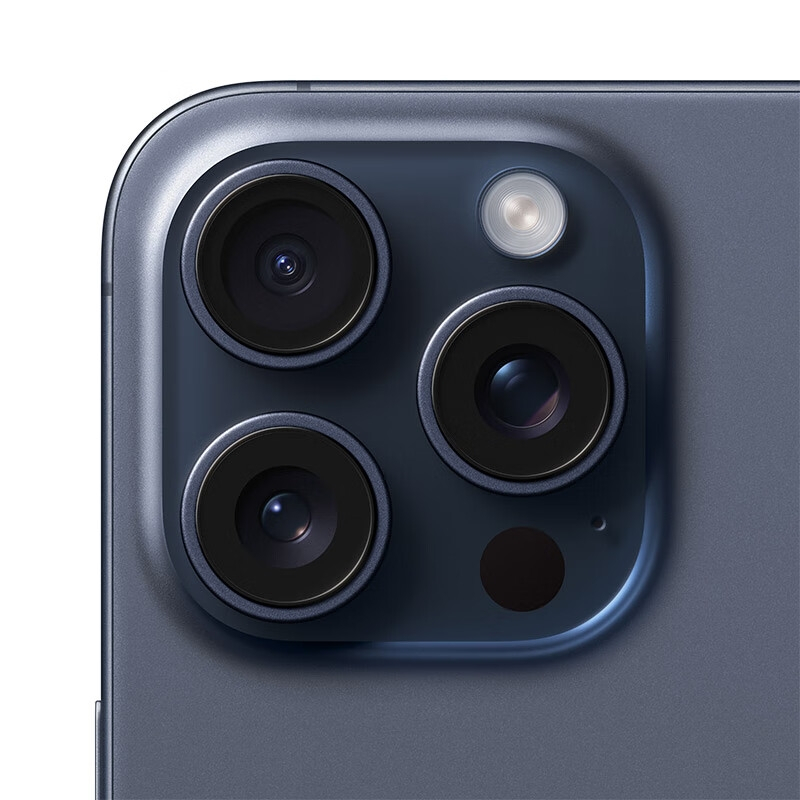
The evolution of smartphone cameras from rudimentary sensors to sophisticated imaging systems has redefined photography for billions of users. Central to this transformation are elektromıknatıslar —tiny yet powerful components that enable autofocus (AF), optical image stabilization (OIS), and advanced features like variable apertures. As a professional electromagnet manufacturer, we delve into the critical role of electromagnetic technology in smartphone camera modules, exploring its applications, customization challenges, and the innovations driving the future of mobile photography.
1. The Science of Electromagnetic Control in Camera Modules
1.1 How Electromagnets Enable Precision Movement
Electromagnets convert electrical energy into controlled mechanical motion through magnetic fields. In camera modules, they adjust lens positions, stabilize images, and enable multifunctional features. Key components include:
- Voice Coil Motors (VCMs): The most common electromagnetic actuators for autofocus and OIS.
- Magnetic Levitation Systems: Contactless lens control for ultra-smooth motion.
- Hybrid Actuators: Combine electromagnets with piezoelectric or shape-memory alloys for multi-axis adjustments.
1.2 Key Requirements for Smartphone Electromagnets
- Minyatürleştirme: Actuators must fit within modules as thin as 5mm.
- Low Power Consumption: Critical for battery life in always-on camera systems.
- High Precision: Sub-micron positioning accuracy for sharp focus.
- Dayanıklılık: Resistance to shock, temperature swings, and electromagnetic interference (EMI).
2. Core Applications of Electromagnets in Camera Modules
2.1 Autofocus (AF) Systems
Voice Coil Motors (VCMs) dominate smartphone AF systems. When current flows through the coil, it generates a magnetic field that moves a lens carrier along the optical axis. Modern VCMs achieve focus locks in <200ms, even in low light.
Case Study: A flagship smartphone brand partnered with us to develop a dual-coil VCM for its 108MP main camera. The design reduced focus latency by 30% while consuming 20% less power than conventional single-coil systems.
2.2 Optical Image Stabilization (OIS)
OIS counters handshake by shifting lenses or sensors electromagnetically. Closed-loop VCMs use Hall sensors to provide real-time feedback, enabling precise compensation for angular and translational motion.
Example: A leading OEM integrated our 4-axis OIS actuator (pitch, yaw, X, Y shifts) into its ultra-wide camera, achieving 5° of shake correction—2x better than traditional 2-axis systems.
2.3 Variable Aperture Mechanisms
High-end smartphones use electromagnets to adjust aperture blades, mimicking DSLR-like depth-of-field control. A stepper motor-VCM hybrid moves blades in 1/1000th-second increments, enabling transitions from f/1.6 to f/2.4 for optimal exposure.
2.4 Periscope Zoom Modules
Periscope lenses rely on 90° folded optics to achieve 10x optical zoom. Electromagnets position the prism and lenses with nanometer precision, compensating for alignment errors caused by thermal expansion.
Case Study: For a 10x periscope module, we designed a dual-stage VCM with a 2mm stroke length, enabling seamless switching between optical and hybrid zoom modes.
2.5 Multi-Camera Switching
Electromagnets align lenses in pop-up or sliding camera arrays. For example, a magnetic latching system locks the front-facing camera in place when retracted, preventing dust ingress.
3. Customization Challenges and Solutions
3.1 Space Constraints
Challenge: Shrinking module heights (<4mm in 2024) demand ultra-thin actuators.
Solution:
- Flat Wire Coils: Replace round wires with rectangular cross-sections, reducing coil thickness by 40%.
- Stacked Magnets: Arrange neodymium magnets in Halbach arrays to maximize field strength in minimal space.
3.2 Power Efficiency
Challenge: Always-ready cameras drain batteries.
Solution:
- Latching Mechanisms: Use permanent magnets to hold lens positions without power.
- Energy Recovery Circuits: Capture back-EMF during coil deactivation to recharge auxiliary capacitors.
3.3 Thermal Management
Challenge: Heat from processors and wireless charging degrades magnetic performance.
Solution:
- High-Temperature Alloys: Cores made of samarium-cobalt (SmCo) retain magnetism at 150°C.
- Phase-Change Materials (PCMs): Absorb and dissipate heat around coils.
3.4 Durability in Harsh Conditions
Challenge: Sand, dust, and humidity in rugged smartphones.
Solution:
- Hermetic Sealing: Laser-welded stainless steel housings with IP68-rated seals.
- Self-Cleaning Coatings: Hydrophobic films prevent debris adhesion on lens carriers.
- 5 üzerinden 0 oy aldı
- 5 üzerinden 0 oy aldı
- 5 üzerinden 0 oy aldı
- 5 üzerinden 0 oy aldı


4. Cutting-Edge Innovations in Camera Electromagnets
4.1 AI-Driven Autofocus
Machine learning algorithms predict focus trajectories based on scene content. AI-optimized VCMs pre-position lenses before the shutter button is pressed, reducing focus latency to near zero.
Example: A smartphone’s AI recognizes a pet’s movement pattern, adjusting the VCM to track its eyes continuously.
4.2 Magnetic Levitation for Ultra-Smooth OIS
MagLev OIS suspends lenses using opposing electromagnets, eliminating mechanical friction. This enables 10x finer stabilization than spring-based systems, ideal for 8K video recording.
4.3 Tunable Liquid Lenses
Emerging liquid lenses use electromagnets to deform ferrofluid droplets, enabling focus without moving parts. A magnetic field gradient shapes the droplet’s curvature, achieving focus shifts in <1ms.
4.4 Foldable Phone Cameras
Flexible Electromagnetic Actuators: Thin-film coils printed on polyimide substrates allow cameras to bend with foldable screens.
5. Real-World Customization Case Studies
5.1 Case Study 1: Ultra-Low-Light Camera for Night Photography
A manufacturer sought to improve low-light performance for its flagship model. We developed a high-torque VCM with a 50% stronger magnetic circuit, enabling longer exposure shots without motion blur. The actuator’s 0.5µm step resolution allowed precise focus stacking, merging 10 images in real time for noise-free night shots.
5.2 Case Study 2: Under-Display Camera (UDC) Module
For a UDC system, we designed a transparent electromagnetic actuator using indium tin oxide (ITO) coils. The invisible coils allowed 85% light transmittance through the display while providing 0.1g·cm torque for focus adjustments.
5.3 Case Study 3: Action Camera with 360° Stabilization
A rugged action phone required stabilization beyond traditional OIS. Our 3D MagLev system used six electromagnets to float the entire sensor assembly, compensating for 360° motion during extreme sports.
6. Future Trends in Camera Electromagnets
6.1 Quantum Dot-Assisted Actuators
Quantum dots embedded in coils enable self-sensing actuators. Magnetic field changes alter dot luminescence, providing contactless position feedback without Hall sensors.
6.2 Graphene-Coated Coils
Graphene’s high conductivity and flexibility allow coils to handle 3x higher currents, boosting actuator speed without overheating.
6.3 Biometric Imaging
Hyperspectral cameras for health monitoring (e.g., blood oxygen, glucose) will require electromagnets to tune filters across IR and visible spectra.
Electromagnets—Focusing on the Future of Mobile Imaging
Elektromıknatıslar are the unsung heroes of smartphone photography, enabling the precision and versatility that users now demand. From AI-driven autofocus to MagLev stabilization, their role in pushing the boundaries of mobile imaging is undeniable.
For smartphone manufacturers, partnering with an electromagnet specialist is key to overcoming customization hurdles and unlocking next-gen camera capabilities. As AI, materials science, and quantum technologies converge, electromagnetic actuators will remain at the forefront—ensuring that every shot, from macro to moon, is nothing short of perfect.
In a world where every smartphone doubles as a professional camera, electromagnets prove that even the smallest magnetic force can capture the grandest moments.
SF elektromıknatıs fabrikası hakkında
Shengfeng Elektromanyetik Şirketi, 2015 yılında kurulmuş olup, güzel manzarası ve elverişli ulaşım olanaklarıyla Xiansha Sanayi Parkı'nda yer almaktadır. Şirket, 16.000 metrekarelik bir alanı kapsamakta olup, modern üretim tesislerine, gelişmiş üretim ekipmanlarına ve yüksek kaliteli bir teknik ekibe sahiptir. Kuruluşundan bu yana, "yenilik, kalite ve hizmet" kurumsal felsefesine her zaman bağlı kalarak, araştırma ve geliştirme ile üretime odaklanmıştır. elektromıknatıslar, Sürekli olarak ürün geliştirmelerini ve teknolojik ilerlemeyi teşvik ederek, müşterilere en kaliteli ürün ve hizmetleri sunmak.
SF elektromıknatısını neden seçmelisiniz?
ÜST DÜZEY KALİTE:Çin'in en iyi solenoid elektromıknatıs üreticisi olarak, kalite kontrol ekibimiz teslim aldığınız her bir ürünün en yüksek kalitede olmasını garanti eder. Profesyonel kalite test cihazlarına sahibiz.
ÜRÜN TASARIMI:Numune departmanımız, teknik çizimleri gerçeğe dönüştürme sürecini uçtan uca yürütmektedir. Ayrıca, yıllara dayanan deneyimimizden yola çıkarak ürün tasarımınızı geliştiriyoruz. Düşüncelerinizi bizimle paylaşın.
İSTİKRARLI TESLİMAT SÜRESİ:En iyi elektromıknatıs üreticisi ve tedarikçisi olarak yeterli üretim kapasitesine sahibiz; büyük siparişler bizi zorlamaz, siparişinizi yine de zamanında teslim edebiliriz.
EN İYİ FİYAT:Biz bir elektromıknatıs üretim fabrikası ve Çin'in en iyi solenoid üreticisiyiz; işte bu sayede en iyi fiyatlarla yüksek kaliteli ürünler sunabiliyoruz.
HASSAS YÖNETİM:Hassas bir yönetim uygulamadığımız sürece hiçbir şey başarılamaz. Biz, eksiksiz bir yönetim sistemine sahip bir şirketiz.
7/24 HİZMET:En iyi solenoid üreticisi olarak, 7/24 anında yanıt: Daha iyi bir tedarikçi olmamız için geri bildirimlerinizi alacağız. İletişime geçin. WhatsApp +86 18902611680
Elektromıknatısla ilgili Sıkça Sorulan Sorular
Biz Çin'in önde gelen şirketlerinden biriyiz. elektromıknatıs Üreticiyiz ve fabrikamız Dongguan'da bulunmaktadır. Fabrikamızı ziyaret etmenizi bekliyoruz!
Yüksek kaliteli tasarım ve üretim konusunda uzmanlaşmış bir firmayız. elektromıknatıs,selenoid valf,örneğin döner solenoid, çift kararlı solenoidler, kilitleme solenoidleri, açık çerçeveli solenoidler, borulu solenoidler, kendinden tutucu solenoid
•Elbette, genellikle ücretsiz numuneler sağlıyoruz ve sadece kargo ücretini karşılamanız gerekiyor. Özel elektromıknatıs numuneleri için lütfen numune maliyetini kontrol edebilmemiz için gereksinimlerinizi bize gönderin.
• Numune üretimi yaklaşık 7 gün sürer.
Evet, ücretsiz tasarım hizmetleri, yapısal tasarım ve basit grafik tasarım hizmetleri sunuyoruz.
Elbette. İstediğiniz herhangi bir elektromıknatısı tasarımınıza göre üretebiliriz. Şu anda 100 ila 500 adetlik küçük miktarlar için ODM solenoid üretimi yapıyoruz, ancak yine de kendi logonuzu kullanabilirsiniz.
Sipariş miktarına ve üretim detaylarına bağlı olarak, yaklaşık 15 ila 20 gün sürecektir.
Seri üretimden önce mutlaka ön üretim numunesi alınır; sevkiyat öncesinde mutlaka son kontrol yapılır.
• Güç, kullanım, boyut, malzeme, miktar, sevkiyat adresi vb.
• Ayrıca ihtiyaçlarınızı bize bildirmeniz de yeterli; biz de size ürünler önereceğiz.
• Deniz yoluyla, hava yoluyla veya ekspres kargo ile.
• Eğer Çin'de kendi nakliye firmanız varsa, fiyat fabrika çıkış fiyatı veya FOB fiyatıdır.
•CFR veya CIF vb., sizin adınıza sevkiyat yapmamızı istiyorsanız.
• DDP ve DDU da kullanılabilir.
• Daha fazla seçenek, tercihlerinizi değerlendireceğiz.
• Fiyat, miktar, malzeme, işleme yöntemi, boyut ve diğer faktörlere bağlı olarak belirlenir. Ayrıca, sürekli gelişimimiz nedeniyle...
Teknolojik yenilikler sayesinde bazı ürünlerimizin fiyatları son derece rekabetçidir, fiyat teklifi almak için lütfen bizimle iletişime geçin.