









Cập nhật lần cuối vào ngày 04/09/2025 bởi Nhà máy Solenoid
Từ những thí nghiệm đầu tiên của Hans Christian Ørsted và Michael Faraday đến các ứng dụng tiên tiến ngày nay trong điện toán lượng tử và năng lượng nhiệt hạch, nam châm điện đã là công cụ không thể thiếu trong quá trình tiến hóa công nghệ của nhân loại. Khi các ngành công nghiệp đòi hỏi hiệu quả, độ chính xác và tính bền vững cao hơn, công nghệ điện từ đang trải qua một thời kỳ phục hưng. Blog này khám phá những xu hướng chuyển đổi đang định hình tương lai của nam châm điện, Từ những đột phá trong khoa học vật liệu đến các thiết kế dựa trên trí tuệ nhân tạo, và những tác động của chúng đối với các ngành công nghiệp từ năng lượng tái tạo đến chăm sóc sức khỏe.

1. Material Science Revolution: Building Better electromagnet
1.1 High-Temperature Superconductors (HTS)
Superconducting electromagnet, which operate with zero electrical resistance, are no longer confined to niche cryogenic applications. Advances in High-Temperature Superconductors (HTS) like REBCO (Rare Earth Barium Copper Oxide) tapes are pushing operational temperatures above 77 K (-196°C), eliminating the need for costly liquid helium cooling.
Key Developments:
- Fusion Energy: ITER’s toroidal field coils use HTS tapes to confine plasma at 150 million°C.
- MagLev Trains: Japan’s SCMaglev employs HTS magnets for frictionless travel at 600+ km/h.
- Energy Storage: SMES (Superconducting Magnetic Energy Storage) systems achieve 95% efficiency for grid stabilization.
Challenges:
- Cost of HTS materials (~20/meter for REBCO vs. 0.10/meter for copper).
- Mechanical brittleness and complex manufacturing.
1.2 Rare Earth-Free Permanent Magnets
The global reliance on rare earth elements (e.g., neodymium, dysprosium) is unsustainable. Researchers are pioneering alternatives:
- Mn-Al-C Alloys: Offer 70% of NdFeB’s magnetic strength but with zero rare earth content.
- Ferrite Nanocomposites: Enhanced via nanostructuring to rival traditional magnets.
Nghiên cứu trường hợp:
A European wind turbine manufacturer reduced dysprosium usage by 90% using Mn-Al-C magnets, cutting costs by $50K per turbine.
1.3 Soft Magnetic Composites (SMCs)
SMCs, made from iron powder insulated with polymers, enable 3D flux paths and reduced eddy current losses.
Các ứng dụng:
- EV Motors: Tesla’s next-gen motors use SMCs for 10% higher torque density.
- High-Frequency Transformers: Enable compact, 1 MHz+ power converters for 5G infrastructure.
2. Intelligent Electromagnet: The Rise of Smart Systems
2.1 AI-Optimized Design
Machine learning algorithms are revolutionizing electromagnet design:
- Tối ưu hóa cấu trúc liên kết: AI generates fractal-like core shapes that reduce weight by 40% while maintaining flux density.
- Multi-Physics Simulation: Neural networks predict thermal, electromagnetic, and mechanical behavior in real time.
Nghiên cứu trường hợp:
Siemens used AI to design a MRI magnet with 15% higher field homogeneity, reducing scan times by 20%.
2.2 IoT-Enabled Condition Monitoring
Embedded sensors and wireless connectivity transform maintenance:
- Vibration Analysis: MEMS accelerometers detect bearing wear in magnetic bearings.
- Temperature Mapping: Fiber Bragg grating sensors create real-time thermal profiles.
- Predictive Maintenance: AI models forecast coil insulation failures weeks in advance.
Ví dụ:
GE’s Hydro Plant in Switzerland uses IoT-enabled electromagnets to predict turbine governor failures with 98% accuracy.
2.3 Self-Regulating Systems
Adaptive electromagnets adjust performance based on environmental inputs:
- Variable Flux Control: Hybrid magnets combine permanent and electromagnets for dynamic field tuning.
- Auto-Demagnetization: Circuits neutralize residual magnetism during power-off to prevent sticking.
Ứng dụng:
Lockheed Martin’s satellite thrusters use self-regulating electromagnets to optimize fuel efficiency in space.
3. Energy Efficiency and Sustainability
3.1 Energy Harvesting Electromagnets
Next-gen systems recapture wasted energy:
- Regenerative Braking: EV motors act as generators, feeding 15% of kinetic energy back into batteries.
- Piezomagnetic Harvesting: Magnetostrictive materials convert mechanical vibrations into electricity.
Nghiên cứu trường hợp:
London’s Underground trains generate 1 MW daily via regenerative braking electromagnets.
3.2 Ultra-Efficient Actuators
New designs minimize losses:
- Litz Wire Windings: Reduce AC resistance by 80% in high-frequency coils.
- Zero-Power Hold: Permanent magnet latching mechanisms eliminate standby power draw.
Ví dụ:
ABB’s contactors use zero-power hold to save 10 TWh annually—equivalent to 3 coal-fired power plants.
3.3 Circular Manufacturing
The industry is adopting circular economy principles:
- Recyclable Magnets: Hitachi’s Dy-free magnets allow 95% material recovery.
- Remanufacturing: Schneider Electric refurbishes 60% of retired contactors.
- Được xếp hạng 0 5 sao
- Được xếp hạng 0 5 sao
- Được xếp hạng 0 5 sao
- Được xếp hạng 0 5 sao
4. Miniaturization and Precision Engineering
4.1 Micro-Electromagnets
Advances in MEMS (Micro-Electromechanical Systems) enable sub-millimeter magnets:
- Medical Robotics: MRI-guided microbots use 200µm coils for targeted drug delivery.
- Quantum Computing: SQUID sensors with nano-scale coils detect single magnetic flux quanta.
Breakthrough:
ETH Zurich’s 3D-printed micro-coils achieve 10 Tesla fields in 0.1 mm³ volumes.
4.2 High-Precision Control
Applications demanding nanometer-scale accuracy:
- EUV Lithography: ASML’s machines use electromagnets to position silicon wafers with 0.1 nm precision.
- Gravitational Wave Detectors: LIGO’s mirror alignment systems rely on femtotesla-level field control.
5. Extreme Environment Electromagnet
5.1 High-Temperature Applications
Materials pushing thermal limits:
- SiC-Encapsulated Coils: Operate at 500°C in aerospace engines.
- Ceramic Insulators: Alumina coatings protect magnets in steelmaking arc furnaces (1,600°C).
Nghiên cứu trường hợp:
NASA’s Venus lander employs SiC electromagnets to survive 460°C surface temperatures.
5.2 Cryogenic Systems
Superconducting magnets for quantum and space tech:
- Quantum Processors: Google’s Sycamore uses 20 mK magnets for qubit control.
- Space-Based SMES: Proposed systems store solar energy in orbit with 99% efficiency.
6. Cross-Industry Convergence
6.1 Healthcare Innovations
- MRI Advancements: Compact 7 Tesla machines with HTS coils enable portable brain imaging.
- Neural Interfaces: Electromagnetic stentrodes read brain signals through blood vessels.
6.2 Transportation 2.0
- Hyperloop: Virgin’s pods use linear induction electromagnets for 1,200 km/h travel.
- Electric Aviation: MagniX’s 750 kW aircraft motors leverage SMCs for 50% weight reduction.
6.3 Renewable Energy
- Tidal Generators: Simec Atlantis’s AR1500 uses corrosion-resistant magnets for 1.5 MW underwater turbines.
- Hydrogen Compression: Linear electromagnetic compressors achieve 900 bar without oil contamination.
7. Manufacturing 4.0: The Smart Factory need electromagnet
7.1 Additive Manufacturing
3D printing breakthroughs:
- Magnetic Nanoparticle Inks: Direct-write printed coils with 100 µm resolution.
- Hybrid Cores: Graded materials optimize flux paths in a single print.
Nghiên cứu trường hợp:
Honeywell 3D-printed a UAV actuator with topology-optimized cores, cutting weight by 60%.
7.2 Digital Twins
Virtual replicas enhance production:
- Process Simulation: Predict magnetic properties based on sintering parameters.
- Đảm bảo chất lượng: AI compares real-time sensor data with digital models to flag defects.
8. electromagnet for Regulatory and Safety Frontiers
8.1 EMI/EMC Compliance
New standards for connected systems:
- CISPR 25: Limits electromagnetic emissions in automotive systems.
- IEEE 519: Ensures grid-friendly harmonics in high-power magnets.
8.2 Safety Innovations
- Arc Flash Mitigation: SELV (Safety Extra-Low Voltage) coils reduce arc energy by 99%.
- Fail-Safe Designs: Redundant coils and self-test circuits meet SIL 4 (Safety Integrity Level).
9. Global Collaborations and Challenges
9.1 International Projects
- ITER Fusion Reactor: 35 nations collaborate on 10,000-ton superconducting magnet systems.
- CERN’s FCC: Future Circular Collider will use 16 Tesla magnets, doubling LHC’s energy.
9.2 Supply Chain Risks
- Rare Earth Dependence: China controls 90% of NdFeB production.
- Chip Shortages: SiC MOSFETs critical for fast-switching drivers face 12-month lead times.
10. The Road Ahead: Predictions for 2030 and Beyond
- Ubiquitous HTS: 50% of industrial magnets will use HTS, cutting global energy use by 5%.
- AI Co-Design: 90% of electromagnets will be AI-optimized, slashing development cycles.
- Zero-Waste Magnets: Closed-loop recycling rates will exceed 75%, driven by EU regulations.
- Magnetic Medicine: FDA will approve 10+ electromagnetic implantables for neural disorders.
Electromagnet as Catalysts for a Magnetic Future
The electromagnet’s journey from a laboratory curiosity to a linchpin of modern technology is far from over. As material science, AI, and sustainability imperatives converge, electromagnets will play pivotal roles in solving humanity’s greatest challenges—from limitless clean energy to precision medicine.
For manufacturers and end-users alike, staying ahead requires embracing these trends through R&D investment, cross-industry collaboration, and a commitment to circularity. The magnetic future is not just bright—it’s revolutionary.
Giới thiệu về nhà máy sản xuất nam châm điện SF
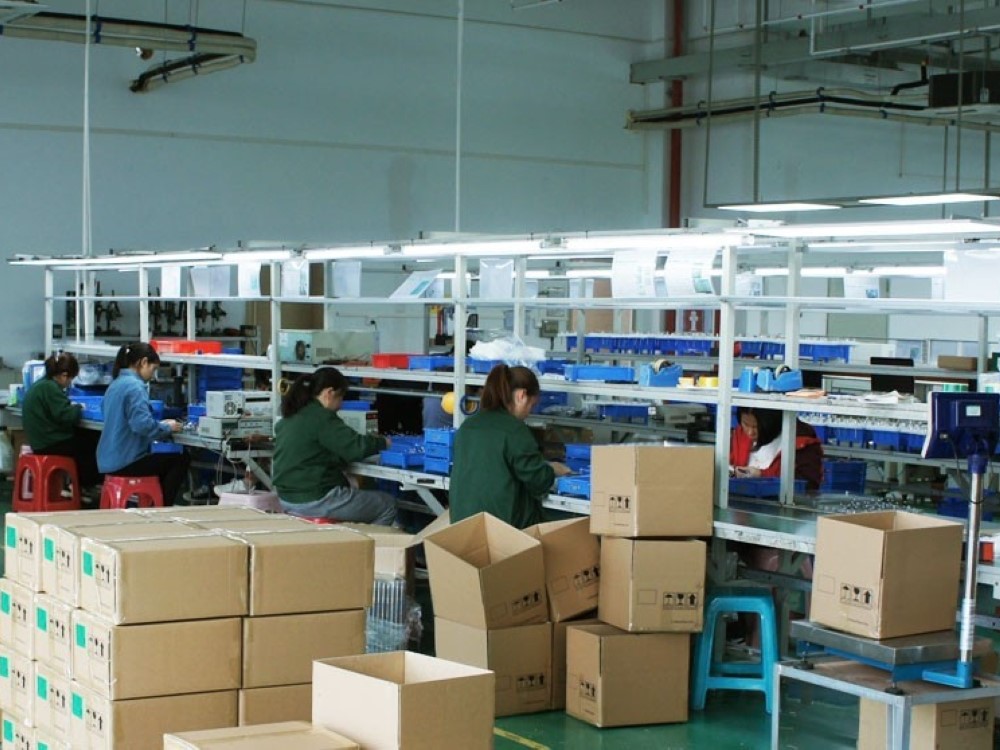
Công ty TNHH Nam châm điện Shengfeng được thành lập năm 2015, tọa lạc tại Khu công nghiệp Tây Sa với cảnh quan đẹp và giao thông thuận tiện. Công ty có diện tích 16.000 mét vuông, sở hữu nhà máy sản xuất hiện đại, thiết bị sản xuất tiên tiến và đội ngũ kỹ thuật chất lượng cao. Từ khi thành lập, chúng tôi luôn tuân thủ triết lý doanh nghiệp “đổi mới, chất lượng và dịch vụ”, tập trung vào nghiên cứu và phát triển cũng như sản xuất các sản phẩm chất lượng cao. nam châm điện, Không ngừng thúc đẩy việc nâng cấp sản phẩm và tiến bộ công nghệ, đồng thời cung cấp cho khách hàng những sản phẩm và dịch vụ chất lượng tốt nhất.
Tại sao nên chọn nam châm điện SF?
CHẤT LƯỢNG CAO CẤP:Là nhà sản xuất nam châm điện solenoid hàng đầu tại Trung Quốc, đội ngũ kiểm soát chất lượng (QC) của chúng tôi cam kết đảm bảo mọi sản phẩm bạn nhận được đều đạt chất lượng tốt nhất. Chúng tôi sở hữu các thiết bị kiểm tra chất lượng chuyên dụng.
THIẾT KẾ SẢN PHẨM:Bộ phận làm mẫu của chúng tôi sở hữu quy trình hoàn chỉnh để hiện thực hóa các bản vẽ. Chúng tôi cũng sẽ cải tiến thiết kế sản phẩm của bạn dựa trên kinh nghiệm làm việc lâu năm. Hãy chia sẻ ý kiến của bạn với chúng tôi.
THỜI GIAN GIAO HÀNG ỔN ĐỊNH:Là nhà sản xuất và cung cấp nam châm điện hàng đầu, chúng tôi sở hữu năng lực sản xuất mạnh mẽ; ngay cả với những đơn hàng lớn, chúng tôi vẫn đảm bảo giao hàng đúng tiến độ cho quý khách.
GIÁ TỐT NHẤT:Chúng tôi là nhà máy sản xuất trực tiếp nam châm điện và là nhà sản xuất solenoid hàng đầu tại Trung Quốc; chính vì vậy, chúng tôi có thể cung cấp các sản phẩm chất lượng cao với mức giá tốt nhất.
QUẢN LÝ CHÍNH XÁC:Chúng ta sẽ không thể đạt được kết quả gì nếu không thực hiện công tác quản lý chặt chẽ. Chúng tôi là công ty sở hữu hệ thống quản lý toàn diện.
PHỤC VỤ 24/7:Là nhà sản xuất van điện từ hàng đầu, chúng tôi cung cấp dịch vụ phản hồi nhanh chóng 24/7: Chúng tôi sẽ tiếp nhận phản hồi của bạn để cải thiện chất lượng dịch vụ và trở thành nhà cung cấp tốt hơn. Liên hệ WhatsApp +86 18902611680
Câu hỏi thường gặp về nam châm điện
Chúng tôi là một công ty hàng đầu của Trung Quốc. nam châm điện Nhà sản xuất của chúng tôi đặt tại Đông Quan. Rất hân hạnh được đón tiếp quý khách đến thăm nhà máy!
Chúng tôi chuyên thiết kế và sản xuất các sản phẩm chất lượng cao. nam châm điện,van điện từ,chẳng hạn như nam châm điện quay, nam châm điện lưỡng ổn định, nam châm điện chốt, van điện từ khung hở, nam châm điện hình ống, van điện từ tự giữ
•Tất nhiên, thông thường chúng tôi sẽ cung cấp mẫu miễn phí, và bạn chỉ cần thanh toán phí vận chuyển. Đối với các mẫu nam châm điện tùy chỉnh, vui lòng gửi yêu cầu của bạn cho chúng tôi để kiểm tra chi phí mẫu.
• Quá trình sản xuất mẫu mất khoảng 7 ngày.
Vâng, chúng tôi cung cấp dịch vụ thiết kế miễn phí, thiết kế kết cấu và thiết kế đồ họa đơn giản.
Chắc chắn rồi. Chúng tôi có thể sản xuất bất kỳ loại nam châm điện nào theo thiết kế của bạn. Hiện tại, chúng tôi đang mở dịch vụ ODM cho nam châm điện từ số lượng nhỏ từ 100 đến 500 chiếc, nhưng bạn vẫn có thể sử dụng logo riêng của mình.
Tùy thuộc vào số lượng đặt hàng và chi tiết sản xuất, thời gian giao hàng sẽ vào khoảng 15 đến 20 ngày.
Luôn có mẫu thử trước khi sản xuất hàng loạt; Luôn kiểm tra cuối cùng trước khi giao hàng.
• Công suất, mục đích sử dụng, kích thước, chất liệu, số lượng, địa điểm giao hàng, v.v.
• Bạn cũng có thể cho chúng tôi biết yêu cầu của bạn và chúng tôi sẽ đề xuất sản phẩm phù hợp.
• Bằng đường biển, đường hàng không hoặc chuyển phát nhanh.
• Nếu bạn có đại lý giao nhận vận tải riêng tại Trung Quốc, đó là giá xuất xưởng hoặc giá FOB.
•CFR hoặc CIF, v.v., nếu bạn cần chúng tôi vận chuyển thay mặt bạn.
• DDP và DDU cũng có thể được sử dụng.
• Chúng tôi sẽ xem xét các lựa chọn của bạn nếu bạn có thêm nhiều sự lựa chọn khác.
• Giá cả được xác định bởi số lượng, chất liệu, phương pháp gia công, kích thước và các yếu tố khác. Ngoài ra, do sự phát triển liên tục của chúng tôi, giá cả được nâng cao.
Nhờ đổi mới công nghệ, giá cả một số sản phẩm của chúng tôi cực kỳ cạnh tranh, vui lòng liên hệ với chúng tôi để được báo giá.