









Son güncelleme tarihi: 2025-09-04. SolenoidFactory
From the earliest experiments of Hans Christian Ørsted and Michael Faraday to today’s cutting-edge applications in quantum computing and fusion energy, electromagnets have been indispensable tools in humanity’s technological evolution. As industries demand greater efficiency, precision, and sustainability, elektromıknatıs teknolojisi is undergoing a renaissance. This blog explores the transformative trends shaping the future of elektromıknatıslar, from material science breakthroughs to AI-driven designs, and their implications for industries ranging from renewable energy to healthcare.

1. Material Science Revolution: Building Better electromagnet
1.1 High-Temperature Superconductors (HTS)
Superconducting electromagnet, which operate with zero electrical resistance, are no longer confined to niche cryogenic applications. Advances in High-Temperature Superconductors (HTS) like REBCO (Rare Earth Barium Copper Oxide) tapes are pushing operational temperatures above 77 K (-196°C), eliminating the need for costly liquid helium cooling.
Key Developments:
- Fusion Energy: ITER’s toroidal field coils use HTS tapes to confine plasma at 150 million°C.
- MagLev Trains: Japan’s SCMaglev employs HTS magnets for frictionless travel at 600+ km/h.
- Energy Storage: SMES (Superconducting Magnetic Energy Storage) systems achieve 95% efficiency for grid stabilization.
Challenges:
- Cost of HTS materials (~20/meter for REBCO vs. 0.10/meter for copper).
- Mechanical brittleness and complex manufacturing.
1.2 Rare Earth-Free Permanent Magnets
The global reliance on rare earth elements (e.g., neodymium, dysprosium) is unsustainable. Researchers are pioneering alternatives:
- Mn-Al-C Alloys: Offer 70% of NdFeB’s magnetic strength but with zero rare earth content.
- Ferrite Nanocomposites: Enhanced via nanostructuring to rival traditional magnets.
Case Study:
A European wind turbine manufacturer reduced dysprosium usage by 90% using Mn-Al-C magnets, cutting costs by $50K per turbine.
1.3 Soft Magnetic Composites (SMCs)
SMCs, made from iron powder insulated with polymers, enable 3D flux paths and reduced eddy current losses.
Uygulamalar:
- EV Motors: Tesla’s next-gen motors use SMCs for 10% higher torque density.
- High-Frequency Transformers: Enable compact, 1 MHz+ power converters for 5G infrastructure.
2. Intelligent Electromagnet: The Rise of Smart Systems
2.1 AI-Optimized Design
Machine learning algorithms are revolutionizing electromagnet design:
- Topology Optimization: AI generates fractal-like core shapes that reduce weight by 40% while maintaining flux density.
- Multi-Physics Simulation: Neural networks predict thermal, electromagnetic, and mechanical behavior in real time.
Case Study:
Siemens used AI to design a MRI magnet with 15% higher field homogeneity, reducing scan times by 20%.
2.2 IoT-Enabled Condition Monitoring
Embedded sensors and wireless connectivity transform maintenance:
- Vibration Analysis: MEMS accelerometers detect bearing wear in magnetic bearings.
- Temperature Mapping: Fiber Bragg grating sensors create real-time thermal profiles.
- Öngörücü Bakım: AI models forecast coil insulation failures weeks in advance.
Örnek:
GE’s Hydro Plant in Switzerland uses IoT-enabled electromagnets to predict turbine governor failures with 98% accuracy.
2.3 Self-Regulating Systems
Adaptive electromagnets adjust performance based on environmental inputs:
- Variable Flux Control: Hybrid magnets combine permanent and electromagnets for dynamic field tuning.
- Auto-Demagnetization: Circuits neutralize residual magnetism during power-off to prevent sticking.
Başvuru:
Lockheed Martin’s satellite thrusters use self-regulating electromagnets to optimize fuel efficiency in space.
3. Energy Efficiency and Sustainability
3.1 Energy Harvesting Electromagnets
Next-gen systems recapture wasted energy:
- Rejeneratif Frenleme: EV motors act as generators, feeding 15% of kinetic energy back into batteries.
- Piezomagnetic Harvesting: Magnetostrictive materials convert mechanical vibrations into electricity.
Case Study:
London’s Underground trains generate 1 MW daily via regenerative braking electromagnets.
3.2 Ultra-Efficient Actuators
New designs minimize losses:
- Litz Wire Windings: Reduce AC resistance by 80% in high-frequency coils.
- Zero-Power Hold: Permanent magnet latching mechanisms eliminate standby power draw.
Örnek:
ABB’s contactors use zero-power hold to save 10 TWh annually—equivalent to 3 coal-fired power plants.
3.3 Circular Manufacturing
The industry is adopting circular economy principles:
- Recyclable Magnets: Hitachi’s Dy-free magnets allow 95% material recovery.
- Remanufacturing: Schneider Electric refurbishes 60% of retired contactors.
- 5 üzerinden 0 oy aldı
- 5 üzerinden 0 oy aldı
- 5 üzerinden 0 oy aldı
4. Miniaturization and Precision Engineering
4.1 Micro-Electromagnets
Advances in MEMS (Micro-Electromechanical Systems) enable sub-millimeter magnets:
- Medical Robotics: MRI-guided microbots use 200µm coils for targeted drug delivery.
- Quantum Computing: SQUID sensors with nano-scale coils detect single magnetic flux quanta.
Çığır Açan:
ETH Zurich’s 3D-printed micro-coils achieve 10 Tesla fields in 0.1 mm³ volumes.
4.2 High-Precision Control
Applications demanding nanometer-scale accuracy:
- EUV Lithography: ASML’s machines use electromagnets to position silicon wafers with 0.1 nm precision.
- Gravitational Wave Detectors: LIGO’s mirror alignment systems rely on femtotesla-level field control.
5. Extreme Environment Electromagnet
5.1 High-Temperature Applications
Materials pushing thermal limits:
- SiC-Encapsulated Coils: Operate at 500°C in aerospace engines.
- Ceramic Insulators: Alumina coatings protect magnets in steelmaking arc furnaces (1,600°C).
Case Study:
NASA’s Venus lander employs SiC electromagnets to survive 460°C surface temperatures.
5.2 Cryogenic Systems
Superconducting magnets for quantum and space tech:
- Quantum Processors: Google’s Sycamore uses 20 mK magnets for qubit control.
- Space-Based SMES: Proposed systems store solar energy in orbit with 99% efficiency.
6. Cross-Industry Convergence
6.1 Healthcare Innovations
- MRI Advancements: Compact 7 Tesla machines with HTS coils enable portable brain imaging.
- Neural Interfaces: Electromagnetic stentrodes read brain signals through blood vessels.
6.2 Transportation 2.0
- Hyperloop: Virgin’s pods use linear induction electromagnets for 1,200 km/h travel.
- Electric Aviation: MagniX’s 750 kW aircraft motors leverage SMCs for 50% weight reduction.
6.3 Renewable Energy
- Tidal Generators: Simec Atlantis’s AR1500 uses corrosion-resistant magnets for 1.5 MW underwater turbines.
- Hydrogen Compression: Linear electromagnetic compressors achieve 900 bar without oil contamination.
7. Manufacturing 4.0: The Smart Factory need electromagnet
7.1 Additive Manufacturing
3D printing breakthroughs:
- Magnetic Nanoparticle Inks: Direct-write printed coils with 100 µm resolution.
- Hybrid Cores: Graded materials optimize flux paths in a single print.
Case Study:
Honeywell 3D-printed a UAV actuator with topology-optimized cores, cutting weight by 60%.
7.2 Digital Twins
Virtual replicas enhance production:
- Process Simulation: Predict magnetic properties based on sintering parameters.
- Kalite Güvencesi: AI compares real-time sensor data with digital models to flag defects.
8. electromagnet for Regulatory and Safety Frontiers
8.1 EMI/EMC Compliance
New standards for connected systems:
- CISPR 25: Limits electromagnetic emissions in automotive systems.
- IEEE 519: Ensures grid-friendly harmonics in high-power magnets.
8.2 Safety Innovations
- Arc Flash Mitigation: SELV (Safety Extra-Low Voltage) coils reduce arc energy by 99%.
- Fail-Safe Designs: Redundant coils and self-test circuits meet SIL 4 (Safety Integrity Level).
9. Global Collaborations and Challenges
9.1 International Projects
- ITER Fusion Reactor: 35 nations collaborate on 10,000-ton superconducting magnet systems.
- CERN’s FCC: Future Circular Collider will use 16 Tesla magnets, doubling LHC’s energy.
9.2 Supply Chain Risks
- Rare Earth Dependence: China controls 90% of NdFeB production.
- Chip Shortages: SiC MOSFETs critical for fast-switching drivers face 12-month lead times.
10. The Road Ahead: Predictions for 2030 and Beyond
- Ubiquitous HTS: 50% of industrial magnets will use HTS, cutting global energy use by 5%.
- AI Co-Design: 90% of electromagnets will be AI-optimized, slashing development cycles.
- Zero-Waste Magnets: Closed-loop recycling rates will exceed 75%, driven by EU regulations.
- Magnetic Medicine: FDA will approve 10+ electromagnetic implantables for neural disorders.
Electromagnet as Catalysts for a Magnetic Future
The electromagnet’s journey from a laboratory curiosity to a linchpin of modern technology is far from over. As material science, AI, and sustainability imperatives converge, electromagnets will play pivotal roles in solving humanity’s greatest challenges—from limitless clean energy to precision medicine.
For manufacturers and end-users alike, staying ahead requires embracing these trends through R&D investment, cross-industry collaboration, and a commitment to circularity. The magnetic future is not just bright—it’s revolutionary.
SF elektromıknatıs fabrikası hakkında
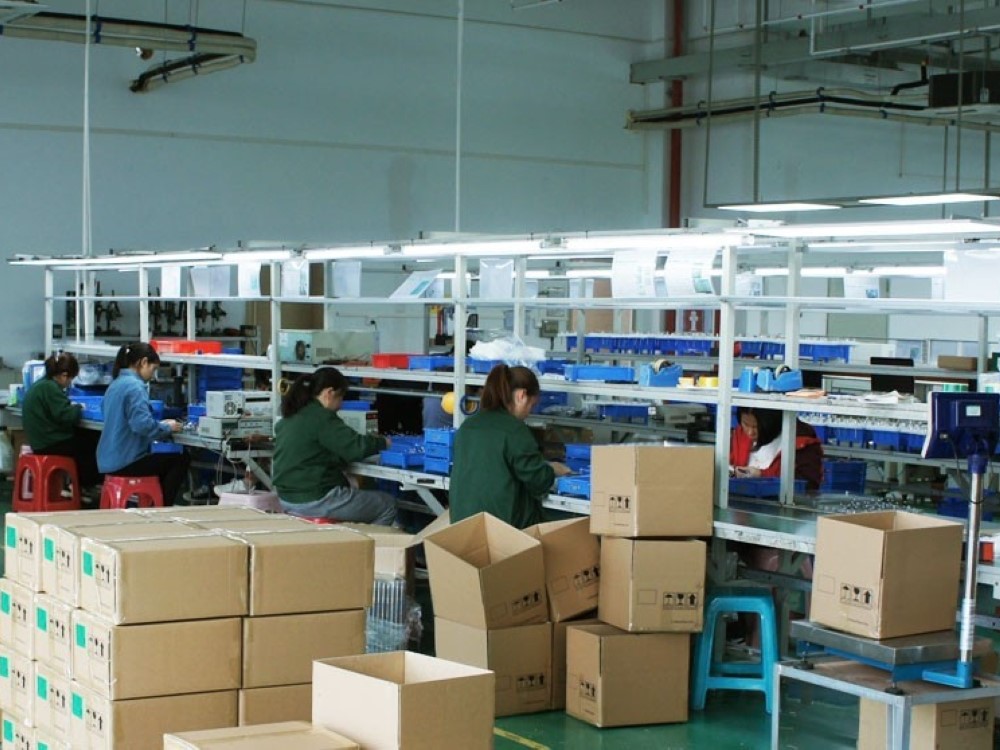
Shengfeng Elektromanyetik Şirketi, 2015 yılında kurulmuş olup, güzel manzarası ve elverişli ulaşım olanaklarıyla Xiansha Sanayi Parkı'nda yer almaktadır. Şirket, 16.000 metrekarelik bir alanı kapsamakta olup, modern üretim tesislerine, gelişmiş üretim ekipmanlarına ve yüksek kaliteli bir teknik ekibe sahiptir. Kuruluşundan bu yana, "yenilik, kalite ve hizmet" kurumsal felsefesine her zaman bağlı kalarak, araştırma ve geliştirme ile üretime odaklanmıştır. elektromıknatıslar, Sürekli olarak ürün geliştirmelerini ve teknolojik ilerlemeyi teşvik ederek, müşterilere en kaliteli ürün ve hizmetleri sunmak.
SF elektromıknatısını neden seçmelisiniz?
ÜST DÜZEY KALİTE:Çin'in en iyi solenoid elektromıknatıs üreticisi olarak, kalite kontrol ekibimiz teslim aldığınız her bir ürünün en yüksek kalitede olmasını garanti eder. Profesyonel kalite test cihazlarına sahibiz.
ÜRÜN TASARIMI:Numune departmanımız, teknik çizimleri gerçeğe dönüştürme sürecini uçtan uca yürütmektedir. Ayrıca, yıllara dayanan deneyimimizden yola çıkarak ürün tasarımınızı geliştiriyoruz. Düşüncelerinizi bizimle paylaşın.
İSTİKRARLI TESLİMAT SÜRESİ:En iyi elektromıknatıs üreticisi ve tedarikçisi olarak yeterli üretim kapasitesine sahibiz; büyük siparişler bizi zorlamaz, siparişinizi yine de zamanında teslim edebiliriz.
EN İYİ FİYAT:Biz bir elektromıknatıs üretim fabrikası ve Çin'in en iyi solenoid üreticisiyiz; işte bu sayede en iyi fiyatlarla yüksek kaliteli ürünler sunabiliyoruz.
HASSAS YÖNETİM:Hassas bir yönetim uygulamadığımız sürece hiçbir şey başarılamaz. Biz, eksiksiz bir yönetim sistemine sahip bir şirketiz.
7/24 HİZMET:En iyi solenoid üreticisi olarak, 7/24 anında yanıt: Daha iyi bir tedarikçi olmamız için geri bildirimlerinizi alacağız. İletişime geçin. WhatsApp +86 18902611680
Elektromıknatısla ilgili Sıkça Sorulan Sorular
Biz Çin'in önde gelen şirketlerinden biriyiz. elektromıknatıs Üreticiyiz ve fabrikamız Dongguan'da bulunmaktadır. Fabrikamızı ziyaret etmenizi bekliyoruz!
Yüksek kaliteli tasarım ve üretim konusunda uzmanlaşmış bir firmayız. elektromıknatıs,selenoid valf,örneğin döner solenoid, çift kararlı solenoidler, kilitleme solenoidleri, açık çerçeveli solenoidler, borulu solenoidler, kendinden tutucu solenoid
•Elbette, genellikle ücretsiz numuneler sağlıyoruz ve sadece kargo ücretini karşılamanız gerekiyor. Özel elektromıknatıs numuneleri için lütfen numune maliyetini kontrol edebilmemiz için gereksinimlerinizi bize gönderin.
• Numune üretimi yaklaşık 7 gün sürer.
Evet, ücretsiz tasarım hizmetleri, yapısal tasarım ve basit grafik tasarım hizmetleri sunuyoruz.
Elbette. İstediğiniz herhangi bir elektromıknatısı tasarımınıza göre üretebiliriz. Şu anda 100 ila 500 adetlik küçük miktarlar için ODM solenoid üretimi yapıyoruz, ancak yine de kendi logonuzu kullanabilirsiniz.
Sipariş miktarına ve üretim detaylarına bağlı olarak, yaklaşık 15 ila 20 gün sürecektir.
Seri üretimden önce mutlaka ön üretim numunesi alınır; sevkiyat öncesinde mutlaka son kontrol yapılır.
• Güç, kullanım, boyut, malzeme, miktar, sevkiyat adresi vb.
• Ayrıca ihtiyaçlarınızı bize bildirmeniz de yeterli; biz de size ürünler önereceğiz.
• Deniz yoluyla, hava yoluyla veya ekspres kargo ile.
• Eğer Çin'de kendi nakliye firmanız varsa, fiyat fabrika çıkış fiyatı veya FOB fiyatıdır.
•CFR veya CIF vb., sizin adınıza sevkiyat yapmamızı istiyorsanız.
• DDP ve DDU da kullanılabilir.
• Daha fazla seçenek, tercihlerinizi değerlendireceğiz.
• Fiyat, miktar, malzeme, işleme yöntemi, boyut ve diğer faktörlere bağlı olarak belirlenir. Ayrıca, sürekli gelişimimiz nedeniyle...
Teknolojik yenilikler sayesinde bazı ürünlerimizin fiyatları son derece rekabetçidir, fiyat teklifi almak için lütfen bizimle iletişime geçin.