









Cập nhật lần cuối vào ngày 03/09/2025 bởi Nhà máy Solenoid
Nam châm điện are fascinating devices that have revolutionized countless industries and technologies. From simple classroom experiments to complex industrial applications, these versatile tools have become indispensable in our quest for innovation and efficiency. But what exactly is an nam châm điện, and what functions does it serve? In this comprehensive guide, we will explore the science behind electromagnets, their diverse applications, and the principles that govern their behavior. By the end, you’ll have a comprehensive understanding of these remarkable devices and their myriad uses.

The Basics of Electromagnet
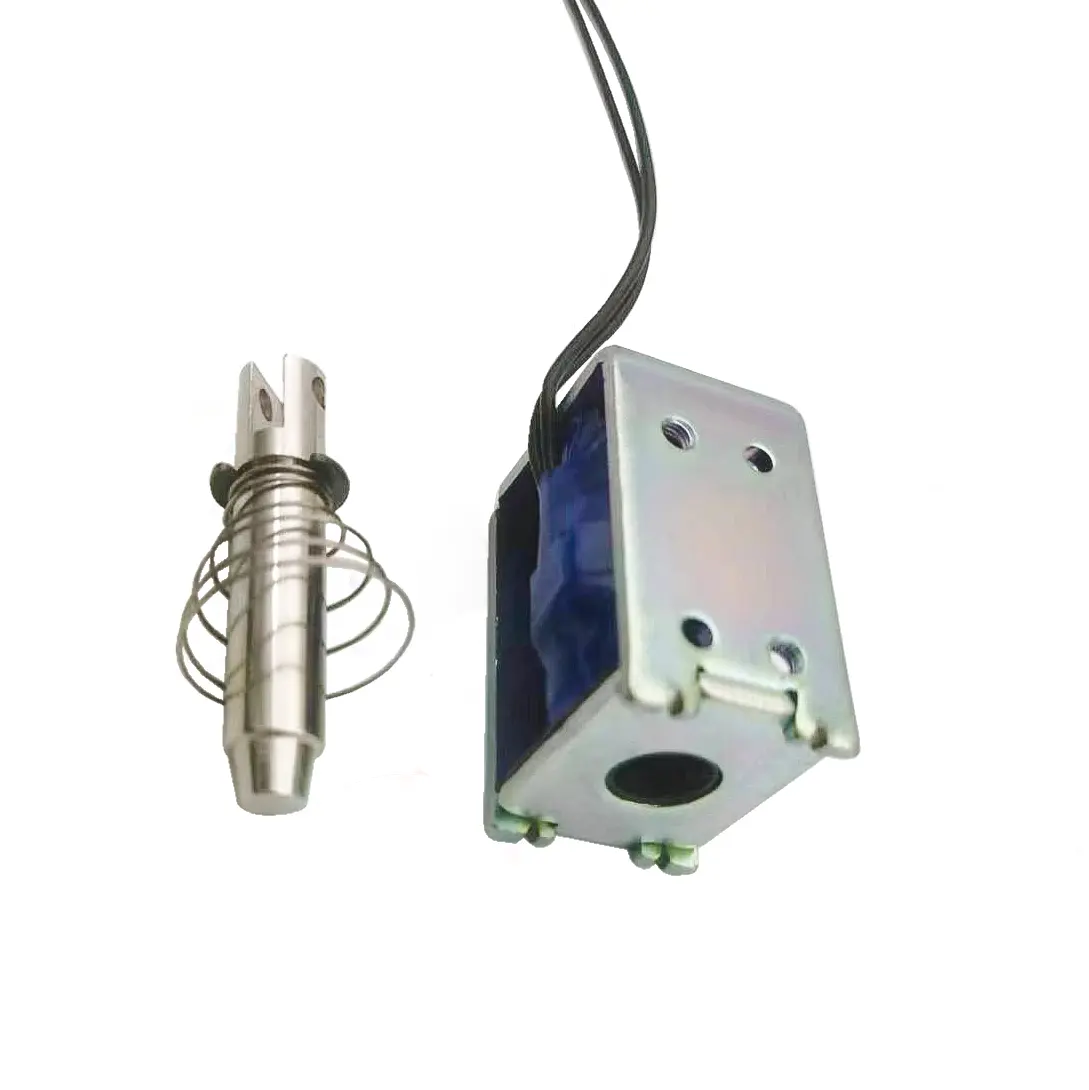
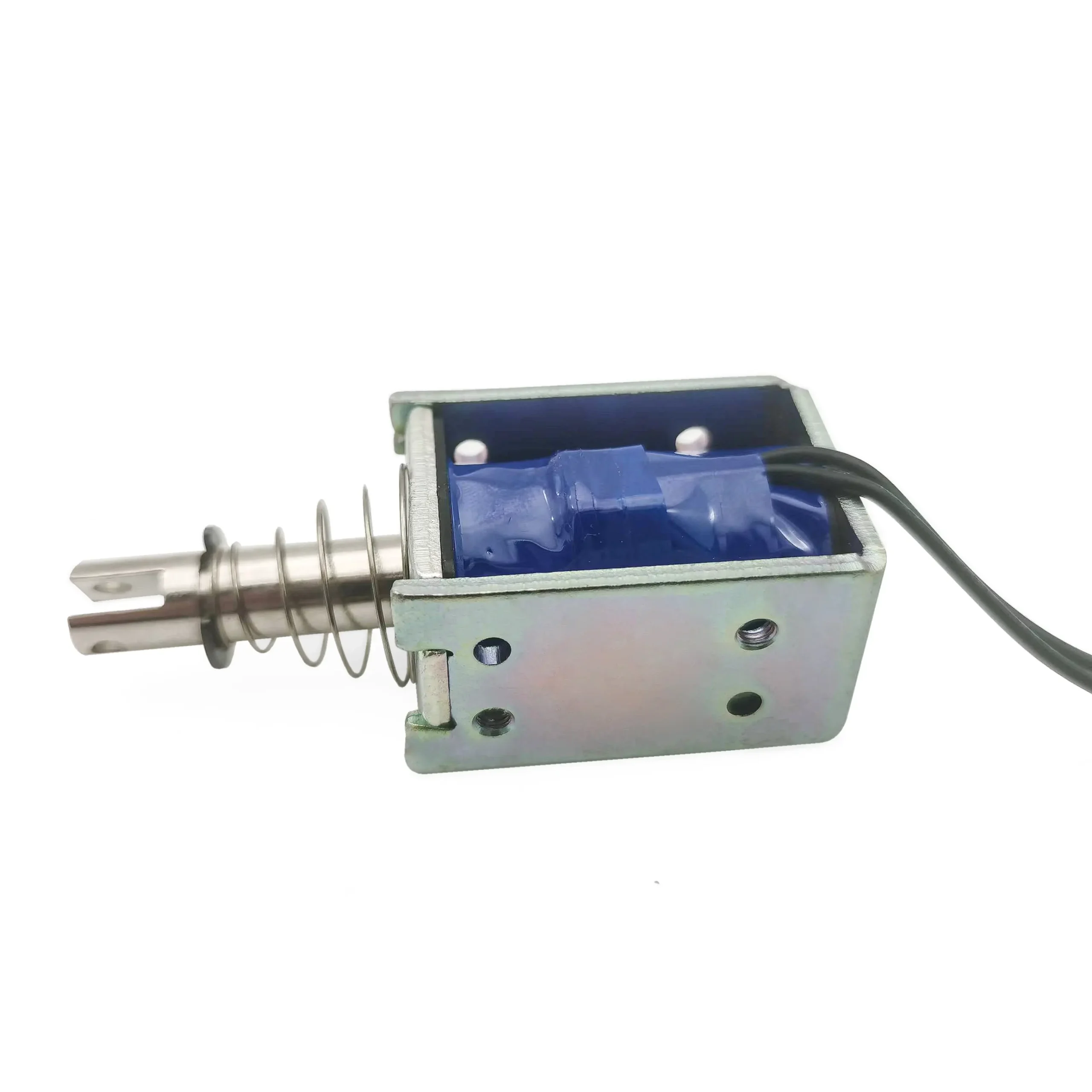
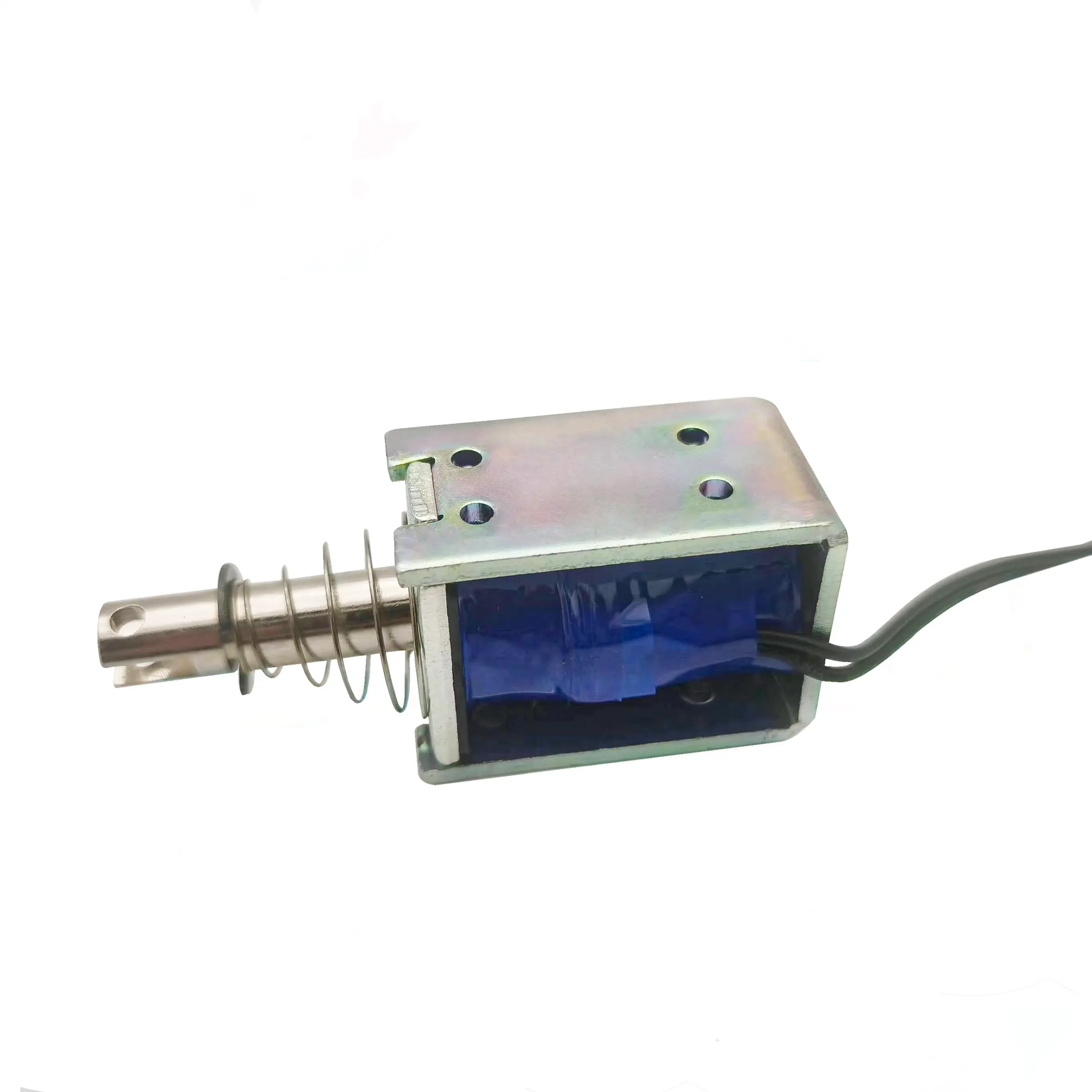
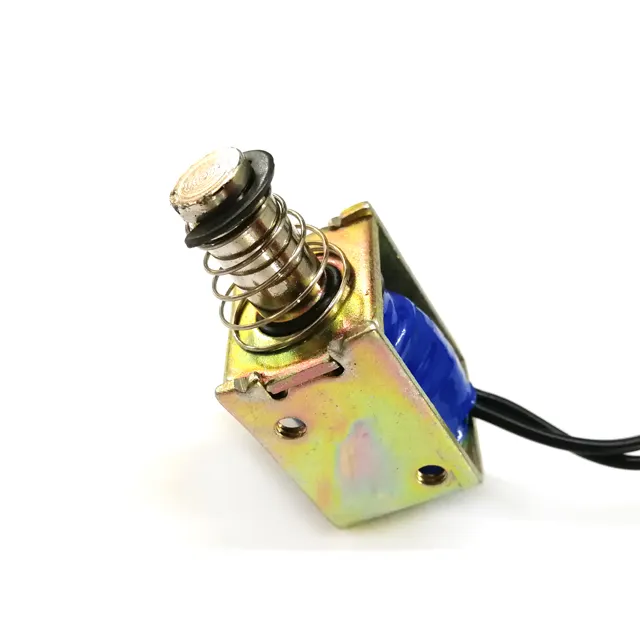
MỘT nam châm điện is a type of magnet that generates a magnetic field when an electric current passes through a coil of wire. Unlike permanent magnets, which maintain their magnetism without an external power source, electromagnets require a continuous current to produce a magnetic field. This dynamic nature makes them incredibly versatile, allowing for precise control and adjustment of the magnetic field’s strength and direction.
The core of an electromagnet is typically made from a ferromagnetic material, such as iron, nickel, or cobalt. These materials have a high magnetic permeability, meaning they easily align their magnetic domains with an external magnetic field. When an electric current flows through the coil wrapped around the core, it creates a magnetic field that magnetizes the core, turning it into a temporary magnet.
The strength of the electromagnetic field depends on several factors, including the amount of current flowing through the coil, the number of turns in the coil, and the material and shape of the core. Increasing the current or the number of turns will typically result in a stronger magnetic field. The choice of core material also plays a crucial role; materials with higher magnetic permeability and saturation magnetization will produce stronger fields.
How An Electromagnet Work
The principle behind nam châm điện is rooted in the fundamental laws of electromagnetism, particularly Ampere’s Law and Faraday’s Law of Induction. Ampere’s Law states that a magnetic field is created around any conductor carrying an electric current. The direction of this field can be determined using the right-hand rule: if you grasp the wire with your right hand and curl your fingers in the direction of the current, your thumb will point in the direction of the magnetic field.
Faraday’s Law of Induction explains how a changing magnetic field can induce an electric current in a nearby conductor. While this principle is more commonly associated with generators and transformers, it also plays a role in the behavior of electromagnets. When the current in the coil changes, it causes the magnetic field to change, which can induce currents in nearby conductors or affect the magnetization of the core.
In an nam châm điện, the current flowing through the coil creates a circular magnetic field around the wire. This field magnetizes the core, aligning its magnetic domains with the field’s direction. The more turns in the coil, the more magnetic field lines are created, and the stronger the resulting magnetic field. The core material amplifies this field, focusing it and making it more intense.
Functions and Applications of Electromagnet
Electromagnets serve a wide range of functions and are found in countless applications across various industries. Here are some of the most common uses:
Lifting and Holding Heavy Objects:
Electromagnets are commonly used in industrial settings to lift and hold heavy metal objects. Cranes and lifting magnets in scrap yards, steel mills, and shipping ports rely on electromagnets to handle tons of material safely and efficiently. By energizing the coil, the electromagnet becomes strong enough to lift the object. When the current is turned off, the magnetic field disappears, and the object can be released.Particle Accelerators and High-Energy Physics:
Particle accelerators like the Large Hadron Collider (LHC) use powerful electromagnets to steer and accelerate charged particles to near-light speeds. These magnets create intense magnetic fields that can deflect and focus particle beams with extreme precision. In high-energy physics experiments, electromagnets are also used to create magnetic traps and containers for studying fundamental particles and forces.Magnetic Resonance Imaging (MRI):
MRI machines use large, superconducting electromagnets to create strong, homogeneous magnetic fields for imaging the human body. These magnets align the magnetic moments of hydrogen atoms in the body, which can then be manipulated and detected using radiofrequency waves to produce detailed images of internal structures. The strength and stability of the magnetic field are crucial for the accuracy and resolution of the images.Electric Motors and Generators:
Electromagnets play a vital role in the operation of electric motors and generators. In motors, electromagnets create rotating magnetic fields that interact with permanent magnets or other electromagnets to produce torque and mechanical power. In generators, mechanical energy is converted into electrical energy by using a rotating armature to cut magnetic flux lines and induce a current in the windings.Electromagnetic Locks and Security Systems:
Electromagnetic locks, or mags locks, use electromagnets to secure doors, gates, and other entry points. When energized, the electromagnet attracts a ferromagnetic armature or keeper, locking the door in place. These locks are commonly used in high-security applications, such as banks, data centers, and government facilities, due to their reliability and tamper-resistance.Magnetic Levitation (Maglev) Trains:
Maglev trains use electromagnets to levitate and propel vehicles above the track, reducing friction and improving efficiency. The trains contain superconducting electromagnets that interact with coils in the track to create a repulsive force that lifts the train off the ground. This technology allows for higher speeds, smoother rides, and reduced energy consumption compared to traditional trains.Sensors and Switches:
Electromagnets are used in various sensors and switches to detect the presence of magnetic fields or ferromagnetic objects. Reed switches, for example, consist of two ferromagnetic reeds sealed in a glass tube. When a magnetic field is applied, the reeds are attracted to each other, closing the circuit. These switches are commonly used in security systems, level indicators, and fluid flow sensors.Speakers and Headphones:
Speakers and headphones use electromagnets to convert electrical signals into sound waves. In these devices, a current-carrying coil is suspended in a magnetic field created by a permanent magnet. When the current varies, the coil moves back and forth, causing a diaphragm to vibrate and produce sound. The strength and direction of the magnetic field play a crucial role in the efficiency and sound quality of these devices.Scientific Research and Education:
Electromagnets are indispensable tools in scientific research and education. They are used to study magnetic phenomena, investigate the properties of materials, and demonstrate fundamental principles of electromagnetism. In classrooms, simple electromagnets made from wire and nails can be used to teach students about electricity, magnetism, and the scientific method.
- Được xếp hạng 0 5 sao
- Được xếp hạng 0 5 sao
- Được xếp hạng 0 5 sao
- Được xếp hạng 0 5 sao
Advantages and Limitations of Electromagnet
Nam châm điện offer several advantages over permanent magnets:
- Khả năng kiểm soát: Electromagnets can be turned on and off at will, allowing for precise control over the magnetic field’s strength and direction. This makes them ideal for applications requiring dynamic adjustment and fine-tuning.
- Scalability: The strength of an electromagnet can be easily adjusted by changing the current, the number of turns in the coil, or the core material. This scalability makes them versatile for a wide range of applications, from tiny sensors to massive particle accelerators.
- Sự an toàn: Electromagnets pose fewer safety risks compared to permanent magnets, which can retain their magnetism even after being exposed to high temperatures or strong external fields. Electromagnets lose their magnetism when the current is turned off, reducing the risk of accidental damage or injury.
However, electromagnets also have some limitations:
- Energy Consumption: Electromagnets require a continuous supply of electric current to maintain the magnetic field. This can be energy-intensive, particularly in applications requiring strong fields or long operating times.
- Sinh nhiệt: The resistance in the wire coil can cause heat generation, which can limit the electromagnet’s efficiency and reliability. Proper cooling mechanisms are often required to dissipate this heat and maintain optimal performance.
- Complexity and Cost: Building high-performance electromagnets can be complex and expensive, particularly for applications requiring extreme field strengths or specialized materials.
Electromagnets are remarkable devices
Electromagnets are remarkable devices that have revolutionized countless industries and technologies. By generating a magnetic field when an electric current passes through a coil of wire, they offer unparalleled controllability, scalability, and versatility. From lifting heavy objects to studying fundamental particles, electromagnets serve a wide range of functions and are found in diverse applications across various sectors.
Understanding the science behind electromagnets and their diverse applications is crucial for harnessing their full potential. By exploring their principles, functions, and limitations, we can better appreciate these remarkable devices and continue to innovate and advance in our quest for knowledge and efficiency. Whether you’re a student, engineer, scientist, or simply curious about the world around you, the study of electromagnets promises a fascinating journey into the realm of electromagnetism and its myriad applications.
Giới thiệu về nhà máy sản xuất nam châm điện SF
Công ty TNHH Nam châm điện Shengfeng được thành lập năm 2015, tọa lạc tại Khu công nghiệp Tây Sa với cảnh quan đẹp và giao thông thuận tiện. Công ty có diện tích 16.000 mét vuông, sở hữu nhà máy sản xuất hiện đại, thiết bị sản xuất tiên tiến và đội ngũ kỹ thuật chất lượng cao. Từ khi thành lập, chúng tôi luôn tuân thủ triết lý doanh nghiệp “đổi mới, chất lượng và dịch vụ”, tập trung vào nghiên cứu và phát triển cũng như sản xuất các sản phẩm chất lượng cao. nam châm điện, Không ngừng thúc đẩy việc nâng cấp sản phẩm và tiến bộ công nghệ, đồng thời cung cấp cho khách hàng những sản phẩm và dịch vụ chất lượng tốt nhất.
Tại sao nên chọn SF Electromagne?
CHẤT LƯỢNG CAO CẤP:Là nhà sản xuất nam châm điện solenoid hàng đầu tại Trung Quốc, đội ngũ kiểm soát chất lượng (QC) của chúng tôi cam kết đảm bảo mọi sản phẩm bạn nhận được đều đạt chất lượng tốt nhất. Chúng tôi sở hữu các thiết bị kiểm tra chất lượng chuyên dụng.
THIẾT KẾ SẢN PHẨM:Bộ phận làm mẫu của chúng tôi sở hữu quy trình hoàn chỉnh để hiện thực hóa các bản vẽ. Chúng tôi cũng sẽ cải tiến thiết kế sản phẩm của bạn dựa trên kinh nghiệm làm việc lâu năm. Hãy chia sẻ ý kiến của bạn với chúng tôi.
THỜI GIAN GIAO HÀNG ỔN ĐỊNH:Là nhà sản xuất và cung cấp nam châm điện hàng đầu, chúng tôi sở hữu năng lực sản xuất mạnh mẽ; ngay cả với những đơn hàng lớn, chúng tôi vẫn đảm bảo giao hàng đúng tiến độ cho quý khách.
GIÁ TỐT NHẤT:Chúng tôi là nhà máy sản xuất trực tiếp nam châm điện và là nhà sản xuất solenoid hàng đầu tại Trung Quốc; chính vì vậy, chúng tôi có thể cung cấp các sản phẩm chất lượng cao với mức giá tốt nhất.
QUẢN LÝ CHÍNH XÁC:Chúng ta sẽ không thể đạt được kết quả gì nếu không thực hiện công tác quản lý chặt chẽ. Chúng tôi là công ty sở hữu hệ thống quản lý toàn diện.
PHỤC VỤ 24/7:Là nhà sản xuất solenoid hàng đầu với dịch vụ phản hồi tức thì 24/7, chúng tôi luôn tiếp nhận ý kiến đóng góp của quý khách để ngày càng hoàn thiện hơn với tư cách là nhà cung cấp.
Câu hỏi thường gặp về nam châm điện
Chúng tôi là một công ty hàng đầu của Trung Quốc. nam châm điện Nhà sản xuất của chúng tôi đặt tại Đông Quan. Rất hân hạnh được đón tiếp quý khách đến thăm nhà máy!
Chúng tôi chuyên thiết kế và sản xuất các sản phẩm chất lượng cao. nam châm điện,van điện từ,chẳng hạn như nam châm điện quay, nam châm điện lưỡng ổn định, nam châm điện chốt, van điện từ khung hở, nam châm điện hình ống, van điện từ tự giữ
•Tất nhiên, thông thường chúng tôi sẽ cung cấp mẫu miễn phí, và bạn chỉ cần thanh toán phí vận chuyển. Đối với các mẫu nam châm điện tùy chỉnh, vui lòng gửi yêu cầu của bạn cho chúng tôi để kiểm tra chi phí mẫu.
• Quá trình sản xuất mẫu mất khoảng 7 ngày.
Vâng, chúng tôi cung cấp dịch vụ thiết kế miễn phí, thiết kế kết cấu và thiết kế đồ họa đơn giản.
Chắc chắn rồi. Chúng tôi có thể sản xuất bất kỳ loại nam châm điện nào theo thiết kế của bạn. Hiện tại, chúng tôi đang mở dịch vụ ODM cho nam châm điện từ số lượng nhỏ từ 100 đến 500 chiếc, nhưng bạn vẫn có thể sử dụng logo riêng của mình.
Tùy thuộc vào số lượng đặt hàng và chi tiết sản xuất, thời gian giao hàng sẽ vào khoảng 15 đến 20 ngày.
Luôn có mẫu thử trước khi sản xuất hàng loạt; Luôn kiểm tra cuối cùng trước khi giao hàng.
• Công suất, mục đích sử dụng, kích thước, chất liệu, số lượng, địa điểm giao hàng, v.v.
• Bạn cũng có thể cho chúng tôi biết yêu cầu của bạn và chúng tôi sẽ đề xuất sản phẩm phù hợp.
• Bằng đường biển, đường hàng không hoặc chuyển phát nhanh.
• Nếu bạn có đại lý giao nhận vận tải riêng tại Trung Quốc, đó là giá xuất xưởng hoặc giá FOB.
•CFR hoặc CIF, v.v., nếu bạn cần chúng tôi vận chuyển thay mặt bạn.
• DDP và DDU cũng có thể được sử dụng.
• Chúng tôi sẽ xem xét các lựa chọn của bạn nếu bạn có thêm nhiều sự lựa chọn khác.
• Giá cả được xác định bởi số lượng, chất liệu, phương pháp gia công, kích thước và các yếu tố khác. Ngoài ra, do sự phát triển liên tục của chúng tôi, giá cả được nâng cao.
Nhờ đổi mới công nghệ, giá cả một số sản phẩm của chúng tôi cực kỳ cạnh tranh, vui lòng liên hệ với chúng tôi để được báo giá.