









Son güncelleme tarihi: 2025-09-03. SolenoidFactory
Elektromıknatıslar are fascinating devices that have revolutionized countless industries and technologies. From simple classroom experiments to complex industrial applications, these versatile tools have become indispensable in our quest for innovation and efficiency. But what exactly is an elektromıknatıs, and what functions does it serve? In this comprehensive guide, we will explore the science behind electromagnets, their diverse applications, and the principles that govern their behavior. By the end, you’ll have a comprehensive understanding of these remarkable devices and their myriad uses.

The Basics of Electromagnet
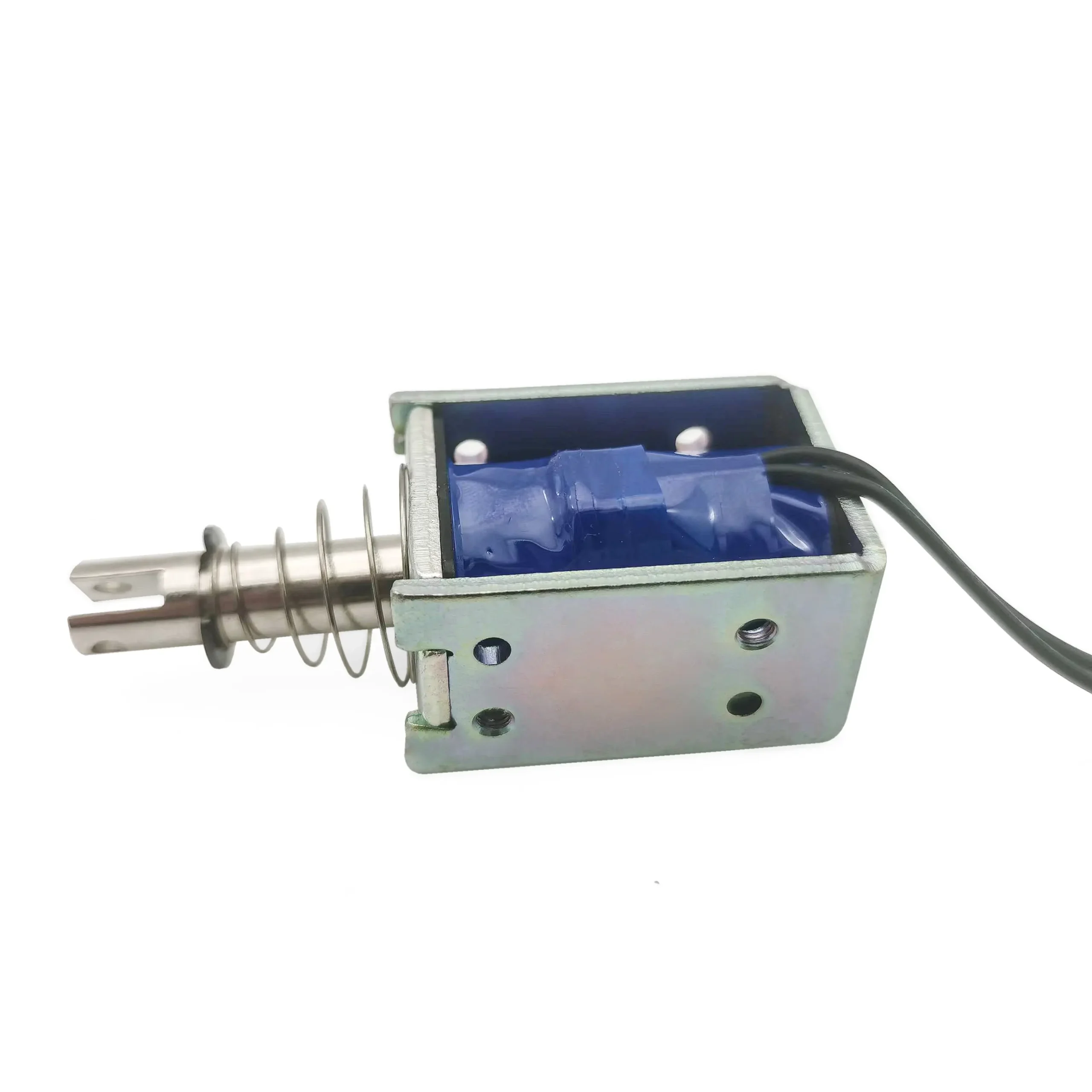
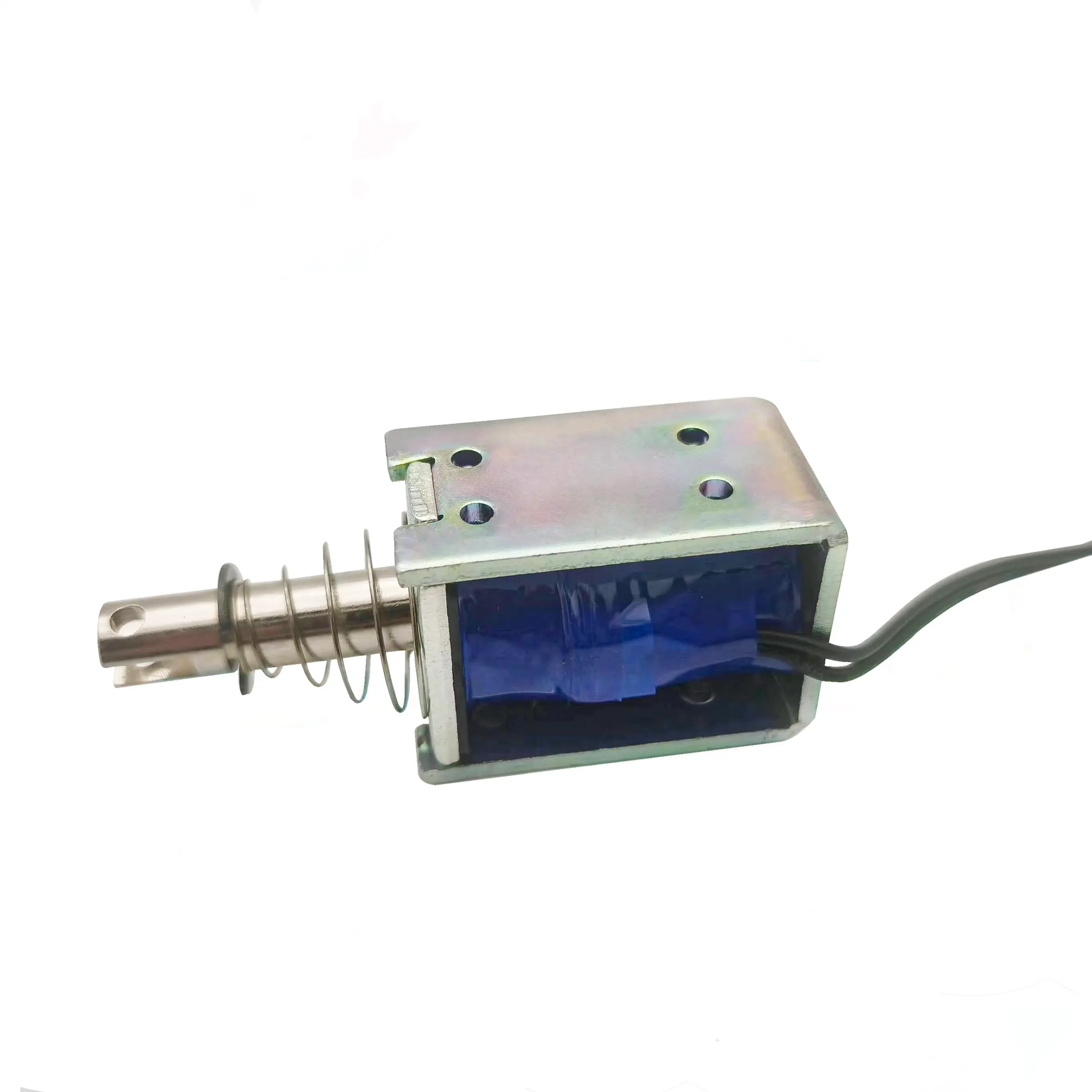
An elektromıknatıs is a type of magnet that generates a magnetic field when an electric current passes through a coil of wire. Unlike permanent magnets, which maintain their magnetism without an external power source, electromagnets require a continuous current to produce a magnetic field. This dynamic nature makes them incredibly versatile, allowing for precise control and adjustment of the magnetic field’s strength and direction.
The core of an electromagnet is typically made from a ferromagnetic material, such as iron, nickel, or cobalt. These materials have a high magnetic permeability, meaning they easily align their magnetic domains with an external magnetic field. When an electric current flows through the coil wrapped around the core, it creates a magnetic field that magnetizes the core, turning it into a temporary magnet.
The strength of the electromagnetic field depends on several factors, including the amount of current flowing through the coil, the number of turns in the coil, and the material and shape of the core. Increasing the current or the number of turns will typically result in a stronger magnetic field. The choice of core material also plays a crucial role; materials with higher magnetic permeability and saturation magnetization will produce stronger fields.
How An Electromagnet Work
The principle behind elektromıknatıslar is rooted in the fundamental laws of electromagnetism, particularly Ampere’s Law and Faraday’s Law of Induction. Ampere’s Law states that a magnetic field is created around any conductor carrying an electric current. The direction of this field can be determined using the right-hand rule: if you grasp the wire with your right hand and curl your fingers in the direction of the current, your thumb will point in the direction of the magnetic field.
Faraday’s Law of Induction explains how a changing magnetic field can induce an electric current in a nearby conductor. While this principle is more commonly associated with generators and transformers, it also plays a role in the behavior of electromagnets. When the current in the coil changes, it causes the magnetic field to change, which can induce currents in nearby conductors or affect the magnetization of the core.
In an elektromıknatıs, the current flowing through the coil creates a circular magnetic field around the wire. This field magnetizes the core, aligning its magnetic domains with the field’s direction. The more turns in the coil, the more magnetic field lines are created, and the stronger the resulting magnetic field. The core material amplifies this field, focusing it and making it more intense.
Functions and Applications of Electromagnet
Electromagnets serve a wide range of functions and are found in countless applications across various industries. Here are some of the most common uses:
Lifting and Holding Heavy Objects:
Electromagnets are commonly used in industrial settings to lift and hold heavy metal objects. Cranes and lifting magnets in scrap yards, steel mills, and shipping ports rely on electromagnets to handle tons of material safely and efficiently. By energizing the coil, the electromagnet becomes strong enough to lift the object. When the current is turned off, the magnetic field disappears, and the object can be released.Particle Accelerators and High-Energy Physics:
Particle accelerators like the Large Hadron Collider (LHC) use powerful electromagnets to steer and accelerate charged particles to near-light speeds. These magnets create intense magnetic fields that can deflect and focus particle beams with extreme precision. In high-energy physics experiments, electromagnets are also used to create magnetic traps and containers for studying fundamental particles and forces.Manyetik Rezonans Görüntüleme (MRG):
MRI machines use large, superconducting electromagnets to create strong, homogeneous magnetic fields for imaging the human body. These magnets align the magnetic moments of hydrogen atoms in the body, which can then be manipulated and detected using radiofrequency waves to produce detailed images of internal structures. The strength and stability of the magnetic field are crucial for the accuracy and resolution of the images.Electric Motors and Generators:
Electromagnets play a vital role in the operation of electric motors and generators. In motors, electromagnets create rotating magnetic fields that interact with permanent magnets or other electromagnets to produce torque and mechanical power. In generators, mechanical energy is converted into electrical energy by using a rotating armature to cut magnetic flux lines and induce a current in the windings.Electromagnetic Locks and Security Systems:
Electromagnetic locks, or mags locks, use electromagnets to secure doors, gates, and other entry points. When energized, the electromagnet attracts a ferromagnetic armature or keeper, locking the door in place. These locks are commonly used in high-security applications, such as banks, data centers, and government facilities, due to their reliability and tamper-resistance.Magnetic Levitation (Maglev) Trains:
Maglev trains use electromagnets to levitate and propel vehicles above the track, reducing friction and improving efficiency. The trains contain superconducting electromagnets that interact with coils in the track to create a repulsive force that lifts the train off the ground. This technology allows for higher speeds, smoother rides, and reduced energy consumption compared to traditional trains.Sensors and Switches:
Electromagnets are used in various sensors and switches to detect the presence of magnetic fields or ferromagnetic objects. Reed switches, for example, consist of two ferromagnetic reeds sealed in a glass tube. When a magnetic field is applied, the reeds are attracted to each other, closing the circuit. These switches are commonly used in security systems, level indicators, and fluid flow sensors.Speakers and Headphones:
Speakers and headphones use electromagnets to convert electrical signals into sound waves. In these devices, a current-carrying coil is suspended in a magnetic field created by a permanent magnet. When the current varies, the coil moves back and forth, causing a diaphragm to vibrate and produce sound. The strength and direction of the magnetic field play a crucial role in the efficiency and sound quality of these devices.Scientific Research and Education:
Electromagnets are indispensable tools in scientific research and education. They are used to study magnetic phenomena, investigate the properties of materials, and demonstrate fundamental principles of electromagnetism. In classrooms, simple electromagnets made from wire and nails can be used to teach students about electricity, magnetism, and the scientific method.
- 5 üzerinden 0 oy aldı
- 5 üzerinden 0 oy aldı
- 5 üzerinden 0 oy aldı
- 5 üzerinden 0 oy aldı

Advantages and Limitations of Electromagnet
Elektromıknatıslar offer several advantages over permanent magnets:
- Controllability: Electromagnets can be turned on and off at will, allowing for precise control over the magnetic field’s strength and direction. This makes them ideal for applications requiring dynamic adjustment and fine-tuning.
- Ölçeklenebilirlik: The strength of an electromagnet can be easily adjusted by changing the current, the number of turns in the coil, or the core material. This scalability makes them versatile for a wide range of applications, from tiny sensors to massive particle accelerators.
- Safety: Electromagnets pose fewer safety risks compared to permanent magnets, which can retain their magnetism even after being exposed to high temperatures or strong external fields. Electromagnets lose their magnetism when the current is turned off, reducing the risk of accidental damage or injury.
However, electromagnets also have some limitations:
- Energy Consumption: Electromagnets require a continuous supply of electric current to maintain the magnetic field. This can be energy-intensive, particularly in applications requiring strong fields or long operating times.
- Heat Generation: The resistance in the wire coil can cause heat generation, which can limit the electromagnet’s efficiency and reliability. Proper cooling mechanisms are often required to dissipate this heat and maintain optimal performance.
- Complexity and Cost: Building high-performance electromagnets can be complex and expensive, particularly for applications requiring extreme field strengths or specialized materials.
Electromagnets are remarkable devices
Electromagnets are remarkable devices that have revolutionized countless industries and technologies. By generating a magnetic field when an electric current passes through a coil of wire, they offer unparalleled controllability, scalability, and versatility. From lifting heavy objects to studying fundamental particles, electromagnets serve a wide range of functions and are found in diverse applications across various sectors.
Understanding the science behind electromagnets and their diverse applications is crucial for harnessing their full potential. By exploring their principles, functions, and limitations, we can better appreciate these remarkable devices and continue to innovate and advance in our quest for knowledge and efficiency. Whether you’re a student, engineer, scientist, or simply curious about the world around you, the study of electromagnets promises a fascinating journey into the realm of electromagnetism and its myriad applications.
SF elektromanyetik fabrikası hakkında
Shengfeng Elektromanyetik Şirketi, 2015 yılında kurulmuş olup, güzel manzarası ve elverişli ulaşım olanaklarıyla Xiansha Sanayi Parkı'nda yer almaktadır. Şirket, 16.000 metrekarelik bir alanı kapsamakta olup, modern üretim tesislerine, gelişmiş üretim ekipmanlarına ve yüksek kaliteli bir teknik ekibe sahiptir. Kuruluşundan bu yana, "yenilik, kalite ve hizmet" kurumsal felsefesine her zaman bağlı kalarak, araştırma ve geliştirme ile üretime odaklanmıştır. elektromıknatıslar, Sürekli olarak ürün geliştirmelerini ve teknolojik ilerlemeyi teşvik ederek, müşterilere en kaliteli ürün ve hizmetleri sunmak.
Neden SF elektromanyetik alanını seçmelisiniz?
ÜST DÜZEY KALİTE:Çin'in en iyi solenoid elektromıknatıs üreticisi olarak, kalite kontrol ekibimiz teslim aldığınız her bir ürünün en yüksek kalitede olmasını garanti eder. Profesyonel kalite test cihazlarına sahibiz.
ÜRÜN TASARIMI:Numune departmanımız, teknik çizimleri gerçeğe dönüştürme sürecini uçtan uca yürütmektedir. Ayrıca, yıllara dayanan deneyimimizden yola çıkarak ürün tasarımınızı geliştiriyoruz. Düşüncelerinizi bizimle paylaşın.
İSTİKRARLI TESLİMAT SÜRESİ:En iyi elektromıknatıs üreticisi ve tedarikçisi olarak yeterli üretim kapasitesine sahibiz; büyük siparişler bizi zorlamaz, siparişinizi yine de zamanında teslim edebiliriz.
EN İYİ FİYAT:Biz bir elektromıknatıs üretim fabrikası ve Çin'in en iyi solenoid üreticisiyiz; işte bu sayede en iyi fiyatlarla yüksek kaliteli ürünler sunabiliyoruz.
HASSAS YÖNETİM:Hassas bir yönetim uygulamadığımız sürece hiçbir şey başarılamaz. Biz, eksiksiz bir yönetim sistemine sahip bir şirketiz.
7/24 HİZMET:En iyi solenoid üreticisi olarak, 7/24 anında yanıt: Bizi daha iyi bir tedarikçi haline getirecek geri bildirimlerinizi bekliyoruz.
Elektromıknatısla ilgili Sıkça Sorulan Sorular
Biz Çin'in önde gelen şirketlerinden biriyiz. elektromıknatıs Üreticiyiz ve fabrikamız Dongguan'da bulunmaktadır. Fabrikamızı ziyaret etmenizi bekliyoruz!
Yüksek kaliteli tasarım ve üretim konusunda uzmanlaşmış bir firmayız. elektromıknatıs,selenoid valf,örneğin döner solenoid, çift kararlı solenoidler, kilitleme solenoidleri, açık çerçeveli solenoidler, borulu solenoidler, kendinden tutucu solenoid
•Elbette, genellikle ücretsiz numuneler sağlıyoruz ve sadece kargo ücretini karşılamanız gerekiyor. Özel elektromıknatıs numuneleri için lütfen numune maliyetini kontrol edebilmemiz için gereksinimlerinizi bize gönderin.
• Numune üretimi yaklaşık 7 gün sürer.
Evet, ücretsiz tasarım hizmetleri, yapısal tasarım ve basit grafik tasarım hizmetleri sunuyoruz.
Elbette. İstediğiniz herhangi bir elektromıknatısı tasarımınıza göre üretebiliriz. Şu anda 100 ila 500 adetlik küçük miktarlar için ODM solenoid üretimi yapıyoruz, ancak yine de kendi logonuzu kullanabilirsiniz.
Sipariş miktarına ve üretim detaylarına bağlı olarak, yaklaşık 15 ila 20 gün sürecektir.
Seri üretimden önce mutlaka ön üretim numunesi alınır; sevkiyat öncesinde mutlaka son kontrol yapılır.
• Güç, kullanım, boyut, malzeme, miktar, sevkiyat adresi vb.
• Ayrıca ihtiyaçlarınızı bize bildirmeniz de yeterli; biz de size ürünler önereceğiz.
• Deniz yoluyla, hava yoluyla veya ekspres kargo ile.
• Eğer Çin'de kendi nakliye firmanız varsa, fiyat fabrika çıkış fiyatı veya FOB fiyatıdır.
•CFR veya CIF vb., sizin adınıza sevkiyat yapmamızı istiyorsanız.
• DDP ve DDU da kullanılabilir.
• Daha fazla seçenek, tercihlerinizi değerlendireceğiz.
• Fiyat, miktar, malzeme, işleme yöntemi, boyut ve diğer faktörlere bağlı olarak belirlenir. Ayrıca, sürekli gelişimimiz nedeniyle...
Teknolojik yenilikler sayesinde bazı ürünlerimizin fiyatları son derece rekabetçidir, fiyat teklifi almak için lütfen bizimle iletişime geçin.