









Last Updated on 2025-11-02 by Fabbrica di Solenoidi
Surgical robots have transformed the medical landscape, enabling minimally invasive procedures with unparalleled accuracy, reduced recovery times, and improved patient outcomes. At the heart of these advanced systems lies a critical technology: elettromagneti. These devices provide the precise force control, haptic feedback, and reliability required for delicate surgical tasks. As a professional electromagnet manufacturer, we explore how electromagnets empower surgical robots, the technical challenges they overcome, and the future innovations poised to redefine robotic-assisted surgery.

1. The Science of Electromagnetic Control in Surgical Robots
1.1 How Electromagnets Enable Precision Motion
Elettromagneti convert electrical energy into controlled mechanical force through magnetic fields. In surgical robots, they actuate joints, adjust tools, and simulate tactile feedback. By modulating current flow, surgeons can achieve micron-level precision in movements—essential for procedures like microsurgery or tissue manipulation.
1.2 Key Components in Robotic Systems
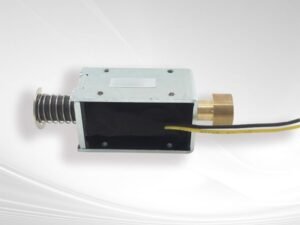
- Linear Actuators: Electromagnetic solenoids control linear motion for instrument positioning.
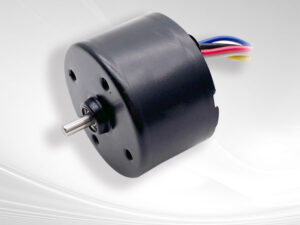
- Torque Motors: Generate rotational force for robotic arms, combining high torque with compact size.
- Haptic Feedback Systems: Use electromagnets to simulate resistance and texture, giving surgeons a “sense of touch” during operations.
- Latching Mechanisms: Secure tools or adjust tension without continuous power consumption.
1.3 Types of Electromagnets in Surgical Robotics
- Voice Coil Actuators (VCAs): Provide direct, frictionless motion for high-speed tool adjustments.
- Solenoid Valves: Regulate fluid or air flow in pneumatic/hydraulic end-effectors.
- Magnetic Levitation Systems: Enable contactless movement of tools, reducing wear and contamination risks.
2. Advantages of Electromagnets in Surgical Robotics
2.1 Sub-Millimeter Precision
Electromagnetic actuators achieve positional accuracy down to 10 microns, critical for procedures like corneal surgery or nerve repair. This precision minimizes collateral damage to healthy tissues.
2.2 Rapid Response Times
Elettromagneti operate in milliseconds, allowing real-time adjustments during dynamic tasks such as beating-heart surgery or laser ablation.
2.3 Enhanced Safety and Reliability
- Fail-Safe Mechanisms: Spring-loaded or redundant electromagnets ensure tools retract or lock during power failures.
- Sterility: Non-contact magnetic systems reduce particulate generation, maintaining sterile fields.
2.4 Compact and Lightweight Design
Miniaturized electromagnets enable slim, articulated robotic arms that navigate tight anatomical spaces, such as the brain or thoracic cavity.
2.5 Energy Efficiency
Latching electromagnets and energy-recovery circuits minimize power draw, crucial for portable or battery-powered surgical systems.
3. Applications of Electromagnets in Surgical Robots
3.1 Minimally Invasive Surgery (MIS)
Elettromagneti drive the wristed instruments of robots like the Da Vinci Surgical System, enabling seven degrees of freedom (DOF) for suturing, cutting, and dissection through tiny incisions.
Case Study: A hospital reduced post-op complications by 30% using electromagnetic-driven robots for prostatectomies, leveraging precise vessel sealing and reduced blood loss.
3.2 Neurosurgery
- Biopsy and Tumor Resection: Magnetic-guided catheters navigate brain vasculature with sub-millimeter accuracy.
- Deep Brain Stimulation (DBS): Electromagnetic actuators position electrodes for Parkinson’s treatment, avoiding critical neural structures.
3.3 Ophthalmology
- Retinal Surgery: Voice coil actuators adjust laser focus and instrument position in procedures requiring 5-micron precision.
- Cataract Removal: Electromagnetic phacoemulsification probes fragment lenses with controlled vibration.
3.4 Orthopedics
- Bone Cutting and Drilling: Electromagnetic torque motors ensure precise osteotomy angles in knee/hip replacements.
- Spinal Fusion: Robots use magnetic feedback to position screws without damaging spinal nerves.
3.5 Endoscopy and Cardiology
- Magnetic Steering: Electromagnets guide endoscopic capsules through the gastrointestinal tract.
- Catheter Ablation: Magnetic navigation systems direct catheters to arrhythmia sites in the heart.
4. Technical Challenges and Solutions of electromagnets
4.1 Heat Generation
Challenge: Prolonged use heats coils, causing thermal expansion and calibration drift.
Solution: Liquid-cooled actuators and high-temperature materials (e.g., ceramic-insulated coils).
4.2 Electromagnetic Interference (EMI)
Challenge: EMI from imaging systems (MRI, CT) disrupts robotic control.
Solution: Shielding with mu-metal enclosures and frequency-filtered circuits.
4.3 Sterility and Biocompatibility
Challenge: Ensuring materials withstand autoclaving and resist biofilm formation.
Solution: Medical-grade stainless steel, titanium coatings, and disposable magnetic tool tips.
4.4 Force Sensitivity
Challenge: Balancing high force for cutting with delicate touch for soft tissues.
Solution: Hybrid systems combining electromagnets and piezoelectric sensors for adaptive force feedback.

5.electromagnets Innovations Shaping the Future
5.1 AI-Integrated Electromagnetic Control
Machine learning algorithms analyze surgical video and sensor data to predict optimal tool trajectories, adjusting electromagnetic actuators in real time.
Example: An AI-driven robot autonomously sutures blood vessels by learning from thousands of expert-surgeon demonstrations.
5.2 Nanoscale Magnetic Actuators
Nano-electromagnets enable microbots for targeted drug delivery or plaque removal in arteries, controlled externally via MRI-guided magnetic fields.
5.3 Magnetic Particle Imaging (MPI)
Emerging MPI systems use electromagnets to track injected nanoparticles in real time, enhancing surgical navigation without radiation.
5.4 Self-Powered Systems
Energy-harvesting electromagnets capture kinetic energy from robotic movements, reducing reliance on external power sources.
5.5 Collaborative Robotics (Cobots)
Surgeons and robots share control via electromagnetic haptic interfaces, blending human intuition with machine precision.
6. Selecting Electromagnetic Solutions for Surgical Robots
6.1 Key Considerations
- Precision Requirements: Match actuator resolution to surgical tasks (e.g., 10 µm for microsurgery).
- Sterility Compliance: Ensure materials meet ISO 13485 and FDA biocompatibility standards.
- EMC Certification: Validate EMI/EMC performance to avoid interference with medical devices.
- Customization: Tailor force profiles, sizes, and control interfaces to OEM specifications.
6.2 Custom Solutions for Medical OEMs
As a manufacturer, we offer:
- Hermetic Sealing: For implants or in-body robotic tools.
- MRI-Compatible Actuators: Non-ferromagnetic designs for intraoperative MRI environments.
- Ultra-Compact VCAs: For handheld robotic scalpels or endoscopic tools.
Electromagnets—The Precision Partners of Surgical Innovation
Elettromagneti are indispensable in the evolution of surgical robotics, bridging the gap between human skill and machine accuracy. From enabling life-saving minimally invasive procedures to paving the way for autonomous nanobots, their role in medicine is both transformative and expanding.
As surgical robots advance toward greater autonomy and accessibility, the demand for smarter, smaller, and safer electromagnetic solutions will grow. For medical device manufacturers, partnering with an experienced electromagnet provider is critical to staying at the forefront of this revolution.
In the delicate dance of surgery, where every micron matters, electromagnets provide the perfect balance of power and precision—proving that even the smallest magnetic force can have an outsized impact on human health.
Informazioni sulla fabbrica di elettromagneti SF
Shengfeng Electromagnet Co., Ltd. è stata fondata nel 2015 e si trova nel Parco Industriale di Xiansha, in una splendida zona con comodi collegamenti di trasporto. L'azienda si estende su una superficie di 16.000 metri quadrati e dispone di moderni impianti di produzione, attrezzature di produzione all'avanguardia e un team tecnico altamente qualificato. Fin dalla sua fondazione, l'azienda ha sempre aderito alla filosofia aziendale di "innovazione, qualità e servizio", concentrandosi sulla ricerca, lo sviluppo e la produzione di elettromagneti, promuovendo costantemente l'aggiornamento dei prodotti e il progresso tecnologico, e fornendo ai clienti prodotti e servizi della migliore qualità.
Perché scegliere un elettromagnete SF
QUALITÀ DI ALTA GAMMA:In qualità di miglior produttore di elettromagneti a solenoide in Cina, il nostro team di controllo qualità garantisce che ogni singolo prodotto ricevuto sia della massima qualità. Disponiamo di attrezzature professionali per i test di qualità.
PROGETTAZIONE DEL PRODOTTO:Il nostro reparto campionatura gestisce l'intero processo di trasformazione dei disegni in realtà. Inoltre, grazie alla nostra pluriennale esperienza, ottimizziamo il design del vostro prodotto. Fateci sapere cosa ne pensate.
TEMPI DI CONSEGNA STABILI:In qualità di produttore e fornitore leader di elettromagneti, disponiamo di una capacità produttiva adeguata: anche di fronte a grandi ordini siamo in grado di garantire consegne puntuali.
MIGLIOR PREZZO:Siamo produttori diretti di elettromagneti e il miglior produttore di solenoidi in Cina; ecco perché possiamo offrire prodotti di alta qualità al miglior prezzo.
GESTIONE PRECISA:Non si può ottenere nulla senza una gestione precisa. Siamo un'azienda dotata di un sistema di gestione completo.
SERVIZIO 24 7 GIORNI SU 24:In qualità di miglior produttore di solenoidi, offriamo una risposta immediata 24 ore su 24, 7 giorni su 7: raccoglieremo il tuo feedback per diventare un fornitore migliore. Contattaci. Bomba +86 18902611680
Domande frequenti sull'elettromagnete
Siamo un top cinese elettromagnete Siamo produttori e la nostra fabbrica si trova a Dongguan. Benvenuti a visitare la nostra fabbrica!
Siamo specializzati nella progettazione e produzione di alta qualità elettromagnete,elettrovalvola,ad esempio elettrovalvola rotante, solenoidi bistabili, solenoidi di bloccaggio, solenoidi a telaio aperto, solenoidi tubolari, solenoide autobloccante
•Naturalmente, di solito forniamo campioni gratuiti e dovrete coprire solo le spese di spedizione. Per campioni di elettromagneti personalizzati, vi preghiamo di inviarci le vostre richieste per verificare il costo del campione.
• La produzione del campione richiede circa 7 giorni.
Sì, offriamo servizi di progettazione gratuiti, tra cui progettazione strutturale e grafica semplice.
Certamente. Possiamo realizzare qualsiasi elettromagnete con il vostro design. Ora offriamo un servizio ODM per solenoidi, ideale per piccole quantità da 100 a 500 pezzi, con la possibilità di personalizzare il prodotto con il vostro logo.
A seconda della quantità dell'ordine e dei dettagli di produzione, ci vorranno circa dai 15 ai 20 giorni.
Sempre un campione di pre-produzione prima della produzione di massa; sempre un'ispezione finale prima della spedizione.
• Potenza, utilizzo, dimensioni, materiale, quantità, destinazione di spedizione, ecc.
• Puoi anche semplicemente comunicarci le tue esigenze e ti consiglieremo i prodotti più adatti.
• Via mare, via aerea o tramite corriere espresso.
• Se disponete di un vostro spedizioniere in Cina, il prezzo è quello franco fabbrica o FOB.
•CFR o CIF, ecc., se avete bisogno che spediamo per vostro conto.
• È possibile utilizzare anche DDP e DDU.
• Più opzioni, prenderemo in considerazione le vostre scelte.
• Il prezzo è determinato dalla quantità, dal materiale, dal metodo di lavorazione, dalle dimensioni e da altri fattori. Inoltre, a causa del nostro continuo
Grazie all'innovazione tecnologica, i prezzi di alcuni dei nostri prodotti sono estremamente competitivi. Contattateci per un preventivo.