









Dernière mise à jour le 03/09/2025 par Usine de solénoïdes
As a device that converts electrical energy into magnetic energy, électro-aimant plays a vital role in the history of human science and technology. From the discovery of the basic principles of electromagnetism to the birth of electromagnets and their wide application in various fields, this process has not only promoted the progress of science and technology, but also profoundly changed the way of life and production of human beings. This article will discuss the invention, history and development of electromagnets in detail.
1. Basic principles of electromagnetism and early exploration
The relationship between electricity and magnetism has attracted human attention since ancient times. As early as 600 BC, Thales, a natural philosopher in ancient Greece, recorded the phenomenon that amber attracted light and small objects and magnets attracted iron after friction. However, people at that time had a superficial understanding of magnetism and electricity and lacked a systematic theoretical explanation.
Ancient China had noticed the magnetic phenomenon and invented the compass. The compass used the natural magnetism of magnetite to make the spoon handle point south under the action of geomagnetism, becoming the world’s first compass. This invention played an important role in fields such as navigation and greatly promoted the progress of human civilization.
In the Middle Ages in Europe, magnetism was further studied, but the understanding of magnetic phenomena remained at the empirical and experimental stage. At the same time, electrical phenomena were gradually observed by people. For example, the Greeks discovered that rubbing amber could attract light and small objects, but they were also unable to explain this phenomenon.
In 1600, the Englishman William Gilbert published a monograph on magnetism, “The Magnet”, which systematically discussed that the earth is a large magnet and described many magnetic experiments. He corrected the misunderstanding of his predecessors that friction attracted light objects, proposed that this was not due to magnetic force, but the effect of electricity, and used the Greek word “amber” to create the word “electric”.
In the 18th century, with the advent of a series of important discoveries such as electric charge, the difference between conductors and insulators, the two types of electricity, and methods of storing electricity, the study of electricity gradually deepened. Among them, the invention of the Leyden jar made electricity store and useable, providing an important tool for later electrical research.
In the early 19th century, the study of electromagnetism ushered in a major breakthrough. In 1820, Danish physicist Hans Christian Oersted accidentally discovered the relationship between electric current and magnetic field during a classroom demonstration. He noticed that when current passed through a wire, a nearby compass would deflect. This phenomenon shows that electric current can generate magnetic field, revealing the deep connection between electricity and magnetism, marking the beginning of electromagnetic research.
2. The invention and early application of electromagnet
Based on Oersted’s discovery of the magnetic effect of electric current, scientists further explored the mechanism of electric current generating magnetic field and tried to use this phenomenon for application. Based on Oersted’s discovery, British scientist Michael Faraday discovered the phenomenon of electromagnetic induction through a series of experiments, that is, a changing magnetic field can generate electric current in a conductor. This discovery laid the foundation for the establishment of electromagnetic theory and provided theoretical support for the invention of electromagnet.
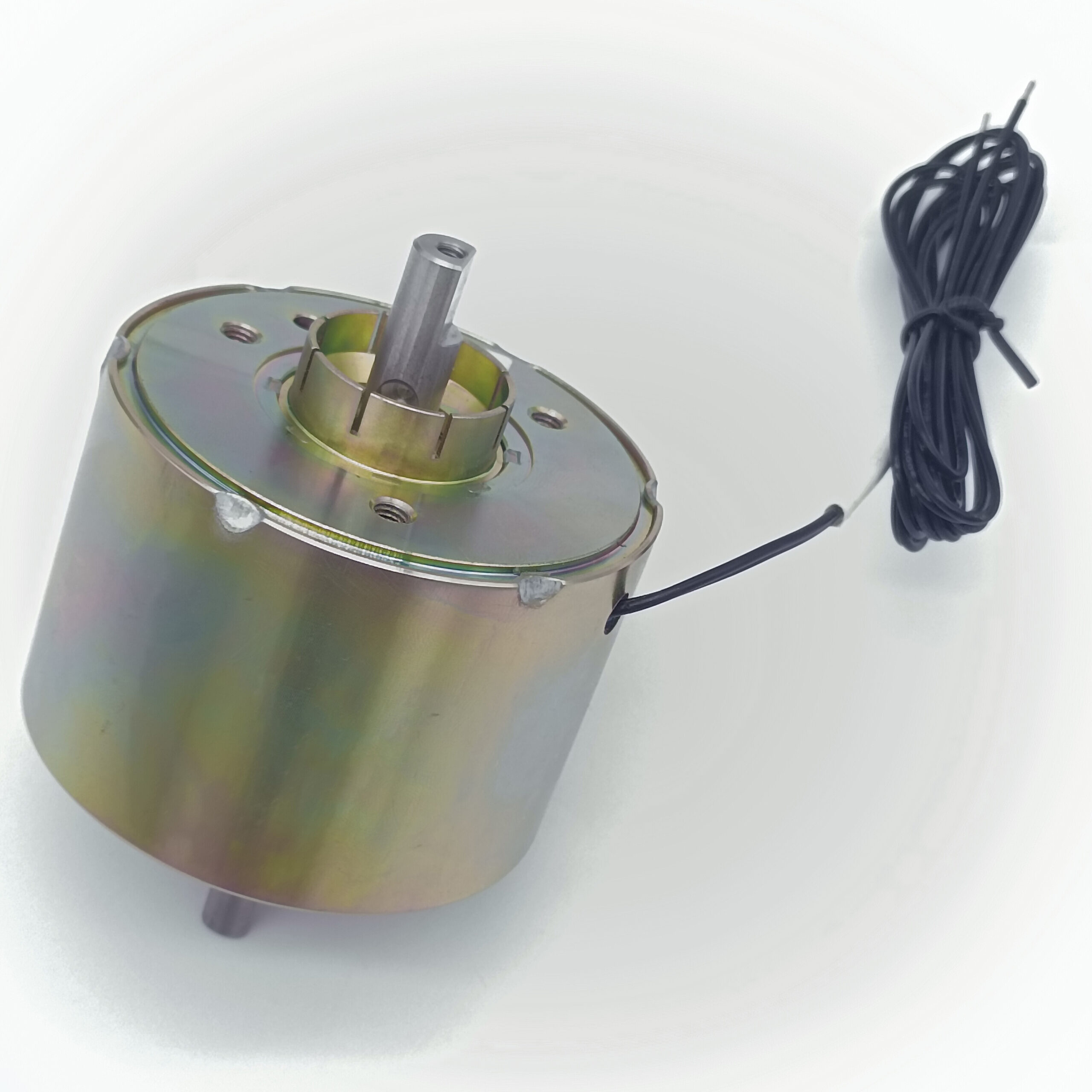
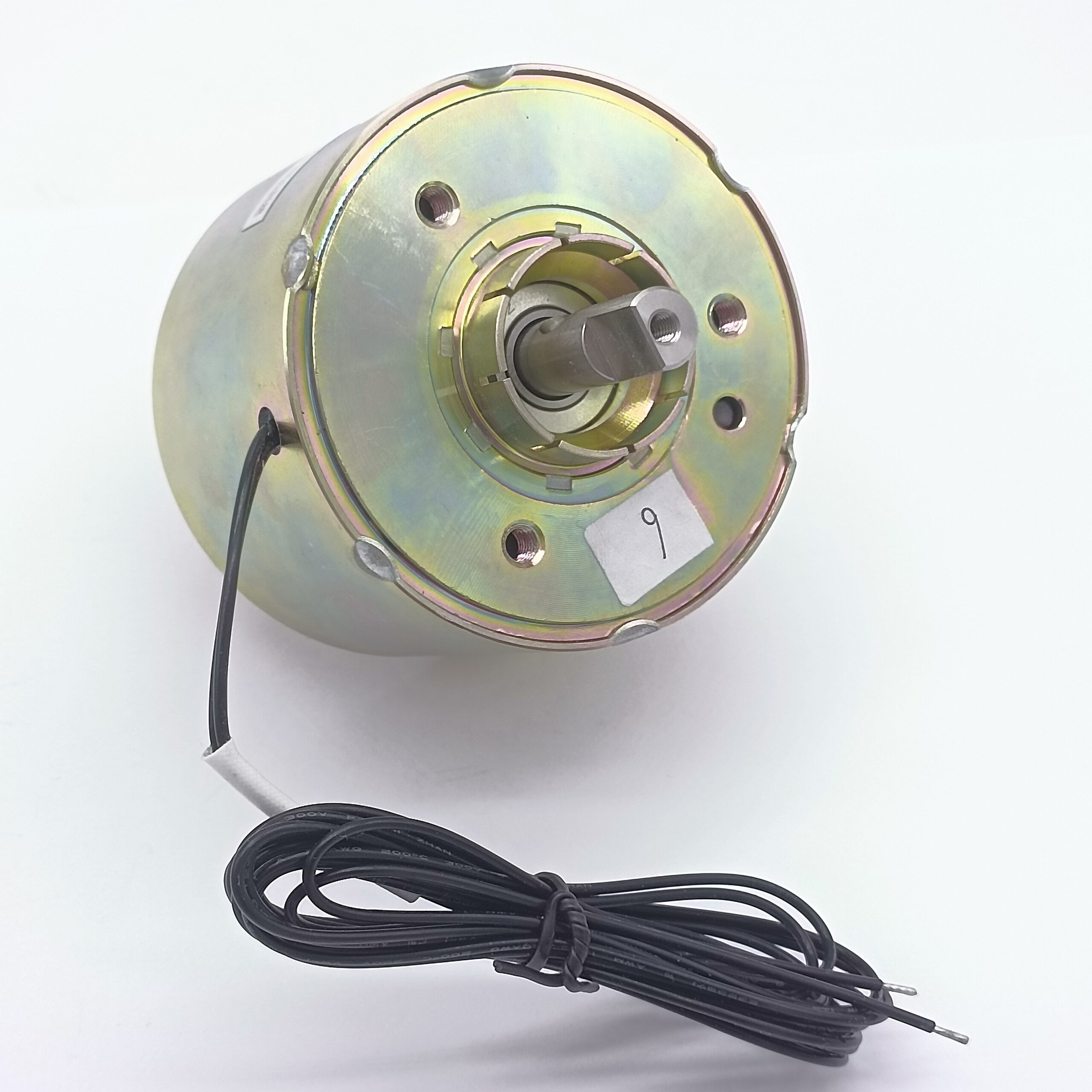
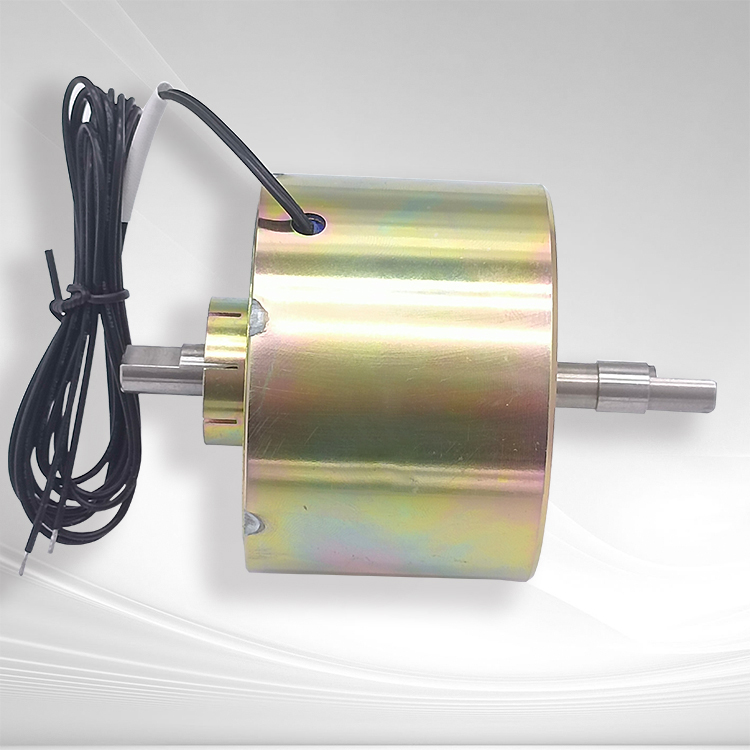
The principle of électro-aimant is based on the fact that electric current generates magnetic field through a coil wound by a wire, and this magnetic field can be amplified by the iron core. By adjusting the current size and the number of turns of the coil, the magnetic field strength of the electromagnet can be controlled.
In 1823, British scientist William Sturgeon conducted a landmark experiment. He wound 18 turns of bare copper wire on a U-shaped iron rod. When the copper wire was connected to a voltaic battery, the copper coil wound on the U-shaped iron rod generated a dense magnetic field, turning the U-shaped iron rod into an “electromagnet”. The magnetic energy of this electromagnet is many times greater than that of a permanent magnet. It can absorb an iron block 20 times heavier than it. When the power is cut off, the U-shaped iron bar loses its magnetism and becomes an ordinary iron bar again.
Sturgeon’s invention made people see the bright prospects of converting electrical energy into magnetic energy. This invention quickly spread in Britain, the United States and some coastal countries in Western Europe. The invention of the electromagnet provided new tools for electromagnetic research and application, and also promoted the development of electromagnetic theory.
In 1829, American electrician Joseph Henry made some innovations to the Sturgeon electromagnet device. He replaced the bare copper wire with an insulated wire, so there was no need to worry about being short-circuited by the copper wire being too close. Because the wires have an insulating layer, they can be tightly wound together. Since the denser the coil, the stronger the magnetic field generated, this greatly improves the ability to convert electrical energy into magnetic energy.

3. The development and wide application of electromagnet
With the continuous improvement and innovation of electromagnet technology, its application field has gradually expanded. Electromagnets have been widely used in telegraph systems. In 1837, Samuel Morse invented the telegraph, which achieved long-distance information transmission through the telegraph key controlled by electromagnets. The invention and application of the telegraph greatly promoted the development of communication technology.
The application of electromagnets in motors and generators is an important practice of electromagnetic theory. Motors use the magnetic field generated by electromagnets to drive rotating machinery to convert electrical energy into mechanical energy. Generators induce current in conductors through rotating magnetic fields to convert mechanical energy into electrical energy. The invention and application of motors and generators marked the advent of the electrical age.
In addition, electromagnets also play an important role in magnetic levitation technology. Maglev trains achieve frictionless suspension and high-speed operation through the magnetic field generated by electromagnets. This technology has broad application prospects in the field of transportation.
In industrial production, electromagnets are widely used in lifting, traction, braking and other fields. Lifting electromagnets are used to lift magnetic materials such as steel and iron sand; traction electromagnets are used to pull mechanical devices to perform automatic control tasks; brake electromagnets are used as mechanical brakes for motors in electrical transmission devices.
In daily life and scientific research, electromagnets are also widely used. For example, electromagnetic relays use electromagnets to control the on and off of circuits; electronic door locks use electromagnets to realize the opening and closing of door locks; intelligent channel turns use electromagnets to control the passage of channels; and electromagnetic flowmeters use electromagnets to measure the flow of fluids.
4. Modern progress and future prospects of electromagnet technology
With the continuous development of science and technology, électro-aimant technology is also constantly improving. Modern electromagnets use more advanced materials and manufacturing processes, with higher performance and a wider range of applications.
In terms of materials, modern electromagnets use high-performance soft magnetic materials and conductive materials. These materials have higher magnetic permeability and electrical conductivity, and can generate stronger magnetic fields and higher efficiency. At the same time, the use of these materials can also reduce the volume and weight of electromagnets, and improve their reliability and service life.
In terms of manufacturing technology, modern electromagnets use precision processing and assembly technologies. These technologies can ensure the precise control of parameters such as the number of turns, wire diameter, and insulation layer thickness of the electromagnet, thereby improving its performance and stability. In addition, the use of advanced packaging and heat dissipation technologies can also effectively reduce the temperature rise and noise of electromagnets.
In the future, with the continuous development of new energy, intelligent manufacturing and other fields, electromagnet technology will usher in more opportunities and challenges. For example, in new energy vehicles, electromagnets will be used to drive key components such as motors, braking systems and suspension systems; in intelligent manufacturing, electromagnets will be used to achieve more precise control and positioning functions. At the same time, with the continuous development of emerging technologies such as nanotechnology and quantum technology, electromagnet technology will continue to develop in the direction of miniaturization, intelligence and multifunctionality.
electromagnet changed human lifestyles and production methods
From the discovery of the basic principles of electromagnetism to the invention and application of electromagnets, mankind has gone through a long journey. This journey has not only promoted the progress of science and technology, but also profoundly changed human lifestyles and production methods. As an important electromagnetic device, electromagnets play an irreplaceable role in communications, electricity, transportation, industrial production and other fields. Looking to the future, with the continuous development of science and technology, électro-aimant technology will usher in more opportunities and challenges, and make greater contributions to the progress of human civilization.
À propos de l'usine d'électroaimants SF
Shengfeng Electromagnet Co., Ltd., fondée en 2015, est située dans le parc industriel de Xiansha, bénéficiant d'un cadre agréable et d'une excellente desserte. L'entreprise s'étend sur 16 000 mètres carrés et dispose d'usines de production modernes, d'équipements de pointe et d'une équipe technique hautement qualifiée. Depuis sa création, elle s'est toujours attachée à sa philosophie d'entreprise axée sur l'innovation, la qualité et le service, en se concentrant sur la recherche, le développement et la production de… électroaimants, en promouvant constamment les mises à jour de produits et les progrès technologiques, et en fournissant aux clients des produits et services de la meilleure qualité.
Pourquoi choisir l'électroaimant SF ?
HAUTE QUALITÉ :En tant que premier fabricant d'électroaimants à solénoïde en Chine, notre équipe de contrôle qualité veille à ce que chaque produit que vous recevez soit d'une qualité irréprochable. Nous disposons d'équipements professionnels pour les tests de qualité.
CONCEPTION DU PRODUIT :Notre service d'échantillonnage maîtrise l'ensemble du processus de concrétisation de vos plans. Nous optimisons également la conception de vos produits en nous appuyant sur nos années d'expérience. Faites-nous part de vos avis.
DÉLAI DE LIVRAISON STABLE :En tant que fabricant et fournisseur d'électroaimants de premier plan, nous disposons d'une capacité de production suffisante ; les commandes importantes ne nous effraient pas et nous sommes en mesure de les livrer dans les délais.
MEILLEUR PRIX :Nous sommes une usine d'origine spécialisée dans les électroaimants et le meilleur fabricant de solénoïdes en Chine ; c'est pourquoi nous pouvons proposer des produits de haute qualité au meilleur prix.
GESTION PRÉCISE :Rien ne peut être accompli sans une gestion rigoureuse. Nous sommes une entreprise dotée d'un système de gestion complet.
SERVICE 7-24 :En tant que fabricant de solénoïdes de premier plan, nous assurons une réponse immédiate 24h/24 et 7j/7 : nous prenons en compte vos retours pour devenir un meilleur fournisseur.
FAQ sur les électroaimants
Nous sommes un leader chinois électro-aimant Notre usine de fabrication est située à Dongguan. Nous serions ravis de vous accueillir !
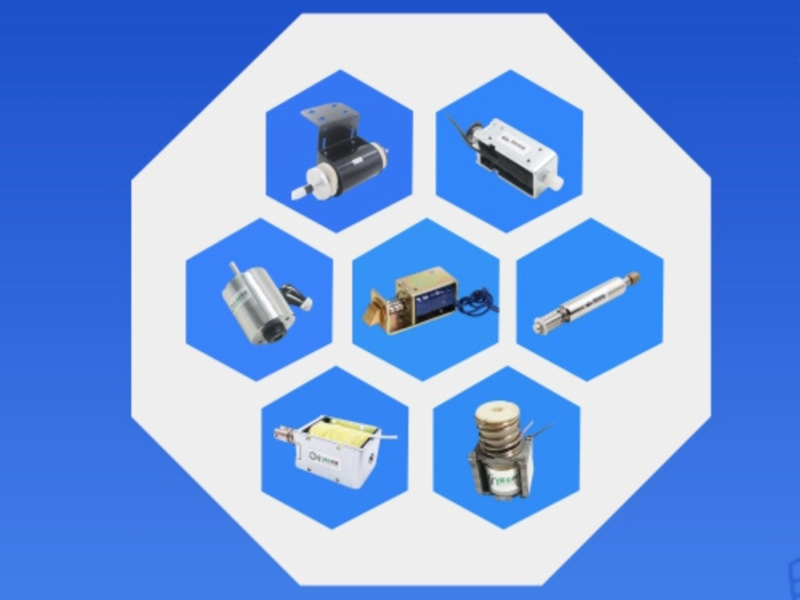
Nous sommes spécialisés dans la conception et la production de produits de haute qualité. électro-aimant,électrovanne,tel que solénoïde rotatif, solénoïdes bistables, solénoïdes de verrouillage, solénoïdes à cadre ouvert, solénoïdes tubulaires, solénoïde auto-maintenu
Bien entendu, nous fournissons généralement des échantillons gratuits ; vous n’avez qu’à prendre en charge les frais de port. Pour les échantillons d’électroaimants sur mesure, veuillez nous communiquer vos exigences afin que nous puissions vous indiquer le coût de l’échantillon.
• La production d'un échantillon prend environ 7 jours.
Oui, nous proposons des services de conception gratuits, incluant la conception structurelle et la conception graphique simple.
Bien sûr. Nous pouvons fabriquer n'importe quel électroaimant selon votre conception. Nous proposons désormais un service ODM de solénoïdes pour les petites séries (de 100 à 500 pièces), avec la possibilité d'y apposer votre logo.
En fonction de la quantité commandée et des détails de production, cela prendra environ 15 à 20 jours.
Toujours un échantillon de préproduction avant la production en série ; toujours une inspection finale avant l'expédition
• Puissance, consommation, dimensions, matériau, quantité, destination de livraison, etc.
• Vous pouvez aussi simplement nous faire part de vos besoins et nous vous recommanderons des produits.
• Par mer, par air ou par transport express.
• Si vous avez votre propre transitaire en Chine, il s'agit du prix départ usine ou FOB.
•CFR ou CIF, etc., si vous avez besoin que nous expédiions en votre nom.
• Le DDP et le DDU peuvent également être utilisés.
• Plus de choix, nous prendrons en compte vos choix.
Le prix est déterminé par la quantité, le matériau, le procédé de fabrication, la taille et d'autres facteurs. De plus, grâce à notre croissance continue, nous proposons des tarifs compétitifs.
Grâce à l'innovation technologique, les prix de certains de nos produits sont extrêmement compétitifs ; veuillez nous contacter pour obtenir un devis.