









Dernière mise à jour le 04/09/2025 par Usine de solénoïdes
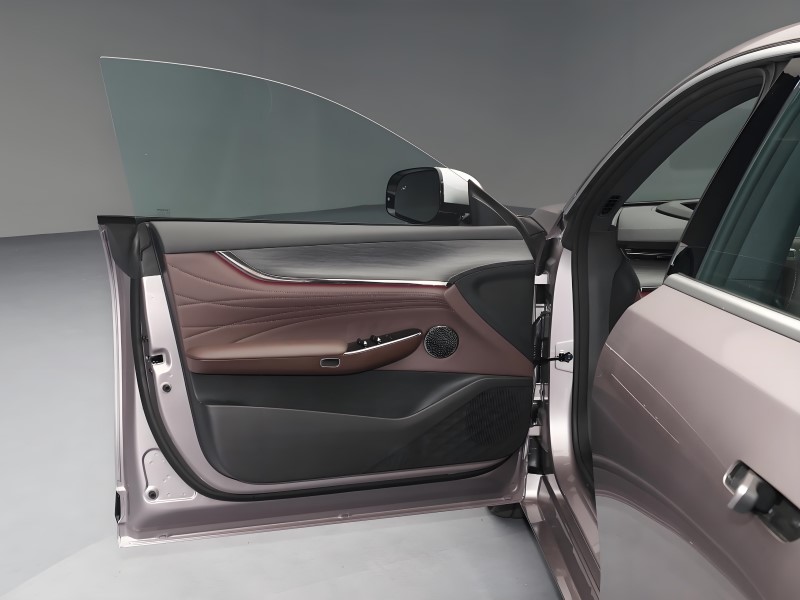
The electric vehicle (EV) revolution is not just about batteries and motors; it’s also about redefining the user experience through smarter, safer, and more intuitive systems. Among the unsung innovations driving this transformation are électroaimants—devices that combine electrical control with mechanical action to deliver seamless functionality. In EVs, electromagnets are pivotal in two critical areas: door locking systems et seat adjustment mechanisms. These applications highlight how electromagnetic technology enhances security, comfort, and energy efficiency, all while aligning with the minimalist, high-tech ethos of modern EVs.
As a professional electromagnet manufacturer, we explore the science, advantages, and innovations of electromagnets in EV door locks and seat adjustments. This blog delves into their technical intricacies, real-world applications, and the future of electromagnetic automotive design.
1. The Science of Electromagnetic Control in Automotive Systems
1.1 How Electromagnets Work
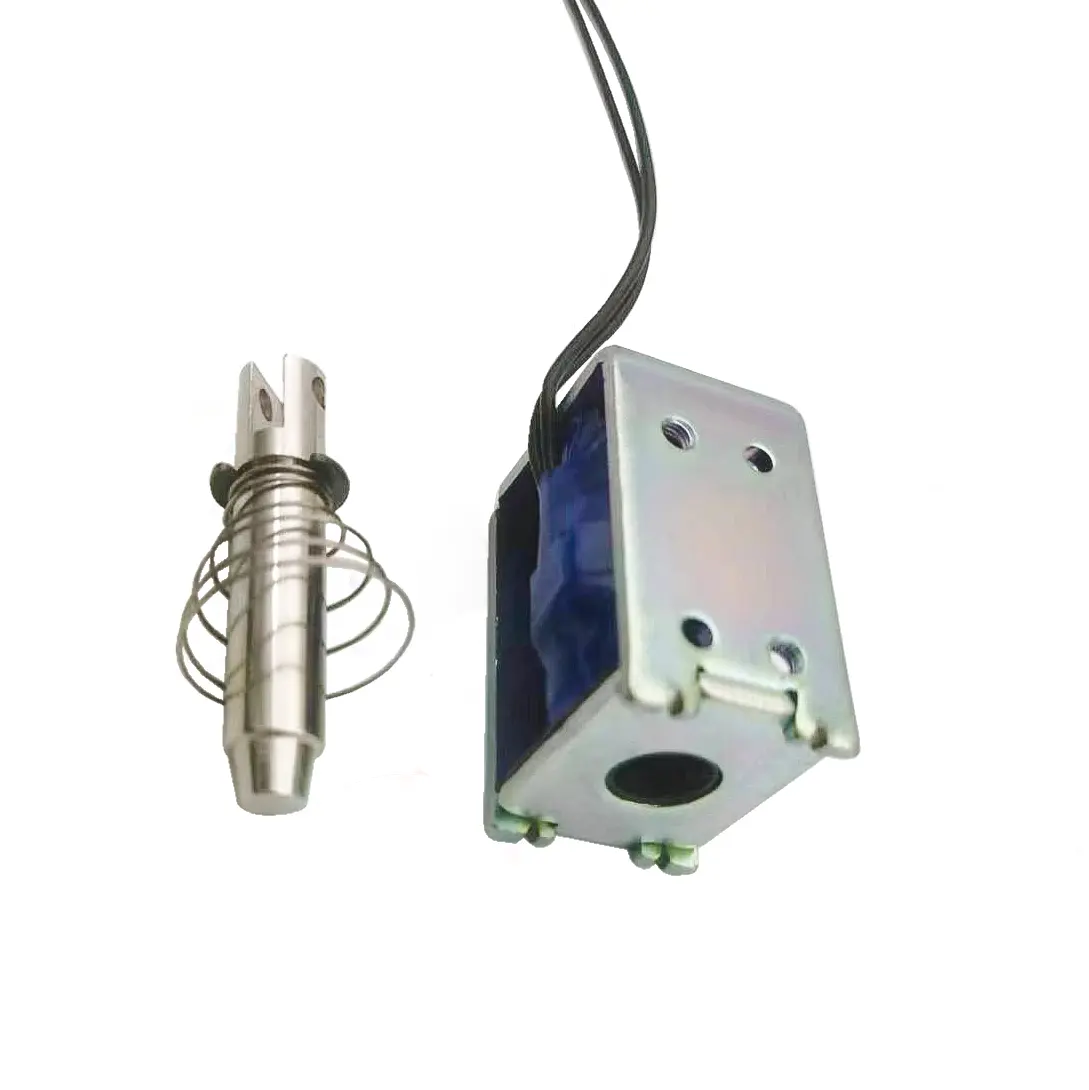
électroaimants generate a magnetic field when an electric current flows through a wire coil. This field attracts or repels ferromagnetic components, creating precise mechanical motion. By modulating the current, engineers can control the timing, force, and direction of movement—capabilities that are indispensable in automotive applications.
1.2 Key Components in EV Systems
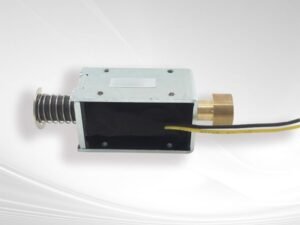
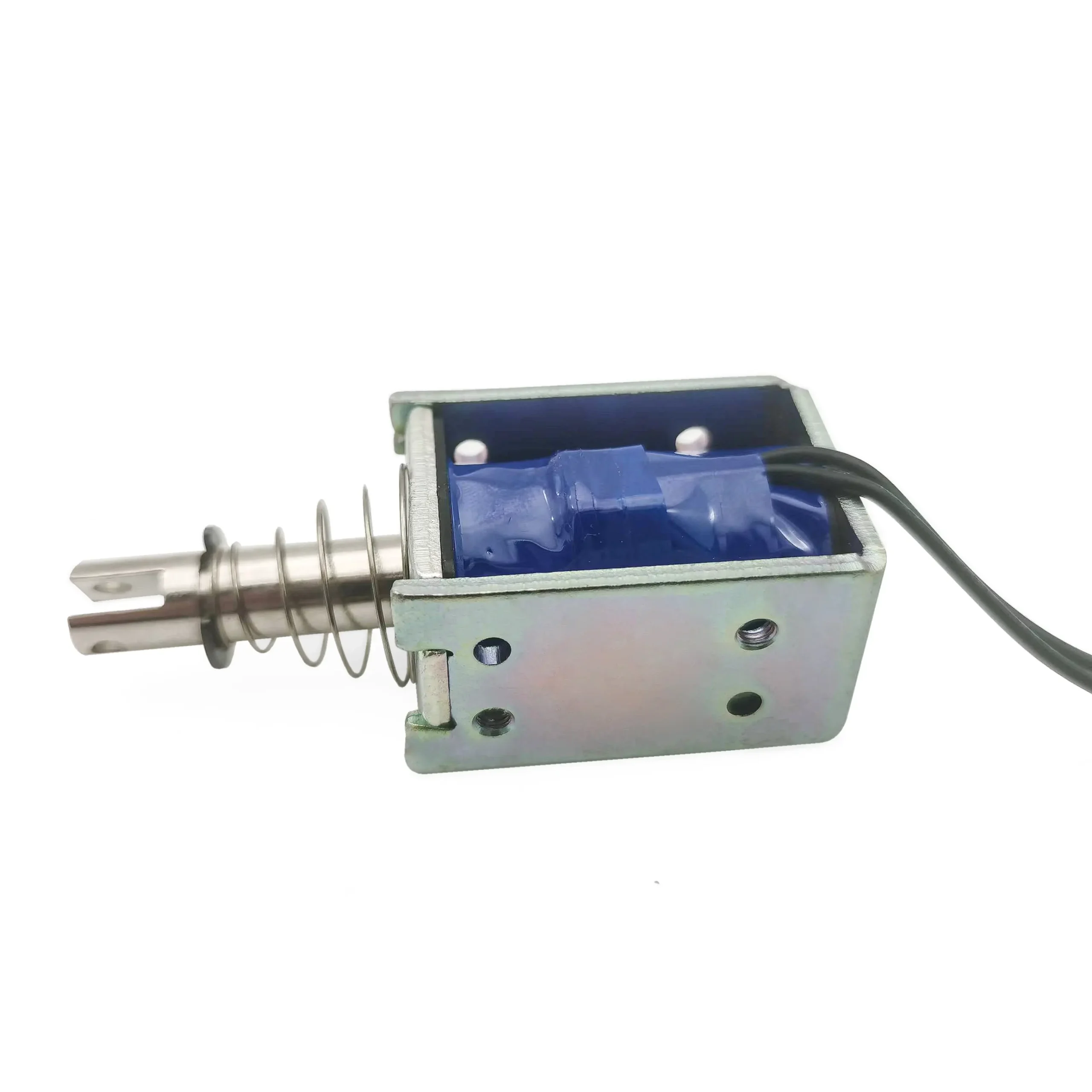
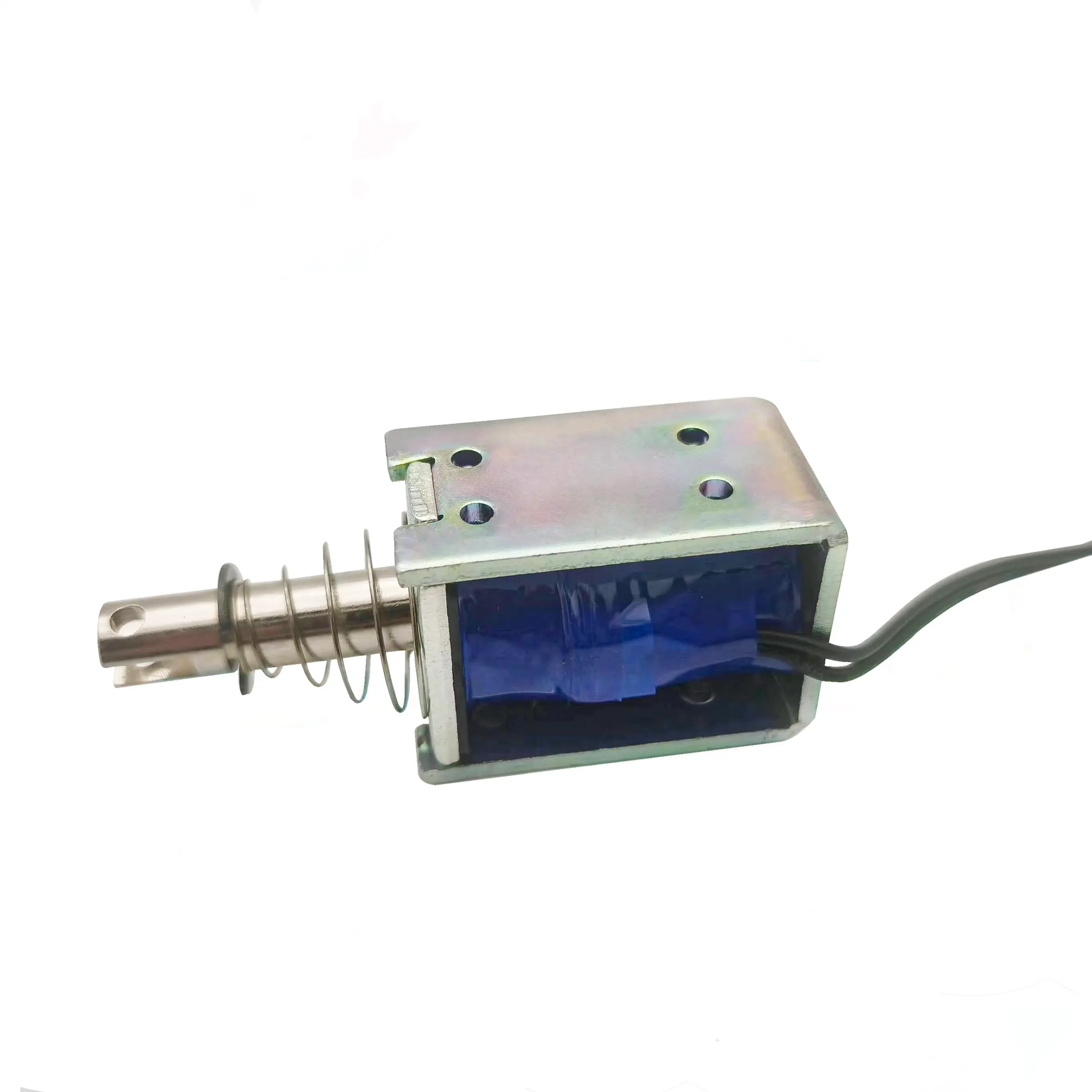
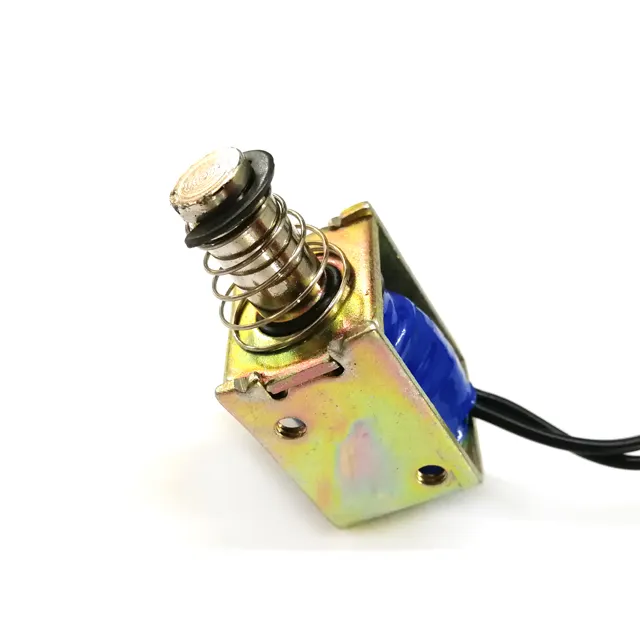
- Solenoids: Compact electromagnetic actuators that convert electrical signals into linear or rotary motion.
- Latching Mechanisms: Use permanent magnets or spring-loaded systems to maintain position without continuous power.
- Control Modules: Integrated with vehicle ECUs (Electronic Control Units) to coordinate operations with other systems.
2. Electromagnets in Electric Vehicle Door Locks
2.1 The Shift to Electronic Door Locking
Traditional mechanical door locks are being replaced by electronic systems in EVs to enhance security, enable keyless entry, and support over-the-air (OTA) updates. Electromagnets are at the heart of these advanced locking mechanisms.
2.2 Roles of Electromagnets in Door Locks
- Central Locking Systems: Electromagnetic actuators lock or unlock all doors simultaneously via a signal from the key fob or touchscreen.
- Child Safety Locks: Electromagnets disable rear door handles to prevent accidental opening during transit.
- Anti-Theft Mechanisms: Integrate with alarms and immobilizers to deter unauthorized access.
Étude de cas : A leading EV manufacturer reduced door lock failures by 40% by replacing mechanical linkages with electromagnetic actuators, improving reliability in extreme temperatures.
2.3 Keyless Entry and Smart Features
- Proximity Sensors: Electromagnets work with capacitive or RFID sensors to unlock doors as the driver approaches.
- Motorized Door Handles: Sleek, flush-mounted handles pop out electromagnetically, enhancing aerodynamics and aesthetics.
- Emergency Overrides: Fail-safe electromagnets release doors during power outages or collisions.
2.4 Safety and Redundancy
Electromagnetic door locks include redundant power supplies and self-diagnostic algorithms to ensure functionality even during electrical faults. For example, backup capacitors provide enough energy to unlock doors in emergencies.
3. Electromagnets in Seat Adjustment Systems
3.1 The Demand for Personalized Comfort
Modern EVs prioritize passenger comfort with multi-axis seat adjustments, memory presets, and ergonomic support. Electromagnets enable precise, quiet, and energy-efficient control of these features.
3.2 Roles of Electromagnets in Seat Adjustments
- Motorized Positioning: Electromagnetic actuators drive seat tracks for forward/backward, height, tilt, and lumbar adjustments.
- Memory Functions: Preset positions are stored in the ECU and replicated via electromagnetic control.
- Massage and Ventilation: Electromagnets adjust air bladders or vibration modules in premium seats.
Étude de cas : A luxury EV brand reduced seat adjustment noise by 60% using electromagnetic actuators, enhancing cabin tranquility.
3.3 Safety Integration
- Crash Response: During collisions, electromagnets lock seats in place to optimize airbag deployment and reduce occupant movement.
- Child Seat Detection: Sensors in the seat cushion trigger electromagnetic locks to prevent unintended adjustments when a child seat is detected.
3.4 Energy Efficiency
Latching electromagnets consume power only during adjustment, unlike traditional motors that draw energy continuously. This aligns with EVs’ focus on minimizing parasitic loads to extend driving range.
4. Défis techniques et solutions des électroaimants
4.1 Durability in Harsh Conditions
Défi: Door locks and seat mechanisms face temperature extremes (-40°C to 85°C), moisture, and vibration.
Solution: Use corrosion-resistant materials (e.g., stainless steel, nickel-plated cores) and IP67-rated enclosures.
4.2 Electromagnetic Interference (EMI)
Défi: High-voltage EV systems generate EMI, disrupting solenoid operation.
Solution: Shielded cables, ferrite beads, and optimized PCB layouts to minimize noise.
4.3 Power Management
Défi: Balancing actuator performance with energy consumption in battery-dependent EVs.
Solution: Low-power latching designs and energy-recovery circuits that recapture braking energy for cabin systems.
4.4 Miniaturization
Défi: Space constraints in slim door panels and compact seat designs.
Solution: Micro-solenoids and flat-wire coils that maximize force in minimal footprints.
5. Innovations Shaping the Future of electromagnets
5.1 Smart and Connected Systems
- IoT Integration: Electromagnetic door locks and seats communicate with smartphones or cloud platforms for personalized settings. For example, seats automatically adjust to driver profiles stored in the cloud.
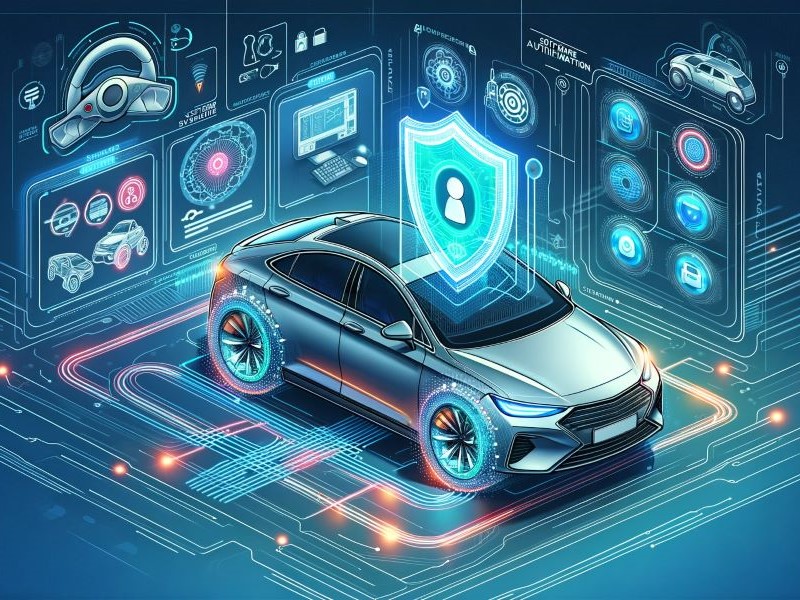
- Biometric Authentication: Fingerprint or facial recognition systems trigger electromagnetic locks, replacing physical keys.
5.2 Haptic Feedback
Electromagnets in seats and door handles provide tactile responses, such as vibrations when a door is unlocked or a seat reaches its preset position.
5.3 Sustainable Materials
Recyclable coils and biodegradable insulation materials reduce the environmental footprint of electromagnetic components.
5.4 AI-Driven Personalization
Machine learning algorithms analyze passenger posture and preferences to auto-adjust seats via electromagnetic actuators, enhancing comfort on long drives.
5.5 Autonomous Vehicle Adaptations
In self-driving EVs, electromagnets enable seats to swivel or recline into “relaxation mode” when the car is in autonomous driving mode, with locks securing occupants safely.
6. Choosing the Right Electromagnetic Solutions
6.1 Critères clés de sélection
- Force and Stroke Requirements: Match actuator strength to door or seat mechanics.
- Environmental Resistance: Ensure components withstand temperature, humidity, and vibration.
- Power Efficiency: Prioritize low-energy designs to preserve EV range.
- Certifications: Compliance with automotive standards like ISO 26262 (functional safety) and AEC-Q200 (reliability).
6.2 Customization for EV Manufacturers
En tant que fabricant, nous proposons des solutions sur mesure, notamment :
- High-Speed Actuators: For instant door unlocking in emergency scenarios.
- Silent Solenoids: For noise-sensitive premium cabins.
- Lightweight Designs: Aluminum-core electromagnets to reduce vehicle weight.
Electromagnets—Powering the Future of EV Comfort and Security
électroaimants are the invisible force behind the enhanced safety, comfort, and sophistication of modern electric vehicles. From the effortless glide of a motorized seat to the reassuring click of a smart door lock, electromagnetic technology elevates the EV experience while aligning with the industry’s sustainability goals.
As EVs evolve toward autonomy, connectivity, and hyper-personalization, the role of electromagnets will expand further. Innovations in AI, materials science, and energy efficiency will unlock new possibilities, from self-adjusting interiors to biometric security systems.
For EV manufacturers, partnering with an experienced electromagnet provider is not just a technical necessity—it’s a strategic advantage. By embracing cutting-edge electromagnetic solutions, automakers can deliver vehicles that are not only cleaner and smarter but also more intuitive and delightful to use.
In the race to redefine mobility, electromagnets are proving to be one of the most versatile and indispensable tools in an engineer’s arsenal—a silent yet powerful driver of the electric future.
À propos de l'usine d'électroaimants SF
Shengfeng Electromagnet Co., Ltd., fondée en 2015, est située dans le parc industriel de Xiansha, bénéficiant d'un cadre agréable et d'une excellente desserte. L'entreprise s'étend sur 16 000 mètres carrés et dispose d'usines de production modernes, d'équipements de pointe et d'une équipe technique hautement qualifiée. Depuis sa création, elle s'est toujours attachée à sa philosophie d'entreprise axée sur l'innovation, la qualité et le service, en se concentrant sur la recherche, le développement et la production de… électroaimants, en promouvant constamment les mises à jour de produits et les progrès technologiques, et en fournissant aux clients des produits et services de la meilleure qualité.
Why choose SF electromagnets
HAUTE QUALITÉ :En tant que premier fabricant d'électroaimants à solénoïde en Chine, notre équipe de contrôle qualité veille à ce que chaque produit que vous recevez soit d'une qualité irréprochable. Nous disposons d'équipements professionnels pour les tests de qualité.
CONCEPTION DU PRODUIT :Notre service d'échantillonnage maîtrise l'ensemble du processus de concrétisation de vos plans. Nous optimisons également la conception de vos produits en nous appuyant sur nos années d'expérience. Faites-nous part de vos avis.
DÉLAI DE LIVRAISON STABLE :En tant que fabricant et fournisseur d'électroaimants de premier plan, nous disposons d'une capacité de production suffisante ; les commandes importantes ne nous effraient pas et nous sommes en mesure de les livrer dans les délais.
MEILLEUR PRIX :Nous sommes une usine d'origine spécialisée dans les électroaimants et le meilleur fabricant de solénoïdes en Chine ; c'est pourquoi nous pouvons proposer des produits de haute qualité au meilleur prix.
GESTION PRÉCISE :Rien ne peut être accompli sans une gestion rigoureuse. Nous sommes une entreprise dotée d'un système de gestion complet.
SERVICE 7-24 :As the best solenoid manufacturer, 24-7 immediate response: We’ll receive your feedback to make us a better supplier. Contact us +86 18902611680
FAQ sur les électroaimants
Nous sommes un leader chinois électro-aimant Notre usine de fabrication est située à Dongguan. Nous serions ravis de vous accueillir !
Nous sommes spécialisés dans la conception et la production de produits de haute qualité. électro-aimant,électrovanne,tel que solénoïde rotatif, solénoïdes bistables, solénoïdes de verrouillage, solénoïdes à cadre ouvert, solénoïdes tubulaires, solénoïde auto-maintenu
Bien entendu, nous fournissons généralement des échantillons gratuits ; vous n’avez qu’à prendre en charge les frais de port. Pour les échantillons d’électroaimants sur mesure, veuillez nous communiquer vos exigences afin que nous puissions vous indiquer le coût de l’échantillon.
• La production d'un échantillon prend environ 7 jours.
Oui, nous proposons des services de conception gratuits, incluant la conception structurelle et la conception graphique simple.
Bien sûr. Nous pouvons fabriquer n'importe quel électroaimant selon votre conception. Nous proposons désormais un service ODM de solénoïdes pour les petites séries (de 100 à 500 pièces), avec la possibilité d'y apposer votre logo.
En fonction de la quantité commandée et des détails de production, cela prendra environ 15 à 20 jours.
Toujours un échantillon de préproduction avant la production en série ; toujours une inspection finale avant l'expédition
• Puissance, consommation, dimensions, matériau, quantité, destination de livraison, etc.
• Vous pouvez aussi simplement nous faire part de vos besoins et nous vous recommanderons des produits.
• Par mer, par air ou par transport express.
• Si vous avez votre propre transitaire en Chine, il s'agit du prix départ usine ou FOB.
•CFR ou CIF, etc., si vous avez besoin que nous expédiions en votre nom.
• Le DDP et le DDU peuvent également être utilisés.
• Plus de choix, nous prendrons en compte vos choix.
Le prix est déterminé par la quantité, le matériau, le procédé de fabrication, la taille et d'autres facteurs. De plus, grâce à notre croissance continue, nous proposons des tarifs compétitifs.
Grâce à l'innovation technologique, les prix de certains de nos produits sont extrêmement compétitifs ; veuillez nous contacter pour obtenir un devis.