









Dernière mise à jour le 03/09/2025 par Usine de solénoïdes
In the realm of electromagnetic technology, solénoïdes bistables are a unique breed that offer distinct advantages for various applications. Unlike traditional solenoids, which require continuous power to maintain their position, bistable solenoids utilize a pulsed current to switch between two stable states, significantly reducing energy consumption. Whether you’re developing an automated system, creating a locking mechanism, or integrating a valve control, choosing the right bistable solenoid is crucial for ensuring optimal performance and reliability.
This blog serves as a comprehensive guide to help you navigate the world of solénoïdes bistables, with a focus on key selection criteria, application considerations, and tips for evaluating potential suppliers. By the end, you’ll be equipped with the knowledge necessary to make an informed decision that aligns with your project’s requirements.
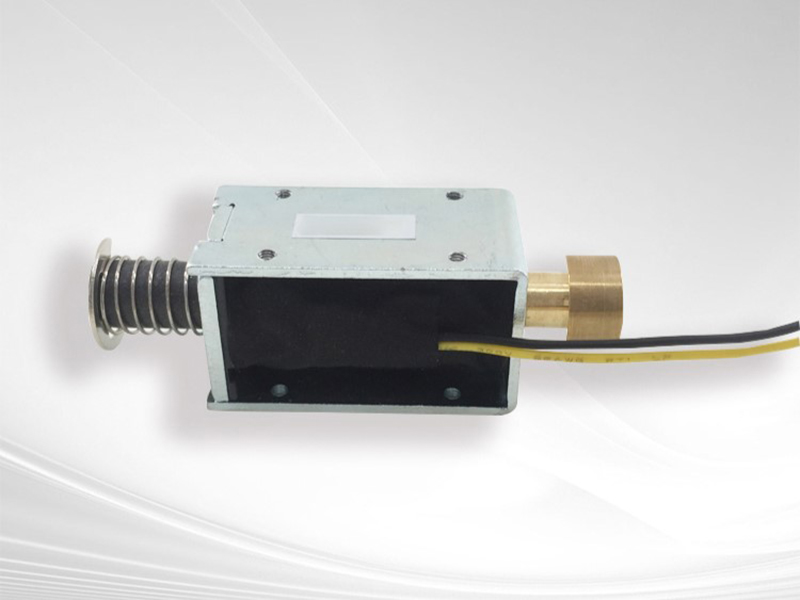
what are Bistable Solenoids
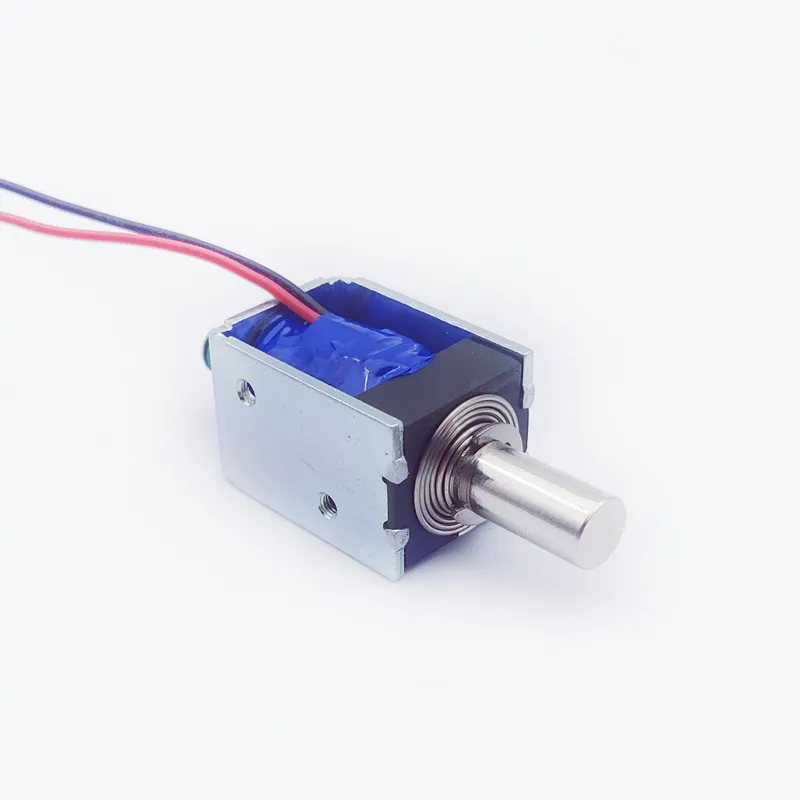
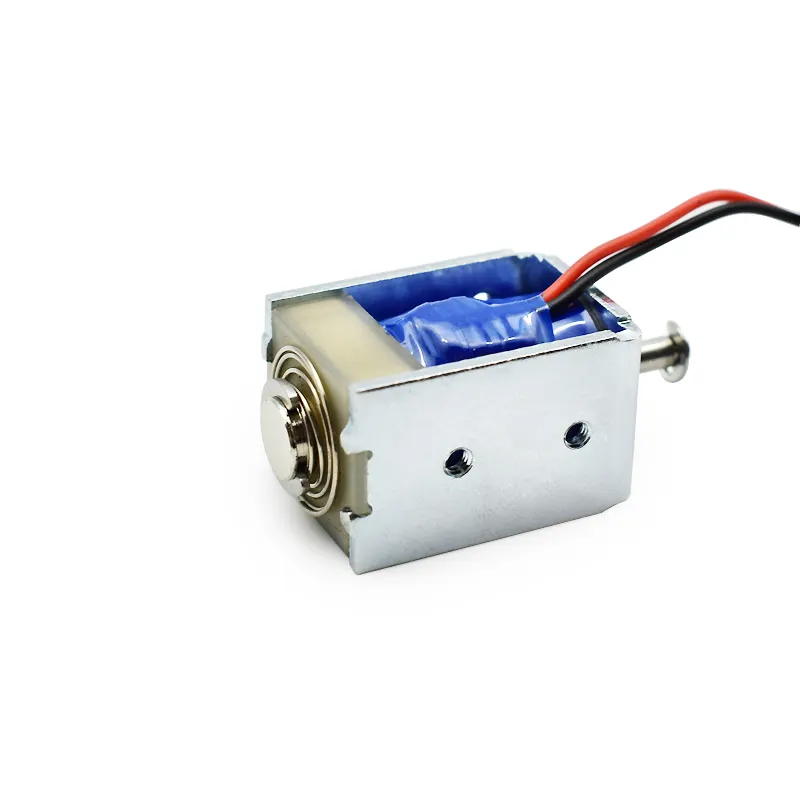
Before diving into the selection process, it’s essential to grasp the basics of solénoïdes bistables. A bistable solenoid operates on the principle of magnetic latching. When energized with a brief pulse, the armature (moving part) is attracted to either of two stable positions, held there by residual magnetism until the next pulse reverses its direction. This dual-state stability eliminates the need for continuous power, making bistable solenoids ideal for applications requiring low power consumption and long-term reliability.
Key Characteristics:
- Two Stable States: The armature latches in one of two positions after being pulsed.
- Energy Efficiency: No continuous power is required to maintain position.
- Compact Design: Often suitable for space-constrained applications.
- Long Lifespan: High durability due to reduced wear and tear.
Choosing the Right Bistable Solenoid: Key Criteria
Choisir le bon solénoïde bistable involves several critical steps, each requiring careful consideration to ensure compatibility with your application’s specific needs. Here are the primary criteria to evaluate:
1. Force and Stroke Requirements
Why It Matters:
The force required to actuate the armature and the stroke (distance it travels) are fundamental parameters. They dictate the solenoid’s ability to perform the intended function, whether it’s moving a lever, locking a mechanism, or controlling a valve.
Evaluation Tips:
- Calculate the Required Force: Determine the maximum force needed to overcome friction, inertia, or other loads in your application.
- Consider Stroke Length: Measure the distance the armature must travel to engage or disengage the target component.
Exemple:
In a security locking system, a bistable solenoid with a high holding force ensures the lock remains secure, while an adequate stroke allows the latch to engage and disengage smoothly.
2. Power Consumption and Voltage Range
Why It Matters:
Energy efficiency is a significant advantage of solénoïdes bistables. However, understanding the power consumption during pulsing and the operating voltage range is crucial for compatibility with your system’s power supply.
Evaluation Tips:
- Assess Power Budget: Determine the maximum pulsed power your system can provide without overloading.
- Voltage Compatibility: Ensure the solenoid’s voltage range aligns with your power supply specifications.
Exemple:
For battery-powered devices, selecting a low-power bistable solenoid extends operational life by minimizing energy consumption.
3. Size and Weight
Why It Matters:
Space constraints and weight limitations often dictate the physical dimensions of components in many applications. A solenoid’s size and weight can affect installation, system balance, and overall performance.
Evaluation Tips:
- Measure Available Space: Ensure the solenoid fits within the designated area without interfering with other components.
- Consider Weight: Lightweight solenoids reduce stress on mounting structures and can be easier to integrate.
Exemple:
In aerospace applications, where every gram counts, choosing a compact, lightweight bistable solenoid optimizes payload and fuel efficiency.
4. Environmental Conditions
Why It Matters:
Operational environment can significantly impact a solenoid’s performance and lifespan. Factors such as temperature, humidity, and exposure to contaminants can degrade materials and affect magnetic properties.
Evaluation Tips:
- Identify Environmental Factors: Determine the temperature range, humidity levels, and potential contaminants in your application.
- Select Appropriate Materials: Choose solenoids with materials that can withstand the identified environmental conditions.
Exemple:
In outdoor applications exposed to extreme temperatures and moisture, a bistable solenoid with rust-resistant coatings and temperature-stable materials ensures long-term reliability.
5. Duty Cycle and Lifespan
Why It Matters:
The duty cycle (ratio of on-time to total cycle time) and lifespan (number of cycles before failure) are critical for applications requiring frequent actuation or long-term operation.
Evaluation Tips:
- Calculate Duty Cycle: Estimate the solenoid’s operating time relative to the rest period.
- Review Lifespan Specifications: Ensure the solenoid’s lifespan meets or exceeds your application’s expected operational duration.
Exemple:
In industrial automation, where solenoids may cycle thousands of times a day, selecting a high-durability bistable solenoid minimizes downtime and maintenance costs.
6. Control and Monitoring Requirements
Why It Matters:
Controlling and monitoring the solenoid’s state is essential for ensuring system reliability and diagnosing issues. Compatibility with existing control systems and the need for additional sensors can influence your choice.
Evaluation Tips:
- Assess Control System Compatibility: Ensure the solenoid’s control interface (e.g., voltage pulse, digital signal) matches your system’s requirements.
- Consider Monitoring Needs: Determine if additional sensors (e.g., position sensors, temperature sensors) are necessary for real-time monitoring.
Exemple:
In a medical device, integrating a bistable solenoid with compatible control electronics and sensors ensures precise, reliable operation and enhances system diagnostics.
7. Certifications and Compliance
Why It Matters:
Certifications and compliance with industry standards ensure that the solenoid meets safety, environmental, and performance benchmarks. They can be critical for gaining market acceptance and satisfying regulatory requirements.
Evaluation Tips:
- Identify Relevant Standards: Determine the certifications and standards required for your application (e.g., UL, CE, RoHS).
- Verify Compliance: Ensure the supplier provides documentation proving compliance with the identified standards.
Exemple:
In automotive applications, selecting a bistable solenoid with ISO/TS 16949 certification ensures it meets rigorous quality management standards.
Evaluating Bistable Solenoid Suppliers
Choosing the right supplier is as crucial as selecting the right solenoid. A reputable supplier can provide valuable insights, technical support, and quality assurance to ensure your project’s success. Here are some tips for evaluating potential suppliers:
1. Technical Expertise and Experience
Why It Matters:
Suppliers with deep technical expertise and experience in solénoïdes bistables can offer tailored solutions, address complex challenges, and provide valuable recommendations.
Evaluation Tips:
- Review Technical Literature: Assess the supplier’s knowledge base, white papers, and technical guides.
- Consult with Engineers: Engage with their engineering team to discuss your specific requirements and challenges.
Exemple:
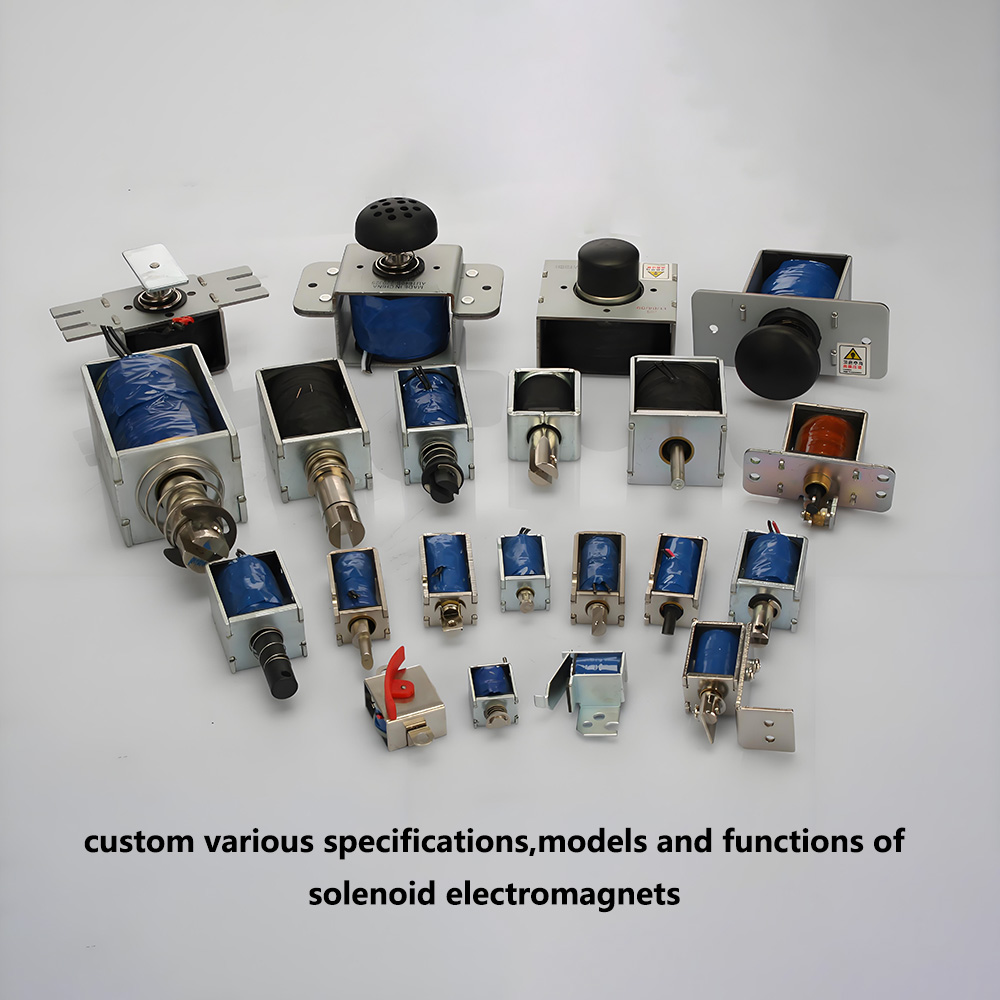
A supplier with a proven track record in custom bistable solenoids can design a solution tailored to your unique application.
2. Manufacturing Capabilities and Quality Control
Why It Matters:
In-house manufacturing capabilities and robust quality control protocols ensure consistent performance and reliability.
Evaluation Tips:
- Tour the Facility: If possible, visit the supplier’s manufacturing facility to observe processes and quality checks.
- Request Quality Certifications: Ensure the supplier holds relevant ISO certifications for quality management.
Exemple:
A supplier with ISO 9001 certification demonstrates a commitment to high-quality manufacturing processes.
3. Customization and Prototype Support
Why It Matters:
Customization capabilities and support for prototype development can加速 the design process and ensure the solenoid meets your exact specifications.
Evaluation Tips:
- Discuss Customization Options: Inquire about the supplier’s ability to modify materials, dimensions, and control interfaces.
- Request Prototype Development: Seek a supplier willing to collaborate on prototype development and testing.
Exemple:
A supplier that offers rapid prototyping services can accelerate your product development timeline.
4. Customer Support and After-Sales Service
Why It Matters:
Responsive customer support and comprehensive after-sales service are essential for addressing issues, optimizing performance, and ensuring long-term reliability.
Evaluation Tips:
- Request Customer References: Speak with existing customers to gauge the supplier’s responsiveness and support quality.
- Review Service Agreements: Ensure the supplier offers comprehensive warranty and maintenance services.
Exemple:
A supplier with a dedicated customer support team and a robust warranty program ensures peace of mind and reduces long-term costs.
5. Sustainability Practices
Why It Matters:
Environmental sustainability is increasingly important. Choosing a supplier committed to sustainable practices supports your efforts to reduce environmental impact.
6. Price and Cost-Effectiveness
Why It Matters:
While price is a critical factor, it should not be the sole determinant. Evaluating the overall cost-effectiveness, which includes performance, reliability, and long-term maintenance costs, is essential.
Evaluation Tips:
- Request Detailed Quotes: Ensure quotes include all necessary components, shipping, and any potential setup fees.
- Assess Lifecycle Costs: Consider the solenoid’s expected lifespan and maintenance requirements when evaluating cost-effectiveness.
Exemple:
A slightly higher-priced solenoid with superior durability and lower maintenance costs may be more cost-effective in the long run.
Making the Final Decision of bistable solenoids
Choisir le bon solénoïdes bistables involves a thorough evaluation of your application’s requirements and a careful assessment of potential suppliers. By focusing on key criteria such as force and stroke requirements, power consumption, size and weight, environmental conditions, duty cycle and lifespan, control and monitoring needs, and certifications and compliance, you can narrow down your options to those that best meet your needs.
Furthermore, evaluating suppliers based on their technical expertise, manufacturing capabilities, customization support, customer service, sustainability practices, and cost-effectiveness ensures you partner with a reliable, responsive organization committed to your project’s success.
Remember, the best bistable solenoid is not necessarily the cheapest or the most advanced; it’s the one that aligns perfectly with your application’s specific requirements and supports your long-term goals.
Additional Resources and Next Steps
As you continue your search for the ideal solénoïdes bistables, consider these additional resources and next steps:
- Supplier Websites: Visit the websites of potential suppliers to learn more about their products, services, and technical capabilities.
- Industry Publications: Read industry publications and trade journals to stay informed about the latest trends, advancements, and best practices in bistable solenoid technology.
- Trade Shows and Conferences: Attend industry trade shows and conferences to network with suppliers, learn about new products, and gather insights from peers and experts.
- Pilot Testing: Consider pilot testing a few selected solenoids in your application environment to validate performance and reliability before making a final decision.
By leveraging these resources and following the guidance outlined in this blog, you’ll be well-equipped to choose the right bistable solenoid for your application, ensuring optimal performance, reliability, and cost-effectiveness.
À propos de l'usine d'électroaimants SF
Shengfeng Electromagnet Co., Ltd., fondée en 2015, est située dans le parc industriel de Xiansha, bénéficiant d'un cadre agréable et d'une excellente desserte. L'entreprise s'étend sur 16 000 mètres carrés et dispose d'usines de production modernes, d'équipements de pointe et d'une équipe technique hautement qualifiée. Depuis sa création, elle s'est toujours attachée à sa philosophie d'entreprise axée sur l'innovation, la qualité et le service, en se concentrant sur la recherche, le développement et la production de… électroaimants, en promouvant constamment les mises à jour de produits et les progrès technologiques, et en fournissant aux clients des produits et services de la meilleure qualité.
Pourquoi choisir un électroaimant SF ?
HAUTE QUALITÉ :En tant que premier fabricant d'électroaimants à solénoïde en Chine, notre équipe de contrôle qualité veille à ce que chaque produit que vous recevez soit d'une qualité irréprochable. Nous disposons d'équipements professionnels pour les tests de qualité.
CONCEPTION DU PRODUIT :Notre service d'échantillonnage maîtrise l'ensemble du processus de concrétisation de vos plans. Nous optimisons également la conception de vos produits en nous appuyant sur nos années d'expérience. Faites-nous part de vos avis.
DÉLAI DE LIVRAISON STABLE :En tant que fabricant et fournisseur d'électroaimants de premier plan, nous disposons d'une capacité de production suffisante ; les commandes importantes ne nous effraient pas et nous sommes en mesure de les livrer dans les délais.
MEILLEUR PRIX :Nous sommes une usine d'origine spécialisée dans les électroaimants et le meilleur fabricant de solénoïdes en Chine ; c'est pourquoi nous pouvons proposer des produits de haute qualité au meilleur prix.
GESTION PRÉCISE :Rien ne peut être accompli sans une gestion rigoureuse. Nous sommes une entreprise dotée d'un système de gestion complet.
SERVICE 7-24 :En tant que fabricant de solénoïdes de premier plan, nous assurons une réponse immédiate 24h/24 et 7j/7 : nous prenons en compte vos retours pour devenir un meilleur fournisseur.
FAQ sur les électroaimants
Nous sommes un leader chinois électro-aimant Notre usine de fabrication est située à Dongguan. Nous serions ravis de vous accueillir !
Nous sommes spécialisés dans la conception et la production de produits de haute qualité. électro-aimant,électrovanne,tel que solénoïde rotatif, solénoïdes bistables, solénoïdes de verrouillage, solénoïdes à cadre ouvert, solénoïdes tubulaires, solénoïde auto-maintenu
Bien entendu, nous fournissons généralement des échantillons gratuits ; vous n’avez qu’à prendre en charge les frais de port. Pour les échantillons d’électroaimants sur mesure, veuillez nous communiquer vos exigences afin que nous puissions vous indiquer le coût de l’échantillon.
• La production d'un échantillon prend environ 7 jours.
Oui, nous proposons des services de conception gratuits, incluant la conception structurelle et la conception graphique simple.
Bien sûr. Nous pouvons fabriquer n'importe quel électroaimant selon votre conception. Nous proposons désormais un service ODM de solénoïdes pour les petites séries (de 100 à 500 pièces), avec la possibilité d'y apposer votre logo.
En fonction de la quantité commandée et des détails de production, cela prendra environ 15 à 20 jours.
Toujours un échantillon de préproduction avant la production en série ; toujours une inspection finale avant l'expédition
• Puissance, consommation, dimensions, matériau, quantité, destination de livraison, etc.
• Vous pouvez aussi simplement nous faire part de vos besoins et nous vous recommanderons des produits.
• Par mer, par air ou par transport express.
• Si vous avez votre propre transitaire en Chine, il s'agit du prix départ usine ou FOB.
•CFR ou CIF, etc., si vous avez besoin que nous expédiions en votre nom.
• Le DDP et le DDU peuvent également être utilisés.
• Plus de choix, nous prendrons en compte vos choix.
Le prix est déterminé par la quantité, le matériau, le procédé de fabrication, la taille et d'autres facteurs. De plus, grâce à notre croissance continue, nous proposons des tarifs compétitifs.
Grâce à l'innovation technologique, les prix de certains de nos produits sont extrêmement compétitifs ; veuillez nous contacter pour obtenir un devis.