









Zuletzt aktualisiert am 03.09.2025 von Magnetspulenfabrik
In the vast world of electromagnetic technology, electromagnets stand as versatile and indispensable tools. Their ability to generate magnetic fields dynamically makes them critical components in a multitude of applications, ranging from healthcare and automotive to manufacturing and aerospace. As a manufacturer with over 10 years of experience in producing and customizing a wide array of Elektromagnet, we understand the intricacies involved in selecting the right electromagnet for a specific application. This blog serves as a comprehensive guide, providing insights into the common types of electromagnets, key factors to consider when choosing an electromagnet, and practical tips for making an informed decision.
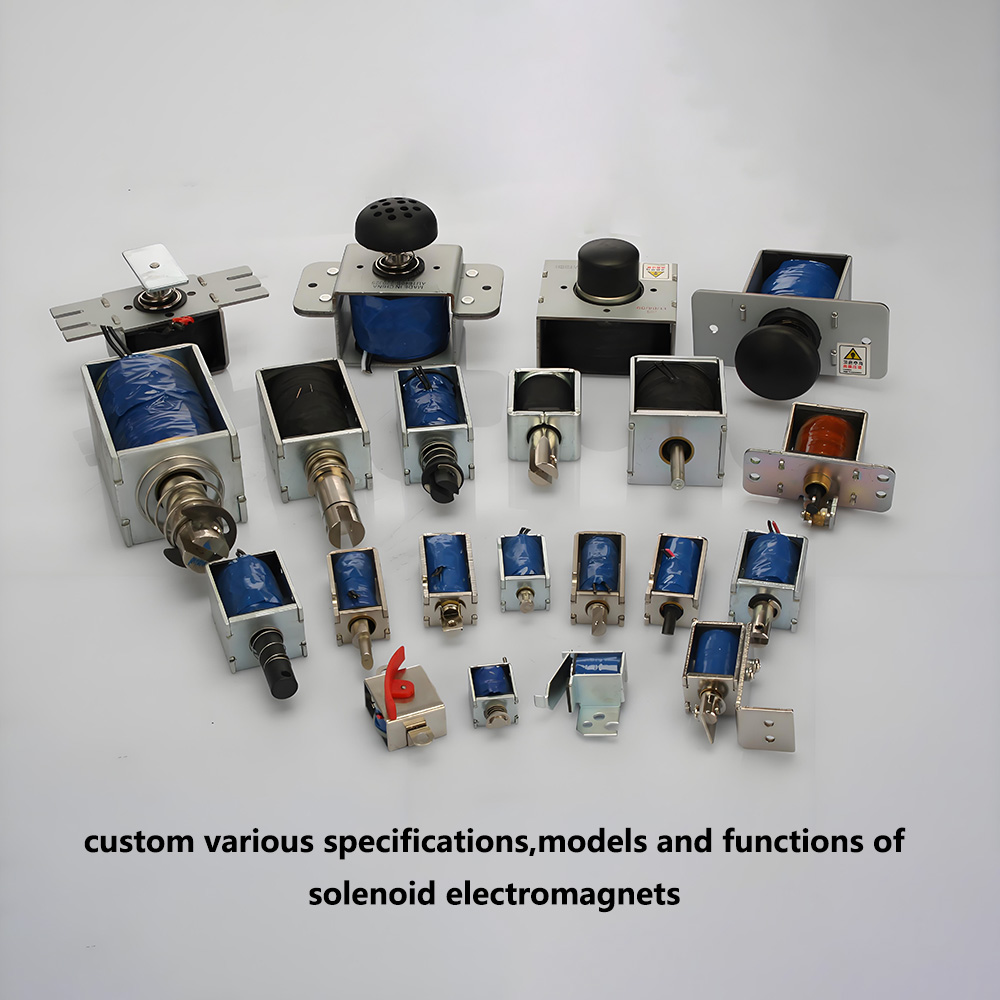
Understanding the Basics: What is an Electromagnet?
An Elektromagnet is a type of magnet that produces a magnetic field through the flow of electric current. Unlike permanent magnets, which retain their magnetism without an external power source, electromagnets only generate a magnetic field when an electric current is passed through them. This makes electromagnets highly versatile and controllable, enabling them to be used in a wide range of applications.
What are the common types of electromagnets ?
Before diving into the selection process, it’s essential to understand the different types of electromagnets available. Here are some of the most common types:
Solenoid Electromagnets:
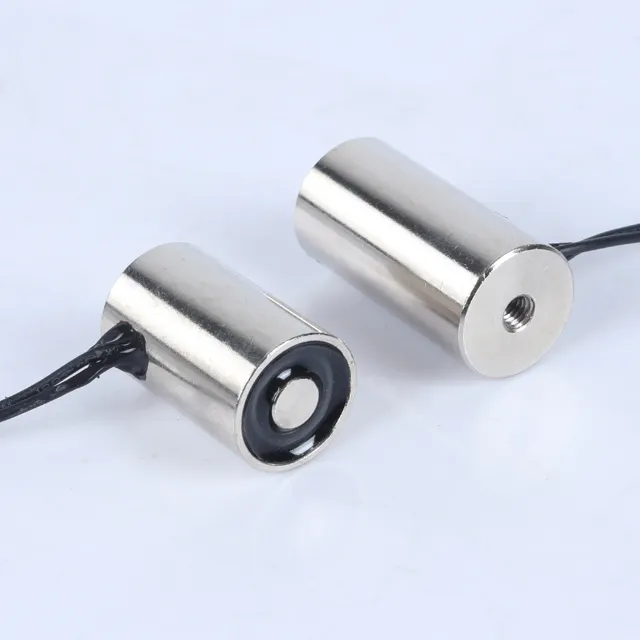
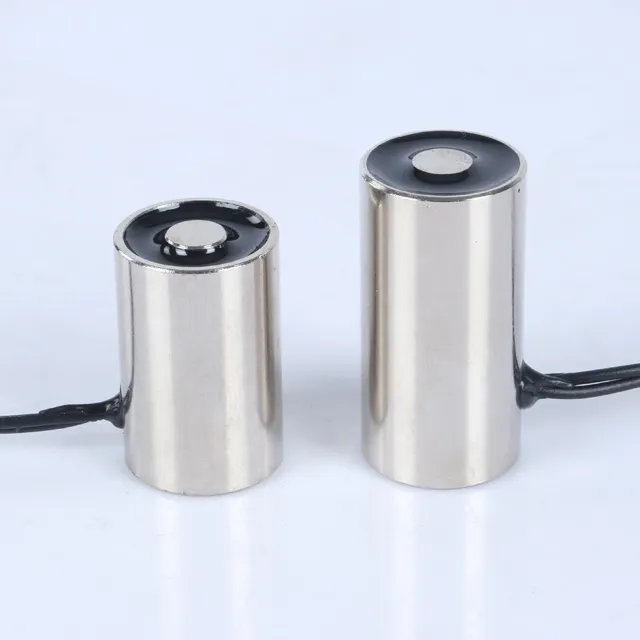
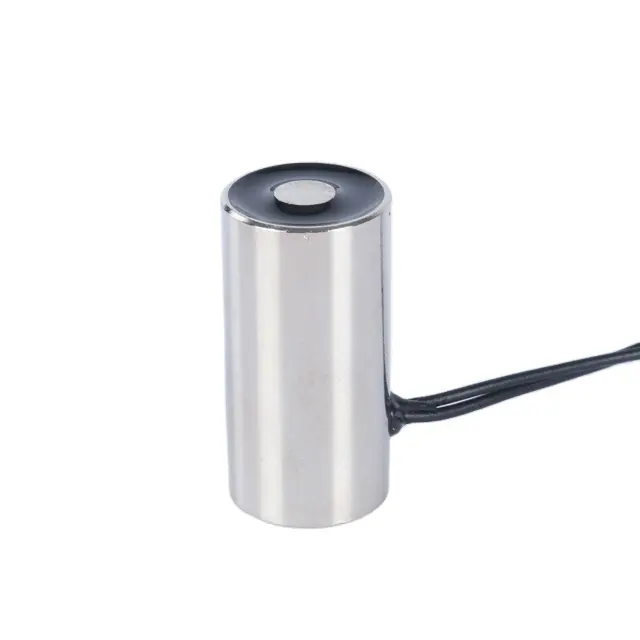
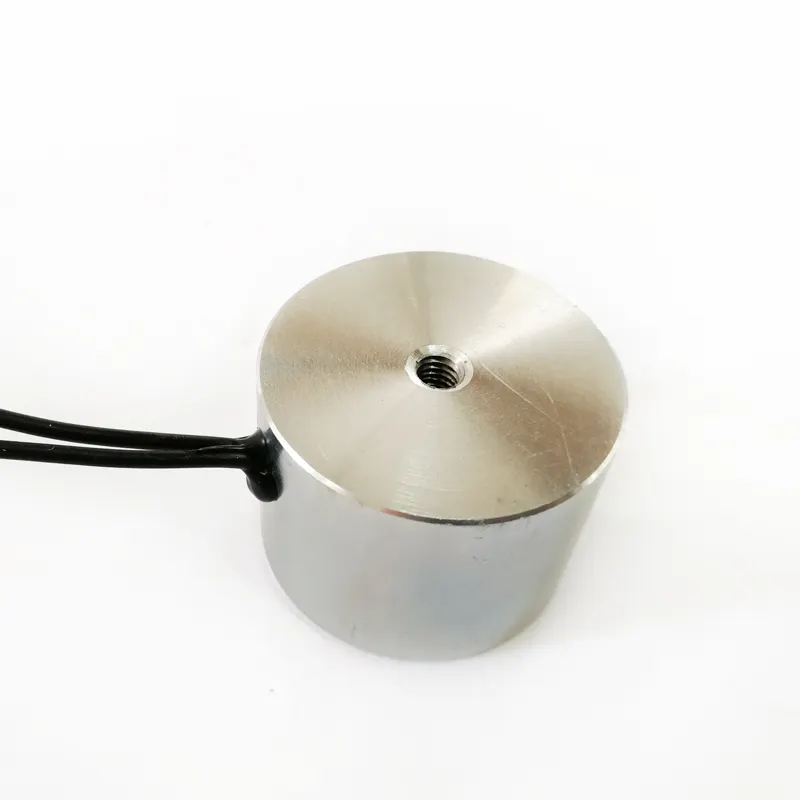
- Description: Solenoid electromagnets are cylindrical coils of wire wound around a bobbin or form, typically made of non-magnetic material. When an electric current is passed through the coil, it generates a magnetic field.
- Anwendungen: Commonly used in valves, relays, and actuators for controlling fluid flow, electrical circuits, and mechanical motion.
Electromagnetic Lifters:
- Description: Electromagnetic lifters use electromagnets to lift and transport ferromagnetic materials. When the current is switched on, the electromagnet becomes magnetic, attracting the material. When the current is switched off, the magnetism disappears, allowing the material to be released.
- Anwendungen: Used in manufacturing, recycling, and material handling industries for lifting and transporting heavy metal objects.
Electromagnetic Clutches and Brakes:
- Description: Electromagnetic clutches and brakes use electromagnets to engage or disengage shafts and control torque and motion. When the current is applied, the electromagnet attracts a friction plate or armature, engaging the clutch or brake.
- Anwendungen: Found in machinery and industrial equipment for controlling the speed, torque, and direction of shafts.
Electromagnetic Separators:
- Description: Electromagnetic separators use electromagnets to separate ferromagnetic particles from a mixture. The mixture is passed over an electromagnet, and the ferromagnetic particles are attracted and collected.
- Anwendungen: Used in recycling, mining, and food processing industries to separate metal contaminants from other materials.
Electromagnetic Coils:
- Description: Electromagnetic coils are simply coils of wire that generate a magnetic field when an electric current is passed through them. They can be used in a variety of applications, depending on their design and configuration.
- Anwendungen: Found in generators, transformers, MRI machines, and other electrical and electronic devices.
Custom Electromagnets:
- Description: Custom electromagnets are designed and manufactured to meet specific requirements for unique applications. They can have various shapes, sizes, and performance characteristics.
- Anwendungen: Used in research, development, and specialized industrial applications where standard electromagnets do not meet the requirements.
- Bewertet mit 0 von 5
- Bewertet mit 0 von 5
- Bewertet mit 0 von 5
- Bewertet mit 0 von 5
What are the key factors to consider when choosing an electromagnet ?
Choosing the right Elektromagnet for your application involves several considerations. Here are some key factors to keep in mind:
Magnetic Field Strength:
- Description: The strength of the magnetic field generated by the electromagnet is crucial for many applications. It determines the force that can be applied to ferromagnetic materials and the effectiveness of the electromagnet in its intended use.
- Considerations: The required magnetic field strength depends on the weight and type of material being lifted or manipulated, the distance between the electromagnet and the material, and the duration of the magnetic field’s application.
Geometry and Dimensions:
- Description: The shape and size of the electromagnet can affect its performance and applicability. Different geometries and dimensions are suitable for different applications.
- Considerations: Consider the space available for the electromagnet in your application, the orientation of the magnetic field required, and any potential interference with other components or structures.
Operating Conditions:
- Description: The operating conditions of the electromagnet, such as temperature, humidity, and exposure to chemicals or contaminants, can affect its performance and lifespan.
- Considerations: Choose an electromagnet that is rated for the specific operating conditions of your application. Special coatings or materials may be required to protect the electromagnet from harsh environments.
Power Requirements:
- Description: The power required to operate the electromagnet can vary significantly depending on its size, design, and the magnetic field strength required.
- Considerations: Consider the power source available in your application and the energy consumption budget. Efficient electromagnet designs can minimize power consumption and reduce operating costs.
Tastverhältnis:
- Description: The duty cycle refers to the proportion of time the electromagnet is energized during a specific period. Continuous duty cycles require more robust designs and materials to handle the constant operation.
- Considerations: Choose an electromagnet with a duty cycle that matches the requirements of your application. Intermittent duty cycles may allow for more cost-effective designs.
Control and Monitoring:
- Description: The ability to control and monitor the electromagnet can be critical for many applications, enabling precise timing, force control, and safety features.
- Considerations: Consider the level of control and monitoring required for your application. Features such as integrated sensors, adjustable current limiting, and feedback loops can enhance performance and reliability.
Certifications and Compliance:
- Description: Electromagnets used in certain applications may require compliance with specific certifications and standards, such as CE, UL, or RoHS.
- Considerations: Ensure that the electromagnet you choose meets all relevant certifications and standards for your application. This can help ensure safety, reliability, and compliance with regulatory requirements.
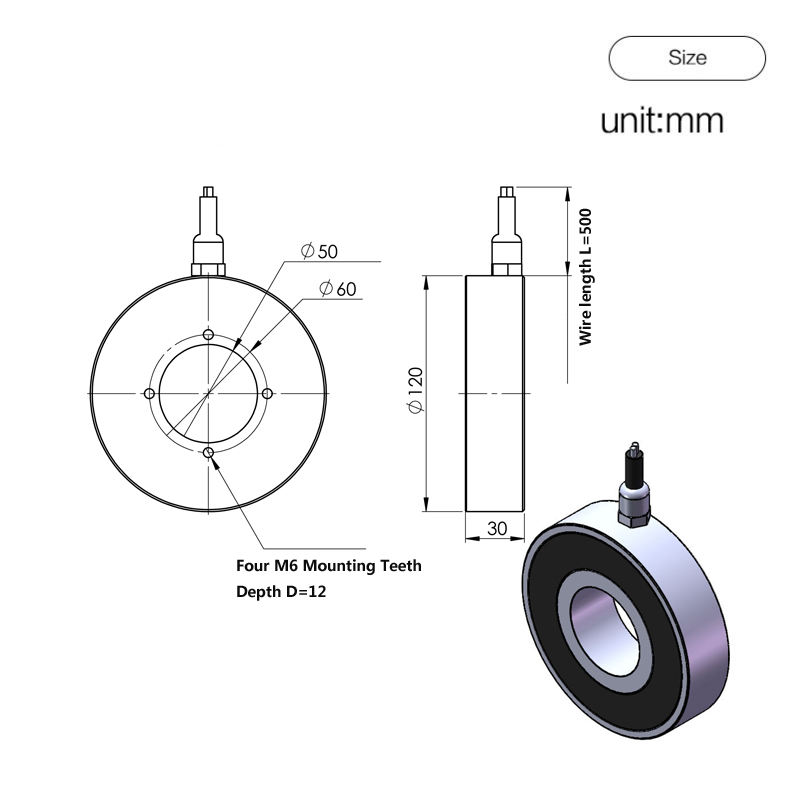
Practical tips for selecting electromagnets
Define Your Requirements Clearly:
- Before starting your search for an electromagnet, take the time to define your requirements clearly. Consider the application, operating conditions, performance criteria, and budget constraints. This will help you narrow down your options and focus on the electromagnets that best meet your needs.
Research and Compare:
- Conduct thorough research on the different types of electromagnets available and their specific characteristics. Compare the performance, cost, and applicability of various options. Consider consulting with experts or manufacturers to gain a deeper understanding of the technology and its applications.
Request Samples and Testing:
- When possible, request samples of the electromagnets you are considering. Conduct testing to evaluate their performance in your specific application. This can help you identify potential issues and ensure that the electromagnet meets your requirements.
Consider Customization:
- If standard electromagnets do not meet your requirements, consider customization. Many manufacturers offer custom design and manufacturing services, allowing you to specify the exact characteristics of the electromagnet you need. This can provide a tailored solution that perfectly fits your application.
Evaluate Long-Term Costs:
- When choosing an electromagnet, consider not just the initial cost but also the long-term costs associated with operation, maintenance, and replacement. Efficient designs and robust materials can reduce energy consumption, extend lifespan, and minimize downtime.
Seek Expert Advice:
- If you are unsure about which electromagnet to choose, seek advice from experts in the field. They can provide insights based on their experience and knowledge, helping you make an informed decision.
Consider the Manufacturer’s Reputation:
- The reputation of the manufacturer is an important factor to consider. Choose a manufacturer with a proven track record of producing high-quality, reliable electromagnets. Look for certifications, customer testimonials, and industry recognition as indicators of quality.
Case Study: Choosing an Electromagnet for a Manufacturing Application
To illustrate the process of choosing an Elektromagnet, let’s consider a case study involving a manufacturing application.
Scenario:
A manufacturing company is developing a new automation system for assembling small electronic components. The system requires an electromagnet to precisely position and hold the components during the assembly process.
Steps Taken:
Defined Requirements:
- Magnetic field strength: Sufficient to hold small electronic components securely.
- Geometry and dimensions: Compact design to fit within the automation system.
- Operating conditions: Cleanroom environment with controlled temperature and humidity.
- Power requirements: Low power consumption to minimize energy costs.
- Duty cycle: Continuous operation for extended periods.
Researched and Compared Options:
- Evaluated various solenoid electromagnets, considering their performance characteristics, cost, and applicability.
- Consulted with manufacturers to gain a deeper understanding of the technology and its potential to meet the requirements.
Requested Samples and Testing:
- Requested samples of the most promising options.
- Conducted testing in the manufacturing environment to evaluate performance and reliability.
Considered Customization:
Found that a standard solenoid electromagnet could meet most of the requirements but needed minor adjustments to perfectly fit the automation system. Worked with a manufacturer to customize the design, ensuring it met all specified criteria.Evaluated Long-Term Costs:
- Analyzed the energy consumption of the customized electromagnet and compared it to other options.
- Estimated the maintenance and replacement costs based on the expected lifespan and manufacturer’s warranty.
Sought Expert Advice:
- Consulted with automation experts to validate the choice of electromagnet and ensure it was suitable for the intended application.
Considered the Manufacturer’s Reputation:
- Chose a manufacturer with a strong reputation for producing high-quality, reliable electromagnets.
- Verified certifications and customer testimonials to ensure the manufacturer met industry standards.
Outcome:
The manufacturing company selected a customized solenoid electromagnet that met all specified requirements. The electromagnet was successfully integrated into the automation system, enabling precise positioning and holding of small electronic components during the assembly process. The company reported improved efficiency, reduced downtime, and lower energy costs due to the efficient design and robust performance of the electromagnet.

Choosing the right electromagnets for your application requires
Choosing the right Elektromagnet for your application requires careful consideration of various factors, including magnetic field strength, geometry and dimensions, operating conditions, power requirements, duty cycle, control and monitoring, and certifications and compliance. By defining your requirements clearly, researching and comparing options, requesting samples and testing, considering customization, evaluating long-term costs, seeking expert advice, and considering the manufacturer’s reputation, you can make an informed decision that meets your needs and ensures optimal performance.
As a leading manufacturer with over 10 years of experience in producing and customizing electromagnets, we understand the complexities involved in selecting the right electromagnet for any application. Our expertise and dedication to quality enable us to provide tailored solutions that meet specific requirements, ensuring our customers achieve optimal results.
Whether you are developing a new automation system, upgrading existing equipment, or working on a specialized research project, we can help you choose the right electromagnet for your application. Contact us today to discuss your requirements and explore the possibilities of electromagnetic technology.
This comprehensive guide serves as a valuable resource for anyone seeking to understand and select the right electromagnet for their application. By considering the factors outlined and following the practical tips provided, you can ensure that your electromagnet choice meets your needs, enhances performance, and contributes to the success of your project.
Über die SF-Elektromagnetfabrik
Shengfeng Electromagnet Co., Ltd. wurde 2015 gegründet und befindet sich im Industriepark Xiansha, der durch seine landschaftliche Schönheit und die hervorragende Verkehrsanbindung besticht. Das Unternehmen erstreckt sich über eine Fläche von 16.000 Quadratmetern und verfügt über moderne Produktionsanlagen, fortschrittliche Fertigungstechnik und ein hochqualifiziertes technisches Team. Seit unserer Gründung verfolgen wir konsequent die Unternehmensphilosophie “Innovation, Qualität und Service” und konzentrieren uns auf Forschung, Entwicklung und Produktion. Elektromagnete, Wir fördern ständig Produktverbesserungen und technologischen Fortschritt und bieten unseren Kunden Produkte und Dienstleistungen von höchster Qualität.
Warum sollte man sich für einen SF-Elektromagneten entscheiden?
HOHE QUALITÄT:Als führender Hersteller von Elektromagneten in China stellt unser Qualitätssicherungsteam sicher, dass jedes einzelne Produkt, das Sie erhalten, von höchster Qualität ist. Wir verfügen über professionelle Prüfgeräte für die Qualitätskontrolle.
PRODUKTDESIGN:Unsere Musterabteilung deckt den gesamten Prozess von der Zeichnung bis zur Realisierung ab. Zudem optimieren wir Ihr Produktdesign auf der Grundlage unserer langjährigen Erfahrung. Teilen Sie uns Ihre Meinung mit.
STABILE LIEFERZEIT:Als führender Hersteller und Lieferant von Elektromagneten verfügen wir über ausreichende Fertigungskapazitäten; auch Großaufträge stellen für uns kein Problem dar – wir liefern Ihre Bestellung pünktlich.
BESTER PREIS:Wir sind ein direkt produzierendes Werk für Elektromagnete und der führende Hersteller von Solenoiden in China; deshalb können wir hochwertige Produkte zu besten Preisen anbieten.
PRÄZISES MANAGEMENT:Ohne eine präzise Steuerung lässt sich nichts erreichen. Wir sind ein Unternehmen mit einem umfassenden Managementsystem.
24-Stunden-Service:Als führender Hersteller von Elektromagneten bieten wir eine sofortige Reaktion rund um die Uhr: Wir nehmen Ihr Feedback gerne entgegen, um uns als Lieferant weiter zu verbessern.
Häufig gestellte Fragen zu Elektromagneten
Wir sind ein chinesisches Top-Unternehmen Elektromagnet Der Hersteller und unser Werk befinden sich in Dongguan. Besuchen Sie uns gerne!
Wir sind spezialisiert auf die Entwicklung und Produktion von hochwertigen Produkten. Elektromagnet,Magnetventil,wie zum Beispiel Drehmagnet, bistabile Magnetspulen, Verriegelungsmagnete, offene Rahmenmagnete, Rohrmagnete, selbsthaltender Magnet
• Selbstverständlich stellen wir Ihnen in der Regel kostenlose Muster zur Verfügung; Sie müssen lediglich die Versandkosten übernehmen. Für kundenspezifische Elektromagnetmuster senden Sie uns bitte Ihre Anforderungen, damit wir die Musterkosten prüfen können.
• Die Anfertigung von Mustern dauert etwa 7 Tage.
Ja, wir bieten kostenlose Designleistungen, Strukturplanung und einfache Grafikgestaltung an.
Selbstverständlich. Wir können jeden Elektromagneten nach Ihren Vorgaben fertigen. Neu im Angebot ist die ODM-Solenoidproduktion für Kleinserien von 100 bis 500 Stück. Auch hier können Sie Ihr eigenes Logo verwenden.
Je nach Bestellmenge und Produktionsdetails dauert es etwa 15 bis 20 Tage.
Vor der Serienproduktion wird stets ein Vorserienmuster gefertigt; vor dem Versand erfolgt stets eine Endkontrolle.
• Leistung, Verwendungszweck, Größe, Material, Menge, Lieferort usw.
• Sie können uns auch einfach Ihre Anforderungen mitteilen, und wir werden Ihnen Produkte empfehlen.
• Auf dem Seeweg, auf dem Luftweg oder per Express.
• Wenn Sie einen eigenen Spediteur in China haben, gilt der Preis ab Werk (FOB).
•CFR oder CIF usw., falls Sie den Versand durch uns in Ihrem Namen wünschen.
• DDP und DDU können ebenfalls verwendet werden.
• Mehr Auswahlmöglichkeiten, wir werden Ihre Wünsche berücksichtigen.
Der Preis richtet sich nach Menge, Material, Verarbeitungsmethode, Größe und weiteren Faktoren. Darüber hinaus trägt unsere kontinuierliche
Aufgrund technologischer Innovationen sind die Preise einiger unserer Produkte äußerst wettbewerbsfähig. Bitte kontaktieren Sie uns für ein Angebot.