









Last Updated on 2025-04-11 by مصنع الملف اللولبي
In the ever-evolving landscape of technology, electromagnetic interference (EMI) and electromagnetic compatibility (EMC) have become critical considerations in the design and operation of electrical and electronic devices. Among these devices, electromagnets play a pivotal role, often requiring robust electromagnet anti-interference abilities to function reliably in noisy environments. Similarly, electromagnetic shielding techniques are employed to protect sensitive components from the adverse effects of external electromagnetic fields. This blog delves into the intricacies of electromagnet anti-interference ability and electromagnetic shielding, providing a comprehensive guide that demystifies these concepts and explores their practical applications. By understanding these principles, engineers, designers, and hobbyists can enhance the performance and reliability of their electromagnetic devices, ensuring they operate seamlessly in a wide range of environments.
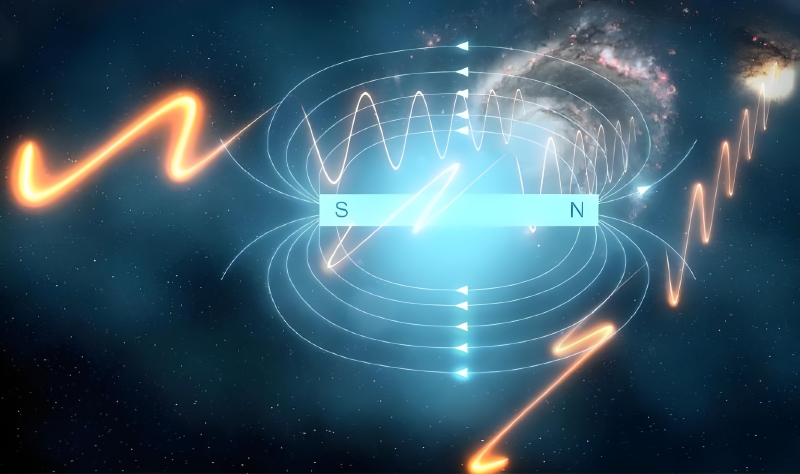
What is Electromagnet Anti-Interference Ability ?
Electromagnetic interference (EMI) occurs when an electromagnetic field emitted by one device or component affects the performance of another. This interference can manifest as noise, signal distortion, or even complete failure of electronic systems. Electromagnets, due to their inherent ability to generate strong magnetic fields, are particularly susceptible to both causing and being affected by EMI. Therefore, designing electromagnets with strong electromagnet anti-interference abilities is crucial for ensuring their reliable operation in noisy environments.
Sources of EMI:
- Internal Sources: These include the electromagnet’s own coil windings, which can radiate electromagnetic energy when excited by a current.
- External Sources: External sources of EMI can be other electrical devices, power lines, radio signals, or even natural phenomena like lightning.
Mechanisms of Interference:
- Conductive Coupling: EMI can be transferred through conductive paths, such as wires or metallic structures.
- Radiative Coupling: Electromagnetic fields can radiate through space and induce currents or voltages in nearby conductors, causing interference.
- Inductive Coupling: Changes in magnetic fields can induce voltages in nearby circuits, leading to interference.
Anti-Interference Strategies:
- Shielding: Using conductive materials to surround the electromagnet can effectively block or reduce the coupling of external electromagnetic fields.
- Filtering: Incorporating filters in the electromagnet’s circuitry can attenuate unwanted frequencies, preventing them from causing interference.
- Grounding: Proper grounding techniques can ensure that interference currents are safely directed to earth, minimizing their impact on sensitive circuits.
- Design Optimization: Designing the electromagnet with consideration for EMC can involve techniques such as minimizing loop areas, using twisted pairs for wiring, and ensuring adequate spacing between components.
what is Electromagnetic Shielding: Practical Applications
Electromagnetic shielding is a fundamental technique used to protect sensitive components and circuits from the adverse effects of external electromagnetic fields. By creating a barrier between the source of the field and the protected component, shielding can significantly reduce or eliminate interference, ensuring reliable operation of electronic systems.
Types of Shielding:
- Conductive Shielding: Conductive materials, such as metals, are used to create a Faraday cage effect, blocking electromagnetic fields from penetrating the shielded area.
- Absorptive Shielding: Materials that absorb electromagnetic energy, such as ferrites, can be used to reduce the intensity of fields within a specific frequency range.
- Reflective Shielding: High-reflectivity materials can be used to reflect electromagnetic fields away from sensitive components, minimizing their impact.
Applications of Electromagnetic Shielding:
- Electronics and Communications: In communications systems, shielding is used to protect sensitive receiver circuits from interference caused by transmitters or other sources of EMI.
- الأجهزة الطبية: Medical electronic devices, such as MRI machines and pacemakers, require rigorous shielding to prevent interference and ensure patient safety.
- Aerospace and Military: In aerospace and military applications, shielding is essential to protect electronic systems from electromagnetic pulses (EMPs) and other high-intensity electromagnetic threats.
- Power Systems: Power distribution systems often employ shielding to reduce interference between adjacent cables and to protect sensitive control circuits from noise generated by power transformers and other equipment.
- الإلكترونيات الاستهلاكية: Consumer devices, such as smartphones, tablets, and laptops, incorporate shielding to protect internal circuits from interference caused by external signals and to ensure compliance with EMC standards.
Design Considerations for Electromagnetic Shielding:
- Material Selection: The choice of shielding material depends on the frequency range of the electromagnetic fields to be shielded and the specific application requirements. Conductive materials like copper, aluminum, and steel are commonly used.
- Shielding Effectiveness: The effectiveness of a shielding material is determined by its conductivity, permeability, and thickness. At higher frequencies, materials with high conductivity are more effective, while at lower frequencies, permeability becomes more important.
- Shielding Geometry: The geometry of the shielding can significantly impact its effectiveness. For instance, a closed shielding structure, such as a Faraday cage, provides better protection than an open structure.
- Grounding and Bonding: Proper grounding and bonding of shielding materials are crucial for ensuring that interference currents are directed safely to earth, preventing them from circulating within the shielded area and causing interference.
- تم التقييم 0 من 5
- تم التقييم 0 من 5
- تم التقييم 0 من 5
- تم التقييم 0 من 5
Case Studies: Practical Applications of Electromagnet Anti-Interference and Shielding
To illustrate the practical application of electromagnet anti-interference abilities and electromagnetic shielding, let’s explore a few case studies:
MRI Machines: MRI machines generate powerful magnetic fields to image the human body. To protect patients and staff from the adverse effects of these fields, MRI rooms are equipped with thick, conductive shielding materials that create a Faraday cage effect, blocking external electromagnetic interference and preventing the MRI’s field from escaping the room.
Aerospace Communication Systems: In aerospace applications, communication systems must operate reliably in the presence of high-intensity electromagnetic interference from other systems and the external environment. Shielding techniques, such as the use of conductive gaskets and absorptive materials, are employed to protect sensitive receiver circuits from interference, ensuring clear communication.
Smartphones and Tablets: Consumer electronic devices, such as smartphones and tablets, incorporate shielding to protect internal circuits from interference caused by external signals, such as radio waves and Wi-Fi signals. This shielding is often integrated into the device’s casing and is designed to comply with international EMC standards.
Electric Vehicles: Electric vehicles (EVs) rely on complex electronic systems for control and communication. To protect these systems from interference caused by the vehicle’s own electric drive components, shielding techniques are employed, such as using shielded cables and incorporating grounding planes within the vehicle’s electrical system.
Electromagnet anti-interference ability and electromagnetic shielding are essential considerations
Electromagnet anti-interference ability and electromagnetic shielding are essential considerations in the design and operation of electrical and electronic devices. By understanding the principles of EMI and EMC, engineers and designers can develop strategies to mitigate interference and ensure reliable operation of their devices. Electromagnetic shielding techniques, such as conductive shielding, absorptive shielding, and reflective shielding, offer practical solutions for protecting sensitive components from external electromagnetic fields. Through case studies and practical applications, we can see how these principles are applied in real-world scenarios, ensuring the performance and reliability of a wide range of electronic systems. As technology continues to evolve, these concepts will remain critical in driving innovation and advancements in electromagnet design and manufacture, contributing to safer, more efficient, and more reliable electronic systems across diverse industries.
نبذة عن مصنع المغناطيسات الكهربائية SF
تأسست شركة شينغفنغ للإلكترومغناطيس المحدودة عام 2015، وتقع في مجمع شيانشا الصناعي ذي المناظر الخلابة والموقع المتميز بسهولة الوصول إليه. تمتد الشركة على مساحة 16000 متر مربع، وتضم مصانع إنتاج حديثة، ومعدات إنتاج متطورة، وفريقًا فنيًا عالي الكفاءة. منذ تأسيسها، التزمت الشركة بفلسفة "الابتكار والجودة والخدمة"، مع التركيز على البحث والتطوير والإنتاج. المغناطيسات الكهربائية, ، والترويج المستمر لتحديثات المنتجات والتقدم التكنولوجي، وتزويد العملاء بأفضل المنتجات والخدمات جودة.
لماذا تختار المغناطيس الكهربائي SF
جودة عالية:بصفتنا أفضل مصنّع للمغناطيسات الكهربائية ذات الملفات اللولبية في الصين، يضمن فريق مراقبة الجودة لدينا أن كل منتج تتلقاه يتمتع بأعلى جودة. لدينا أجهزة اختبار جودة احترافية.
تصميم المنتج:يمتلك قسم العينات لدينا عملية متكاملة لتحويل الرسومات إلى واقع ملموس، كما نعمل على تحسين تصميم منتجك استناداً إلى خبرتنا العملية الممتدة لسنوات. شاركنا رأيك.
وقت تسليم ثابت:بصفتنا الشركة الرائدة في تصنيع وتوريد المغناطيسات الكهربائية، فإننا نمتلك قدرة تصنيعية هائلة تتيح لنا تلبية الطلبيات الكبيرة بكفاءة تامة، مع ضمان التسليم في الموعد المحدد.
أفضل سعر:نحن المصنع المباشر والمصدر للمغناطيسات الكهربائية، ونُعد أفضل شركة مصنعة للملفات اللولبية (Solenoids) في الصين؛ ولهذا السبب يمكننا تقديم منتجات عالية الجودة بأفضل الأسعار.
إدارة دقيقة:لا يمكن تحقيق أي شيء ما لم نطبق إدارة دقيقة؛ فنحن شركة تمتلك نظاماً إدارياً متكاملاً.
خدمة على مدار الساعة طوال أيام الأسبوع:بصفتنا الشركة الرائدة في تصنيع الملفات اللولبية (Solenoids)، فإننا نوفر استجابة فورية على مدار الساعة طوال أيام الأسبوع؛ حيث نرحب بملاحظاتكم التي تساعدنا لنصبح مورداً أفضل.
الأسئلة الشائعة حول المغناطيس الكهربائي
نحن شركة صينية رائدة مغناطيس كهربائي يقع مصنعنا في دونغقوان. نرحب بزيارتكم لمصنعنا!
نحن متخصصون في تصميم وإنتاج منتجات عالية الجودة مغناطيس كهربائي,صمام الملف اللولبي,،مثل الملف اللولبي الدوار،, الملفات اللولبية ثنائية الاستقرار, ملفات لولبية للإغلاق, ملفات لولبية مفتوحة الإطار, الملفات اللولبية الأنبوبية, ملف لولبي ذاتي التثبيت
• عادةً ما نقدم عينات مجانية، وما عليك سوى تغطية تكاليف الشحن. أما بالنسبة لعينات المغناطيس الكهربائي المصممة حسب الطلب، فيرجى إرسال متطلباتك إلينا للتحقق من تكلفة العينة.
• يستغرق إنتاج العينة حوالي 7 أيام.
نعم، نحن نقدم خدمات تصميم مجانية، وتصميم هيكلي، وتصميم جرافيكي بسيط.
بالتأكيد. يمكننا تصنيع أي مغناطيس كهربائي بتصميمك. نقدم الآن خدمة تصنيع الملفات اللولبية حسب الطلب (ODM) بكميات صغيرة تتراوح من 100 إلى 500 قطعة، ولكن يمكنك إضافة شعارك الخاص.
اعتمادًا على كمية الطلب وتفاصيل الإنتاج، سيستغرق الأمر حوالي 15 إلى 20 يومًا.
يتم دائمًا إجراء عينة ما قبل الإنتاج قبل بدء الإنتاج بكميات كبيرة؛ ويتم دائمًا إجراء فحص نهائي قبل الشحن.
• الطاقة، والاستخدام، والحجم، والمادة، والكمية، ووجهة الشحن، إلخ.
• يمكنك أيضًا إخبارنا بمتطلباتك وسنوصي لك بالمنتجات المناسبة.
• عن طريق البحر أو الجو أو البريد السريع.
• إذا كان لديك وكيل شحن خاص بك في الصين، فسيكون السعر هو سعر المصنع أو سعر FOB.
•CFR أو CIF، إلخ، إذا كنت بحاجة إلينا للشحن نيابة عنك.
• يمكن استخدام DDP و DDU أيضًا.
• المزيد من الخيارات، سنأخذ خياراتك بعين الاعتبار.
• يتحدد السعر بناءً على الكمية والمادة وطريقة المعالجة والحجم وعوامل أخرى. بالإضافة إلى ذلك، وبفضل جهودنا المستمرة
بفضل الابتكار التكنولوجي، تتميز أسعار بعض منتجاتنا بتنافسيتها العالية، لذا يرجى الاتصال بنا للحصول على عرض أسعار.