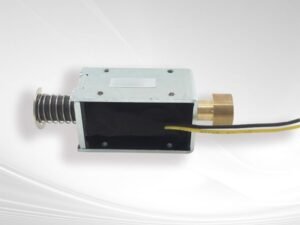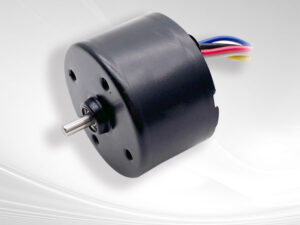










Introduction: Why AC vs. DC Solenoid Selection Matters in High-Temperature Applications
In industrial environments where temperatures can exceed 80°C, 120°C, or even higher, the performance and reliability of electromagnetic actuators become critical. A poorly selected electromagnet solenoid can lead to overheating, insulation failure, reduced lifespan, and even system shutdown.
One of the most important engineering decisions in such environments is choosing between AC solenoids and DC solenoids. While both types serve the same fundamental purpose—converting electrical energy into mechanical motion—their behavior under high-temperature conditions differs significantly.
This article provides a comprehensive comparison from an expert perspective, helping engineers, OEMs, and procurement teams select the right solution. It also explains how a professional solenoid manufacturer like SF approaches high-temperature design challenges.

1. Understanding AC and DC Solenoids: Fundamental Differences
Before comparing performance, it is essential to understand the core differences between AC and DC solenoids.
AC Solenoids
- Operate on alternating current
- Magnetic field fluctuates with frequency (50/60 Hz)
- Require shading coils to reduce vibration
DC Solenoids
- Operate on direct current
- Provide stable magnetic field
- Typically smoother and quieter operation
Key Insight
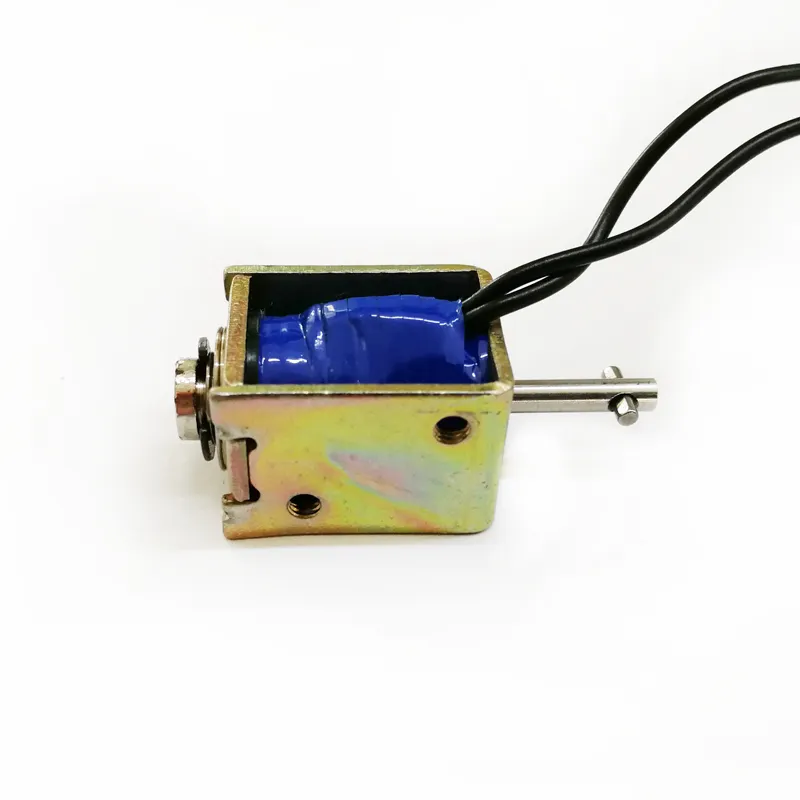
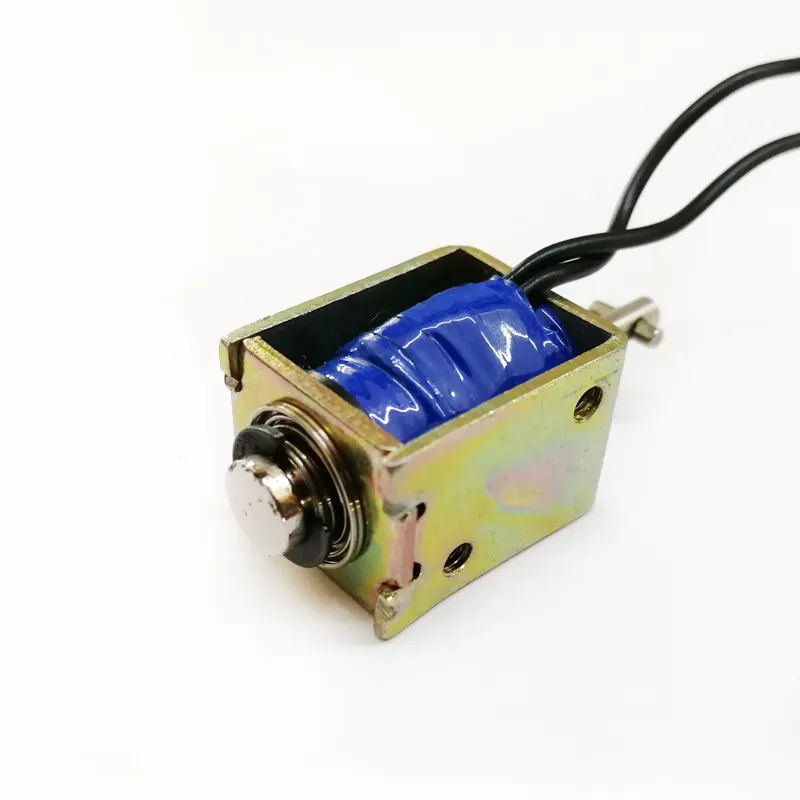
A custom electromagnet designed for high-temperature environments must consider how current type affects heat generation, efficiency, and mechanical stability.
2. Heat Generation Mechanisms in AC vs. DC Solenoids
Heat is the most critical factor in high-temperature environments.
DC Solenoid Heat Characteristics
- Heat mainly comes from copper losses (I²R)
- Stable current → predictable thermal behavior
AC Solenoid Heat Characteristics
- Copper losses + eddy current losses + hysteresis losses
- Additional heating due to alternating magnetic fields
Comparison Table
| Parameter | DC Solenoid | AC Solenoid |
|---|---|---|
| Heat Stability | High | Moderate |
| Loss Types | Resistive | Resistive + Magnetic |
| Temperature Control | Easier | More complex |
A professional solenoid factory must account for these differences during design.
3. Performance of AC vs. DC Solenoids in High-Temperature Environments
DC Solenoids
DC-based electromagnet solenoid systems perform better in high-temperature conditions because:
- Magnetic field remains constant
- Lower energy loss
- Predictable thermal rise
AC Solenoids
AC solenoids can:
- Generate higher initial force
- Suffer from increased heat under continuous operation
Engineering Conclusion
For continuous high-temperature environments, DC solenoids are generally more stable.
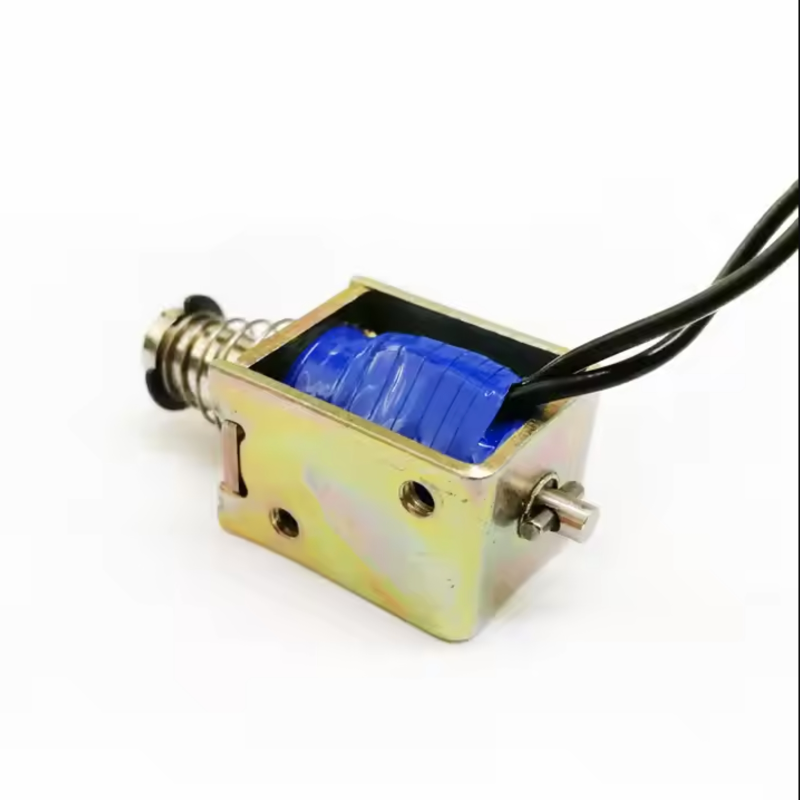

4. Force Characteristics Under High Temperature
Temperature affects magnetic materials and coil resistance.
DC Solenoid Force Behavior
- Gradual force reduction as temperature rises
- More stable across operating range
AC Solenoid Force Behavior
- Strong initial pull force
- Force drops significantly if overheating occurs
A reliable solenoid manufacturer designs compensation mechanisms to maintain performance.
5. Thermal Stability and Insulation Requirements
High temperature directly impacts insulation life.
Insulation Classes
| Class | Max Temperature |
|---|---|
| Class B | 130°C |
| Class F | 155°C |
| Class H | 180°C |
A professional custom electromagnet must use high-grade insulation materials to ensure long-term stability.
DC solenoids typically allow easier insulation management due to steady current.
6. Efficiency Comparison in High-Temperature Applications
Efficiency is critical for heat control.
DC Solenoids
- Higher efficiency
- Lower energy waste
- Better suited for continuous duty
AC Solenoids
- Lower efficiency due to alternating losses
- Better for short-cycle applications
This makes DC designs preferable in thermal-critical systems.
7. Noise and Vibration in High-Temperature Conditions
AC Solenoids
- Produce hum due to alternating current
- Vibration increases with temperature
DC Solenoids
- Silent operation
- Stable performance
For industries like medical or precision equipment, DC-based electromagnet solenoid solutions are preferred.
8. Duty Cycle Considerations
Duty cycle plays a major role in temperature rise.
AC Solenoids
- Best for intermittent duty
- Risk of overheating in continuous use
DC Solenoids
- Suitable for continuous operation
- Easier thermal control
A professional solenoid factory must match duty cycle with application requirements.
9. Material Selection for High-Temperature Solenoids
Material choice is critical in both AC and DC designs.
Key Materials
- High-temperature copper wire
- Low-loss magnetic cores
- Heat-resistant insulation
- Thermally conductive housings
An experienced solenoid manufacturer like SF selects materials based on application-specific temperature profiles.
10. Structural Design Strategies for Heat Management
Structural design can improve heat dissipation without increasing size.
Techniques
- Direct coil-to-housing thermal contact
- Thin-wall housings
- Heat-conductive paths
- Surface optimization
These strategies are essential in compact custom electromagnet designs.
11. Industrial Application Comparison
DC Solenoid Applications
- Industrial automation
- Smart locks
- Medical devices
- EV systems
AC Solenoid Applications
- Valves
- HVAC systems
- Heavy machinery
Key Insight
High-temperature continuous applications favor DC solenoids.
12. Real Case Study: High-Temperature Industrial Valve
Challenge
A client required a solenoid for a 120°C industrial valve.
SF Solution
As a professional solenoid manufacturer, SF:
- Selected Class H insulation
- Optimized coil resistance
- Improved magnetic efficiency
Result
- Stable operation at high temperature
- 20% reduction in heat rise
13. How to Choose Between AC and DC Solenoids
Decision Factors
| Factor | Recommendation |
|---|---|
| Continuous operation | DC solenoid |
| High initial force | AC solenoid |
| High temperature | DC solenoid |
| Cost sensitivity | AC (sometimes lower cost) |
Consulting a professional solenoid factory is essential for accurate selection.
14. How to Choose the Right Solenoid Manufacturer
Not all suppliers can handle high-temperature designs.
Key Criteria
- Engineering expertise
- Thermal simulation capability
- Material knowledge
- Testing capability
- Customization flexibility
A reliable solenoid manufacturer ensures long-term performance and safety.
15. Why SF Is a Trusted Solenoid Manufacturer for High-Temperature Applications
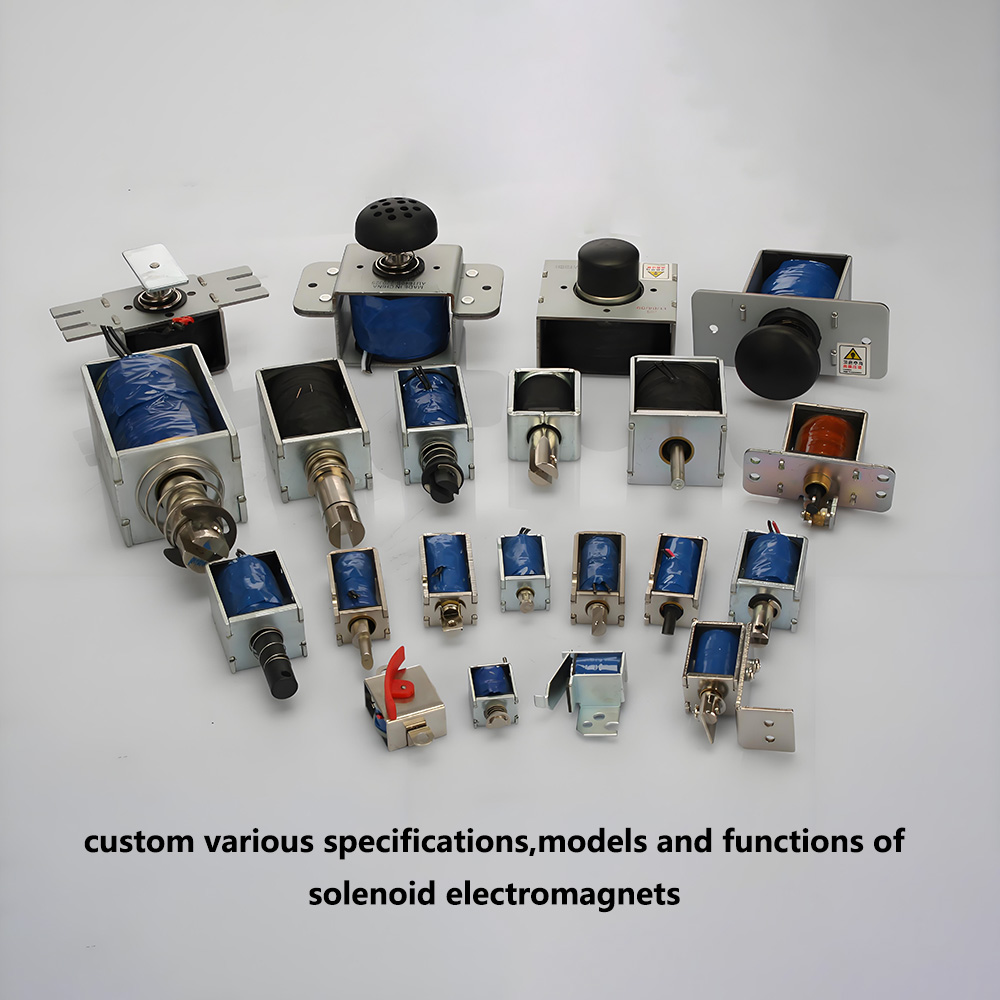
SF is a professional custom electromagnet and solenoid manufacturer with:
- 10+ years of experience
- Experienced engineering team
- 6000㎡ manufacturing facility
- Export to 60+ countries
- Proven OEM customization experience
SF Advantages
- Advanced electromagnetic design
- Strong thermal management solutions
- Stable production capacity
- Strict quality control
SF specializes in designing electromagnet solenoid solutions for demanding environments, including high-temperature industrial applications.
16. Future Trends in High-Temperature Solenoid Design
The industry is moving toward:
- Higher efficiency materials
- Smart control electronics
- Miniaturization with thermal optimization
- Integrated cooling solutions
A forward-looking solenoid manufacturer must innovate continuously.
AC vs. DC Solenoids in High-Temperature Environments
Choosing between AC and DC solenoids is a critical engineering decision, especially in high-temperature environments.
Key Takeaways
- DC solenoids offer better thermal stability and efficiency
- AC solenoids provide strong initial force but generate more heat
- Material and design optimization are essential
- Partnering with a professional solenoid factory ensures success
With over a decade of experience, SF continues to provide high-performance solutions as a trusted solenoid manufacturer, helping customers solve complex thermal challenges in industrial environments.
Custom all kinds of electromagnet, contact SF electromagnet factory whatsapp +86 189 0261 1680