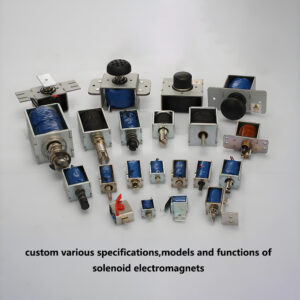










In the precision-driven world of industrial automation, a solenoid is often the “heartbeat” of a machine. Procurement managers frequently scan datasheets for that golden number: 10-million-cycle solenoid lifecycle. It sounds like a promise of longevity. Yet, for many global brands, the reality is starkly different: the solenoid fails at 2 million cycles, causing line stoppages, frantic maintenance calls, and damaged reputations.
Why does this disconnect happen? As a solenoid manufacturer with over 10 years of experience and a 6,000-square-meter facility, we at SF have witnessed the gap between “laboratory ratings” and “field reality.” This blog explores why the solenoid lifecycle is not a static number, but a dynamic variable—and how you can ensure your next custom order actually survives the distance.

1. The Myth of the 'Universal' Solenoid Lifecycle
The most common mistake procurement teams make is treating the solenoid lifecycle rating as an absolute. In reality, a “10-million-cycle” rating is usually derived from a test bench where the solenoid operates in a temperature-controlled room with no load, a perfectly aligned plunger, and a perfectly regulated power supply. In your factory, those variables don’t exist. When you apply a physical load, expose the unit to heat, or introduce vibration, the “theoretical” lifecycle drops exponentially.
2. Why Field Conditions Ruin Your Solenoid Lifecycle
The primary culprit for premature failure is the “mismatch” between testing and application. An electromagnet solenoid rated for 10 million cycles under no-load conditions will suffer from mechanical fatigue, material wear, and electrical thermal stress when deployed on an actual assembly line. If the solenoid is tasked with pushing a heavy weight, the internal impact force increases significantly, accelerating the wear on the plunger stop and the guide sleeve.
3. Deconstructing the Solenoid Lifecycle: Impact of Duty Cycle and Heat
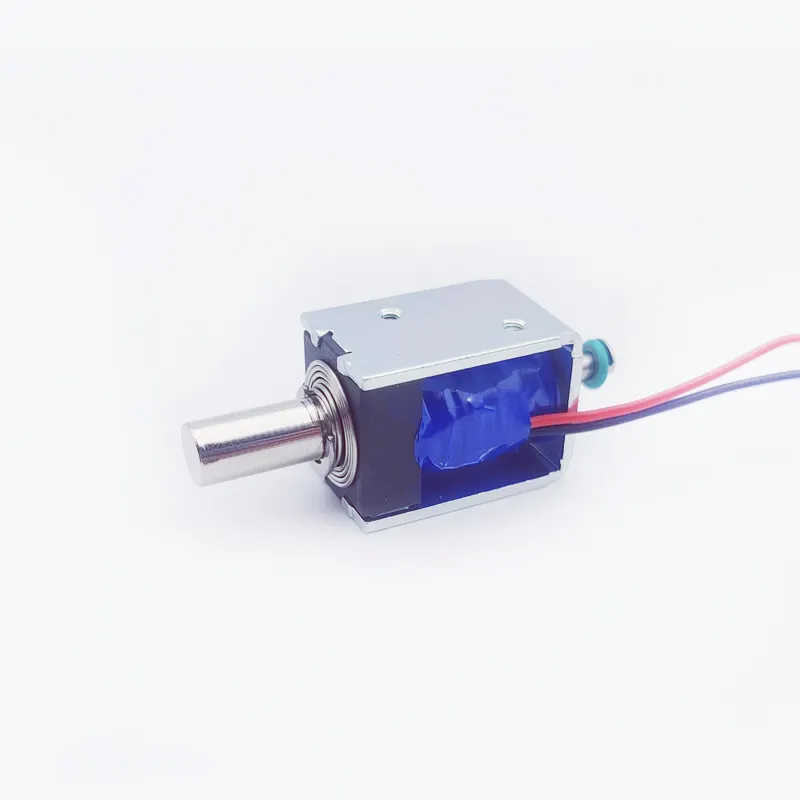
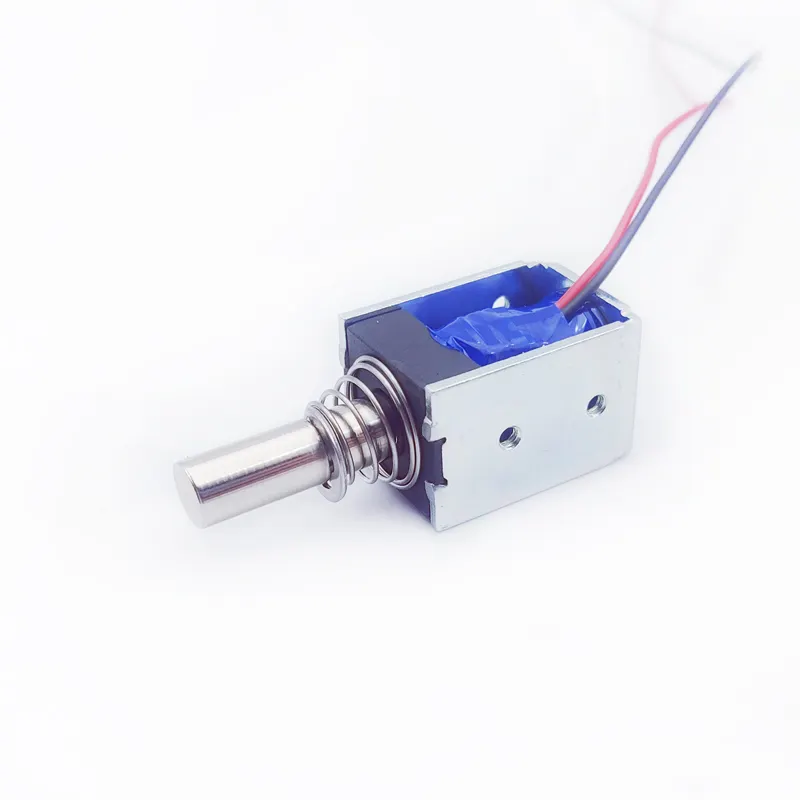
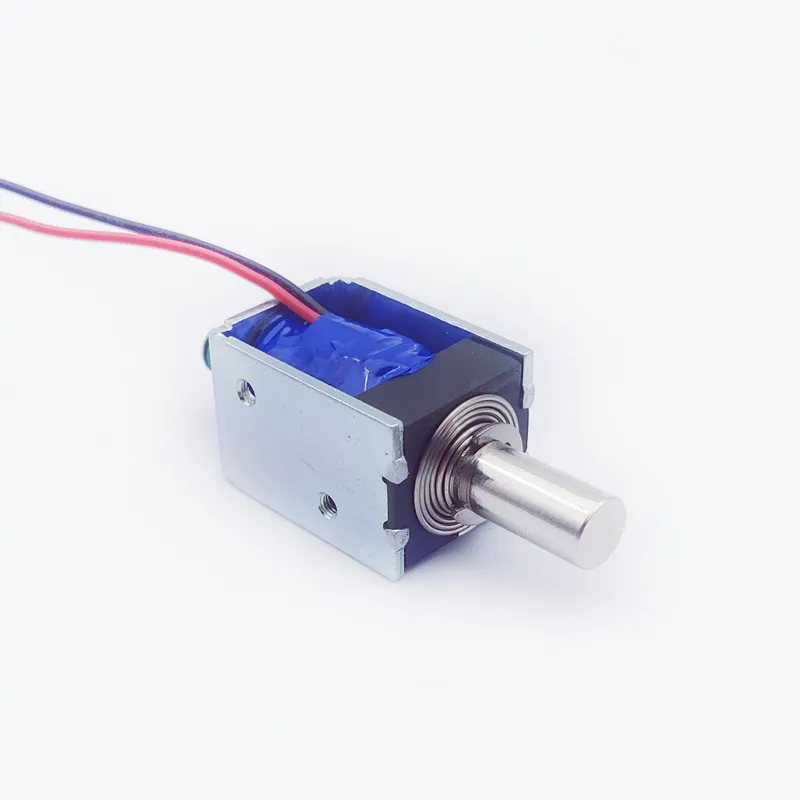
Thermal management is the silent killer of the solenoid lifecycle. As the coil heats up, the internal resistance rises, which can lead to incomplete strokes or erratic behavior. If the solenoid does not fully seat at the end of each stroke, it may suffer from “magnetic chatter,” which causes micro-vibrations. These vibrations are the equivalent of “metal fatigue,” drastically shortening the lifespan of your custom electromagnet components.
4. How to Spot a Overstated Lifecycle Rating
If a solenoid factory promises a high lifecycle without providing a detailed FMEA (Failure Mode and Effects Analysis) or an endurance test report, be skeptical. A professional manufacturer will show you the “Force vs. Stroke” curve at the beginning and end of the tested cycle life. If the force drops significantly by the 2-million-cycle mark, the “10-million-cycle” rating is mathematically dishonest.


5. Case Study: Solving Premature Failure in High-Speed Sorting
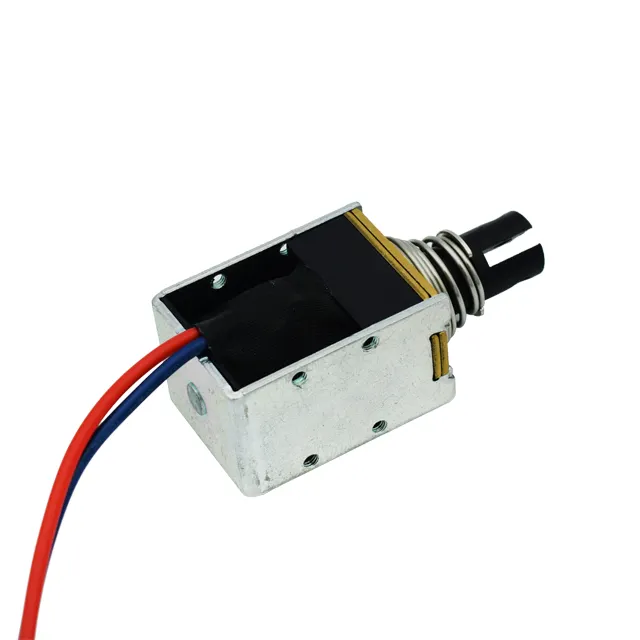
We once consulted for a client experiencing catastrophic failure in their sorting gates after only 1.5 million cycles. Their original supplier had provided a standard unit with soft iron cores. Upon reviewing their solenoid lifecycle requirements, our engineers at SF recommended a switch to high-permeability, hardened steel cores with a custom-engineered surface coating. By optimizing the material hardness and reducing the impact velocity, we extended the lifecycle to 15 million cycles, far exceeding their original requirements.
6. Engineering for Longevity: Material Science and Plating
The secret to a long solenoid lifecycle lies in the metallurgy of the plunger and the guide. Friction is the enemy. At SF, we utilize specialized electroless nickel plating and high-grade stainless steel to ensure that the plunger glides with minimal resistance. When the friction is low, the energy required for each stroke decreases, which in turn keeps the coil cooler and the mechanical wear negligible.
7. The Importance of First Article Inspection (FAI) for Lifecycle
Never commit to mass production without an FAI that includes an accelerated life test. We encourage our partners to demand a “continuous run” test for their prototypes in conditions that mimic the actual load. This test validates that the solenoid lifecycle will hold up in your specific environment, not just in the idealized world of a catalog datasheet.
8. How to Choose the Right Electromagnet Solenoid for Your Needs
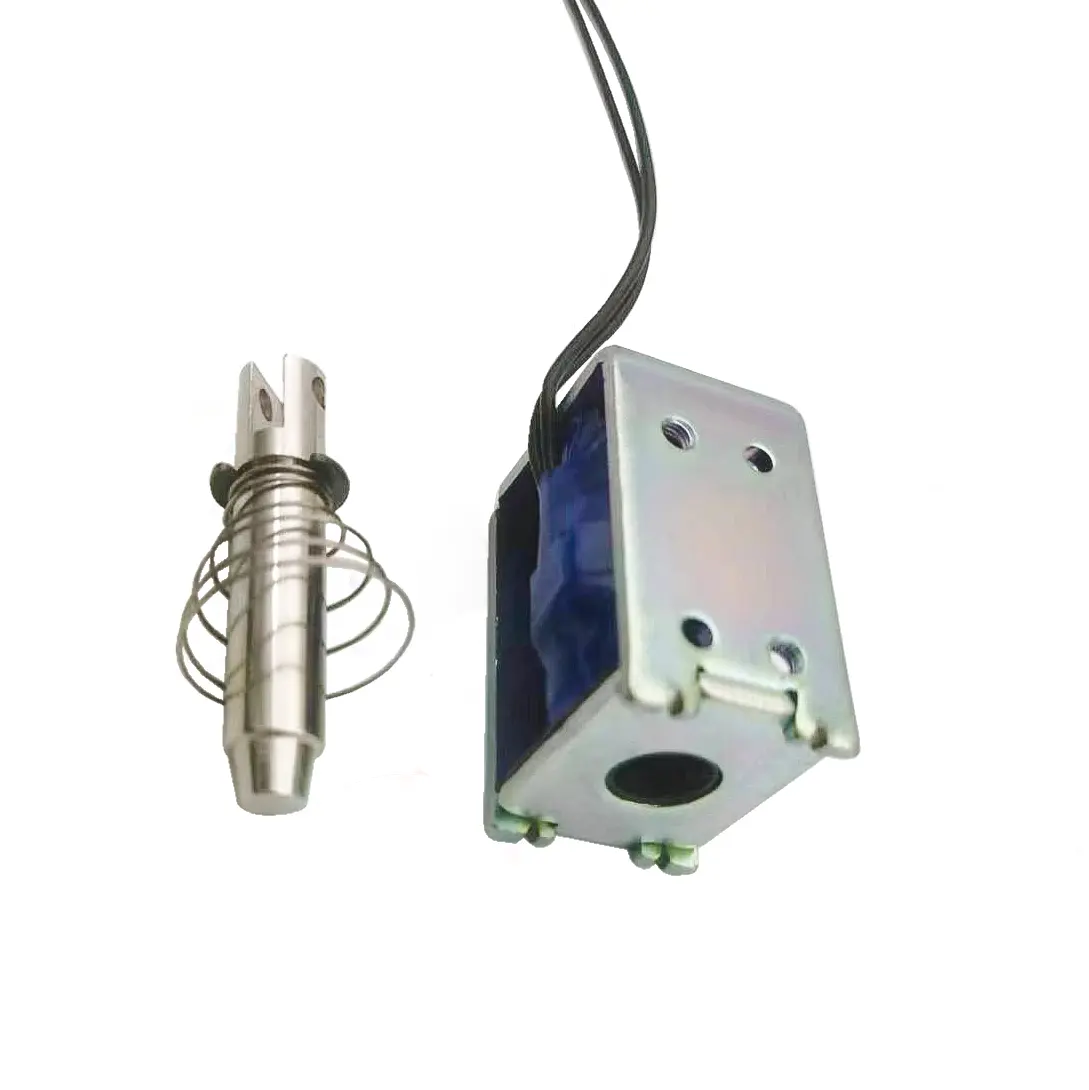
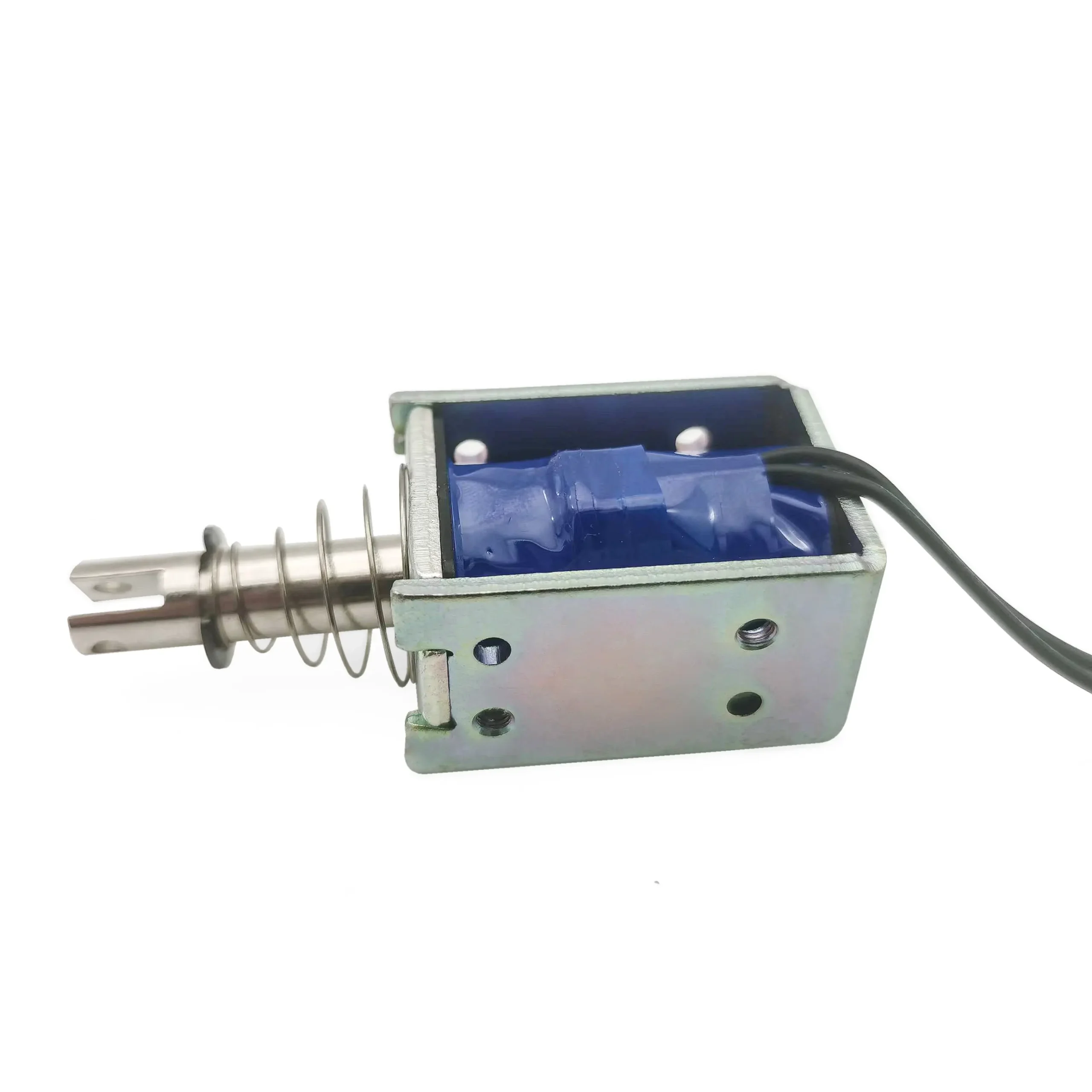
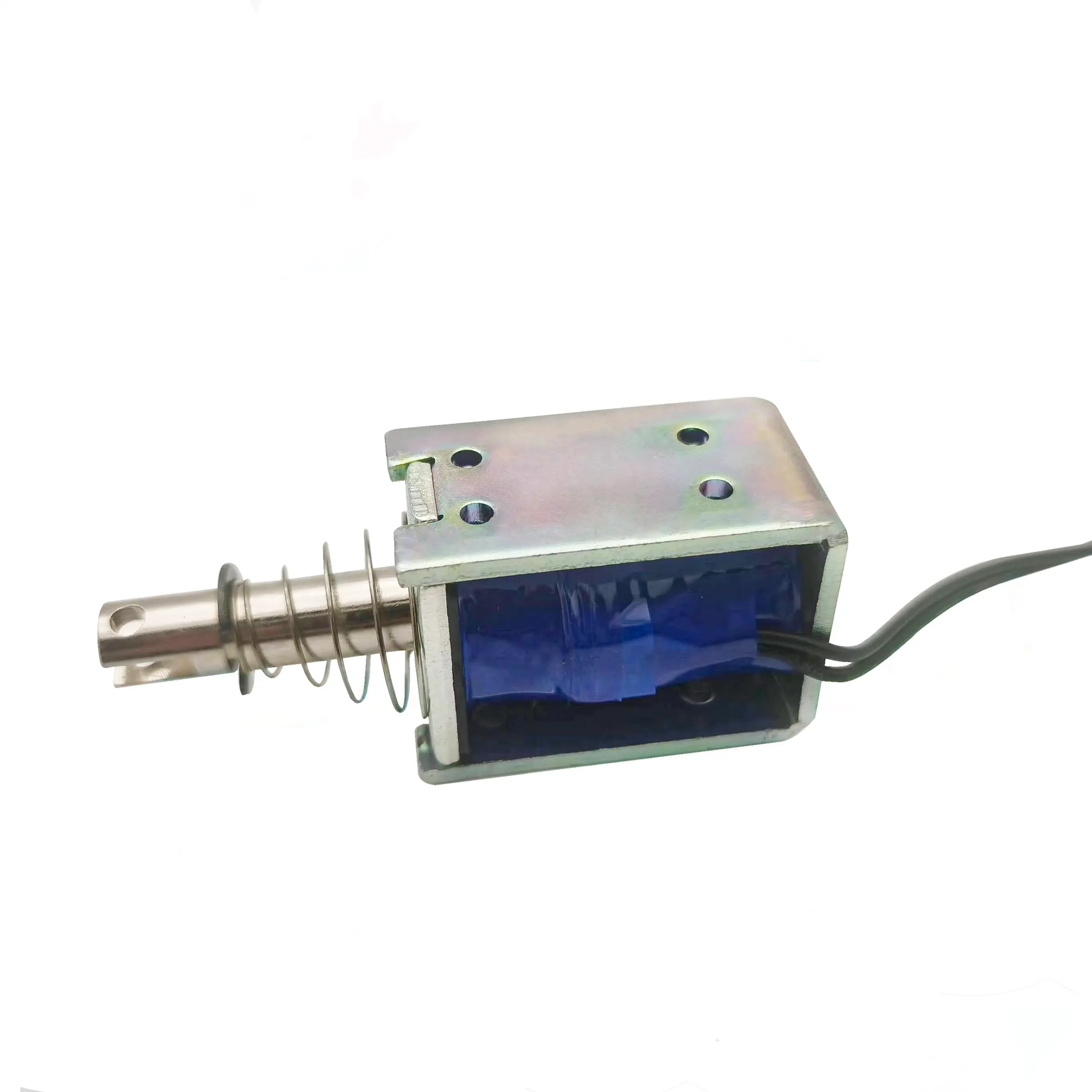
When you are selecting a custom electromagnet, define your “True Load.” Ask yourself:
What is the impact force at the end of the stroke?
What is the actual dwell time?
How does ambient temperature fluctuate during the 24-hour cycle? If you cannot answer these, talk to an engineering-focused solenoid manufacturer who can perform a simulation to predict the lifespan based on your unique constraints.
9. Why Your Choice of Solenoid Factory Matters
The manufacturing process is where the solenoid lifecycle is truly decided. Precision winding of the coil, vacuum impregnation to prevent internal wire movement, and robotic assembly are all crucial. In a factory with limited automation, manual winding can lead to small inconsistencies that cause hotspots, which lead to premature coil burnout.
10. The Role of Circuit Protection in Extending Lifecycle
Many failures aren’t the solenoid’s fault—they are electrical. Flyback diodes and transient voltage suppressors are essential to protect the coil from the “kickback” voltage that occurs when a solenoid is de-energized. An experienced solenoid manufacturer like SF will provide circuit design guidance to ensure your driver electronics aren’t killing your solenoid.
11. Monitoring the Health of Your Electromagnet Solenoid
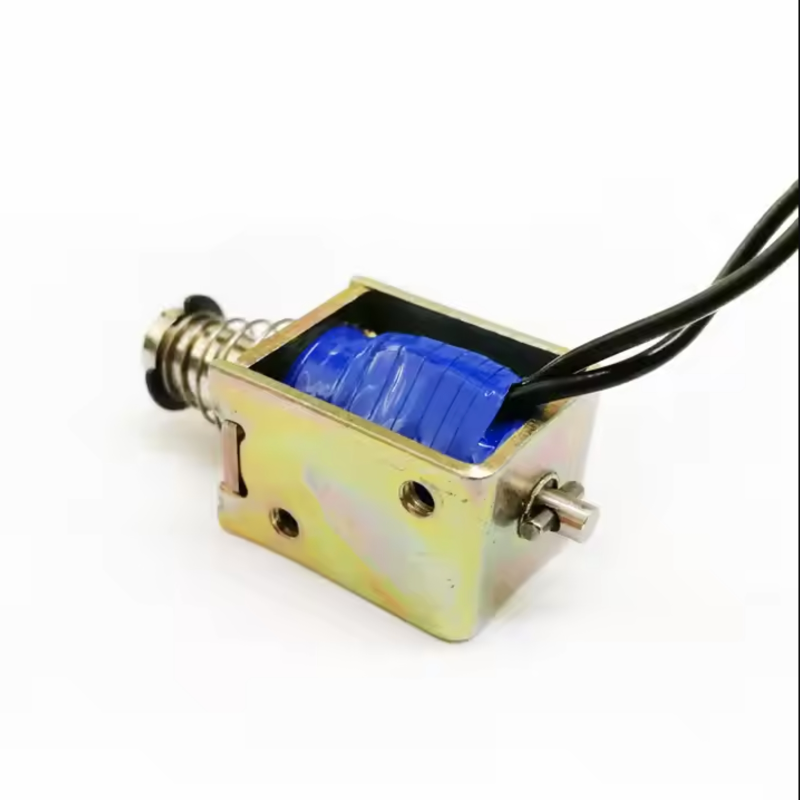
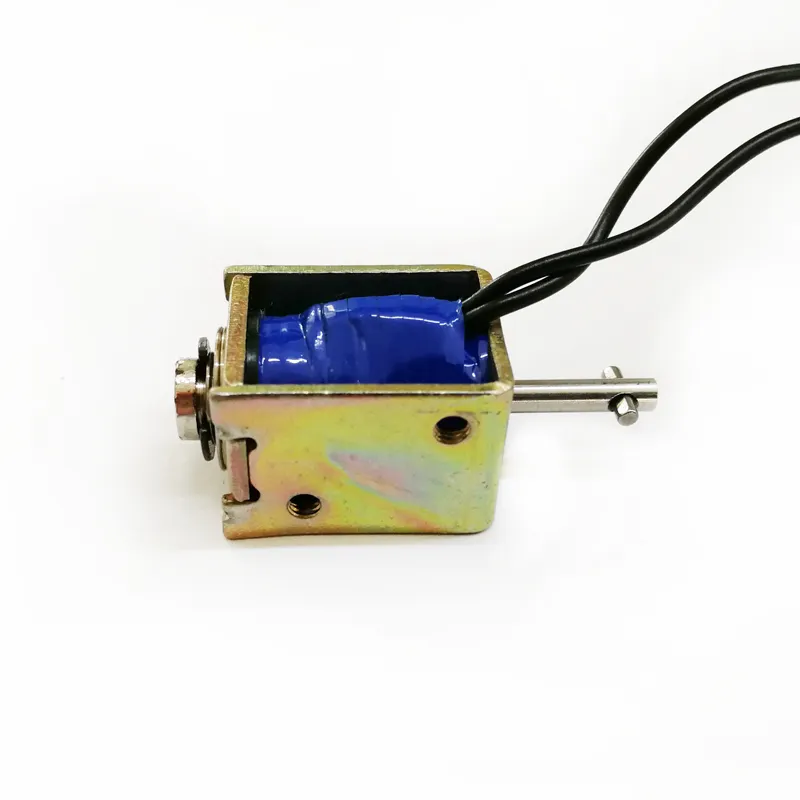
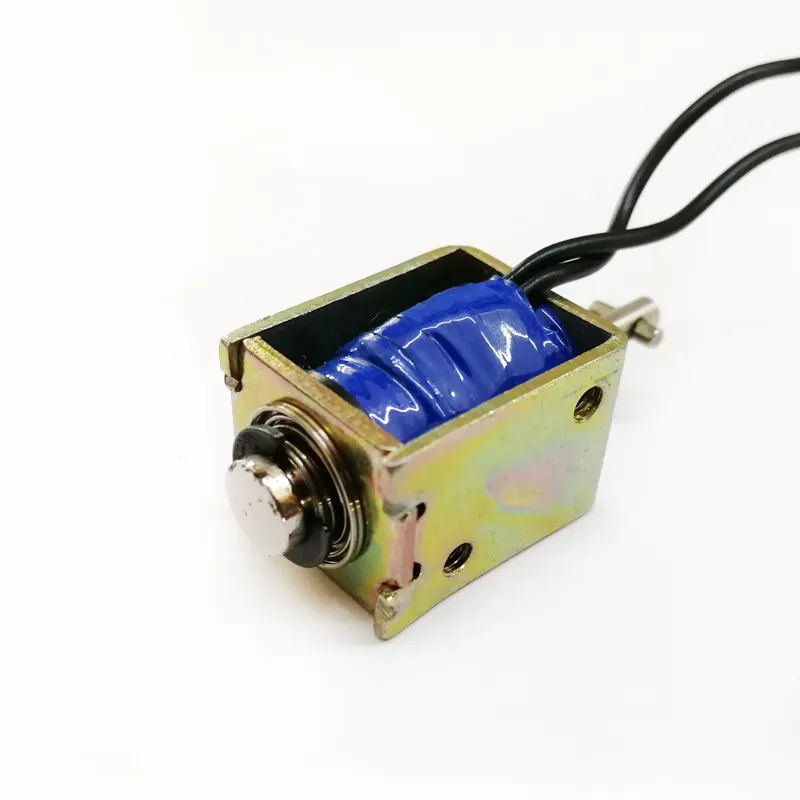
Implement “Condition Monitoring” where possible. By tracking the current profile of the solenoid during each cycle, you can often detect when the plunger is starting to stick or when the coil is showing signs of degradation. This allows you to perform preventative maintenance before the solenoid lifecycle reaches its fatal end point.
12. Engineering Authority: Talking to the Experts
If your supplier’s primary point of contact is a salesperson who only talks about price, you are missing out on the engineering depth required to guarantee a 10-million-cycle performance. You need access to the engineers who understand the magnetic circuits and the material stress limits.
13. Scalability: From 100 Prototypes to 100,000 Units
Reliability must be repeatable. The reason SF is a preferred partner for global brands is our ability to maintain the exact same manufacturing parameters across mass production as we do for the first prototype. This consistency is the only way to ensure every single unit meets your defined solenoid lifecycle.
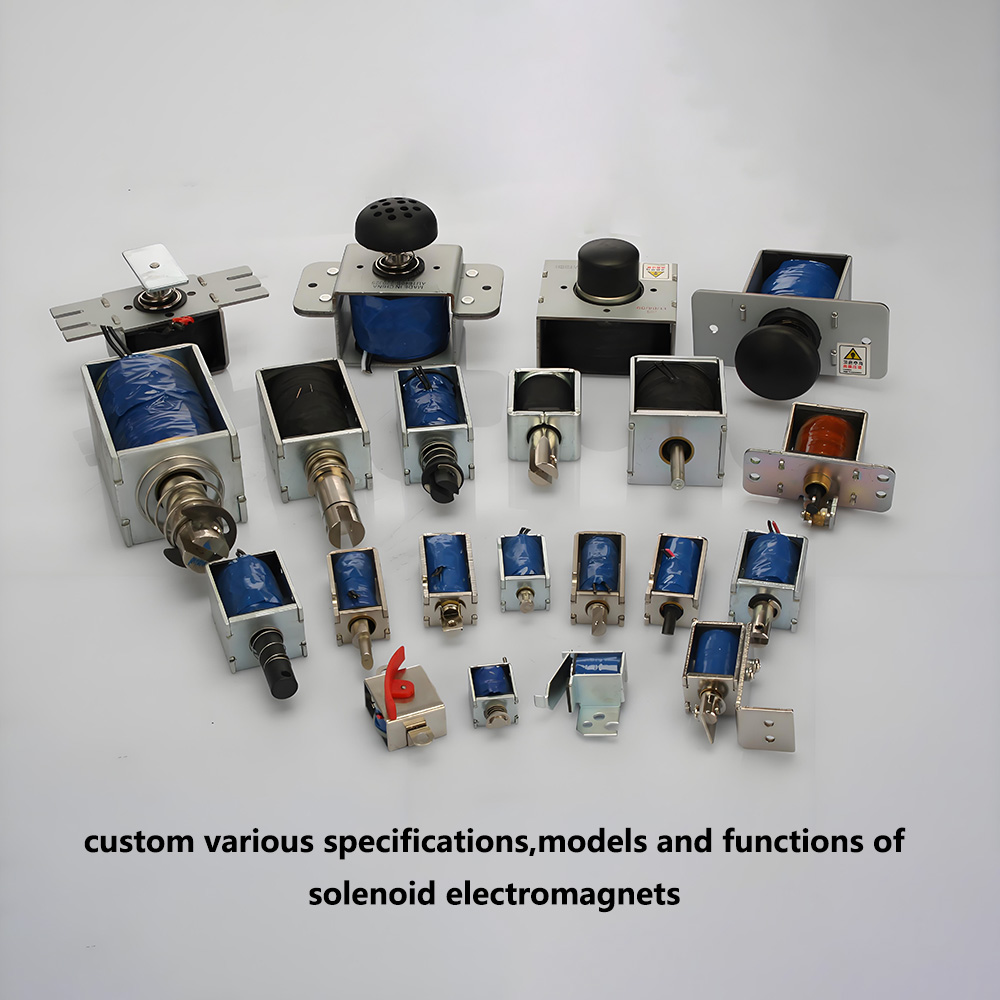
14. Sustainability and Environmental Responsibility
A long-lasting solenoid is a sustainable solenoid. By reducing the frequency of replacement parts, you decrease the carbon footprint of your supply chain. We prioritize environmentally friendly materials and high-efficiency designs that consume less power, benefiting both your operational costs and the planet.
15. Your Next Steps: Building a Reliable Future
The gap between 2 million cycles and 10 million cycles is not just time; it is engineering. If you are tired of premature failures and are looking for a partner who treats your solenoid lifecycle as a critical performance metric, it is time to connect with SF.
Why SF is the Preferred Solenoid Manufacturer
With 10 years of experience, a massive 6,000-square-meter facility, and a track record of supporting brands across 60+ countries, we are more than a vendor—we are your technical partner. We don’t just supply products; we provide the peace of mind that comes from engineering excellence.
Ready to build a solenoid that truly lasts? Contact our team at SF today and let’s discuss your application’s endurance requirements. Let’s make your next 10-million cycles a reality.
Custom all kinds of electromagnet, contact SF electromagnet factory whatsapp +86 189 0261 1680