









Cập nhật lần cuối vào ngày 04/09/2025 bởi Nhà máy Solenoid
Nam châm điện Nam châm điện là những cỗ máy hoạt động bền bỉ trong các ngành công nghiệp như sản xuất, chăm sóc sức khỏe, năng lượng và vận tải. Tuy nhiên, ngay cả những hệ thống mạnh mẽ nhất cũng có thể gặp trục trặc trong quá trình vận hành. Là một nhà sản xuất nam châm điện chuyên nghiệp, chúng tôi hiểu rằng việc khắc phục sự cố nhanh chóng và chính xác là rất quan trọng. Khắc phục sự cố cho nam châm điện Việc này rất quan trọng để giảm thiểu thời gian ngừng hoạt động và tránh những chi phí thay thế tốn kém. Hướng dẫn toàn diện này trang bị cho người dùng các chiến lược thiết thực để chẩn đoán và giải quyết các lỗi thường gặp của nam châm điện, được hỗ trợ bởi các nghiên cứu trường hợp thực tế và những hiểu biết chuyên sâu từ các chuyên gia.
1. Các lỗi thường gặp của nam châm điện và triệu chứng của chúng
1.1 Không kích hoạt (Nam châm điện không hoạt động)
Triệu chứng:
- Không có tiếng lách cách hay chuyển động nào phát ra.
- Cuộn dây vẫn giữ nhiệt độ thấp trong suốt quá trình hoạt động.
Nguyên nhân có thể xảy ra: - Mạch hở trong cuộn dây hoặc dây dẫn.
- Cầu chì bị cháy hoặc aptomat bị ngắt.
- Nguồn điện bị lỗi.
Nghiên cứu trường hợp 1:
Nam châm điện của bộ kẹp trên dây chuyền lắp ráp robot ngừng hoạt động, làm gián đoạn sản xuất. Chẩn đoán cho thấy một sợi dây bị đứt trong bó dây cáp mềm do bị uốn cong lặp đi lặp lại.
Giải pháp:
- Kiểm tra tính liên tụcSử dụng đồng hồ vạn năng để kiểm tra xem có mạch hở hay không.
- Kiểm tra cáp mềmKiểm tra xem có sợi nào bị sờn hoặc đứt không.
- Thay thế bộ dây dẫnĐã lắp đặt cáp cách điện silicon có độ linh hoạt cao.
Kết quảViệc sản xuất được nối lại trong vòng 4 giờ và không tái diễn trong 12 tháng.
1.2 Lực giữ yếu
Triệu chứng:
- Rơi tải hoặc trượt phần ứng.
- Nhiệt độ hoạt động tăng cao.
Nguyên nhân có thể xảy ra: - Sai lệch khe hở không khí.
- Khử từ lõi.
- Điện áp thấp hoặc dòng điện không ổn định.
Nghiên cứu trường hợp 2:
Một thiết bị nâng từ tính trong nhà máy thép thỉnh thoảng làm rơi các tấm thép. Các phép đo cho thấy độ lệch khe hở không khí là 0,5mm so với thông số kỹ thuật 0,2mm.
Giải pháp:
- Căn chỉnh bằng laserĐiều chỉnh tấm rôto đến độ lệch ±0,05mm.
- Ổn định điện ápĐã lắp đặt bộ ổn áp DC 24V với độ chính xác ±1%.
- Kiểm tra lõiĐã thay thế các nam châm neodymium bị khử từ nhẹ.
Kết quảLực giữ được khôi phục về mức 1.200N, đúng với thông số kỹ thuật ban đầu.
1.3 Hiện tượng quá nhiệt
Triệu chứng:
- Lớp cách nhiệt bị đổi màu hoặc chảy.
- Mùi khét hoặc khói.
Nguyên nhân có thể xảy ra: - Chu kỳ hoạt động quá mức (ví dụ: thời gian bật 100%).
- Các lỗ thông gió làm mát bị tắc.
- Nhiệt độ môi trường cao.
Nghiên cứu trường hợp 3:
Nam châm điện của máy đóng gói thực phẩm bị quá nhiệt sau 2 giờ, làm biến dạng vỏ nhựa. Hình ảnh nhiệt cho thấy nhiệt độ cuộn dây đạt 110°C (nhiệt độ tối đa định mức: 85°C).
Giải pháp:
- Điều chỉnh chu kỳ làm việcGiảm thời gian bật từ 100% xuống 60% bằng cách sử dụng bộ điều khiển PWM.
- Nâng cấp hệ thống làm mátĐã bổ sung thêm tản nhiệt bằng nhôm và một quạt nhỏ.
- Thay đổi vật chấtThay thế vỏ nhựa bằng vật liệu PEEK chịu nhiệt.
Kết quảNhiệt độ cuộn dây được ổn định ở mức 75°C, giúp loại bỏ hiện tượng cong vênh.
1.4 Chế độ hoạt động gián đoạn
Triệu chứng:
- Kích hoạt/vô hiệu hóa ngẫu nhiên.
- Đèn LED trạng thái nhấp nháy.
Nguyên nhân có thể xảy ra: - Các mối nối dây bị lỏng.
- Nhiễu điện từ từ các thiết bị lân cận.
- Rơle điều khiển bị lỗi.
Nghiên cứu trường hợp 4:
Cánh tay robot tương thích với máy chụp cộng hưởng từ (MRI) của một bệnh viện có chuyển động bất thường. Hình ảnh trên máy hiện sóng cho thấy các xung nhiễu điện từ (EMI) phát ra từ các động cơ servo không được che chắn.
Giải pháp:
- Cáp chống nhiễuThay thế dây dẫn tiêu chuẩn bằng cáp bọc kép có lớp chắn.
- Cuộn cảm FerriteĐược lắp đặt trên đường dây điện gần các nguồn gây nhiễu điện từ.
- Kiểm tra nối đấtĐảm bảo điện trở giữa tất cả các linh kiện nhỏ hơn 1Ω.
Kết quảSố lỗi do nhiễu điện từ gây ra đã giảm từ 15 lỗi/tháng xuống còn 0.
2. Quy trình khắc phục sự cố từng bước đối với nam châm điện
2.1 Kiểm tra an toàn sơ bộ
- Ngắt nguồn điện hệ thốngTuân thủ quy trình LOTO (Khóa/Gắn thẻ an toàn).
- Kiểm tra trực quanKiểm tra xem có dấu hiệu hư hỏng rõ ràng, mảnh vụn hoặc ăn mòn hay không.
- Nhật ký đánh giáKiểm tra hồ sơ bảo trì để tìm các sự cố thường xuyên xảy ra.
2.2 Chẩn đoán điện
- Kiểm tra nguồn điện:
- Đo điện áp đầu vào (ví dụ: 24V DC ±10%).
- Kiểm tra xem dòng điện tiêu thụ có khớp với định mức của cuộn dây hay không.
- Kiểm tra tính liên tục:
- Sử dụng đồng hồ vạn năng để kiểm tra điện trở cuộn dây (ví dụ: 10Ω ±5%).
- Kiểm tra cách điện:
- Giá trị đo của megohmmeter phải lớn hơn 100MΩ ở điện áp 500V DC.
2.3 Chẩn đoán cơ khí
- Đo khoảng cách không khí:
- Sử dụng thước đo khe hở hoặc cảm biến laser (sai số cho phép: ±0,1mm).
- Kiểm tra phần ứng:
- Kiểm tra xem có rỉ sét, rỗ hoặc mòn không đều hay không.
- Kiểm tra bôi trơn:
- Đảm bảo các bề mặt trượt được bôi trơn bằng chất bôi trơn thích hợp (ví dụ: silicon chịu nhiệt cao).
2.4 Đánh giá tác động môi trường
- Nhiệt độ: So sánh kết quả đo nhiệt kế hồng ngoại với giới hạn cho phép.
- Độ ẩmKiểm tra xem có hiện tượng ngưng tụ hơi nước hoặc nước xâm nhập hay không.
- Chất gây ô nhiễmKiểm tra xem có vụn kim loại, bụi hoặc hóa chất hay không.
- Được xếp hạng 0 5 sao
- Được xếp hạng 0 5 sao
- Được xếp hạng 0 5 sao
- Được xếp hạng 0 5 sao
3. Các kỹ thuật khắc phục sự cố nâng cao đối với nam châm điện
3.1 Sử dụng máy hiện sóng để phân tích tín hiệu
- Dòng điện gợn sóngHiện tượng gợn sóng quá mức (>10% dòng điện định mức) cho thấy có vấn đề về nguồn điện.
- Độ trễ kích hoạt: Đo thời gian từ khi nhận tín hiệu đến khi lực tác động đạt mức tối đa (thời gian này nên nhỏ hơn 50ms đối với hầu hết các ứng dụng công nghiệp).
Nghiên cứu trường hợp 5:
Nam châm điện của máy CNC có độ trễ 200ms, gây ra hiện tượng cắt không thẳng hàng. Phân tích bằng dao động ký đã xác định được một MOSFET bị lỗi trong mạch điều khiển.
Giải pháp:
- Đã thay thế MOSFET và thêm mạch giảm xung để giảm thiểu hiện tượng xung chuyển mạch.
- Kết quảĐộ trễ được giảm xuống còn 20ms, phù hợp với dung sai của máy.
3.2 Chụp ảnh nhiệt để phát hiện điểm nóng
- Xác định các bộ phận bị quá nhiệt (ví dụ: đầu nối, cuộn dây).
- So sánh biểu đồ nhiệt độ với các số liệu đo ban đầu.
Nghiên cứu trường hợp 6:
Nam châm điện điều khiển góc nghiêng cánh quạt của tuabin gió có cuộn dây "lạnh" nhưng khối đầu nối lại nóng. Hình ảnh nhiệt cho thấy một kết nối lỏng lẻo tạo ra các điểm nóng lên đến 90°C.
Giải pháp:
- Đã siết chặt các đầu nối và bôi mỡ chống oxy hóa.
- Kết quảNhiệt độ được chuẩn hóa ở mức 40°C, giúp ngăn ngừa sự hư hỏng lớp cách điện.
4. Các nghiên cứu trường hợp khắc phục sự cố chuyên biệt theo ngành
4.1 Sản xuất ô tô
Vấn đề: Nam châm điện của chốt cửa xe không nhả ra, làm chậm quá trình lắp ráp.
Chẩn đoánTừ dư (0,4T) do không khử từ.
Giải pháp:
- Đã bổ sung mạch xung đảo cực để trung hòa các từ trường dư.
- Kết quảThời gian chu kỳ được cải thiện 15%, đáp ứng mục tiêu sản xuất JIT.
4.2 Năng lượng tái tạo
Vấn đềNam châm điện của thiết bị theo dõi năng lượng mặt trời rung mạnh khi có gió lớn.
Chẩn đoánTần số AC (60Hz) phù hợp với tần số cộng hưởng tự nhiên của phần ứng.
Giải pháp:
- Đã chuyển sang sử dụng cuộn dây DC với điều khiển PWM ở tần số 1kHz.
- Kết quảMức độ tiếng ồn đã giảm từ 85 dB xuống 65 dB, tuân thủ các quy định địa phương.
4.3 Chăm sóc sức khỏe
Vấn đề: Nam châm điện bảo vệ chống tắt đột ngột của máy MRI bị kích hoạt sai.
Chẩn đoánNhiễu điện từ (EMI) từ các cuộn dây RF gần đó đã làm nhiễu tín hiệu cảm biến.
Giải pháp:
- Đã lắp đặt tấm chắn mu-metal và cảm biến quang học.
- Kết quảLoại bỏ các cảnh báo sai, đảm bảo an toàn cho bệnh nhân.
5. Các biện pháp phòng ngừa đối với nam châm điện để tránh hỏng hóc trong tương lai
5.1 Quy trình bảo trì định kỳ
- Hàng thángVệ sinh phần ứng, kiểm tra lớp cách điện và xác minh khe hở không khí.
- Hàng quýBôi trơn các bộ phận chuyển động và kiểm tra cáp xem có bị mòn không.
- Hàng nămTiến hành hiệu chỉnh lại toàn bộ hệ thống và chụp ảnh nhiệt.
5.2 Cải tiến thiết kế
- Cuộn dây dự phòngThiết kế cuộn dây kép dành cho các ứng dụng quan trọng.
- Khả năng thích ứng với môi trườngPhương pháp bọc epoxy cho môi trường ẩm ướt hoặc ăn mòn.
5.3 Đào tạo và Tài liệu
- Hội thảo dành cho nhân viênHướng dẫn người vận hành nhận biết các dấu hiệu cảnh báo sớm (ví dụ: tiếng ồn bất thường, phản ứng chậm hơn).
- Nhật ký điện tửTheo dõi các sự cố và giải pháp trong hệ thống quản lý bảo trì bằng máy tính (CMMS).
6. Khi nào cần tìm kiếm sự trợ giúp chuyên nghiệp
Mặc dù nhiều vấn đề có thể được giải quyết nội bộ, hãy tham khảo ý kiến chuyên gia của bạn. nhà sản xuất nam châm điện vì:
- Lỗi dai dẳngCác sự cố vẫn tiếp diễn dù đã khắc phục.
- Thiết kế lại theo yêu cầuCác ứng dụng đòi hỏi lực, tốc độ hoặc độ bền cao hơn.
- Hệ thống an toàn quan trọngCác ứng dụng trong hàng không vũ trụ, y tế hoặc hạt nhân.
Nghiên cứu trường hợp 7:
Nam châm điện siêu dẫn của máy gia tốc hạt bị tắt đột ngột. Phân tích của nhà sản xuất cho thấy một vết nứt siêu nhỏ trong cuộn dây Nb₃Sn.
Giải pháp:
- Đã thay thế cuộn dây và nâng cấp lên cảm biến phát hiện tắt nguồn theo thời gian thực.
- Kết quảĐã đạt được hoạt động ổn định ở mức 12 Tesla mà không xảy ra sự cố nào.
Nắm vững kỹ thuật khắc phục sự cố để đảm bảo hoạt động không bị gián đoạn
Hiệu quả Khắc phục sự cố cho nam châm điện Sự kết hợp giữa chẩn đoán có hệ thống, chuyên môn kỹ thuật và bảo trì chủ động. Bằng cách hiểu rõ các chế độ hỏng hóc phổ biến, tận dụng các công cụ tiên tiến như máy hiện sóng và camera nhiệt, cùng học hỏi từ các nghiên cứu trường hợp thực tế, người dùng có thể biến thời gian ngừng hoạt động thành cơ hội tối ưu hóa.
Là đối tác đáng tin cậy của bạn trong lĩnh vực nam châm điện, chúng tôi cung cấp hướng dẫn khắc phục sự cố tùy chỉnh và hỗ trợ kỹ thuật 24/7. Hãy nhớ: Mỗi vấn đề được giải quyết là một bước tiến hướng tới độ tin cậy cao hơn—và là minh chứng cho sức mạnh của kỹ thuật chính xác.
Giới thiệu về nhà máy sản xuất nam châm điện SF
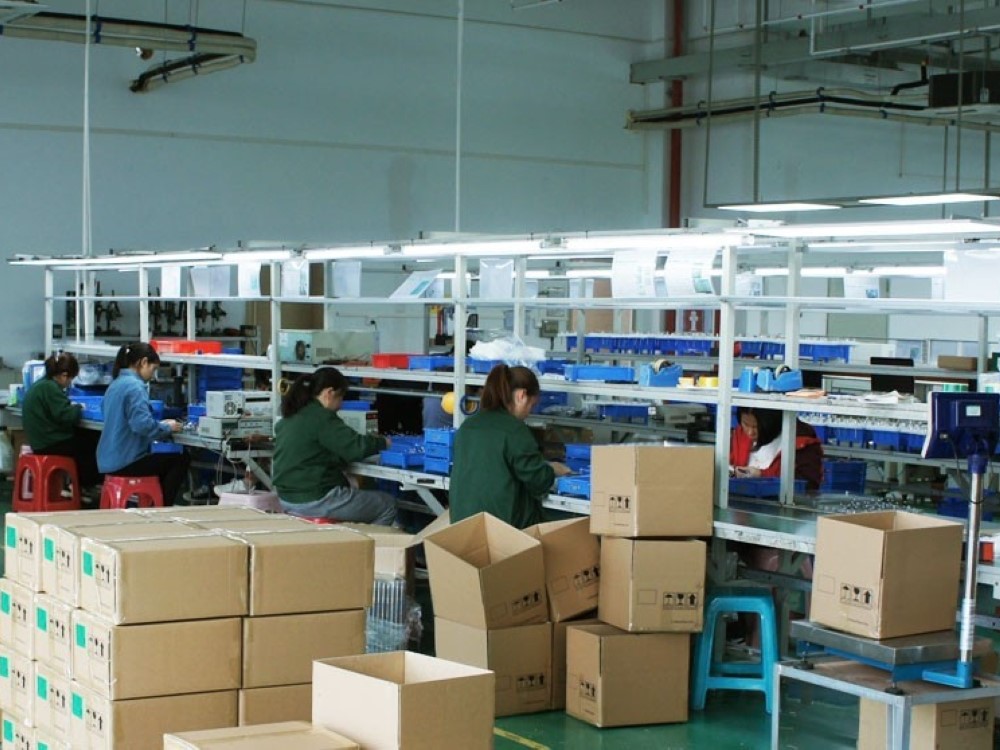
Công ty TNHH Nam châm điện Shengfeng được thành lập năm 2015, tọa lạc tại Khu công nghiệp Tây Sa với cảnh quan đẹp và giao thông thuận tiện. Công ty có diện tích 16.000 mét vuông, sở hữu nhà máy sản xuất hiện đại, thiết bị sản xuất tiên tiến và đội ngũ kỹ thuật chất lượng cao. Từ khi thành lập, chúng tôi luôn tuân thủ triết lý doanh nghiệp “đổi mới, chất lượng và dịch vụ”, tập trung vào nghiên cứu và phát triển cũng như sản xuất các sản phẩm chất lượng cao. nam châm điện, Không ngừng thúc đẩy việc nâng cấp sản phẩm và tiến bộ công nghệ, đồng thời cung cấp cho khách hàng những sản phẩm và dịch vụ chất lượng tốt nhất.
Tại sao nên chọn nam châm điện SF?
CHẤT LƯỢNG CAO CẤP:Là nhà sản xuất nam châm điện solenoid hàng đầu tại Trung Quốc, đội ngũ kiểm soát chất lượng (QC) của chúng tôi cam kết đảm bảo mọi sản phẩm bạn nhận được đều đạt chất lượng tốt nhất. Chúng tôi sở hữu các thiết bị kiểm tra chất lượng chuyên dụng.
THIẾT KẾ SẢN PHẨM:Bộ phận làm mẫu của chúng tôi sở hữu quy trình hoàn chỉnh để hiện thực hóa các bản vẽ. Chúng tôi cũng sẽ cải tiến thiết kế sản phẩm của bạn dựa trên kinh nghiệm làm việc lâu năm. Hãy chia sẻ ý kiến của bạn với chúng tôi.
THỜI GIAN GIAO HÀNG ỔN ĐỊNH:Là nhà sản xuất và cung cấp nam châm điện hàng đầu, chúng tôi sở hữu năng lực sản xuất mạnh mẽ; ngay cả với những đơn hàng lớn, chúng tôi vẫn đảm bảo giao hàng đúng tiến độ cho quý khách.
GIÁ TỐT NHẤT:Chúng tôi là nhà máy sản xuất trực tiếp nam châm điện và là nhà sản xuất solenoid hàng đầu tại Trung Quốc; chính vì vậy, chúng tôi có thể cung cấp các sản phẩm chất lượng cao với mức giá tốt nhất.
QUẢN LÝ CHÍNH XÁC:Chúng ta sẽ không thể đạt được kết quả gì nếu không thực hiện công tác quản lý chặt chẽ. Chúng tôi là công ty sở hữu hệ thống quản lý toàn diện.
PHỤC VỤ 24/7:Là nhà sản xuất van điện từ hàng đầu, chúng tôi cung cấp dịch vụ phản hồi nhanh chóng 24/7: Chúng tôi sẽ tiếp nhận phản hồi của bạn để cải thiện chất lượng dịch vụ và trở thành nhà cung cấp tốt hơn. Liên hệ WhatsApp +86 18902611680
Câu hỏi thường gặp về nam châm điện
Chúng tôi là một công ty hàng đầu của Trung Quốc. nam châm điện Nhà sản xuất của chúng tôi đặt tại Đông Quan. Rất hân hạnh được đón tiếp quý khách đến thăm nhà máy!
Chúng tôi chuyên thiết kế và sản xuất các sản phẩm chất lượng cao. nam châm điện,van điện từ,chẳng hạn như nam châm điện quay, nam châm điện lưỡng ổn định, nam châm điện chốt, van điện từ khung hở, nam châm điện hình ống, van điện từ tự giữ
•Tất nhiên, thông thường chúng tôi sẽ cung cấp mẫu miễn phí, và bạn chỉ cần thanh toán phí vận chuyển. Đối với các mẫu nam châm điện tùy chỉnh, vui lòng gửi yêu cầu của bạn cho chúng tôi để kiểm tra chi phí mẫu.
• Quá trình sản xuất mẫu mất khoảng 7 ngày.
Vâng, chúng tôi cung cấp dịch vụ thiết kế miễn phí, thiết kế kết cấu và thiết kế đồ họa đơn giản.
Chắc chắn rồi. Chúng tôi có thể sản xuất bất kỳ loại nam châm điện nào theo thiết kế của bạn. Hiện tại, chúng tôi đang mở dịch vụ ODM cho nam châm điện từ số lượng nhỏ từ 100 đến 500 chiếc, nhưng bạn vẫn có thể sử dụng logo riêng của mình.
Tùy thuộc vào số lượng đặt hàng và chi tiết sản xuất, thời gian giao hàng sẽ vào khoảng 15 đến 20 ngày.
Luôn có mẫu thử trước khi sản xuất hàng loạt; Luôn kiểm tra cuối cùng trước khi giao hàng.
• Công suất, mục đích sử dụng, kích thước, chất liệu, số lượng, địa điểm giao hàng, v.v.
• Bạn cũng có thể cho chúng tôi biết yêu cầu của bạn và chúng tôi sẽ đề xuất sản phẩm phù hợp.
• Bằng đường biển, đường hàng không hoặc chuyển phát nhanh.
• Nếu bạn có đại lý giao nhận vận tải riêng tại Trung Quốc, đó là giá xuất xưởng hoặc giá FOB.
•CFR hoặc CIF, v.v., nếu bạn cần chúng tôi vận chuyển thay mặt bạn.
• DDP và DDU cũng có thể được sử dụng.
• Chúng tôi sẽ xem xét các lựa chọn của bạn nếu bạn có thêm nhiều sự lựa chọn khác.
• Giá cả được xác định bởi số lượng, chất liệu, phương pháp gia công, kích thước và các yếu tố khác. Ngoài ra, do sự phát triển liên tục của chúng tôi, giá cả được nâng cao.
Nhờ đổi mới công nghệ, giá cả một số sản phẩm của chúng tôi cực kỳ cạnh tranh, vui lòng liên hệ với chúng tôi để được báo giá.