









Cập nhật lần cuối vào ngày 04/09/2025 bởi Nhà máy Solenoid
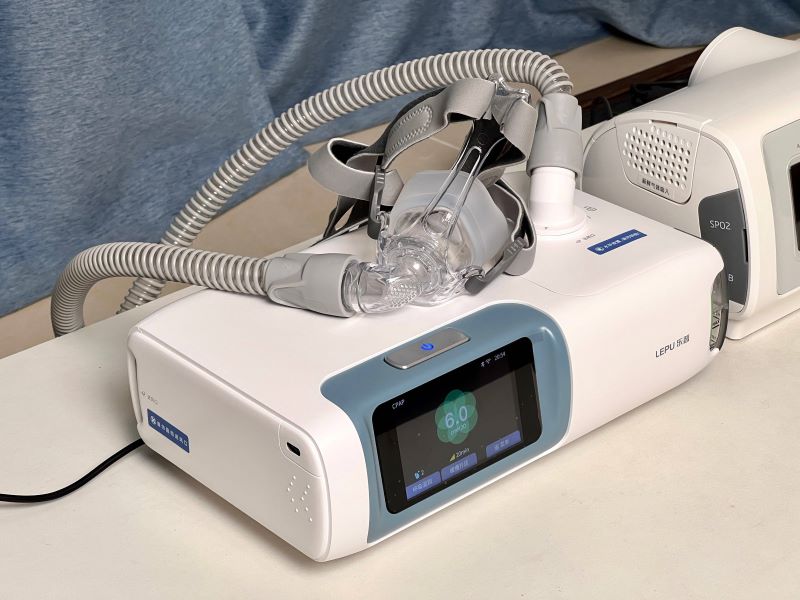
In the high-stakes world of medical technology, where precision and reliability can mean the difference between life and death, nam châm điện have emerged as indispensable components in life-support systems. Ventilators and infusion pumps, two cornerstones of modern critical care, rely heavily on electromagnetic valve technology to deliver oxygen and medications with exacting accuracy. As a professional electromagnet manufacturer, we explore how these devices work, their life-saving applications, and the innovations driving their evolution in healthcare.
1. The Science of Electromagnetic Valve Control
1.1 How Electromagnetic Valves Operate
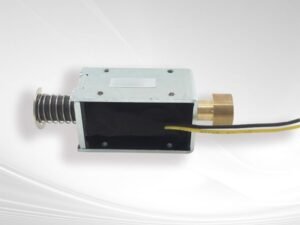
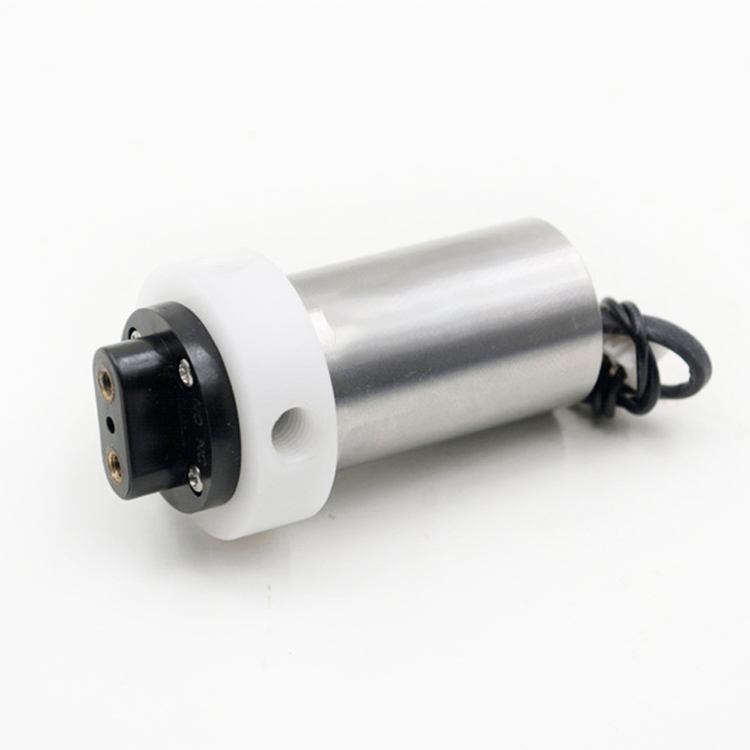
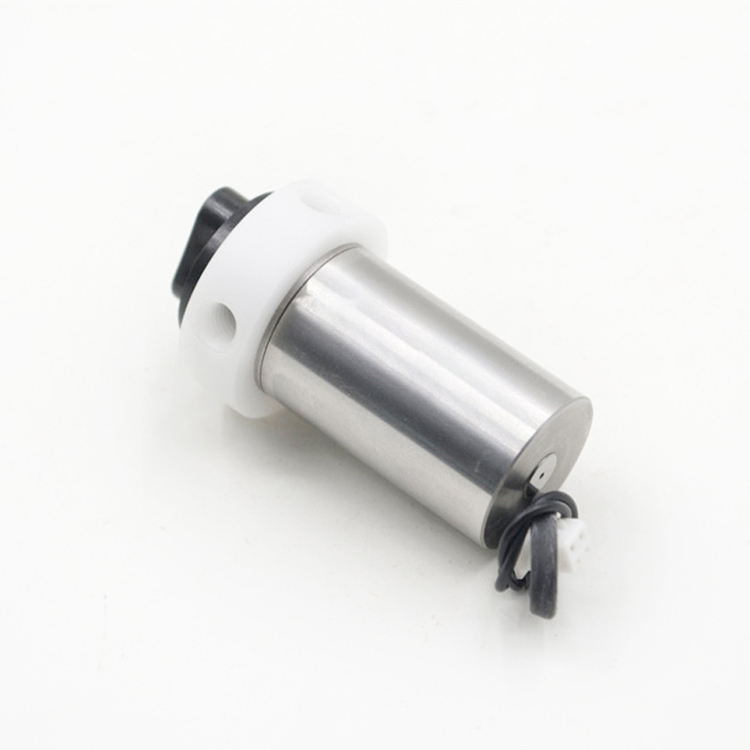
Electromagnetic valves use a solenoid—a coil of wire wound around a ferromagnetic core—to convert electrical energy into mechanical motion. When energized, the coil generates a magnetic field that moves a plunger or diaphragm, opening or closing the valve to regulate fluid or gas flow. Key advantages include:
- Rapid response times (millisecond-level actuation).
- Precise flow control (adjustable via current modulation).
- Fail-safe operation (spring-assisted closure during power loss).
1.2 Key Components in Medical Valves
- Solenoid Coil: Designed for low power consumption and heat generation.
- Plunger/Seal Assembly: Medical-grade materials (e.g., PTFE, silicone) ensure biocompatibility and chemical resistance.
- Spring Mechanism: Ensures valve closure in emergencies.
2. Electromagnets in Ventilator Valves: Breathing Life into Critical Care
2.1 Role in Ventilator Systems
Ventilators use electromagnetic valves to control the flow of oxygen and air mixtures into a patient’s lungs. These valves must operate with split-second precision to synchronize with breathing cycles, adjust tidal volumes, and maintain positive end-expiratory pressure (PEEP).
Key Applications:
- Inspiratory/Expiratory Valve Control: Electromagnets switch between inhalation (valve open) and exhalation (valve closed) phases.
- Pressure Regulation: Proportional valves adjust gas flow to maintain airway pressure within safe limits.
- Emergency Shut-Off: Instant valve closure prevents barotrauma during system faults.
2.2 Case Study: Rapid Ventilator Production During COVID-19
During the COVID-19 pandemic, a medical device manufacturer faced surging demand for ventilators. By integrating latching solenoid valves—which require power only during state changes—they reduced energy consumption by 40% and accelerated production. The valves’ fail-safe design also ensured compliance with FDA emergency use guidelines, enabling the company to deliver 10,000 ventilators to overwhelmed hospitals within three months.
2.3 Technical Challenges and Solutions
- Challenge: Condensation in oxygen lines causes valve sticking.
Solution: Hydrophobic coatings on valve seals and heated solenoid assemblies. - Challenge: Continuous operation leads to coil overheating.
Solution: High-efficiency coils with Class H insulation (withstand 180°C).
3. Electromagnets in Infusion Pump Valves: Precision Drug Delivery
3.1 Role in Infusion Systems
Infusion pumps use electromagnetic valves to regulate the flow of medications, nutrients, or fluids. These valves ensure microliter-level accuracy, critical for administering potent drugs like insulin, chemotherapy agents, or vasopressors.
Key Applications:
- Dosing Control: Proportional solenoids adjust flow rates dynamically based on patient vitals.
- Anti-Free-Flow Mechanisms: Valves prevent gravity-driven overdosing during setup or power outages.
- Multi-Channel Delivery: Compact solenoid arrays manage concurrent infusions (e.g., IV fluids + antibiotics).
3.2 Case Study: Neonatal ICU Infusion System
A hospital neonatal ICU sought to minimize dosing errors in premature infants. By adopting infusion pumps with piezoelectric-assisted solenoid valves, they achieved a 99.9% dosing accuracy rate. The hybrid design combined the precision of piezoelectric actuators (for micro-adjustments) with the force of electromagnets (for rapid shut-off), reducing hypoglycemia incidents by 60%.
3.3 Technical Challenges and Solutions
- Challenge: Drug crystallization clogs valve seats.
Solution: Ultrasonic cleaning cycles and diamond-like carbon (DLC) coatings on seal surfaces. - Challenge: EMI from nearby devices disrupts valve timing.
Solution: Shielded solenoid coils and twisted-pair wiring to reduce noise.
4. Innovations in Electromagnetic Valve Technology
4.1 Smart Valves with IoT Integration
Modern valves embed sensors to monitor parameters like flow rate, pressure, and coil temperature. Data is transmitted to hospital networks for predictive maintenance.
Example: A smart ventilator valve detects a 5% drop in flow efficiency, triggering an alert for seal replacement before a failure occurs.
4.2 Energy-Efficient Designs
- Latching Solenoids: Consume power only during state changes, ideal for battery-powered infusion pumps.
- Energy Recovery Circuits: Capture and reuse inductive energy from coil deactivation.
4.3 Miniaturization for Portable Devices
Micro-solenoids (e.g., 3mm diameter) enable wearable infusion pumps for diabetes management or ambulatory chemotherapy.
4.4 3D-Printed Valves
Additive manufacturing creates valves with complex internal geometries, optimizing fluid dynamics and reducing part counts.
5. Technical Challenges in Medical Electromagnetic Valves
5.1 Biocompatibility and Sterilization
Challenge: Repeated autoclaving degrades coil insulation.
Solution: Medical-grade epoxy resins and stainless steel housings withstand 1,000+ sterilization cycles.
5.2 Long-Term Reliability
Challenge: 24/7 operation in ICUs demands valves with 10+ year lifespans.
Solution: Redundant coil designs and self-lubricating plunger materials (e.g., PTFE-impregnated stainless steel).
5.3 Regulatory Compliance
Challenge: Meeting FDA, ISO 13485, and IEC 60601 standards.
Solution: Rigorous testing protocols, including:
- EMC Testing: Ensure EMI/EMC compliance in dense hospital environments.
- Cyclic Endurance: 1 million+ actuation cycles without performance drift.
- Được xếp hạng 0 5 sao
- Được xếp hạng 0 5 sao
- Được xếp hạng 0 5 sao
- Được xếp hạng 0 5 sao
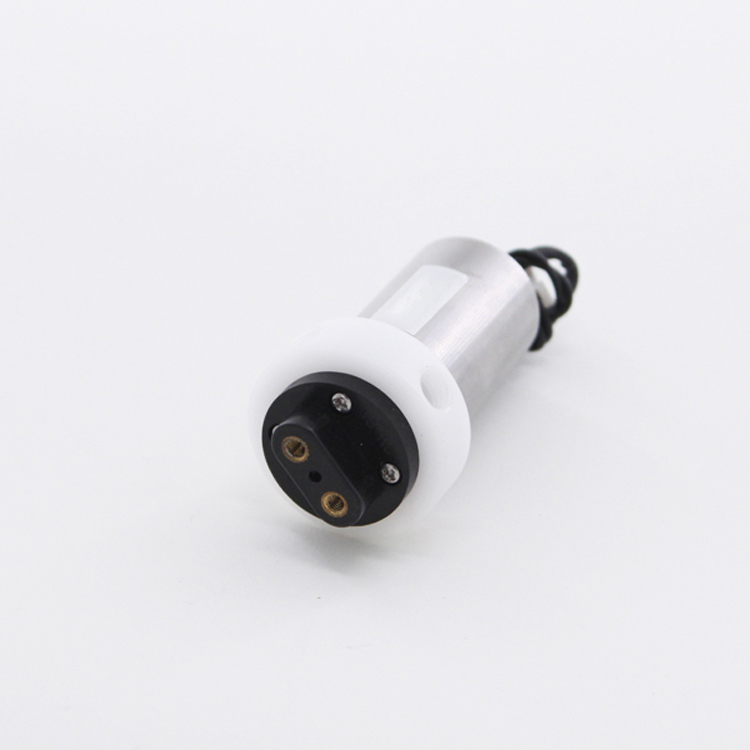
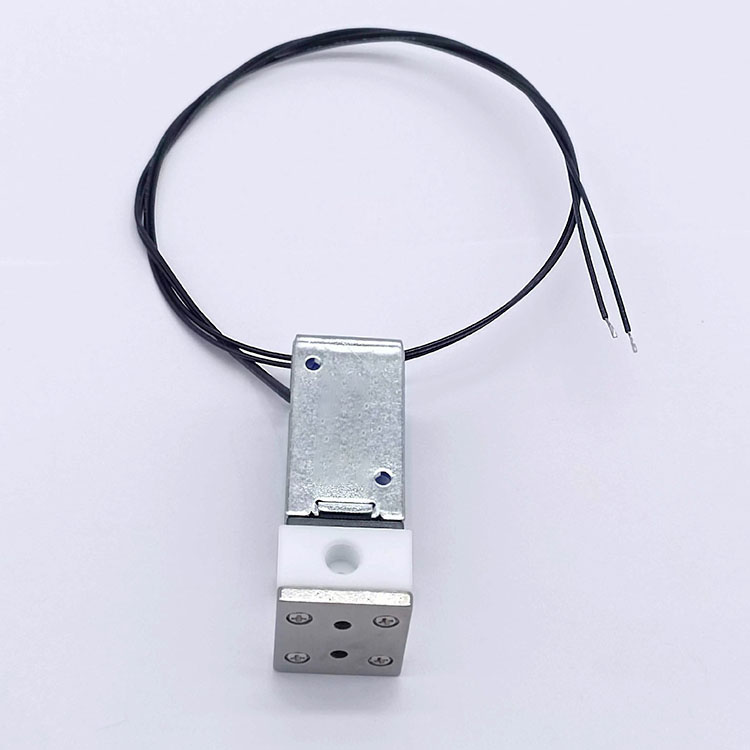
6. electromagnets Case Studies: Real-World Impact
6.1 Case Study 1: Emergency Ventilator for Rural Clinics
A humanitarian organization deployed portable ventilators with battery-operated solenoid valves in Sub-Saharan Africa. The valves’ low power draw (2W) enabled 72-hour operation on solar-charged batteries, saving lives in off-grid regions.
6.2 Case Study 2: Chemotherapy Infusion Breakthrough
A cancer center reduced medication waste by 30% using infusion pumps with adaptive solenoid valves. The valves adjusted flow rates in real time based on patient biometrics, minimizing side effects.
7. Future Trends in Medical Electromagnetic Valves
7.1 AI-Driven Adaptive Control
Machine learning algorithms analyze patient data to optimize valve timing and dosing, enabling personalized therapies.
7.2 Magnetic Nanoparticle Valves
Experimental systems use magnetic nanoparticles as “smart fluids,” guided by electromagnets for targeted drug delivery.
7.3 Sustainable Manufacturing
Recyclable coils and biodegradable seals align with the healthcare sector’s push toward net-zero emissions.
Electromagnets—The Pulse of Modern Medical Innovation
Electromagnetic valves are the unsung heroes of ventilators and infusion pumps, combining precision engineering with life-saving reliability. From pandemic-ready ventilators to smart infusion systems, their role in healthcare is both transformative and expanding.
For medical device manufacturers, partnering with an experienced electromagnet provider is critical to navigating technical challenges, regulatory landscapes, and the demand for miniaturized, energy-efficient solutions. As technology advances, electromagnetic valves will continue to push the boundaries of what’s possible—ensuring that every breath and every drop of medication counts.
In the delicate balance of critical care, nam châm điện prove that even the smallest controlled force can have an outsized impact on human life.
Giới thiệu về nhà máy sản xuất nam châm điện SF
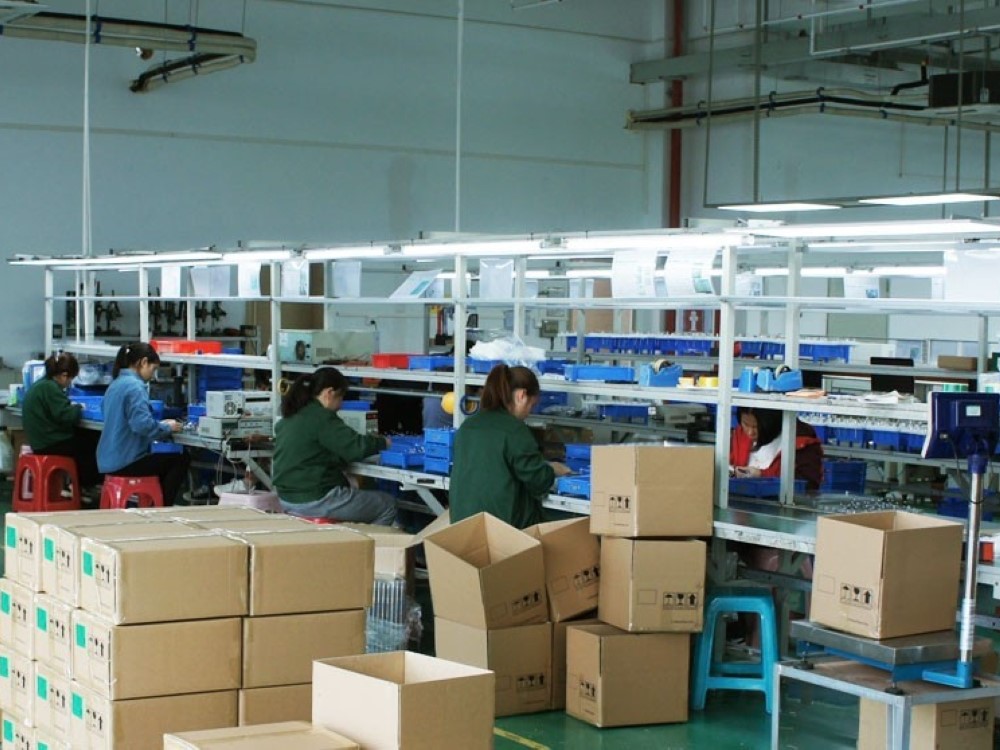
Công ty TNHH Nam châm điện Shengfeng được thành lập năm 2015, tọa lạc tại Khu công nghiệp Tây Sa với cảnh quan đẹp và giao thông thuận tiện. Công ty có diện tích 16.000 mét vuông, sở hữu nhà máy sản xuất hiện đại, thiết bị sản xuất tiên tiến và đội ngũ kỹ thuật chất lượng cao. Từ khi thành lập, chúng tôi luôn tuân thủ triết lý doanh nghiệp “đổi mới, chất lượng và dịch vụ”, tập trung vào nghiên cứu và phát triển cũng như sản xuất các sản phẩm chất lượng cao. nam châm điện, Không ngừng thúc đẩy việc nâng cấp sản phẩm và tiến bộ công nghệ, đồng thời cung cấp cho khách hàng những sản phẩm và dịch vụ chất lượng tốt nhất.
Tại sao nên chọn nam châm điện SF?
CHẤT LƯỢNG CAO CẤP:Là nhà sản xuất nam châm điện solenoid hàng đầu tại Trung Quốc, đội ngũ kiểm soát chất lượng (QC) của chúng tôi cam kết đảm bảo mọi sản phẩm bạn nhận được đều đạt chất lượng tốt nhất. Chúng tôi sở hữu các thiết bị kiểm tra chất lượng chuyên dụng.
THIẾT KẾ SẢN PHẨM:Bộ phận làm mẫu của chúng tôi sở hữu quy trình hoàn chỉnh để hiện thực hóa các bản vẽ. Chúng tôi cũng sẽ cải tiến thiết kế sản phẩm của bạn dựa trên kinh nghiệm làm việc lâu năm. Hãy chia sẻ ý kiến của bạn với chúng tôi.
THỜI GIAN GIAO HÀNG ỔN ĐỊNH:Là nhà sản xuất và cung cấp nam châm điện hàng đầu, chúng tôi sở hữu năng lực sản xuất mạnh mẽ; ngay cả với những đơn hàng lớn, chúng tôi vẫn đảm bảo giao hàng đúng tiến độ cho quý khách.
GIÁ TỐT NHẤT:Chúng tôi là nhà máy sản xuất trực tiếp nam châm điện và là nhà sản xuất solenoid hàng đầu tại Trung Quốc; chính vì vậy, chúng tôi có thể cung cấp các sản phẩm chất lượng cao với mức giá tốt nhất.
QUẢN LÝ CHÍNH XÁC:Chúng ta sẽ không thể đạt được kết quả gì nếu không thực hiện công tác quản lý chặt chẽ. Chúng tôi là công ty sở hữu hệ thống quản lý toàn diện.
PHỤC VỤ 24/7:Là nhà sản xuất van điện từ hàng đầu, chúng tôi cung cấp dịch vụ phản hồi nhanh chóng 24/7: Chúng tôi sẽ tiếp nhận phản hồi của bạn để cải thiện chất lượng dịch vụ và trở thành nhà cung cấp tốt hơn. Liên hệ WhatsApp +86 18902611680
Câu hỏi thường gặp về nam châm điện
Chúng tôi là một công ty hàng đầu của Trung Quốc. nam châm điện Nhà sản xuất của chúng tôi đặt tại Đông Quan. Rất hân hạnh được đón tiếp quý khách đến thăm nhà máy!
Chúng tôi chuyên thiết kế và sản xuất các sản phẩm chất lượng cao. nam châm điện,van điện từ,chẳng hạn như nam châm điện quay, nam châm điện lưỡng ổn định, nam châm điện chốt, van điện từ khung hở, nam châm điện hình ống, van điện từ tự giữ
•Tất nhiên, thông thường chúng tôi sẽ cung cấp mẫu miễn phí, và bạn chỉ cần thanh toán phí vận chuyển. Đối với các mẫu nam châm điện tùy chỉnh, vui lòng gửi yêu cầu của bạn cho chúng tôi để kiểm tra chi phí mẫu.
• Quá trình sản xuất mẫu mất khoảng 7 ngày.
Vâng, chúng tôi cung cấp dịch vụ thiết kế miễn phí, thiết kế kết cấu và thiết kế đồ họa đơn giản.
Chắc chắn rồi. Chúng tôi có thể sản xuất bất kỳ loại nam châm điện nào theo thiết kế của bạn. Hiện tại, chúng tôi đang mở dịch vụ ODM cho nam châm điện từ số lượng nhỏ từ 100 đến 500 chiếc, nhưng bạn vẫn có thể sử dụng logo riêng của mình.
Tùy thuộc vào số lượng đặt hàng và chi tiết sản xuất, thời gian giao hàng sẽ vào khoảng 15 đến 20 ngày.
Luôn có mẫu thử trước khi sản xuất hàng loạt; Luôn kiểm tra cuối cùng trước khi giao hàng.
• Công suất, mục đích sử dụng, kích thước, chất liệu, số lượng, địa điểm giao hàng, v.v.
• Bạn cũng có thể cho chúng tôi biết yêu cầu của bạn và chúng tôi sẽ đề xuất sản phẩm phù hợp.
• Bằng đường biển, đường hàng không hoặc chuyển phát nhanh.
• Nếu bạn có đại lý giao nhận vận tải riêng tại Trung Quốc, đó là giá xuất xưởng hoặc giá FOB.
•CFR hoặc CIF, v.v., nếu bạn cần chúng tôi vận chuyển thay mặt bạn.
• DDP và DDU cũng có thể được sử dụng.
• Chúng tôi sẽ xem xét các lựa chọn của bạn nếu bạn có thêm nhiều sự lựa chọn khác.
• Giá cả được xác định bởi số lượng, chất liệu, phương pháp gia công, kích thước và các yếu tố khác. Ngoài ra, do sự phát triển liên tục của chúng tôi, giá cả được nâng cao.
Nhờ đổi mới công nghệ, giá cả một số sản phẩm của chúng tôi cực kỳ cạnh tranh, vui lòng liên hệ với chúng tôi để được báo giá.