









Cập nhật lần cuối vào ngày 04/09/2025 bởi Nhà máy Solenoid
In the realm of electromagnetic devices, push pull solenoids have emerged as versatile and reliable components for a wide range of industrial and automation applications. Unlike traditional solenoids that offer either pull or push action, push pull solenoids provide bidirectional motion, making them ideal for applications requiring both extension and retraction movements.
This comprehensive guide will delve into the intricacies of selecting the perfect push pull solenoid for your specific application. We’ll explore key selection criteria, discuss the importance of understanding your application’s requirements, and offer practical tips for evaluating potential suppliers. By the end, you’ll be equipped with the knowledge necessary to make an informed decision that aligns with your project’s needs.
Understanding Push Pull Solenoids
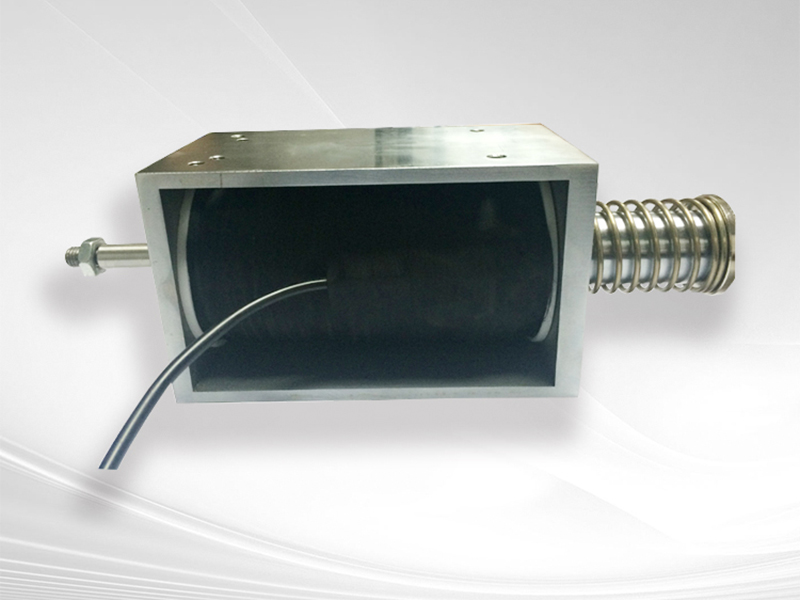
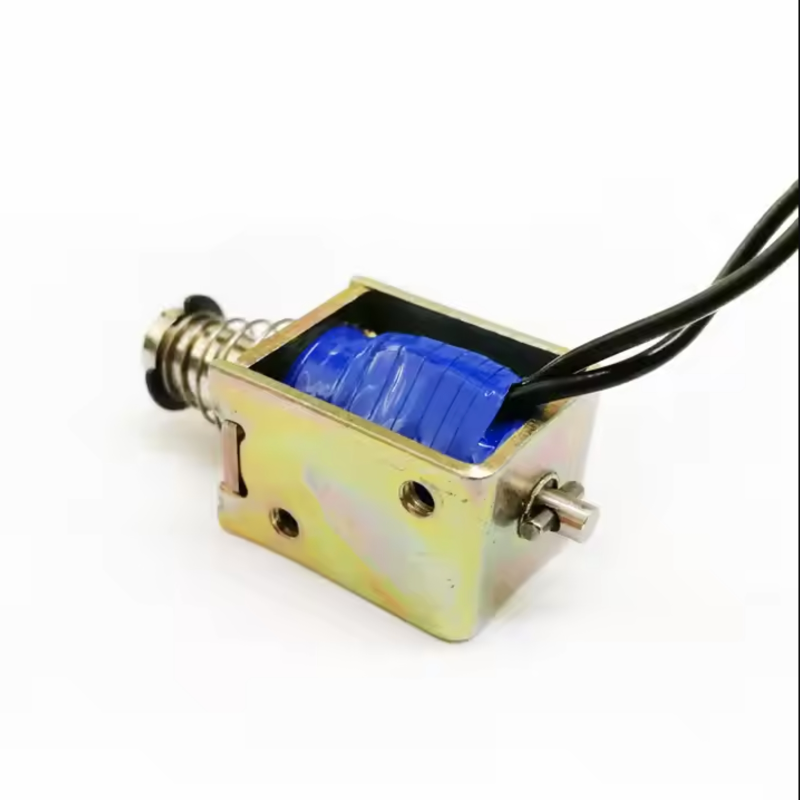
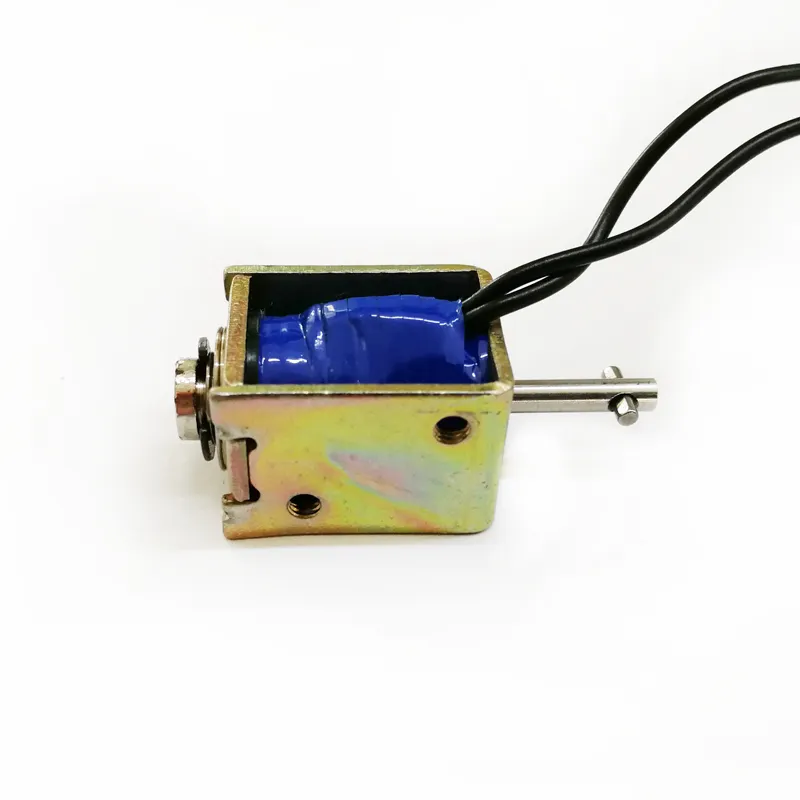
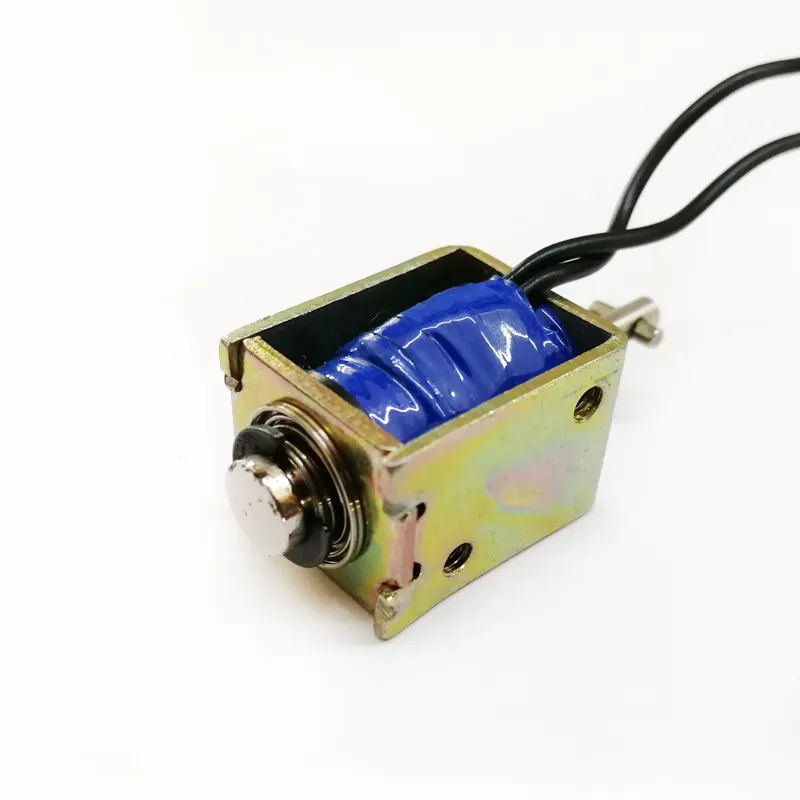
Before diving into the selection process, it’s crucial to understand the basics of push pull solenoids. These devices consist of a coil, a movable armature, and a spring. When the coil is energized, it creates a magnetic field that attracts or repels the armature, causing it to move in either direction. This bidirectional motion allows push pull solenoids to perform both push and pull actions, making them highly versatile for various applications.
Key Characteristics:
- Bidirectional Motion: Capable of both extension and retraction movements.
- Thiết kế nhỏ gọn: Often smaller and more compact compared to traditional solenoids.
- High Force Output: Capable of generating significant forces for precise control and actuation.
- Độ tin cậy: Known for their durability and long operational lifespan.
Key Criteria for Choosing Push Pull Solenoids
When selecting a van điện từ đẩy kéo, several criteria must be considered to ensure compatibility with your application’s specific needs. Here are the primary factors to evaluate:
1. Force and Stroke Requirements
Why It Matters:
The force required to move the armature and the stroke (the distance it travels) are fundamental parameters that determine the solenoid’s ability to perform the intended function. Whether it’s actuating a valve, positioning a lever, or locking a mechanism, these specifications are critical.
Evaluation Tips:
- Calculate the Required Force: Determine the maximum force needed to overcome friction, inertia, or other loads in your application. This can often be found in the application’s technical specifications or through testing. Ensure the selected solenoid can provide sufficient force within your desired operating conditions.
- Consider Stroke Length: Measure the distance the armature must travel to fully engage or disengage the target component. Ensure that the selected solenoid’s stroke matches or exceeds this requirement. Consider any additional travel needed for clearance or positioning.
Ví dụ:
In an automated assembly line, a push pull solenoid with a high force output and precise stroke control ensures reliable actuation of assembly tools and components.
2. Operating Voltage and Current
Why It Matters:
The operating voltage and current of the solenoid determine its compatibility with your system’s power supply. This is especially important in applications where energy efficiency or power limitations are key concerns.
Evaluation Tips:
- Assess Power Supply Capabilities: Determine the maximum voltage and current your system can provide without overloading. Ensure the selected solenoid’s operating voltage and current fall within these limits.
- Consider Power Consumption: Evaluate the solenoid’s power consumption to ensure it aligns with your application’s energy efficiency goals. Look for solenoids with low power consumption or energy-saving features, such as pulsed operation or standby modes.
Ví dụ:
In battery-powered devices, such as portable medical equipment, choosing a push pull solenoid with low power consumption and a compatible operating voltage extends operational life by minimizing energy usage.
3. Duty Cycle and Lifespan
Why It Matters:
The duty cycle (the ratio of on-time to total cycle time) and lifespan (the number of cycles before failure) are critical for applications requiring frequent actuation or long-term operation.
Evaluation Tips:
- Calculate Duty Cycle: Estimate the solenoid’s operating time relative to the rest period. Ensure the selected solenoid’s duty cycle matches or exceeds your application’s requirements. Consider any potential duty cycle variations due to operating conditions or load changes.
- Review Lifespan Specifications: Ensure the solenoid’s lifespan meets or exceeds your application’s expected operational duration. This may require consulting with the manufacturer or supplier for detailed lifespan testing data. Look for solenoids with proven durability and reliability in similar applications.
Ví dụ:
In industrial automation, where solenoids may cycle thousands of times a day, selecting a push pull solenoid with a high-durability design and long lifespan minimizes downtime and maintenance costs.
4. Size and Weight
Why It Matters:
Space constraints and weight limitations often dictate the physical dimensions of components in many applications. A solenoid’s size and weight can affect installation, system balance, and overall performance.
Evaluation Tips:
- Measure Available Space: Determine the maximum dimensions that the solenoid can occupy without interfering with other components or compromising functionality. Ensure the selected solenoid fits within these constraints while providing the necessary force and stroke.
- Consider Weight: Lightweight solenoids reduce stress on mounting structures and can be easier to integrate into existing systems. Evaluate the solenoid’s weight to ensure it aligns with your application’s requirements and limitations.
Ví dụ:
In aerospace applications, where every gram counts, choosing a compact, lightweight push pull solenoid optimizes payload and fuel efficiency.
5. Environmental Conditions
Why It Matters:
Operational environment can significantly impact a solenoid’s performance and lifespan. Factors such as temperature, humidity, and exposure to contaminants can degrade materials and affect magnetic properties.
Evaluation Tips:
- Identify Environmental Factors: Determine the temperature range, humidity levels, and potential contaminants in your application. Ensure the selected solenoid is rated for these conditions. Look for materials and coatings that provide resistance to corrosion, wear, and environmental degradation.
- Consider Sealing and Protection: Ensure the solenoid has adequate sealing and protection to prevent ingress of moisture, dust, or other contaminants. This may include O-rings, gaskets, or conformal coatings that protect internal components.
Ví dụ:
In outdoor applications exposed to extreme temperatures and moisture, a push pull solenoid with rust-resistant coatings, conformal coatings, and temperature-stable materials ensures long-term reliability.
6. Control and Monitoring Requirements
Why It Matters:
Controlling and monitoring the solenoid’s state is essential for ensuring system reliability and diagnosing issues. Compatibility with existing control systems and the need for additional sensors can influence your choice.
Evaluation Tips:
- Assess Control System Compatibility: Ensure the solenoid’s control interface (e.g., voltage pulse, digital signal) matches your system’s requirements. This may involve consulting with your system’s designer or manufacturer to ensure compatibility. Look for solenoids with built-in drivers or controllers that simplify integration.
- Consider Monitoring Needs: Determine if additional sensors (e.g., position sensors, temperature sensors) are necessary for real-time monitoring. Ensure the selected solenoid has appropriate sensor interfaces or options for integrating additional sensors. Look for solenoids with diagnostic features, such as LED indicators or fault codes, that provide insights into operational status and potential issues.
Ví dụ:
In a medical device, integrating a push pull solenoid with compatible control electronics and sensors ensures precise, reliable operation and enhances system diagnostics. Look for solenoids with certifications for medical applications, such as ISO 13485, to ensure compliance with industry standards.
7. Certifications and Compliance
Why It Matters:
Certifications and compliance with industry standards ensure that the solenoid meets safety, environmental, and performance benchmarks. They can be critical for gaining market acceptance and satisfying regulatory requirements.
Evaluation Tips:
- Identify Relevant Standards: Determine the certifications and standards required for your application (e.g., UL, CE, RoHS). Ensure the selected solenoid complies with these standards. This may involve consulting with industry associations or regulatory bodies to ensure compliance.
- Verify Compliance: Ensure the supplier provides documentation proving compliance with the identified standards. This may include certificates of conformity, test reports, or other documentation that verifies the solenoid’s compliance. Look for suppliers with a commitment to continuous improvement and compliance with relevant standards.
Ví dụ:
In automotive applications, selecting a push pull solenoid with ISO/TS 16949 certification ensures it meets rigorous quality management standards, enhancing reliability and performance.
- Được xếp hạng 0 5 sao
- Được xếp hạng 0 5 sao
- Được xếp hạng 0 5 sao
- Được xếp hạng 0 5 sao

Evaluating Push Pull Solenoids Suppliers
Choosing the right supplier is as crucial as selecting the right solenoid. A reputable supplier can provide valuable insights, technical support, and quality assurance to ensure your project’s success. Here are some tips for evaluating potential suppliers:
1. Technical Expertise and Experience
Why It Matters:
Suppliers with deep technical expertise and experience in push pull solenoids can offer tailored solutions, address complex challenges, and provide valuable recommendations.
Evaluation Tips:
- Review Technical Literature: Assess the supplier’s knowledge base, white papers, and technical guides. Look for detailed information on push pull solenoids, including design principles, application notes, and troubleshooting tips. This will help you gauge their understanding of the technology and their ability to provide technical support.
- Consult with Engineers: Engage with their engineering teamto discuss your specific application challenges and requirements. A knowledgeable and experienced team can provide insights into material selection, coil design, and other critical factors that can significantly impact performance.
Ví dụ:
A supplier with extensive experience in designing push pull solenoids for aerospace applications can provide specialized solutions tailored to the unique challenges of high-altitude and low-temperature environments.
2. Manufacturing Capabilities and Quality Assurance
Why It Matters:
Manufacturing capabilities determine a supplier’s ability to produce solenoids to your specifications, while quality assurance ensures they meet stringent performance and reliability standards.
Evaluation Tips:
- Tour the Facility: Visit the supplier’s manufacturing facility to observe their processes, equipment, and quality control measures. Look for advanced manufacturing technologies, such as CNC machining and automated assembly lines, that enhance precision and efficiency. Ensure they have rigorous inspection and testing protocols in place to verify solenoid performance and reliability.
- Request Quality Certificates: Ensure the supplier provides quality certificates, such as ISO 9001, that attest to their commitment to quality management and continuous improvement. This will give you assurance that their manufacturing processes and quality control measures meet industry standards.
Ví dụ:
A supplier with ISO 9001 certification and advanced manufacturing capabilities can produce high-quality push pull solenoids with precise dimensions, consistent performance, and long-term reliability.
3. Customization and Design Support
Why It Matters:
The ability to customize solenoids to meet specific requirements is crucial for ensuring optimal performance in diverse applications.
Evaluation Tips:
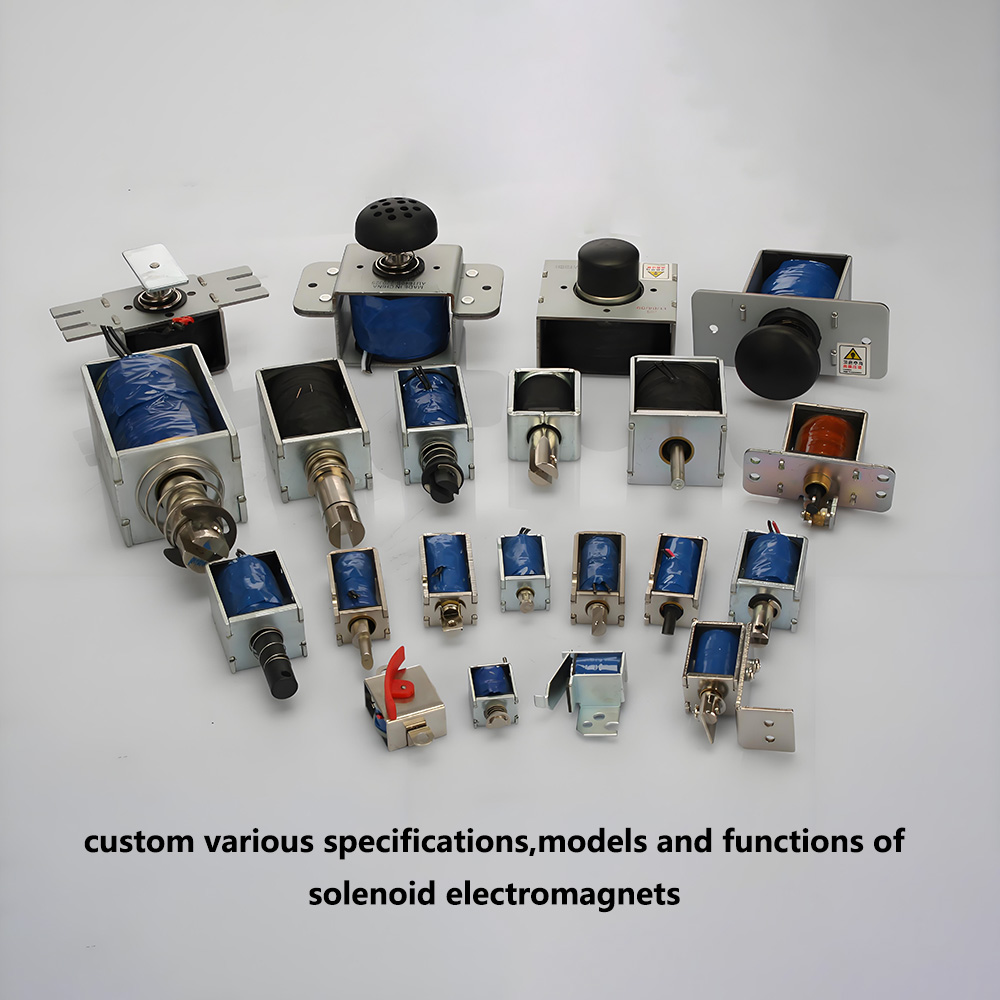
- Discuss Customization Options: Inquire about the supplier’s ability to customize solenoids in terms of force, stroke, voltage, materials, and other critical parameters. Ensure they have the design flexibility to meet your unique needs, whether it’s modifying existing models or developing entirely new solutions.
- Request Design Consultation: Engage with their design team to discuss your application’s requirements and challenges. They can provide insights into material selection, coil design, and other critical factors that can significantly impact performance. Look for suppliers with a history of successful collaborations and customized solutions in similar applications.
Ví dụ:
A supplier with extensive customization and design support can develop a push pull solenoid with unique force-stroke characteristics and materials tailored to your specific application, ensuring optimal performance and reliability. They can also provide guidance on integrating the solenoid into your existing system, minimizing installation and integration challenges.
4. Prototyping and Testing Capabilities
Why It Matters:
Prototyping and testing are essential for validating a solenoid’s performance before full-scale production.
Evaluation Tips:
- Request Prototype Samples: Ask the supplier to provide prototype samples of the customized solenoid for testing in your application. This will give you hands-on experience with the solution and allow you to validate its performance under real-world conditions. Ensure they have the capability to produce prototypes quickly and efficiently, minimizing development timelines.
- Discuss Testing Protocols: Ensure the supplier has rigorous testing protocols in place to validate solenoid performance across various conditions. This includes testing for force, stroke, durability, environmental compatibility, and electromagnetic interference (EMI). Look for suppliers with in-house testing facilities and advanced test equipment that can simulate your application’s specific operating conditions.
Ví dụ:
A supplier with in-house prototyping and testing capabilities can provide you with customized push pull solenoids that have been thoroughly tested and validated for your specific application. They can also offer ongoing support for troubleshooting and performance optimization, ensuring long-term reliability and performance.
5. Customer Service and Technical Support
Why It Matters:
Responsive customer service and technical support are critical for addressing issues, providing guidance, and ensuring a smooth integration process.
Evaluation Tips:
- Test Customer Service: Contact the supplier’s customer service team with pre-sales questions to gauge their responsiveness and helpfulness. This will give you insight into their ability to support you throughout the selection, integration, and maintenance processes. Look for suppliers with dedicated customer service teams and multiple communication channels (e.g., phone, email, chat) for easy access.
- Assess Technical Support Offerings: Evaluate the supplier’s technical support resources, including phone support, email assistance, and online resources (e.g., FAQs, troubleshooting guides, application notes). Ensure they have a team of experienced engineers who can provide ongoing support after the sale, minimizing downtime and enhancing system reliability. Look for suppliers with 24/7 support options for critical applications that require around-the-clock assistance.
Ví dụ:
A supplier with comprehensive customer service and technical support offerings, including dedicated account managers and 24/7 assistance, ensures you can get help when you need it, minimizing downtime and enhancing system reliability. They can also provide training and guidance for your team, ensuring smooth integration and optimal performance.
6. Sustainability Practices and Environmental Compliance
Why It Matters:
In today’s environmentally conscious world, suppliers’ sustainability practices and compliance with environmental regulations are increasingly important.
Evaluation Tips:
- Inquire About Environmental Policies: Ask about the supplier’s environmental policies, including waste reduction, energy efficiency, and use of sustainable materials. Ensure they have a commitment to minimizing their environmental footprint throughout the manufacturing process.
- Request Compliance Documentation: Ensure the supplier provides documentation proving compliance with relevant environmental regulations (e.g., RoHS, REACH). This will give you assurance that their push pull solenoids meet environmental standards and are safe for use in your application. Look for suppliers with certifications for environmental management, such as ISO 14001, that demonstrate their commitment to sustainable practices.
Ví dụ:
A supplier committed to sustainable practices, such as recycling materials, minimizing energy consumption during manufacturing, and using environmentally friendly coatings, can help you reduce your application’s environmental impact while ensuring reliable performance. They can also provide guidance on selecting solenoids with lower energy consumption and longer lifespans, contributing to overall sustainability.
Choosing the right push pull solenoids for your application
Choosing the right push pull solenoids for your application involves a thorough evaluation of your specific requirements and a careful assessment of potential suppliers. By focusing on key criteria such as force and stroke requirements, operating voltage and current, duty cycle and lifespan, size and weight, environmental conditions, control and monitoring needs, certifications and compliance, you can narrow down your options to those that best meet your needs.
Furthermore, evaluating suppliers based on their technical expertise, manufacturing capabilities, customization support, prototyping and testing capabilities, customer service, technical support, and sustainability practices ensures you partner with a reliable, responsive organization committed to your project’s success.
Remember, the best push pull solenoid is not necessarily the cheapest or the most advanced; it’s the one that aligns perfectly with your application’s specific requirements and supports your long-term goals. By leveraging the guidance outlined in this blog, you’ll be well-equipped to make an informed decision that ensures optimal performance, reliability, and cost-effectiveness.
More Tips
As you continue your search for the ideal van điện từ đẩy kéo, consider these additional resources and next steps:
- Supplier Websites: Visit the websites of potential suppliers to learn more about their products, services, and technical capabilities. Look for detailed specifications, application notes, and technical guides that provide insights into their push pull solenoids. Use search terms like “push pull solenoid selection guide” or “high-force push pull solenoids” to find relevant information.
- Industry Publications: Read industry publications and trade journals to stay informed about the latest trends, advancements, and best practices in push pull solenoid technology. This can help you identify new suppliers, technologies, and innovations that may benefit your application. Look for articles discussing new materials, design principles, and performance enhancements.
- Trade Shows and Conferences: Attend industry trade shows and conferences to network with suppliers, learn about new products, and gather insights from peers and experts. These events provide an excellent opportunity to see push pull solenoids in action, discuss potential applications with suppliers, and gather feedback from industry professionals. Look for events focused on automation, industrial controls, or specific industries where push pull solenoids are commonly used.
- Pilot Testing: Consider pilot testing a few selected push pull solenoids in your application environment to validate performance and reliability before making a final decision. This can help you identify any potential issues or limitations and ensure that the selected solenoid meets your application’s specific needs. Look for suppliers who are willing to collaborate on pilot testing and provide support throughout the process.
By leveraging these resources and following the guidance outlined in this blog, you’ll be well-equipped to choose the right push pull solenoid for your application, ensuring optimal performance, reliability, and cost-effectiveness. With a focus on technical expertise, customization, prototyping, and sustainability, you’ll be able to make an informed decision that aligns with your project’s goals and requirements.
Giới thiệu về nhà máy sản xuất nam châm điện SF
Công ty TNHH Nam châm điện Shengfeng được thành lập năm 2015, tọa lạc tại Khu công nghiệp Tây Sa với cảnh quan đẹp và giao thông thuận tiện. Công ty có diện tích 16.000 mét vuông, sở hữu nhà máy sản xuất hiện đại, thiết bị sản xuất tiên tiến và đội ngũ kỹ thuật chất lượng cao. Từ khi thành lập, chúng tôi luôn tuân thủ triết lý doanh nghiệp “đổi mới, chất lượng và dịch vụ”, tập trung vào nghiên cứu và phát triển cũng như sản xuất các sản phẩm chất lượng cao. nam châm điện, Không ngừng thúc đẩy việc nâng cấp sản phẩm và tiến bộ công nghệ, đồng thời cung cấp cho khách hàng những sản phẩm và dịch vụ chất lượng tốt nhất.
Tại sao nên chọn nam châm điện SF?
CHẤT LƯỢNG CAO CẤP:Là nhà sản xuất nam châm điện solenoid hàng đầu tại Trung Quốc, đội ngũ kiểm soát chất lượng (QC) của chúng tôi cam kết đảm bảo mọi sản phẩm bạn nhận được đều đạt chất lượng tốt nhất. Chúng tôi sở hữu các thiết bị kiểm tra chất lượng chuyên dụng.
THIẾT KẾ SẢN PHẨM:Bộ phận làm mẫu của chúng tôi sở hữu quy trình hoàn chỉnh để hiện thực hóa các bản vẽ. Chúng tôi cũng sẽ cải tiến thiết kế sản phẩm của bạn dựa trên kinh nghiệm làm việc lâu năm. Hãy chia sẻ ý kiến của bạn với chúng tôi.
THỜI GIAN GIAO HÀNG ỔN ĐỊNH:Là nhà sản xuất và cung cấp nam châm điện hàng đầu, chúng tôi sở hữu năng lực sản xuất mạnh mẽ; ngay cả với những đơn hàng lớn, chúng tôi vẫn đảm bảo giao hàng đúng tiến độ cho quý khách.
GIÁ TỐT NHẤT:Chúng tôi là nhà máy sản xuất trực tiếp nam châm điện và là nhà sản xuất solenoid hàng đầu tại Trung Quốc; chính vì vậy, chúng tôi có thể cung cấp các sản phẩm chất lượng cao với mức giá tốt nhất.
QUẢN LÝ CHÍNH XÁC:Chúng ta sẽ không thể đạt được kết quả gì nếu không thực hiện công tác quản lý chặt chẽ. Chúng tôi là công ty sở hữu hệ thống quản lý toàn diện.
PHỤC VỤ 24/7:Là nhà sản xuất solenoid hàng đầu với dịch vụ phản hồi tức thì 24/7, chúng tôi luôn tiếp nhận ý kiến đóng góp của quý khách để ngày càng hoàn thiện hơn với tư cách là nhà cung cấp.
Câu hỏi thường gặp về nam châm điện
Chúng tôi là một công ty hàng đầu của Trung Quốc. nam châm điện Nhà sản xuất của chúng tôi đặt tại Đông Quan. Rất hân hạnh được đón tiếp quý khách đến thăm nhà máy!
Chúng tôi chuyên thiết kế và sản xuất các sản phẩm chất lượng cao. nam châm điện,van điện từ,chẳng hạn như nam châm điện quay, nam châm điện lưỡng ổn định, nam châm điện chốt, van điện từ khung hở, nam châm điện hình ống, van điện từ tự giữ
•Tất nhiên, thông thường chúng tôi sẽ cung cấp mẫu miễn phí, và bạn chỉ cần thanh toán phí vận chuyển. Đối với các mẫu nam châm điện tùy chỉnh, vui lòng gửi yêu cầu của bạn cho chúng tôi để kiểm tra chi phí mẫu.
• Quá trình sản xuất mẫu mất khoảng 7 ngày.
Vâng, chúng tôi cung cấp dịch vụ thiết kế miễn phí, thiết kế kết cấu và thiết kế đồ họa đơn giản.
Chắc chắn rồi. Chúng tôi có thể sản xuất bất kỳ loại nam châm điện nào theo thiết kế của bạn. Hiện tại, chúng tôi đang mở dịch vụ ODM cho nam châm điện từ số lượng nhỏ từ 100 đến 500 chiếc, nhưng bạn vẫn có thể sử dụng logo riêng của mình.
Tùy thuộc vào số lượng đặt hàng và chi tiết sản xuất, thời gian giao hàng sẽ vào khoảng 15 đến 20 ngày.
Luôn có mẫu thử trước khi sản xuất hàng loạt; Luôn kiểm tra cuối cùng trước khi giao hàng.
• Công suất, mục đích sử dụng, kích thước, chất liệu, số lượng, địa điểm giao hàng, v.v.
• Bạn cũng có thể cho chúng tôi biết yêu cầu của bạn và chúng tôi sẽ đề xuất sản phẩm phù hợp.
• Bằng đường biển, đường hàng không hoặc chuyển phát nhanh.
• Nếu bạn có đại lý giao nhận vận tải riêng tại Trung Quốc, đó là giá xuất xưởng hoặc giá FOB.
•CFR hoặc CIF, v.v., nếu bạn cần chúng tôi vận chuyển thay mặt bạn.
• DDP và DDU cũng có thể được sử dụng.
• Chúng tôi sẽ xem xét các lựa chọn của bạn nếu bạn có thêm nhiều sự lựa chọn khác.
• Giá cả được xác định bởi số lượng, chất liệu, phương pháp gia công, kích thước và các yếu tố khác. Ngoài ra, do sự phát triển liên tục của chúng tôi, giá cả được nâng cao.
Nhờ đổi mới công nghệ, giá cả một số sản phẩm của chúng tôi cực kỳ cạnh tranh, vui lòng liên hệ với chúng tôi để được báo giá.