







An Engineering Guide to Surface Engineering for High-Performance Solenoid Electromagnets
Part 1 — Fundamentals of Plunger Surface Engineering
For many engineers designing a custom solenoid electromagnet, improving coil efficiency, increasing magnetic force, or optimizing voltage often becomes the primary focus. However, after thousands—or even millions—of operating cycles, many solenoid failures are not caused by the electromagnetic design itself but by an often-overlooked factor: the plunger surface.
The plunger repeatedly slides against the guide tube or sleeve during every actuation cycle. Over time, friction, wear, corrosion, and surface degradation can increase resistance, reduce response speed, generate noise, and ultimately shorten service life.
One of the most effective ways to optimize these characteristics is through surface plating. Zinc, nickel, and hard chrome are among the most widely used finishes in the solenoid industry, but each offers distinct advantages and limitations depending on the operating environment.
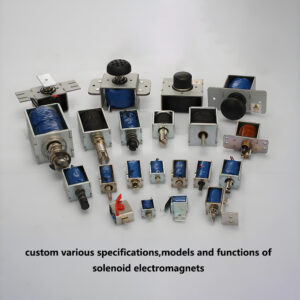
This white paper examines how different plunger plating options affect friction, wear resistance, corrosion protection, response time, and long-term reliability. It also explains how OEM manufacturers can select the most appropriate surface treatment and why partnering with an experienced solenoid üreticisi like SF can significantly improve product performance and lifecycle.
1. Why Plunger Surface Engineering Matters More Than Most Engineers Realize
When engineers discuss the performance of an elektromıknatıs solenoidi, they typically focus on:
- Coil turns
- Supply voltage
- Current
- Magnetic force
- Stroke length
- Görev döngüsü
These parameters are undeniably important. However, in real-world applications, the mechanical interface between the plunger and its guide often determines whether a solenoid achieves its intended service life.
Every actuation involves sliding contact. Over millions of cycles, even microscopic friction becomes cumulative. Increased friction translates into higher energy consumption, slower response, inconsistent motion, and accelerated wear.
Surface engineering—particularly the choice of plating—plays a decisive role in controlling these effects. A well-selected plating can reduce wear, improve corrosion resistance, stabilize friction, and extend the operating life of the solenoid without altering its electromagnetic design.
Key Takeaway:
In high-cycle applications, plunger surface engineering is often as important as coil design for ensuring long-term reliability.
2. Understanding Tribology Inside an Electromagnet Solenoid
The science that governs friction, wear, and lubrication is known as tribology. Although it is often associated with bearings or gears, tribology is equally important in solenoid design.
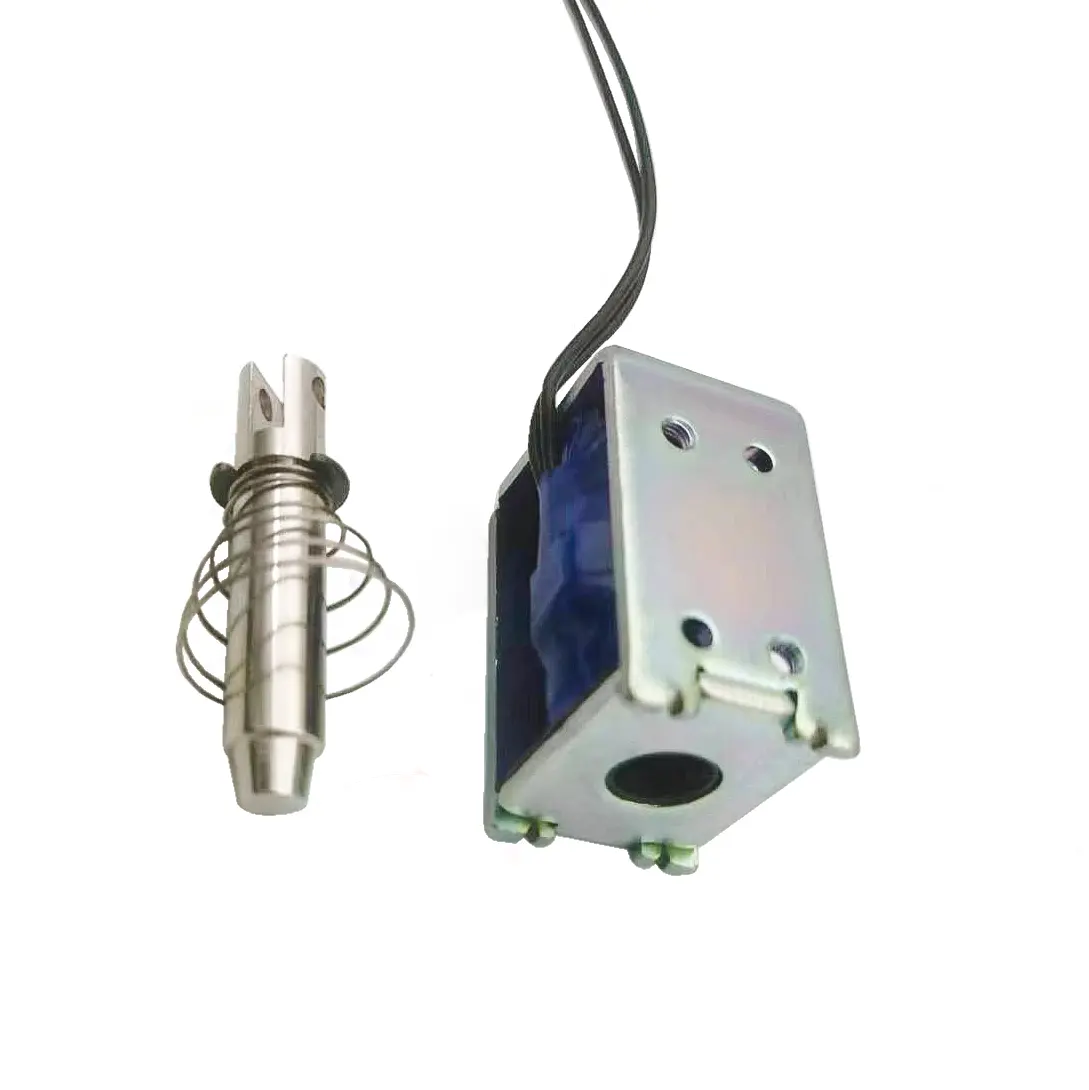
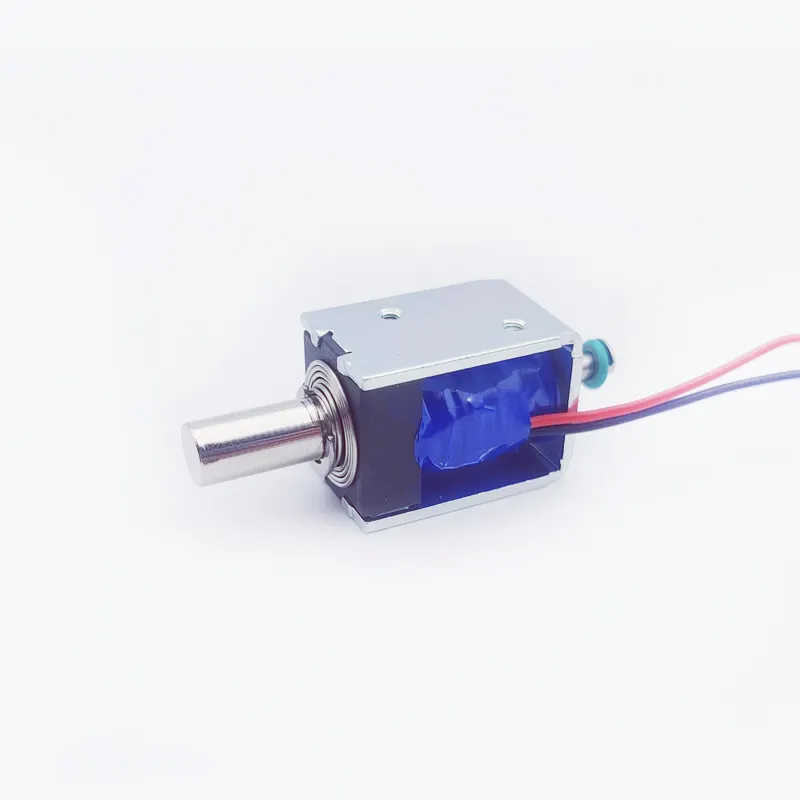
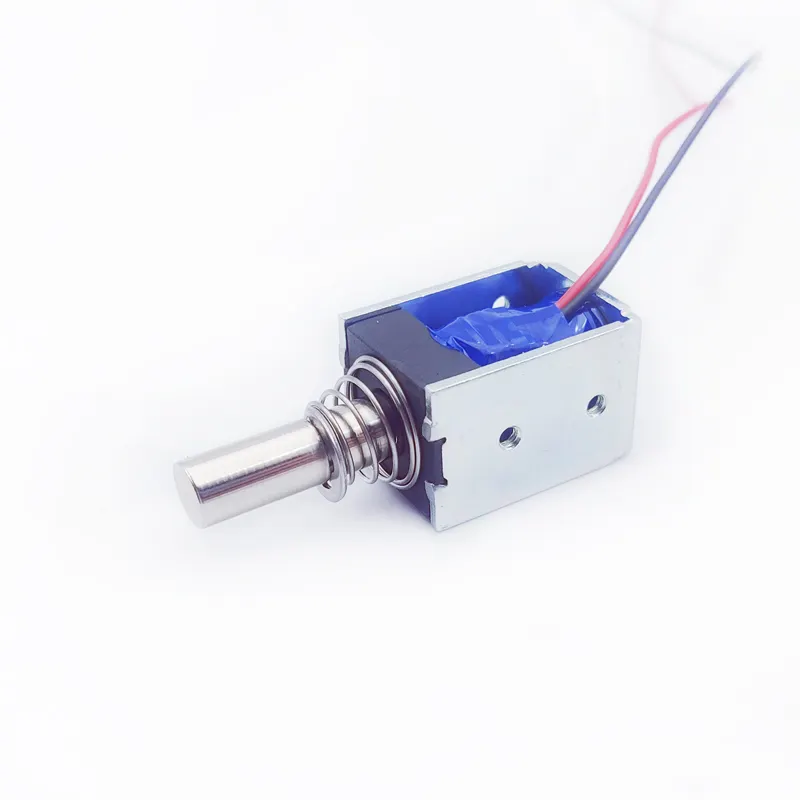
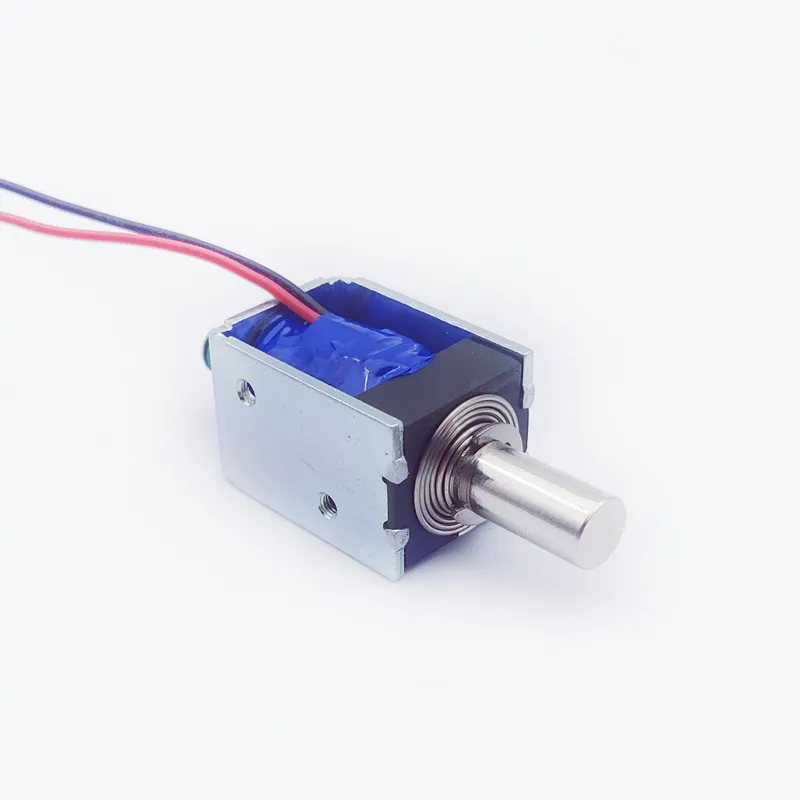
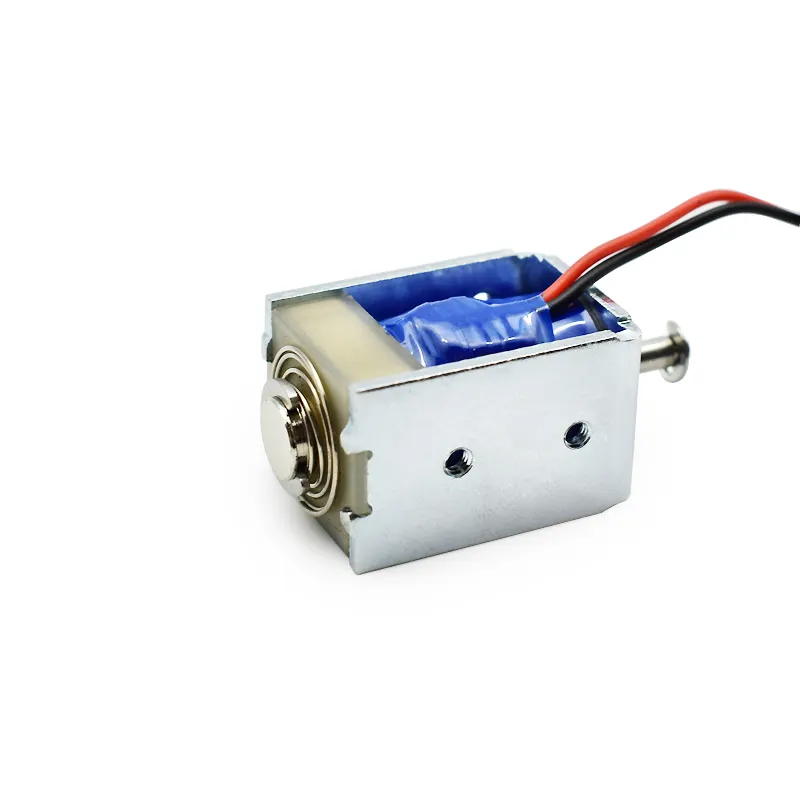
Within a custom solenoid electromagnet, the plunger moves inside a guide sleeve under magnetic force. The quality of this sliding interface determines:
- Starting friction
- Dynamic friction
- Wear rate
- Noise generation
- Response consistency
A simplified tribological system consists of:
- Plunger material
- Surface plating
- Guide sleeve material
- Surface roughness
- Lubrication
- Operating temperature
- Environmental contaminants
These variables interact continuously throughout the life of the product. Optimizing only one factor—such as increasing hardness—without considering the others may lead to unintended consequences, such as stick-slip motion or accelerated guide wear.
Engineering Insight:
Friction is a system property, not merely a material property. Successful solenoid design requires balancing plating, roughness, lubrication, and clearance as an integrated tribological system.
3. How Friction Influences Solenoid Performance
Friction affects nearly every performance characteristic of a solenoid.
3.1 Response Time
Higher friction increases the force required to initiate movement. Even if the coil generates sufficient magnetic force, the plunger may hesitate before moving, increasing actuation delay.
3.2 Magnetic Efficiency
Part of the electromagnetic force is consumed in overcoming friction rather than performing useful work. This reduces the effective output force available to the application.
3.3 Heat Generation
Mechanical friction converts kinetic energy into heat. In compact elektromıknatıs solenoidi designs, this additional heat contributes to higher operating temperatures and may accelerate insulation aging.
3.4 Wear
Each sliding cycle removes microscopic amounts of material. Over time, wear enlarges clearances, alters alignment, and reduces response accuracy.
3.5 Noise
Inadequate surface engineering may produce squeaking, chatter, or stick-slip motion, especially in high-frequency applications.
Table 1. Influence of Friction on Solenoid Performance
| Performance Factor | Effect of High Friction |
|---|---|
| Response Speed | Slower actuation |
| Pull Force | Reduced effective force |
| Power Consumption | Increased |
| Temperature Rise | Higher |
| Giymek | Accelerated |
| Service Life | Shortened |
| Noise | Increased |
4. Why Plunger Plating Directly Affects Service Life
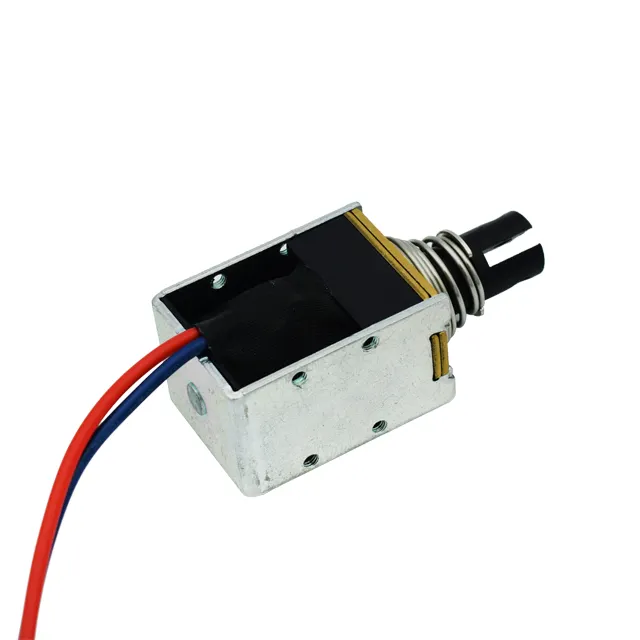
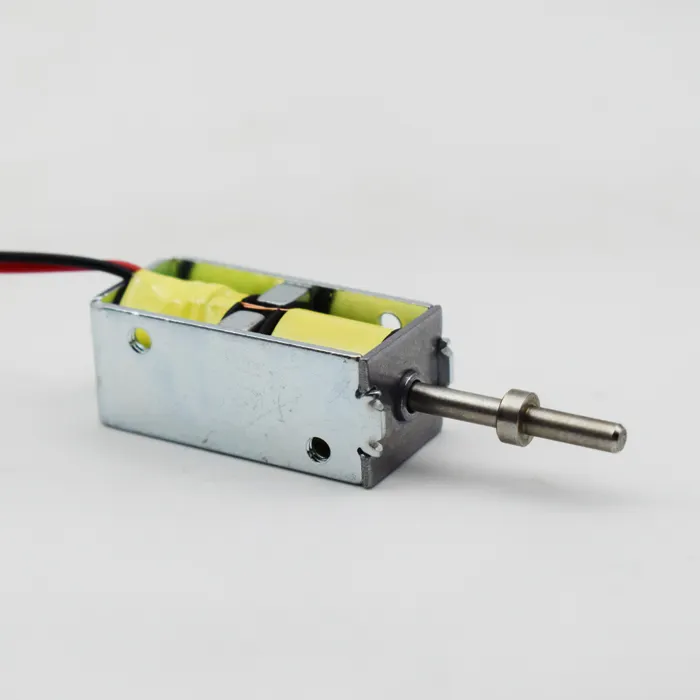
Plating is more than corrosion protection—it is an engineered functional surface.
A properly selected plating provides:
- Controlled surface hardness
- Stable friction coefficient
- Improved corrosion resistance
- Enhanced wear resistance
- Better dimensional stability
The wrong plating may lead to:
- Rapid abrasion
- Surface galling
- Corrosion pits
- Increased friction
- Delayed response
For high-cycle industrial equipment, selecting the correct plating can extend service life several times over.
Key Takeaway:
The choice of plating directly influences friction, wear mechanisms, and maintenance intervals.


5. Common Plunger Plating Technologies
Three surface treatments dominate the solenoid üreticisi industry:
Zinc Plating
Designed primarily for economical corrosion protection.
Nickel Plating
Provides balanced wear resistance, corrosion protection, and stable friction.
Hard Chrome Plating
Offers exceptional hardness and abrasion resistance for demanding environments.
Each has different tribological characteristics and should be selected according to the application’s operating conditions.
6. Zinc Plating: The Cost-Effective Solution
Zinc plating remains one of the most common surface treatments because of its low cost and adequate corrosion resistance for indoor environments.
Avantajlar
- Economical
- Easy to manufacture
- Good appearance
- Moderate corrosion resistance
- Suitable for general industrial equipment
Limitations
- Relatively low hardness
- Moderate wear resistance
- Surface gradually degrades under repeated sliding
- Not recommended for very high-cycle applications
Typical hardness:
80–150 HV
Applications include:
- Consumer electronics
- Ev aletleri
- General industrial devices
- Cost-sensitive OEM products
Table 2. Zinc Plating Characteristics
| Property | Rating |
|---|---|
| Cost | ★★★★★ |
| Wear Resistance | ★★☆☆☆ |
| Corrosion Resistance | ★★★☆☆ |
| Friction Stability | ★★☆☆☆ |
| Service Life | Medium |
7. Nickel Plating: The Best Balance for Most Custom Solenoids
Among experienced solenoid factories, nickel plating is often regarded as the most versatile solution.
Nickel provides:
- Higher hardness
- Better corrosion resistance
- Stable friction behavior
- Improved dimensional consistency
- Excellent appearance
There are two primary forms:
Electroplated Nickel
Offers attractive appearance and good corrosion resistance.
Electroless Nickel
Deposited chemically without electrical current, producing a highly uniform coating even on complex geometries.
Electroless nickel is preferred for precision custom solenoid electromagnet applications because coating thickness remains consistent across the entire plunger.
Typical hardness:
450–600 HV
Heat-treated electroless nickel:
Up to 900 HV
Engineering Insight
Many engineers assume chrome always provides the lowest friction. In practice, electroless nickel combined with proper surface finishing frequently produces smoother and more stable sliding characteristics, particularly in precision automation equipment.
8. Hard Chrome Plating: Maximum Wear Resistance
Hard chrome is widely used where severe wear is expected.
Advantages include:
- Extremely high hardness
- Excellent abrasion resistance
- Good dimensional stability
- Suitable for dirty environments
Typical hardness:
800–1000 HV
Applications include:
- Endüstriyel otomasyon
- Heavy machinery
- Hydraulic equipment
- High-load actuators
However, hard chrome is not universally superior.
Because of its high hardness, improper clearance or inadequate lubrication may increase the risk of stick-slip or accelerated wear of the mating guide sleeve.
Table 3. Comparison of Zinc, Nickel, and Hard Chrome
| Property | Zinc | Nickel | Hard Chrome |
|---|---|---|---|
| Hardness | ★★☆☆☆ | ★★★★☆ | ★★★★★ |
| Corrosion Resistance | ★★★☆☆ | ★★★★★ | ★★★★☆ |
| Wear Resistance | ★★☆☆☆ | ★★★★☆ | ★★★★★ |
| Friction Stability | ★★☆☆☆ | ★★★★★ | ★★★★☆ |
| Surface Uniformity | ★★★☆☆ | ★★★★★ | ★★★☆☆ |
| Typical Cost | Low | Medium | Yüksek |
| Recommended Cycle Life | Medium | Yüksek | Very High |
9. Surface Roughness Often Matters More Than Plating
One of the most overlooked aspects of plunger design is surface roughness (Ra).
Even with the same plating, two plungers can behave very differently if their finishes differ.
Typical values:
| Surface Finish | Typical Ra |
|---|---|
| Standard Machining | 1.6 μm |
| Fine Grinding | 0.8 μm |
| Precision Polishing | 0.2 μm |
Lower roughness generally reduces friction and wear, but excessively smooth surfaces may retain less lubricant under certain conditions. Therefore, the optimal finish depends on the application rather than pursuing the lowest possible Ra.
Key Takeaway:
Plating selection and surface finish should always be specified together. A premium coating cannot compensate for poor machining quality.
explore part 2
In Part 2, we will explore:
- How clearance between the plunger and guide sleeve affects friction.
- The interaction between plating hardness and guide material.
- Lubrication strategies (PTFE, MoS₂, dry film, grease).
- How temperature, humidity, and contaminants influence plated surfaces.
- SF’s proprietary Plunger Life Prediction Model.
- Real OEM case studies involving smart locks, coffee machines, medical devices, and automotive actuators.
- Engineering decision trees and selection guidelines for choosing the optimal plating based on application requirements.
This second section will build on these fundamentals and move into practical design optimization and real-world engineering solutions.
Her türlü elektromıknatıs için özel sipariş verebilirsiniz, SF Elektromıknatıs Fabrikası ile iletişime geçin. WhatsApp +86 189 0261 1680