









Son güncelleme tarihi: 2025-09-04. SolenoidFactory
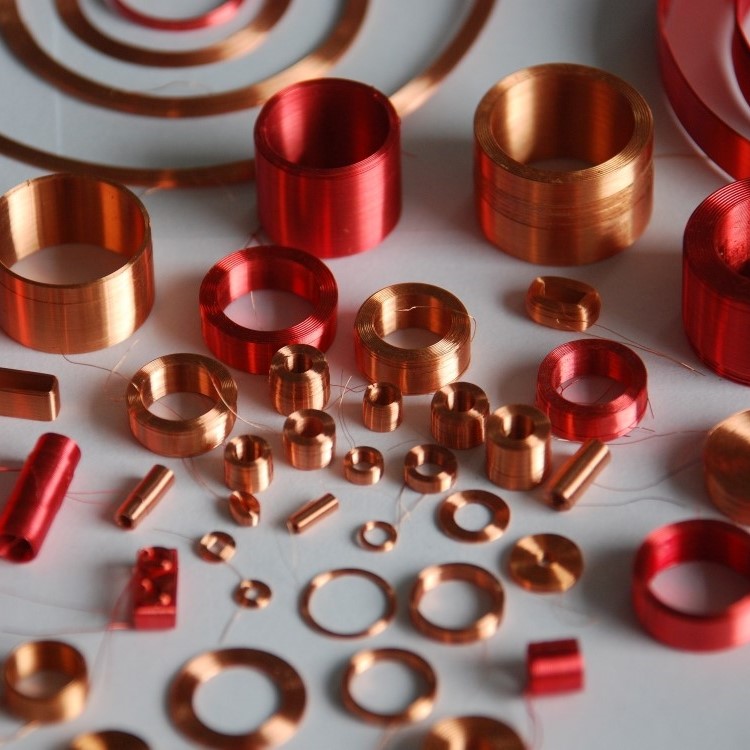
In an era of escalating energy costs and environmental regulations, the demand for high-efficiency, low-power elektromıknatıs bobinleri has never been greater. These components are pivotal in applications ranging from industrial automation to consumer electronics, where reducing energy consumption without sacrificing performance is critical. This blog delves into cutting-edge design strategies, materials, and technologies that enable energy-saving electromagnet coils, supported by real-world case studies and actionable insights for engineers and designers.
1. Fundamentals of Low-Power Electromagnet Coil Design
1.1 Core Principles for Energy Efficiency in Electromagnet Coils
The efficiency of an electromagnet coil is determined by its ability to convert electrical energy into magnetic force with minimal losses. Key factors include:
- Ohmic Losses (I²R): Reduced through optimized wire resistance.
- Eddy Current Losses: Mitigated via advanced core materials.
- Hysteresis Losses: Minimized by selecting soft magnetic materials.
Vaka Çalışması 1:
A HVAC solenoid valve manufacturer cut power consumption by 40% by switching from copper to litz wire, reducing I²R losses at 50 kHz.
1.2 Material Innovations for Low-Power Electromagnet Coils
- High-Conductivity Windings: Oxygen-free copper (OFC) with 101% IACS (International Annealed Copper Standard) conductivity.
- Amorphous and Nanocrystalline Cores: Reduce eddy current losses by up to 90% compared to traditional silicon steel.
- High-Temperature Superconductors (HTS): Emerging materials like REBCO tapes enable zero-resistance coils for ultra-low power systems.
2. Advanced Winding Techniques for Energy-Saving Electromagnet Coils
2.1 Litz Wire and Stranded Configurations
Litz wire, composed of individually insulated thin strands, minimizes skin and proximity effects in high-frequency elektromıknatıs bobinleri:
- Skin Depth Formula: δ = √(ρ/(πfμ)), where lower ρ (resistivity) and f (frequency) reduce losses.
- Application Example: Wireless charging coils achieve 92% efficiency at 6.78 MHz using 500-strand litz wire.
2.2 Orthocyclic Winding Patterns
This precision winding method maximizes packing density (up to 95% fill factor), reducing coil volume and resistance:
- Formula: Number of layers (N) = √(Total Turns × Wire Diameter² / Bobbin Area).
- Vaka Çalışması 2: A MRI manufacturer reduced cryogenic cooling costs by 25% using orthocyclic-wound HTS coils.
2.3 Planar and PCB-Based Electromagnet Coils
Flat spiral coils etched onto PCBs offer ultra-low profile designs with precise control over inductance (L) and resistance (R):
- Inductance Calculation: L = (μ₀N²d)/(8r) for planar spirals, where d = diameter, r = turn spacing.
- Başvuru: Microscale actuators in MEMS devices consume <10 mW while generating 0.5 Tesla fields.
3. Smart Control Strategies for Low-Power Electromagnet Coils
3.1 Pulse Width Modulation (PWM) Drive Systems
PWM reduces average current while maintaining peak magnetic force:
- Duty Cycle Optimization: A 30% duty cycle at 1 kHz cuts power consumption by 70% vs. DC operation.
- Vaka Çalışması 3: Elevator brake coils using adaptive PWM reduced standby power from 50W to 5W.
3.2 Dynamic Impedance Matching Networks
Auto-tuning circuits maintain optimal L/R ratios across operating conditions:
- Algorithm: Particle swarm optimization (PSO) adjusts capacitor banks in <100 ms.
- Örnek: Wireless power transfer systems achieve 85% efficiency over 10–200 mm distance variations.
3.3 Zero-Power Latching Mechanisms
Hybrid designs combine permanent magnets with low-power electromagnet coils for zero-energy hold states:
- Working Principle: Short current pulses (1–10 ms) switch between latched states.
- Başvuru: Spacecraft antenna deployment mechanisms operate for decades on button cell batteries.
4. Thermal Management in Energy-Efficient Electromagnet Coils
4.1 Heat Dissipation Design Principles
- Thermal Resistance Formula: θ = (T_junction – T_ambient)/Power Loss.
- Materials: Thermally conductive epoxies (5–10 W/mK) and aluminum nitride substrates (170 W/mK).
4.2 Active Cooling Integration
- Microchannel Heat Sinks: Reduce hotspot temperatures by 40°C in high-density elektromıknatıs bobinleri.
- Peltier Elements: Provide precise ±0.1°C control for superconducting coil stability.
Vaka Çalışması 4: Electric vehicle contactors using graphene-enhanced thermal interface materials achieved 50,000 cycles at 150°C.
- 5 üzerinden 0 oy aldı
- 5 üzerinden 0 oy aldı
- 5 üzerinden 0 oy aldı
- 5 üzerinden 0 oy aldı
5. Case Studies: Low-Power Electromagnet Coils in Action
5.1 Industrial Automation: Smart Factory Solutions
Meydan okumak: A packaging line’s pneumatic valves consumed 2.4 MW annually.
Çözüm:
- Replaced DC coils with PWM-driven amorphous core elektromıknatıs bobinleri.
- Implemented regenerative braking to recover 15% of actuation energy.
Sonuç: 65% energy reduction, saving $180,000/year.
5.2 Medical Devices: Portable MRI Systems
Meydan okumak: Traditional MRI coils require 25 kW hospital-grade power.
Innovation:
- HTS-based low-power electromagnet coils operating at 77 K with 0.5 W static loss.
- Superconducting quantum interference device (SQUID) sensors for ultra-sensitive detection.
Sonuç: 3 Tesla portable MRI units powered by standard 110V outlets.
5.3 Consumer Electronics: Haptic Feedback Actuators
Çığır Açan:
- PCB-embedded elektromıknatıs bobinleri (0.5 mm thickness) producing 1N force at 0.1W.
- Resonant frequency tuning via MEMS capacitors.
Impact: Smartphone haptics with 10× longer battery life vs. ERM motors.
6. Future Trends in Low-Power Electromagnet Coil Technology
6.1 Graphene and 2D Material Windings
- Properties: 20% lower resistivity than copper, 500% better thermal conductivity.
- Prototip: MIT’s graphene-laminated coils achieved 0.5Ω resistance at 100 GHz.
6.2 AI-Optimized Electromagnet Coil Design
- Generative Design: Algorithms create fractal-like windings with 30% lower losses.
- Digital Twins: Real-time EM/thermal simulations accelerate prototyping by 90%.
6.3 Bio-Inspired Electromagnet Coils
- Octopus Tentacle Models: Variable stiffness coils adapt shape for optimal flux paths.
- Leaf Venation Patterns: Branching conductor layouts minimize eddy current losses.
7. Design Guidelines for Energy-Saving Electromagnet Coils
7.1 Step 1: Define Operational Parameters
- Force Requirements: F = (B²A)/(2μ₀), where B = flux density, A = pole area.
- Görev Döngüsü: Calculate RMS current I_rms = I_peak × √(Duty Cycle).
7.2 Step 2: Material Selection
- Conductors: OFC (99.99% Cu) vs. aluminum (61% IACS, 30% lighter).
- Cores: Compare ferrite (μ_r=2000), permalloy (μ_r=100,000), and Metglas (μ_r=1,000,000).
7.3 Step 3: Thermal and EMI Validation
- Simulation Tools: ANSYS Maxwell for EM analysis, COMSOL for multiphysics.
- Testing Protocols: IEC 62368-1 for safety, CISPR 32 for EMI compliance.
Powering the Future with Intelligent Electromagnet Coils
The quest for high-efficiency, low-power electromagnet coils is driving remarkable innovations in materials, control systems, and manufacturing. By embracing these technologies, industries can achieve unprecedented energy savings while meeting stringent performance demands. As pioneers in electromagnetic solutions, we’re committed to delivering coils that don’t just meet specifications—they redefine what’s possible.
SF elektromıknatıs fabrikası hakkında
Shengfeng Elektromanyetik Şirketi, 2015 yılında kurulmuş olup, güzel manzarası ve elverişli ulaşım olanaklarıyla Xiansha Sanayi Parkı'nda yer almaktadır. Şirket, 16.000 metrekarelik bir alanı kapsamakta olup, modern üretim tesislerine, gelişmiş üretim ekipmanlarına ve yüksek kaliteli bir teknik ekibe sahiptir. Kuruluşundan bu yana, "yenilik, kalite ve hizmet" kurumsal felsefesine her zaman bağlı kalarak, araştırma ve geliştirme ile üretime odaklanmıştır. elektromıknatıslar, Sürekli olarak ürün geliştirmelerini ve teknolojik ilerlemeyi teşvik ederek, müşterilere en kaliteli ürün ve hizmetleri sunmak.
SF elektromıknatısını neden seçmelisiniz?
ÜST DÜZEY KALİTE:Çin'in en iyi solenoid elektromıknatıs üreticisi olarak, kalite kontrol ekibimiz teslim aldığınız her bir ürünün en yüksek kalitede olmasını garanti eder. Profesyonel kalite test cihazlarına sahibiz.
ÜRÜN TASARIMI:Numune departmanımız, teknik çizimleri gerçeğe dönüştürme sürecini uçtan uca yürütmektedir. Ayrıca, yıllara dayanan deneyimimizden yola çıkarak ürün tasarımınızı geliştiriyoruz. Düşüncelerinizi bizimle paylaşın.
İSTİKRARLI TESLİMAT SÜRESİ:En iyi elektromıknatıs üreticisi ve tedarikçisi olarak yeterli üretim kapasitesine sahibiz; büyük siparişler bizi zorlamaz, siparişinizi yine de zamanında teslim edebiliriz.
EN İYİ FİYAT:Biz bir elektromıknatıs üretim fabrikası ve Çin'in en iyi solenoid üreticisiyiz; işte bu sayede en iyi fiyatlarla yüksek kaliteli ürünler sunabiliyoruz.
HASSAS YÖNETİM:Hassas bir yönetim uygulamadığımız sürece hiçbir şey başarılamaz. Biz, eksiksiz bir yönetim sistemine sahip bir şirketiz.
7/24 HİZMET:En iyi solenoid üreticisi olarak, 7/24 anında yanıt: Daha iyi bir tedarikçi olmamız için geri bildirimlerinizi alacağız. İletişime geçin. WhatsApp +86 18902611680
Elektromıknatısla ilgili Sıkça Sorulan Sorular
Biz Çin'in önde gelen şirketlerinden biriyiz. elektromıknatıs Üreticiyiz ve fabrikamız Dongguan'da bulunmaktadır. Fabrikamızı ziyaret etmenizi bekliyoruz!
Yüksek kaliteli tasarım ve üretim konusunda uzmanlaşmış bir firmayız. elektromıknatıs,selenoid valf,örneğin döner solenoid, çift kararlı solenoidler, kilitleme solenoidleri, açık çerçeveli solenoidler, borulu solenoidler, kendinden tutucu solenoid
•Elbette, genellikle ücretsiz numuneler sağlıyoruz ve sadece kargo ücretini karşılamanız gerekiyor. Özel elektromıknatıs numuneleri için lütfen numune maliyetini kontrol edebilmemiz için gereksinimlerinizi bize gönderin.
• Numune üretimi yaklaşık 7 gün sürer.
Evet, ücretsiz tasarım hizmetleri, yapısal tasarım ve basit grafik tasarım hizmetleri sunuyoruz.
Elbette. İstediğiniz herhangi bir elektromıknatısı tasarımınıza göre üretebiliriz. Şu anda 100 ila 500 adetlik küçük miktarlar için ODM solenoid üretimi yapıyoruz, ancak yine de kendi logonuzu kullanabilirsiniz.
Sipariş miktarına ve üretim detaylarına bağlı olarak, yaklaşık 15 ila 20 gün sürecektir.
Seri üretimden önce mutlaka ön üretim numunesi alınır; sevkiyat öncesinde mutlaka son kontrol yapılır.
• Güç, kullanım, boyut, malzeme, miktar, sevkiyat adresi vb.
• Ayrıca ihtiyaçlarınızı bize bildirmeniz de yeterli; biz de size ürünler önereceğiz.
• Deniz yoluyla, hava yoluyla veya ekspres kargo ile.
• Eğer Çin'de kendi nakliye firmanız varsa, fiyat fabrika çıkış fiyatı veya FOB fiyatıdır.
•CFR veya CIF vb., sizin adınıza sevkiyat yapmamızı istiyorsanız.
• DDP ve DDU da kullanılabilir.
• Daha fazla seçenek, tercihlerinizi değerlendireceğiz.
• Fiyat, miktar, malzeme, işleme yöntemi, boyut ve diğer faktörlere bağlı olarak belirlenir. Ayrıca, sürekli gelişimimiz nedeniyle...
Teknolojik yenilikler sayesinde bazı ürünlerimizin fiyatları son derece rekabetçidir, fiyat teklifi almak için lütfen bizimle iletişime geçin.