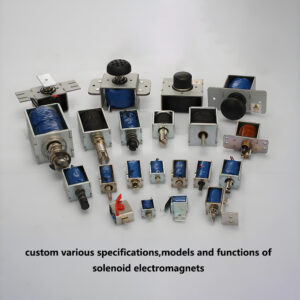








This white paper examines how different plunger plating options affect friction, wear resistance, corrosion protection, response time, and long-term reliability. It also explains how OEM manufacturers can select the most appropriate surface treatment and why partnering with an experienced solenoid üreticisi like SF can significantly improve product performance and lifecycle. This is part 3; if you would like to view the previous parts, you can click below:
Part 1 — Fundamentals of Plunger Surface Engineering
Part 2 – Engineering Optimization, Wear Mechanisms, and Real-World Design Solutions
Now we explore:Part 3 – OEM Applications, Selection Guide, Future Technologies, and Engineering FAQs
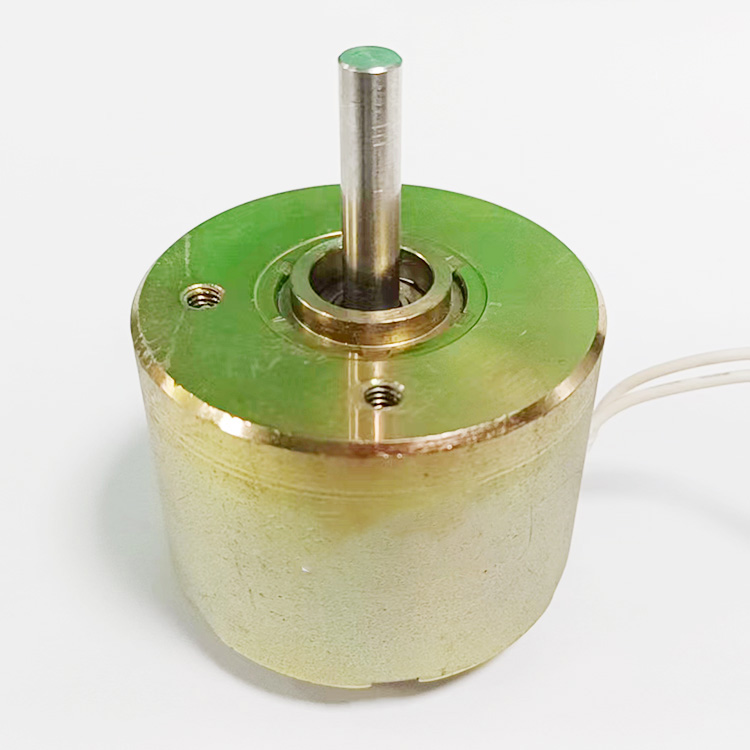
20. Automotive Solenoids: Why Surface Engineering Determines Reliability
The automotive industry places some of the highest demands on custom solenoid electromagnet performance. Modern vehicles may contain dozens of solenoids controlling transmission systems, fuel injection, electronic parking brakes, HVAC actuators, turbochargers, and intelligent locking systems.
Unlike consumer products, automotive solenoids must survive:
- Millions of operating cycles
- Wide temperature ranges (-40°C to +150°C)
- High humidity
- Salt spray
- Continuous vibration
- Oil contamination
In these environments, plunger plating directly affects operational reliability.
Zinc Plating
Advantages:
- Economical
- Suitable for protected interior components
Limitations:
- Reduced corrosion resistance under road salt exposure
- Moderate wear resistance
Nickel Plating
Widely used for:
- Electronic locking systems
- Transmission actuators
- Electric vehicle control systems
Advantages include:
- Excellent corrosion resistance
- Stable friction coefficient
- Long service life
Hard Chrome
Typically selected for:
- Heavy-duty commercial vehicles
- Hydraulic control systems
- High-load industrial vehicles
Its extremely high hardness provides exceptional abrasion resistance under severe operating conditions.
Case Study – Commercial Vehicle Transmission Actuator
A heavy truck manufacturer experienced premature wear after approximately 1.5 million cycles.
SF engineers analyzed the tribological interface and implemented:
- Hard chrome plunger
- Optimized sleeve material
- Improved lubrication strategy
- Precision alignment fixtures
Results
| Parametre | Before | After |
|---|---|---|
| Service Life | 1.5 Million Cycles | 8 Million Cycles |
| Response Consistency | Ilıman | Excellent |
| Wear Rate | Yüksek | Low |
| Maintenance Frequency | Frequent | Significantly Reduced |
21. Medical Equipment Requires Extremely Stable Friction Characteristics
Medical devices prioritize precision over maximum force.
Applications include:
- Drug dispensing systems
- Laboratory analyzers
- Surgical equipment
- Diagnostic instruments
The primary requirements are:
- Quiet operation
- Repeatable positioning
- Low particle generation
- Long maintenance intervals
Electroless nickel is often the preferred choice because of its:
- Uniform thickness
- Smooth surface finish
- Excellent corrosion resistance
- Stable friction behavior
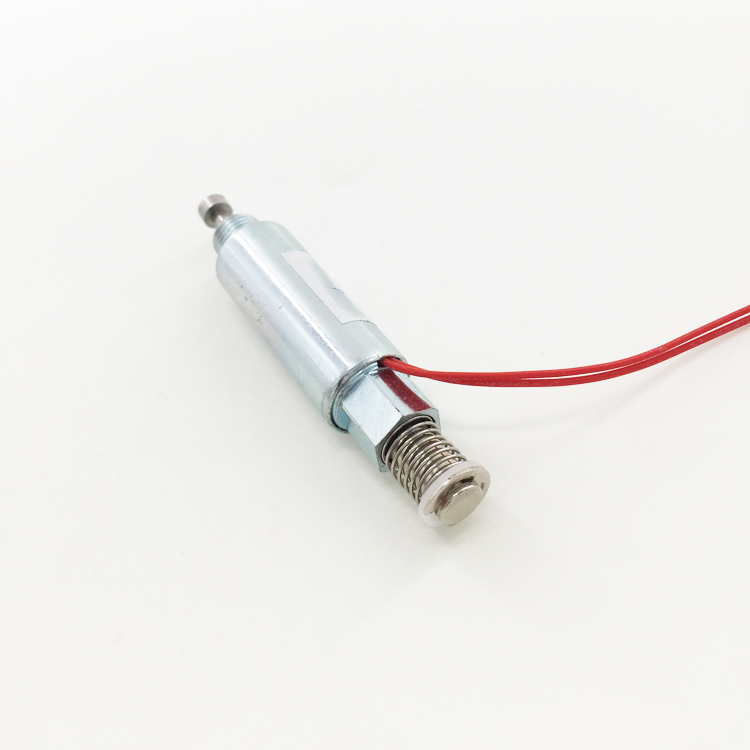
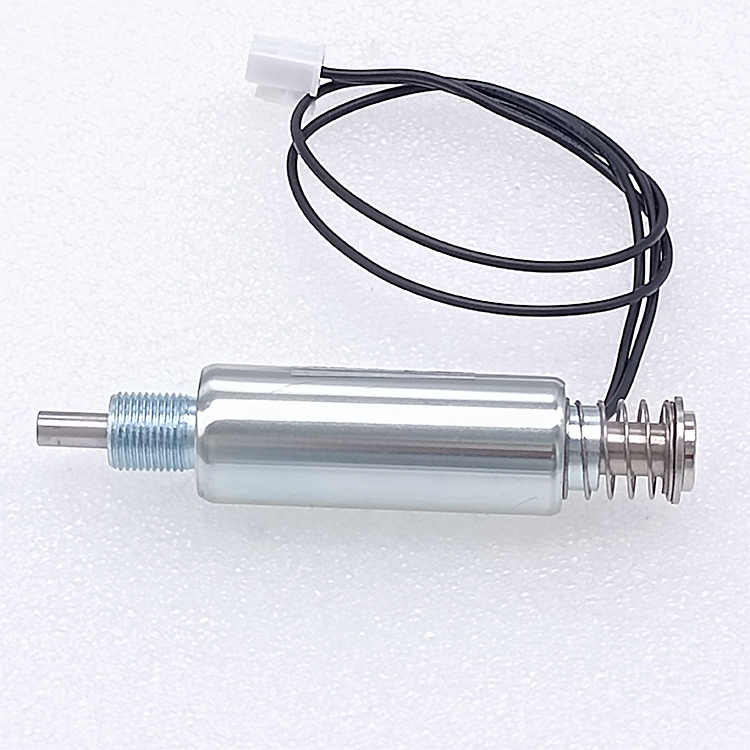
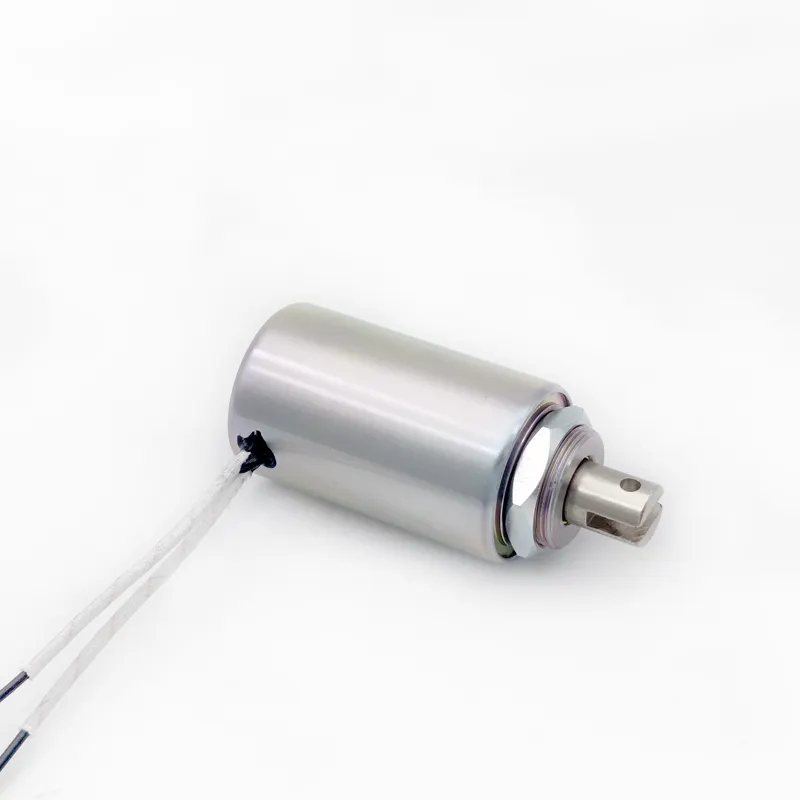
SF has supplied customized elektromıknatıs solenoidi solutions for several medical OEM projects where response repeatability was more critical than maximum output force.
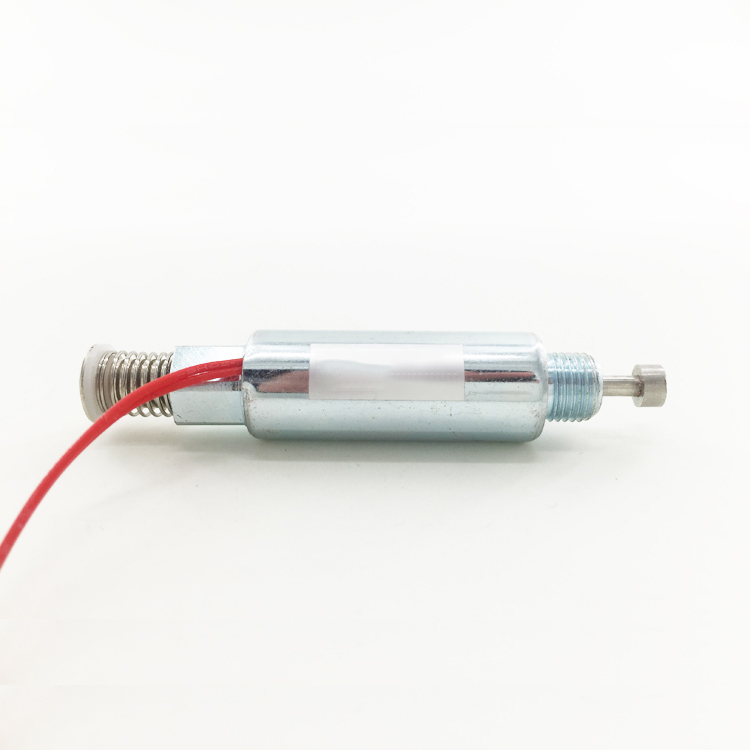
22. Robotics and Automation Demand Predictable Wear
Industrial robots often execute millions of repetitive movements.
Unlike traditional machinery, robotic systems require consistent motion over their entire service life.
Small increases in friction can cause:
- Positioning errors
- Longer cycle times
- Increased motor load
- Reduced production efficiency
For robotic applications, SF typically recommends:
- Electroless nickel plating
- Precision ground plungers
- PTFE dry-film lubrication
- Optimized guide clearance
This combination provides an excellent balance between wear resistance and response consistency.
23. Selecting the Right Plunger Plating by Industry
Table 7. Recommended Plating by Application
| Industry | Recommended Plating | Reason |
|---|---|---|
| Consumer Electronics | Zinc | Low cost |
| Smart Locks | Electroless Nickel | Corrosion resistance + long life |
| Coffee Machines | Electroless Nickel | Moisture resistance |
| Medical Equipment | Electroless Nickel | Precision + cleanliness |
| Endüstriyel Otomasyon | Hard Chrome / Nickel | Wear resistance |
| Automotive Electronics | Nickel | Corrosion resistance |
| Heavy Machinery | Hard Chrome | Extreme wear resistance |
| Food Processing | Electroless Nickel | Hygienic surface |
| Robotik | Nickel | Stable friction |
| Outdoor Equipment | Nickel | Weather resistance |
24. Decision Tree for Selecting Plunger Plating
Choosing the correct plating should follow a structured engineering process rather than relying on cost alone.
Is the operating environment corrosive?
        │
        ├── Yes
        │
        ├── High precision required?
        │        │
        │        ├── Yes → Electroless Nickel
        │        │
        │        └── No
        │              │
        │              ├── Heavy Wear?
        │                     │
        │                     ├── Yes → Hard Chrome
        │                     │
        │                     └── Nickel
        │
        └── No
               │
               ├── Cost Sensitive?
               │        │
               │        ├── Yes → Zinc
               │        └── No → Nickel
Engineering Insight: The most expensive coating is not always the best solution. Matching the plating to the operating environment typically produces the highest return on investment.
25. Common Design Mistakes That Reduce Solenoid Life
During hundreds of OEM development projects, SF engineers have identified several recurring design errors.
Mistake 1
Selecting plating based solely on cost.
Mistake 2
Ignoring guide sleeve material compatibility.
Mistake 3
Overlooking surface roughness.
Mistake 4
Insufficient lubrication.
Mistake 5
Improper guide clearance.
Mistake 6
Ignoring thermal expansion.
Mistake 7
Choosing standard products instead of customized solutions.
These mistakes frequently cause failures that are incorrectly attributed to the coil or magnetic circuit.
26. How to Choose the Right Custom Solenoid Electromagnet
Bir profesyonel solenoid üreticisi should evaluate far more than voltage and force.
Design Checklist
✔ Operating voltage
✔ Stroke length
✔ Required force
✔ Response time
✔ Operating temperature
✔ Duty cycle
✔ Environmental humidity
✔ Corrosion exposure
✔ Service life target
✔ Installation orientation
✔ Side loading
✔ Noise requirements
✔ Surface treatment
✔ Lubrication method
✔ Manufacturing tolerances
Considering these factors early significantly reduces development time and warranty risk.
27. How to Choose the Right Solenoid Factory
Not every solenoid fabrikası possesses the engineering capability to optimize both electromagnetic performance and mechanical tribology.
When selecting a manufacturing partner, evaluate the following:
Engineering Capability
- Electromagnetic simulation
- Mechanical tolerance analysis
- Tribology expertise
- Termal analiz
Manufacturing Capability
- CNC machining
- Precision grinding
- Automated coil winding
- Surface finishing
- Assembly consistency
Testing Capability
- Force testing
- Yanıt süresi testi
- Tuz püskürtme testi
- Life cycle testing
- Sıcaklık artışı testi
Quality System
- Gelen malzeme denetimi
- Proses kontrolü
- Final functional testing
- Traceability
28. Why Global OEM Customers Choose SF
With over ten years of experience, SF has become a trusted solenoid üreticisi for customers worldwide.
Deneyimli Mühendislik Ekibi
Our engineers work closely with OEM customers from concept development through mass production, optimizing magnetic circuits, mechanical structures, thermal performance, and surface engineering.
Advanced Manufacturing Facility
Our 6,000㎡ production facility is equipped with:
- CNC işleme merkezleri
- Hassas taşlama ekipmanı
- Automated coil winding machines
- Surface treatment inspection systems
- Assembly lines
- Life cycle testing equipment
This ensures stable quality and reliable production capacity.
Rich OEM Experience
SF has customized custom solenoid electromagnet solutions for:
- Akıllı kilitler
- Kahve makineleri
- Ev aletleri
- Endüstriyel otomasyon
- Tıbbi ekipman
- Otomotiv elektroniği
- Intelligent vending systems
- Robotik
Our products are exported to more than 60 countries and regions, serving global brand customers across multiple industries.
Comprehensive Customization Services
SF provides:
- Electromagnetic simulation
- Yapısal optimizasyon
- Prototype development
- Malzeme seçimi
- Surface engineering recommendations
- Reliability testing
- Mass production support
29. Future Trends in Plunger Surface Engineering
Surface technology continues to evolve.
Emerging technologies include:
DLC (Diamond-Like Carbon)
Advantages:
- Extremely low friction
- Exceptional wear resistance
- Excellent chemical stability
Applications:
- Tıbbi ekipman
- Aerospace
- High-speed automation
PVD Coatings
Physical Vapor Deposition provides:
- Thin, hard coatings
- High precision
- Excellent adhesion
Composite Coatings
Future developments combine:
- Nickel
- PTFE
- Ceramic particles
- Nano-materials
to simultaneously improve friction, corrosion resistance, and service life.
Smart Surface Engineering
Artificial intelligence and digital simulation increasingly allow engineers to predict wear behavior before manufacturing begins, reducing development time and improving product reliability.
30. Frequently Asked Questions (FAQ)
Does nickel plating reduce friction?
Generally, yes. Electroless nickel with a properly polished surface provides stable friction characteristics suitable for precision solenoids.
Is chrome plating always better than nickel?
No. Hard chrome offers superior wear resistance but may require tighter tolerances and optimized lubrication.
Which plating lasts the longest?
It depends on the application. Hard chrome performs best under heavy wear, while electroless nickel often provides the best balance of wear resistance, corrosion protection, and consistent friction.
Can lubrication replace plating?
No. Lubrication and plating perform different functions and should be designed together.
Does surface roughness affect response speed?
Yes. Poor surface finish increases breakaway friction and may delay plunger movement.
Why does my plunger stick after long-term use?
Possible causes include:
- Corrosion
- Giymek
- Insufficient lubrication
- Clearance reduction
- Contamination
Which plating is best for outdoor equipment?
Electroless nickel generally provides the best corrosion resistance for outdoor applications.
What is the best plating for smart locks?
Electroless nickel combined with PTFE lubrication is widely used due to its excellent balance of friction, corrosion resistance, and long service life.
How important is guide clearance?
Guide clearance is one of the most critical factors affecting friction, wear, and response consistency.
Should I customize the plunger or use a standard product?
For applications requiring long life, high reliability, or demanding environments, customized solutions generally provide superior performance and lower total lifecycle cost.
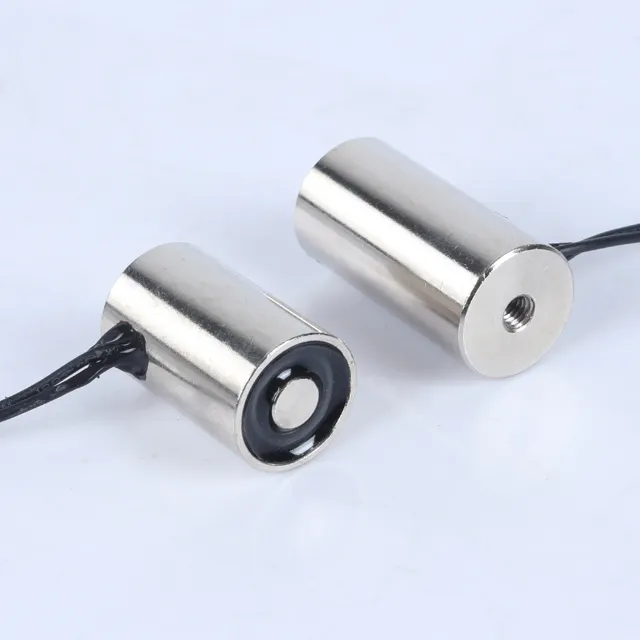
SF focus on custom solenoid electromagent
Key Engineering Conclusions
- Plunger surface engineering has a direct impact on friction, response time, wear resistance, and service life.
- Friction depends on the complete tribological system, including plating, surface roughness, lubrication, guide material, and clearance—not on plating alone.
- Zinc plating is suitable for cost-sensitive, low-cycle applications.
- Electroless nickel offers the best overall balance for precision, corrosion resistance, and long service life.
- Hard chrome excels in high-load and abrasive environments but requires careful system design.
- Surface roughness and guide clearance often influence performance as much as plating material.
- Customized engineering consistently outperforms off-the-shelf solutions in demanding applications.
For OEM projects requiring high reliability, partnering with an experienced solenoid üreticisi is essential.
With more than 10 years of experience, an experienced engineering team, a 6,000㎡ manufacturing facility, and successful exports to over 60 countries and regions, SF provides comprehensive design, engineering, and manufacturing services for custom solenoid electromagnets. From material selection and surface engineering to lifecycle testing and mass production, SF helps global customers develop reliable, high-performance solenoid solutions tailored to their exact application requirements.
Her türlü elektromıknatıs için özel sipariş verebilirsiniz, SF Elektromıknatıs Fabrikası ile iletişime geçin. WhatsApp +86 189 0261 1680